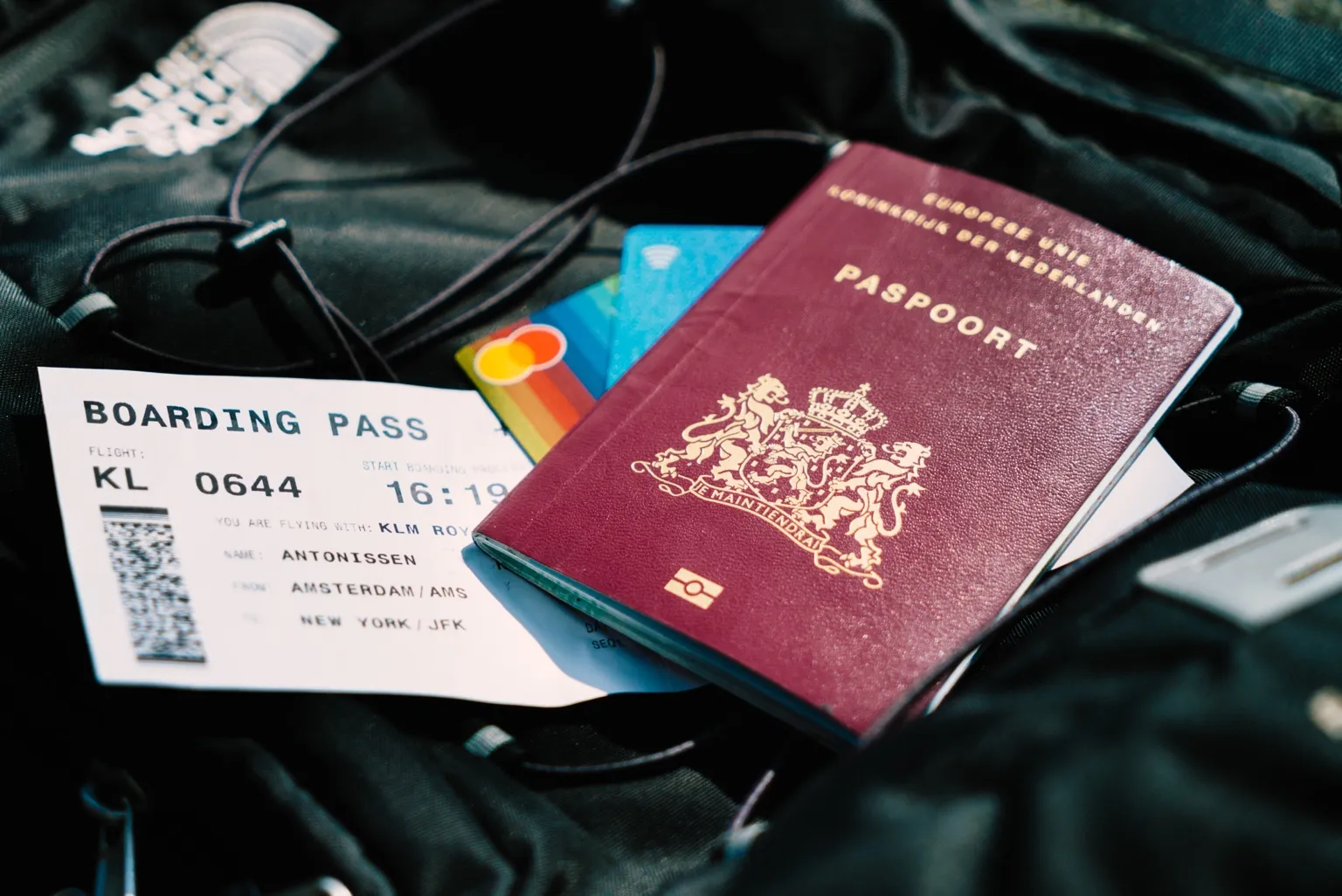
Short answer: When an embassy asks for “reservation confirmation,” it usually wants evidence of your intended route in the format its checklist and review process can understand. A flight reservation for visa may be enough when it shows the correct passenger, route, dates and verifiable booking status, but some categories or portals may require a paid ticket or additional proof. Confirm the destination’s current wording before submitting; no reservation guarantees approval, boarding or entry.
An embassy’s wording can be short while the document decision behind it is not. The safest approach is to translate “reservation confirmation” into the exact evidence your destination, visa category and upload process can verify.
Key facts
- “Reservation confirmation” is not a universal technical term; the checklist, portal and consulate practice control what is acceptable.
- Distinguish a paid ticket, a reserved-but-unticketed PNR and a speculative itinerary before you upload anything.
- The passenger name, route, dates, booking status and validity window must agree with the rest of the visa file.
- Different visa categories can apply different expectations to the same phrase.
- Use official guidance for the current requirement and describe the document truthfully.
In This Guide
Official-source check: The destination’s embassy, consulate or visa-centre checklist controls the meaning of “reservation confirmation.” Use the IATA Travel Centre for current airline-facing passport and visa checks, and cross-check the responsible authority’s own instructions before choosing a paid ticket, PNR reservation or itinerary format.
Reviewed for: reservation-versus-ticket terminology, PNR status wording, visa-category differences, route-date consistency, portal-upload risks and official-source alignment.
An embassy checklist says "reservation confirmation." Nothing more. No mention of tickets, PNRs, or holds. You're left guessing whether a paid ticket is required or a simple booking will pass review, and getting it wrong can stall your entire application.
If you are still clarifying the terminology, start with the flight reservation for visa guide before deciding whether the checklist calls for a paid ticket or a reservation.
That single phrase means different things depending on the country, the visa type, and even the officer reading your file. Some want a verifiable PNR that survives a lookup. Others want dates that match your appointment and your cover letter. It also means aligning those dates with your visa validity, invitation letter, and proof of accommodation, not just with each other. We'll walk through how to read the wording correctly, choose the right document, and build a reservation that holds up if someone checks it. When your embassy just says "reservation confirmation," a verifiable dummy ticket settles the ambiguity fast.
Why "Reservation Confirmation" Isn't a Standard Term, It's an Embassy-Specific Code

Picture two travelers applying for the same visa type at the same embassy, weeks apart. One submits a paid, ticketed flight. The other submits a held reservation with a real PNR. Both get approved. A third traveler submits a handwritten itinerary with flight times copied from a search engine, and gets a query letter asking for "valid reservation confirmation." The wording never changed. The document behind it did.
The Legal Language Problem
Most visa checklists don't originate from customer service teams. They come from immigration law, trade agreements, or ministry-level policy documents written years before online applications existed.
When a checklist for, say, a Schengen short-stay visa says "proof of reservation for return or onward travel," that phrase is often lifted almost word for word from the Visa Code itself. The law never specified a PDF format, a booking platform, or whether the ticket needed to be paid in full. It only cared that the applicant could demonstrate an intent to leave the Schengen area within the permitted stay.
That legal vagueness gets copied into consumer-facing checklists without anyone translating it into something an applicant can actually act on. The result is a phrase like "reservation confirmation" that sounds precise but was never designed to be.
A traveler applying from Mumbai for a Schengen tourist visa might see this exact wording on the VFS checklist, with no further clarification on whether a ticketed flight is expected or a reserved one will do. The legal source document offers no help either, since it was written for consular officers, not applicants.
The Portal Field Problem
Online visa portals compress all of that legal nuance into a single upload field. You've likely seen it yourself: a box labeled "Reservation Confirmation," a file size limit, an accepted format list, and nothing else.
No note on whether the system expects a confirmed, paid ticket. No mention of what happens if the booking is reserved but unticketed. No distinction between a one-way reservation and a round-trip one.
This creates a specific kind of confusion. First-time applicants often assume "confirmation" means the airline has been paid in full, since that's the everyday meaning of the word. But in visa terminology, a reservation confirmation frequently just means evidence of a held booking tied to a real airline record, not proof of payment.
Take a business visa applicant heading from Delhi to Toronto. The online portal's upload field says only "Flight Reservation Confirmation (PDF)." Nothing indicates whether Immigration, Refugees and Citizenship Canada expects a ticketed booking or a reserved one. The applicant is left interpreting a blank label with real consequences attached.
The Human Interpretation Problem
Add a third layer: the people relaying these requirements aren't always working from the same source. VFS Global staff, BLS International agents, or consulate front-desk officers sometimes describe the requirement in their own words, and those words don't always match the official written guidance.
You might hear a VFS agent in Bangalore say, "just bring your flight ticket," when the actual embassy checklist says "reservation confirmation showing intended dates of travel." The agent isn't wrong to simplify, but the simplification can mislead an applicant into overpaying for a fully ticketed flight when a reserved booking would have satisfied the requirement.
The same happens in reverse. A consular officer reviewing an application in person might casually ask, "Where's your booking confirmation?" and mean something more specific than what's printed on the checklist, based on patterns they've seen in past applications from that region.
The rule here is straightforward: treat spoken guidance as a helpful pointer, never as the final word. Official written guidance, whether it's the embassy's own website, a downloadable visa manual, or the checklist PDF issued at the time of appointment booking, always takes precedence over what someone tells you across a counter or over the phone.
-
Embassy website wording
-
Official checklist PDF issued with your appointment
-
Visa manual or instruction booklet, if published
These three sources outrank anything said verbally, no matter how confident the person saying it sounds.
A Simple Decision Rule
Given how inconsistently the phrase gets used, you need one dependable rule rather than a fresh interpretation every time you see it.
When the wording is ambiguous, and no source clarifies it further, prepare a reservation that would satisfy the strictest reasonable reading: one tied to a real, verifiable booking, with accurate flight numbers, correct passenger names, and dates that match your intended travel window.
Here's why this works both ways. A checklist that only wanted a loosely worded travel plan will still accept a fully verifiable reservation without complaint. But a checklist that actually required a checkable, real booking will reject a vague, non-verifiable itinerary outright. Preparing for the stricter interpretation protects you either way, while preparing for the looser one only works if you happen to guess correctly.
Consider an applicant from Chennai applying for a UK Standard Visitor visa, where the checklist simply says "provide evidence of your travel arrangements." That phrasing could mean almost anything. Rather than guessing whether a rough written plan will do, securing a reservation with a real PNR, correct routing between Chennai and London, and dates that align with the rest of the application removes the guesswork entirely.
Once you've settled on that baseline, the next question becomes more specific: which of the actual document types- a paid ticket, a reserved booking, or a placeholder itinerary- does your particular case call for?
The Three Documents Hiding Behind One Phrase, and How to Tell Which One You Need
Once you accept that "reservation confirmation" isn't a fixed term, the next step is figuring out which of three real documents your specific case is asking for. Each one carries different costs, different risks, and different levels of proof.
A Confirmed, Paid Ticket
Some visa processes genuinely expect a ticketed, paid booking rather than a held reservation. This is less common than applicants assume, but it does happen.
You'll usually find this requirement tied to visa categories where authorities actively track entry and exit against airline manifests, or where the visa itself is contingent on a scheduled biometric appointment or medical exam tied to a fixed arrival date. Certain work permit transitions and long-stay visa conversions fall into this bucket, since the receiving country wants firm evidence that travel will happen on a specific date, not just that it could.
You can often spot this requirement even when the checklist avoids the word "ticket" outright. Watch for phrases like:
-
"Confirmed booking"
-
"Issued ticket"
-
"Proof of purchased travel"
-
Any language tying the reservation to a fixed biometric or interview date
If a checklist links your travel document to a specific appointment slot rather than a general date range, that's a strong signal the embassy wants something firmer than a reserved-but-unticketed booking.
It's worth knowing that most embassies generally advise against buying a non-refundable flight ticket before visa approval comes through. This isn't a minor footnote. If your visa gets denied after you've paid in full for a ticket, that money is often gone. Consular guidance across many countries repeats this caution precisely because visa refusals happen for reasons unrelated to your travel documents, and a paid ticket doesn't protect you from that outcome.
A Reserved-but-Unticketed Booking, or PNR Hold
For the majority of tourist, business, and transit visa categories, a reserved but unticketed booking satisfies the requirement completely. This is the middle ground between a fully paid ticket and a rough travel plan, and it's what most embassies actually mean when they ask for a "reservation."
The word itself is the clue. A reservation, by definition, means something has been held, not purchased. Airlines support this distinction directly. Some airlines allow you to hold a booking for 24 to 72 hours without payment, which is exactly the window most visa-related reservations are built around.
This matters because dummy tickets, by design, show your travel plans without requiring an actual ticket purchase. They typically remain valid for 24 to 72 hours, which is enough time for an embassy or VFS center to review and process your application without asking you to commit financially to a flight before you know the outcome. This structure also protects you financially. Dummy tickets help you avoid financial loss if your visa application is ultimately denied, since you were never locked into paying for the flight in the first place.
For this document to hold up under scrutiny, a few details are non-negotiable:
-
It should carry a unique booking reference, commonly known as a PNR (Passenger Name Record), tied to a real airline system
-
The full name on the reservation must match your passport exactly, since airline systems check names against passport data during travel and visa officers expect the same consistency.
-
The itinerary must show a complete route, including both your entry and exit travel plans, not just a one-way leg.
A reservation missing any of these elements looks incomplete even if the underlying booking is genuine. An officer reviewing your file from Delhi to Frankfurt, for example, will expect to see both the outbound date into Germany and the return or onward date out of the Schengen area, since Schengen applications are built around demonstrating a clear, temporary stay.
A Placeholder or Speculative Itinerary
The third category is the riskiest, and the one we'd encourage you to treat with the most caution. A placeholder itinerary is a rough travel plan, often without specific flight numbers, real booking references, or confirmed dates.
There are limited situations where this kind of document might be accepted, usually early in a multi-stage process where an applicant is gathering preliminary paperwork before a final visa interview or biometric appointment. In those early stages, some processes are more forgiving about approximate travel dates.
However, this should never be assumed as the default, and it should certainly not be your final submission unless official guidance explicitly says a general itinerary is acceptable. Most visa applications ultimately require documents with the same level of specificity as a real booking, including exact dates, city pairs, and passenger names.
A Practical Cross-Check Method
If you're still unsure which of these three documents applies to your case, there's a reliable way to narrow it down without needing to call the embassy directly.
Search the full visa checklist or instruction manual for every instance of related terms. Often, a document that opens with a vague phrase like "reservation confirmation" will use more specific language elsewhere, such as "ticket" or "PNR," when describing supporting documents or providing examples.
This cross-referencing trick works because visa checklists are rarely written by a single author in one sitting. Different sections are often drafted by different departments, and later sections sometimes clarify what earlier sections left vague. If the document later mentions "reservation with PNR" in a supporting notes section, that's your answer.
It also helps to check whether the checklist references your reservation alongside other travel documents, like your passport, insurance, or application form, since embassies frequently list these together as a package rather than isolating flight documents on their own.
For context, most visa applications, regardless of destination, share a small set of baseline document requirements alongside your travel reservation:
-
A valid passport must be presented for the visa application
-
A completed visa application form is required from all applicants
-
Travel medical insurance is mandatory for Schengen visa applications specifically, and often expected for other visa categories as well.
Seeing your reservation requirement listed near these baseline documents is a useful signal that the embassy is treating it as a standard supporting document, reinforcing that a well-structured, verifiable reservation, rather than a vague placeholder, is the safer choice.
Once you've identified which of these three documents applies to your situation, the next question becomes how thoroughly that reservation actually gets checked once it's submitted.
How a "Reservation Confirmation" Actually Gets Checked on the Other Side

Knowing which document type applies to your case is only half the picture. The other half is understanding what happens after you hit submit, because a reservation that looks fine on your screen can still fail once someone on the other end tries to verify it.
PNR Lookup Through Airline or GDS Systems
The most common verification method is also the simplest. A visa officer, VFS agent, or outsourced verification team takes the PNR from your submitted reservation and looks it up directly on the airline's website or through a Global Distribution System.
Most major airlines have a "Manage Booking" or "Retrieve Reservation" tool built into their site. You type in the six-character PNR along with the passenger's last name, and the system pulls up the booking details instantly. This is the exact tool officers use, and it's also the exact tool your reservation needs to survive.
For a reservation to hold up here, three things have to line up perfectly:
-
The PNR has to be real and active in the airline's system, not a code that looks plausible but returns nothing
-
The last name entered has to match what's stored against that PNR
-
The booking has to still exist at the time of the lookup, not have expired or been auto-cancelled
This is where timing becomes critical. If your visa process takes longer than expected and your reservation's hold period lapses before anyone checks it, the lookup returns nothing, and what should have been a routine verification suddenly looks like a red flag. An officer reviewing a Delhi to Amsterdam booking submitted three weeks earlier expects that PNR to still resolve when they check it today, not to come back as "not found."
Global Distribution Systems, like Amadeus, Sabre, or Travelport, work the same way but sit one layer behind the airline's own website. Larger visa processing centers and some government verification teams have direct access to GDS platforms, which means they can check a booking's status even faster and with more detail than what shows on a public-facing airline site. If your reservation was generated through one of these systems, it should be retrievable through both channels consistently.
Manual Call-Backs to the Airline
Online lookups cover most cases, but they're not the only verification method in play. For stricter visa categories, or applications flagged for secondary review, some consulates or their outsourced partners go a step further and call the airline directly.
This tends to happen more often with:
-
Long-stay visa applications where the receiving country wants extra assurance around travel intent
-
Cases where an applicant's file has already raised a question mark for unrelated reasons
-
Countries where verification processes are known to be more hands-on rather than fully digital
A phone call to the airline usually asks for the same basic details as an online lookup: the PNR and the passenger name. But it adds a layer of immediacy, since the airline representative can confirm not just that the booking exists, but sometimes additional details like the current status of the reservation or whether it's approaching its hold deadline.
This is exactly why a reservation needs to be genuinely bookable within the airline's live system, not just a static document that looks convincing on paper. A PDF can be designed to look like anything. A phone call to the airline can't be talked around if the underlying booking doesn't actually exist in their system. If you're applying for a visa where you suspect manual verification is common practice, this is the standard your reservation needs to meet, not just the standard of looking right on screen.
Cross-Referencing Dates Against the Schengen Visa Application Itself
Verification doesn't stop at confirming the booking is real. Officers also check whether the dates on your reservation make sense next to everything else in your file.
This is a specific and frequently overlooked check. An officer reviewing your Mumbai to Milan reservation isn't just confirming the flight exists. They're also comparing your departure and return dates against:
-
The visa validity you've requested on your application form
-
The stated purpose of your visit, especially for business or event-specific travel
-
Your travel insurance coverage period, particularly for Schengen applications where insurance must span the full length of your stay
If your reservation shows a 12-day trip but your insurance only covers 7 days, that gap raises a question even if the flight booking itself is completely legitimate. Similarly, if you've stated your visit is for a five-day business conference, but your reservation shows a three-week stay, an officer may reasonably ask why the travel window doesn't match your stated purpose.
The practical takeaway here is straightforward. Always set your reservation's travel dates to match the exact window you've described elsewhere in your application, not a rounded-off estimate or a placeholder range you plan to adjust later. If your actual travel plans are still uncertain, it's better to choose dates that are internally consistent across every document you submit, rather than picking dates for the flight reservation in isolation from the rest of your file.
Automated Red-Flag Systems
Not every check involves a human picking up a phone or manually typing a PNR into a search box. Some consulates and processing centers, particularly larger ones handling high application volumes, use automated tools to flag documents before they even reach a human reviewer.
These systems typically look for formatting inconsistencies rather than checking live booking data. They can flag things like:
-
Fonts or layouts that don't match known airline confirmation templates
-
Missing or incorrectly placed airline logos
-
PNR formats that don't follow the standard pattern used by real airlines or booking systems
-
Metadata inside the PDF file itself that suggests it was generated through an unusual or unofficial tool
This kind of automated screening doesn't necessarily determine whether your visa gets approved or denied on its own, but it can trigger additional scrutiny or a request for further documentation, which slows down an already time-sensitive process.
The safest approach is to choose a reservation format that mirrors standard airline output as closely as possible, rather than a custom-built document with layout choices that deviate from what these systems are trained to recognize. A reservation that looks and behaves exactly like something an airline itself would issue is far less likely to trip an automated filter than one built from scratch with a generic template.
Understanding these four layers of verification changes how you should think about your reservation from the start. It's no longer just about producing a document that satisfies a checklist. It's about producing one that survives contact with the systems and people actually checking it, which becomes especially important once you factor in how differently these checks apply across visa categories.
Matching Your Reservation to the Visa Category, Because "Confirmation" Means Something Different Each Time
The verification method an officer uses often depends on which visa category you're applying under, and so does the standard your reservation needs to meet. What counts as sufficient for one category can fall short for another, even at the same embassy.
Short-Stay Tourist Visas
Tourist visas tend to carry the most forgiving interpretation of "reservation confirmation," and for good reason. The core question an officer is trying to answer is simple: does this person intend to leave when their permitted stay ends?
A reserved itinerary with clear entry and exit dates usually satisfies this on its own. If you're applying for a tourist visa to visit Italy from Bangalore, showing a reservation that has you arriving in Rome on one date and departing from Milan two weeks later gives the officer exactly what they need. There's no requirement to prove the trip in granular detail beyond that.
This doesn't mean tourist visa reservations get zero scrutiny. The dates still need to make sense against your stated trip length, and the routing still needs to look realistic. But compared to other categories, tourist visas generally don't demand the same level of cross-referencing against sponsor letters, financial guarantees, or fixed appointment schedules.
Transit Visas
Transit visas introduce a layer of complexity that tourist visas don't have. Since the entire premise of a transit visa is passing through a country briefly on the way to a final destination, your reservation has to clearly demonstrate that onward movement within the permitted window.
This is where a lot of applicants run into trouble. It's not enough to show that you're leaving the country eventually. Your reservation needs to show a connecting flight that departs within the specific transit period your visa allows, whether that's 24 hours, 72 hours, or another window set by the transit country.
A few details matter more here than in other categories:
-
The layover duration between your arriving and departing flights needs to fall within the legally permitted transit window
-
The connecting flight needs to depart from the same city or airport where you arrived, unless your visa specifically allows movement between airports.
-
The onward destination needs to be a country you're actually eligible to enter, since some transit visas are only valid if your final destination admits you without further restriction.
A mismatched layover time is one of the most common rejection triggers specific to this category. If your visa allows a maximum transit window of 48 hours but your reservation shows a 4-day gap between flights, that discrepancy alone can raise doubts about whether you're genuinely transiting or attempting an extended, unauthorized stay.
Business Visit Visas
Business visas add a different kind of cross-check into the mix. Unlike a tourist visa, where the reservation mostly stands on its own, a business visa reservation is frequently compared directly against your invitation letter from the host company or organization.
If a company in Frankfurt has invited you for a five-day meeting from the 10th to the 15th of a given month, your flight reservation showing arrival on the 9th and departure on the 20th creates an obvious inconsistency. The officer isn't just checking that you have a return flight. They're checking that your actual travel window matches the business purpose you've claimed.
This connection between the invitation letter and the reservation is one of the more overlooked details in business visa applications. Applicants often focus heavily on getting the invitation letter right and then treat the flight reservation as an afterthought, picking dates that are close but not identical to what the letter states.
Even a difference of a day or two on either end can prompt a question from the reviewing officer, since it suggests either an inconsistency in your travel plans or, in less charitable interpretations, that the invitation and the reservation weren't built with the same trip in mind. Keeping these two documents in exact alignment removes an easy point of friction from an otherwise straightforward category.
Employment or Long-Stay Visa Transitions, One-Way Cases
Long-stay visas built around work or study create a genuinely different problem. In these cases, you often have no real reason to book a return flight, since the entire point of the visa is an extended or indefinite stay. Yet the destination country may still list "reservation confirmation" as a requirement, seemingly assuming a round-trip structure that doesn't apply to your situation.
This mismatch between the requirement's wording and your actual travel plans creates a specific kind of tension. Purchasing a return ticket you have no intention of using isn't practical, and in many cases isn't even realistic, since you don't know your exit date from a multi-year work assignment or degree program.
The middle ground here is a reserved, unticketed onward or return booking that satisfies the letter of the requirement without committing you financially to travel you're not planning to take. This shows the receiving country that you have, at minimum, acknowledged the expectation of an eventual departure or onward move, while leaving the actual return flexible until your plans are clearer.
For a work visa applicant moving from Hyderabad to Vancouver on an initial multi-year permit, a reserved return reservation dated close to the end of the initial visa validity period often satisfies this requirement better than either an unrealistic paid return ticket or no reservation at all.
Gulf and Employment-Visit Hybrid Visas
Gulf-region visa processes and similar employment-visit hybrid categories introduce yet another pattern worth understanding separately. In many of these cases, "reservation confirmation" gets requested early in the process, often by a local sponsor, recruitment agent, or employer, before the visa itself has even been finalized.
This early-stage request is frequently more about completing the sponsor's internal paperwork than satisfying a formal consular verification step. The sponsor may need the reservation as part of a documentation package required to secure your visa approval on their end, rather than as something a consular officer will personally check through a PNR lookup.
This doesn't mean the standard drops entirely. The reservation still needs to be genuine and checkable, since it may be requested again later in the process, either by the same sponsor for a final file review or by immigration authorities upon your arrival. Treating this early request as a formality that doesn't require accuracy is a mistake, since the same document, or an updated version of it, can resurface at a later checkpoint where it does get scrutinized more closely.
Applicants moving through agent-mediated Gulf employment visas often submit a reservation once during initial paperwork and are asked to update or reconfirm it closer to their actual travel date, which makes flexibility around date changes particularly relevant in this category.
The Failure Patterns That Are Unique to Reservation-Worded Requests
Every category and verification method covered so far points toward the same conclusion: the word "reservation" carries specific expectations, and missing them creates problems that generic ticket advice doesn't prepare you for. These are the mistakes tied directly to that exact wording.
Submitting An Itinerary Instead Of A Reservation
There's a meaningful difference between a plan and a reservation, and officers draw that line more sharply than applicants often expect. An itinerary can be something you typed up yourself: flight times pulled from a search engine, arranged into a document that looks organized but isn't tied to any actual airline booking.
A reservation implies something else entirely. It means a real, system-held record exists somewhere, retrievable by a PNR, associated with your name, sitting inside an airline or GDS database.
Applicants sometimes conflate the two because both documents can look similar on the page. A well-formatted itinerary with flight numbers, times, and city pairs can appear just as legitimate as a genuine reservation at first glance. The difference only becomes obvious the moment someone tries to verify it, and that's exactly when it becomes a problem rather than before.
If your checklist specifically uses the word "reservation," treat that as a signal that a hand-built plan won't suffice, regardless of how professional it looks. The distinction matters enough that it's worth double-checking before submission, particularly if you assembled your own itinerary using flight search results rather than an actual booking.
Reservation Expired Before The Visa Was Processed
Timing creates a trap that has nothing to do with the quality of your reservation and everything to do with how visa processing timelines actually work. Reserved, unticketed bookings come with a hold period, commonly somewhere between 24 and 72 hours, sometimes longer depending on the airline and route.
Visa processing, on the other hand, can take anywhere from a few days to several weeks, depending on the country, the season, and the specific consulate handling your file. If your reservation's hold period ends before an officer gets around to checking it, the lookup returns nothing, even though your application was completely legitimate at the time you submitted it.
This creates a frustrating outcome where a genuinely valid reservation, submitted in good faith, appears invalid simply because of the gap between submission and review. Applicants rarely realize this is happening until they receive a query letter asking them to resubmit proof of travel arrangements, at which point they're confused about why a document they already provided suddenly isn't sufficient.
The practical fix is to think about your reservation's hold period the same way you'd think about any other time-sensitive document in your application. Choose or generate a reservation with a hold window that comfortably outlasts the average processing time for your specific visa category and embassy, with enough buffer to account for delays. If your embassy typically takes two to three weeks to process applications in your category, a reservation valid for only 72 hours is unlikely to still be checkable by the time anyone looks at it.
Reservation Dates Drifting From The Stated Purpose Of Visit
A reservation doesn't exist in isolation. Officers routinely compare its date range against other parts of your application, and even small mismatches can create doubt where none should exist.
This drift shows up in a few common ways:
-
Your cover letter states a ten-day trip, but your reservation shows twelve days
-
Your invitation letter specifies a conference running from the 5th to the 9th, but your flight reservation has you departing on the 12th
-
Your stated accommodation dates don't line up with your arrival and departure flights.
Individually, any one of these gaps might seem minor. But an officer reviewing a stack of documents is looking for internal consistency across the entire file, not just verifying that each document is valid on its own. A one- or two-day mismatch between your reservation and your cover letter can be enough to prompt a request for clarification, which adds delay to a process that's often already time-sensitive.
This is less about any single document being wrong and more about the story your documents tell together. When your reservation, your invitation, your accommodation proof, and your cover letter all describe slightly different trips, it raises a natural question about which version is accurate, and that question becomes your problem to resolve, often at the cost of additional processing time.
Using A Reservation Format The System Doesn't Recognize
Format matters more than most applicants assume, particularly when automated screening tools are involved. Reservations generated through unconventional means, including manually assembled documents or tools that don't replicate standard airline output, can end up looking inconsistent under review even when the booking itself is completely genuine.
Real airline confirmations follow fairly consistent patterns: specific placement of the PNR, standard formatting for flight numbers and airport codes, recognizable logos and layout conventions tied to that particular airline or booking platform. A document that deviates noticeably from these patterns, even with accurate information, can draw more scrutiny than one that matches expected formatting closely.
This becomes especially relevant when combined with the automated red-flag systems some consulates use to pre-screen documents before human review. A reservation that "reads" as inconsistent to one of these systems may get flagged for closer inspection even though nothing about the underlying booking is actually false.
The safer approach is choosing a reservation format that mirrors what an airline itself would produce, both in the six-character PNR structure and in the general visual layout, rather than a custom document that prioritizes readability over resemblance to genuine airline output.
Multiple Reservations Submitted Across Re-Applications
A subtler failure pattern shows up specifically among applicants who've already faced one rejection and are reapplying. It's common, understandably, for travel plans to shift between a first and second attempt. But submitting a new reservation with significantly different dates, routes, or even destination cities than the first application, without any explanation, can create confusion during a manual review of your case history.
Consular officers reviewing a reapplication often have access to notes or records from the previous attempt. If your first reservation showed a Delhi to Paris trip in March and your second submission suddenly shows a Delhi to Berlin trip in June with no accompanying explanation, that inconsistency can prompt questions about which travel plan is genuine, or whether either one reflects your actual intentions.
This doesn't mean your travel plans need to stay frozen between applications. It simply means that when they do change meaningfully, a brief explanatory note addressing the shift, whether it's a change in business dates, a rescheduled family visit, or simply updated planning, helps the reviewing officer understand the change rather than interpret it as a red flag on its own.
For route-heavy applications, compare the wording against the visa flight itinerary requirements guide before finalizing the cities and dates.
Building a Reservation That Holds Up If Someone Actually Checks It
Everything covered so far points to one practical task: producing a reservation that survives contact with the verification methods and failure patterns already discussed. Here's how to get the details right.
Confirm The Reservation Includes A Real, Lookup-Ready PNR
The foundation of a reliable reservation is a PNR that actually resolves when someone looks it up. This sounds obvious, but it's the single most common point of failure, since a document can look completely convincing while being tied to a code that returns nothing in the airline's own system.
A lookup-ready PNR needs to be recognized either through the airline's own "Manage Booking" tool or through a Global Distribution System like Amadeus or Sabre, depending on how the booking was created. It also needs to be tied correctly to the passenger's legal name exactly as it appears on their passport, since that's the second data point every lookup tool requires alongside the PNR itself.
Before treating any reservation as final, it's worth testing the lookup yourself. Take the PNR and the passenger name, enter them into the airline's official retrieval tool, and confirm the booking pulls up with the correct dates and routing. If it doesn't resolve for you, it won't resolve for an officer either.
Match The Name Format Exactly
Airline systems are stricter about name formatting than most applicants expect, and this detail causes more failed lookups than almost anything else on this list.
A few specific issues come up repeatedly:
-
Nicknames or shortened names used instead of the full legal name on the passport
-
First and last name entered in the wrong order relative to how the airline system expects them
-
Middle names included in some documents and dropped in others, creating inconsistency between the reservation and the passport.
-
Special characters, accents, or hyphenated names formatted differently than how they appear on official identification
An applicant named Elizabeth Anne Carter, for instance, needs her reservation to reflect that exact structure, not "Liz Carter" or "E. Carter," even if that's how she books flights for herself personally. Airline systems match names character by character during lookups, and a mismatch here can make a completely legitimate reservation appear invalid simply because of formatting inconsistency, not because anything about the underlying booking is wrong.
Before finalizing any reservation, cross-check the name field against the passport being used for the visa application, not against how the traveler's name typically appears on other documents or how they prefer to be addressed.
Choose A Realistic Routing
Routing choices matter more than applicants often realize, particularly because unusual or illogical routes can draw attention even when every other detail checks out.
A reservation showing a direct flight where none commercially exists, or a connection through a city that makes no geographic sense for the route in question, can read as a hastily generated document rather than a genuine booking. The same applies to unusually long layovers that don't match how airlines typically schedule connections on that particular route.
If you're applying for a visa from Chennai to Amsterdam, for example, a reservation showing a layover through a city with no regular connecting service between Chennai and Amsterdam would look inconsistent with how that route is actually flown. Choosing a routing that reflects how airlines genuinely operate between your departure and destination cities, including realistic layover cities and connection times, keeps your reservation aligned with what a reviewing officer would expect to see.
This doesn't mean you need to book the cheapest or most obscure route for the sake of realism. It simply means the routing should reflect an itinerary that could plausibly be booked by anyone, rather than one assembled without regard for how airlines actually schedule flights between those two points.
Where Dummy Flight Tickets Help You
Given everything involved in getting a reservation right, from lookup-ready PNRs to exact name formatting to realistic routing, it's worth understanding where a dedicated reservation service becomes genuinely useful rather than just convenient.
Manually generating a reservation that satisfies all of these requirements takes more effort than it might initially seem. Getting a PNR to resolve correctly, formatting a name exactly right, and choosing a routing that mirrors real airline scheduling all require attention to detail that's easy to get wrong on a first attempt, particularly under the time pressure of an approaching visa appointment.
BookForVisa.com becomes genuinely useful here, since it issues instantly verifiable flight reservations with a real PNR and PDF, transparent pricing around $15 (roughly ₹1,300), and unlimited date changes if your travel plans or visa timeline shift before your appointment.
The unlimited date change aspect connects directly back to the timing trap discussed earlier in this guide. If your visa processing takes longer than expected and your original reservation's hold period runs out, being able to adjust the dates without generating an entirely new booking from scratch removes one more point of friction from an already time-sensitive process.
Keep A Copy Of The Verification Trail
Once your reservation is finalized, it's worth holding onto more than just the reservation document itself. Save the confirmation email, take a screenshot of a successful PNR lookup showing the booking details, and note the hold period or expiration date clearly somewhere you can reference later.
This verification trail becomes useful in a few specific situations:
-
If a VFS agent or embassy staff member asks a clarifying question about your reservation during document submission
-
If your application enters secondary review and someone requests additional confirmation beyond the original document
-
If you need to demonstrate, weeks after submission, that the reservation was valid and lookup-ready at the time you submitted it
Having this trail ready means you're not scrambling to re-verify a booking or explain a discrepancy under time pressure, particularly if questions come up close to your appointment date or during a follow-up request from the consulate. It's a small habit that costs almost nothing to maintain but can save meaningful stress if your reservation is ever questioned later in the process.
What to Do When the Application Portal Just Says "Reservation Confirmation" and Nothing Else
Online visa portals present a different challenge than printed checklists, since there's usually no one to ask and no supporting text to interpret. When you're staring at a blank upload field with a vague label, a few practical techniques can help you figure out what's actually expected.
Check The File Format And Size Limits First
Before anything else, look closely at the technical constraints attached to the upload field itself. These details are often the only clue a portal gives you, and they're easy to overlook when you're focused on the label text.
A field that accepts only a single PDF under 2MB is telling you something specific. That size limit suggests the system expects a compact, single-page document, similar to a standard airline confirmation email converted to PDF, rather than a multi-page itinerary with cover sheets, terms and conditions, or supplementary notes.
Compare that to a field allowing multiple files or larger uploads, which might suggest the portal is more flexible about what counts as acceptable, potentially allowing for a combined document that includes both the reservation and related travel notes.
Pay attention to these specifics before uploading anything:
-
Maximum file size allowed
-
Accepted file formats, whether PDF only or image formats as well
-
Whether the field allows a single file or multiple attachments
-
Any character limits on an accompanying text field, if one exists
These constraints won't tell you everything, but they narrow the range of what the portal is realistically expecting, which is more guidance than the label alone provides.
Look For Sibling Fields In The Same Form
One of the most useful tricks for decoding a vague field is looking at what sits around it. Visa application portals rarely ask for just one document. They typically request several supporting files together, and the way those fields are separated tells you something about scope.
If the same form includes distinct fields for "Accommodation Proof," "Travel Insurance," and "Flight Reservation Confirmation" as separate uploads, that separation is meaningful. It strongly implies the flight reservation field wants information specific to your flight, such as PNR, dates, and routing, rather than a combined document covering your entire trip.
This becomes especially useful when a portal's field label alone would otherwise be ambiguous. A field simply labeled "Reservation Confirmation" might seem unclear on its own, but if it sits next to a separate field for accommodation, you can reasonably conclude it's asking specifically for flight-related information, since accommodation has already been accounted for elsewhere in the form.
Take a few minutes to map out every document field on the portal before uploading anything, rather than working through the form field by field without seeing the full picture. Understanding the complete structure often resolves ambiguity that would otherwise require guesswork.
Check For Auto-Validation Behavior
Some visa portals, particularly more modern or heavily automated ones, run basic validation checks the moment you upload a document. This behavior, when present, can be one of the clearest signals available about what the system actually expects.
A portal might reject a file immediately if it detects the document doesn't contain a recognizable PNR format, or if it can't identify standard airline confirmation elements within the text. Other systems might flag a warning if the uploaded file appears to be a screenshot rather than a proper document, or if it doesn't match expected formatting patterns for that field.
If you experience this kind of immediate rejection or warning message, treat it as direct, real-time feedback rather than a frustrating obstacle. It's telling you, more precisely than any generic checklist could, what format and content the system is built to accept.
The smart move is testing this early, well before your deadline, rather than discovering a rejection pattern on the day your appointment is scheduled. Upload your reservation as soon as you have it ready, see how the system responds, and adjust if needed while you still have time to source an alternative document.
When In Doubt, Submit The Strictest-Compliant Version
After checking file constraints, sibling fields, and any auto-validation behavior, you may still be left with genuine ambiguity about what a bare "Reservation Confirmation" field wants. At that point, the decision rule established earlier in this guide applies directly here as well.
Without further clarification, submit a genuine, lookup-ready reservation rather than a rough itinerary or placeholder document. This approach satisfies both strict and loose interpretations of the field, since a real, verifiable booking meets the requirement whether the system is checking for exact PNR formatting or simply confirming that some form of travel plan has been provided.
This matters even more in a portal-driven context than in a paper checklist scenario, because online systems often don't offer a way to ask a follow-up question before submission. Once you've uploaded a document and moved to the next step, there's frequently no opportunity to revise it without restarting significant portions of the application. Choosing the more robust option from the outset avoids putting yourself in a position where you have to backtrack through an online form to fix a document that didn't hold up to scrutiny.
If your specific visa portal happens to allow you to preview or save your application before final submission, use that window to double-check the reservation one more time, confirming the PNR still resolves and the file itself opens cleanly, since portal uploads can sometimes compress or alter file formatting in ways that create problems after submission that weren't present in your original document.
Country and Region Patterns Worth Knowing (Without Assuming One Rule Fits All)
Everything discussed so far applies broadly, but the way reservation requirements actually play out on the ground varies noticeably depending on where you're applying. These are general patterns worth being aware of, not fixed rules for any specific country.
Regions With Strict Manual Verification Cultures
Some regions have built a reputation, deserved or not, for consular staff who actively verify reservations rather than simply accepting them at face value. In these environments, manual PNR lookups or direct calls to airlines are treated as a standard step in the review process, not an exception reserved for flagged applications.
Applicants heading to destinations known for this kind of hands-on review, particularly certain Western European countries processing high volumes of Schengen applications, often report that officers or their outsourced processing partners check bookings as a matter of routine practice. In these cases, treating your reservation as something that will almost certainly be verified, rather than something that might be verified, is the more realistic mindset to work from.
This pattern tends to be more common in consulates dealing with a high volume of applications from regions where visa fraud concerns have historically been elevated, which shapes how thoroughly supporting documents get checked. If you're applying from a country where scrutiny tends to run higher, building your reservation to the strictest standard covered earlier in this guide, rather than the most lenient one, is the safer default.
Regions Where Reservation Requirements Are Formality-Driven
The opposite pattern shows up in visa-on-arrival systems, certain e-visa processes, and some simplified digital application platforms, where a reservation is requested primarily to complete a checklist rather than to trigger active verification.
In these systems, the reservation upload might function more like a box that needs to be checked than a document that undergoes real scrutiny. Some e-visa platforms, for instance, ask for a flight reservation purely as part of a standardized document set, without any indication that the booking is cross-checked against airline systems before approval.
This pattern is genuinely common, but it comes with an important caveat. Practices shift, sometimes without much public notice, as governments update their digital visa infrastructure or adjust internal review protocols. A country that historically treated flight reservations as a formality can move toward stricter verification if fraud patterns or policy priorities change.
Because of this, it's worth resisting the temptation to assume a formality-driven pattern applies to your specific application without checking current, official guidance first. Relying on outdated assumptions about how relaxed a particular visa process is can leave you underprepared if that process has tightened since the last time it was widely discussed online.
Regions With Layered Requirements, Sponsor Plus Consulate
A third pattern involves visa processes that route through more than one checkpoint before your application is fully complete. This is especially common in employment-based and Gulf-region visa categories, where a local sponsor or agent handles part of the process before it reaches formal consular review.
In these layered systems, your reservation might first be collected by a sponsor or employer's HR or immigration team as part of building your overall application file. That same reservation, or an updated version of it, may then be required again later, either by the consulate directly or by immigration authorities reviewing your file closer to your actual travel date.
This structure means your reservation needs to remain valid and accurate across more than one checkpoint, not just the first submission. A booking that was perfectly fine when your sponsor collected it initially might need to be reconfirmed or refreshed by the time consular review happens weeks or months later, particularly if the original reservation's hold period has long since expired.
Applicants moving through sponsor-mediated visa processes benefit from treating the reservation less like a one-time submission and more like a document they may need to revisit and update at multiple points before the process concludes. Keeping track of exactly when and to whom you've submitted a reservation, and being prepared to provide a refreshed version if asked, helps avoid confusion later in a multi-stage process.
A Reminder To Always Verify Against Current Official Guidance
Every pattern described here is a generalization built from common tendencies, not a guarantee of how any specific embassy or consulate will behave. Visa systems evolve constantly, particularly as more countries digitize their application processes and adjust verification methods in response to changing fraud concerns or processing capacity.
A consulate known for strict manual verification a few years ago might have shifted toward more automated screening since then. A visa-on-arrival system once considered a pure formality might have introduced spot checks on flight reservations without much fanfare. Relying on secondhand accounts, forum posts, or outdated blog content, including general regional patterns like the ones described here, should never replace checking the specific, current guidance published by the embassy or consulate handling your application.
Treat this discussion as useful context for calibrating your expectations and deciding how carefully to build your reservation, not as a substitute for confirming the actual requirements tied to your destination country and visa category at the time you apply. The safest habit, regardless of which regional pattern seems to apply, is building a reservation that would satisfy strict verification even if you suspect the process might be more relaxed, since that approach protects you either way.
For a wider timing and consistency framework, the complete flight reservation for visa guide covers the supporting-file decisions that sit around this specific wording problem.
Assembling the Reservation Into a Complete, Coherent Application, Not a Standalone Document
By now, you've built a reservation that's technically sound, properly formatted, and matched to your visa category. The last step is making sure it functions as part of a unified application rather than existing as an isolated file sitting alongside unrelated visa documentation.
Aligning The Reservation With The Cover Letter's Stated Dates
Your cover letter is often the first document an officer reads, and it sets expectations for everything that follows. If that letter states you're traveling from the 3rd to the 14th of a given month, your flight itinerary needs to reflect those exact dates, not an approximate range that's close but not identical.
This kind of misalignment happens more often than applicants expect, usually because the cover letter gets drafted at one point in the planning process and the confirmed flight reservation gets finalized later, sometimes after minor adjustments to the trip that never make it back into the letter. An applicant traveling from Ahmedabad to Barcelona might write a cover letter describing an eleven-day holiday, then generate a reservation reflecting a nine-day trip after deciding to shorten the itinerary, without updating the letter to match.
Individually, neither document is wrong. Together, they tell two slightly different stories, and that inconsistency becomes something an officer has to resolve, usually by requesting clarification rather than simply approving the file as submitted, which is exactly how avoidable visa rejection cases tend to start.
Before finalizing your application, read your cover letter and your travel itinerary side by side, checking that arrival dates, departure dates, and total trip length match exactly. This single check catches a surprising number of avoidable inconsistencies and helps you avoid visa rejection over a detail that's simple to fix in advance.
Aligning The Reservation With Financial Documents
Financial documentation plays a role in visa review that goes beyond simply proving you have sufficient funds. Officers sometimes compare the length of your proposed trip, as shown in your reservation, against the timeframe covered by your bank statements or proof-of-funds documentation.
This comparison isn't always obvious from the checklist itself, which is part of why it's easy to overlook. If your reservation shows a three-week trip but your bank statement only covers a narrow window that doesn't clearly demonstrate sustained funds across that period, an officer might question whether your financial position genuinely supports the length of travel you've planned.
This becomes particularly relevant for longer trips or higher-cost destinations, where the gap between a short financial statement and an extended travel window is more noticeable. An applicant from Pune planning a four-week trip through several cities in Europe benefits from financial documentation that reflects stability across a timeframe consistent with that length of travel, rather than a narrow snapshot that raises more questions than it answers.
This doesn't mean your bank statement needs to cover the exact trip dates line by line. It means the overall financial picture should feel proportionate to the trip your reservation describes, rather than looking mismatched against a significantly longer or shorter stay in a foreign country.
Keeping A Personal Timeline Sheet
Given how many separate documents need to align, from cover letters to reservations to insurance to any hotel reservation confirmation you've arranged, it helps to build a simple reference tool rather than relying on memory or scattered files to catch inconsistencies.
A personal timeline sheet doesn't need to be complicated. It can be as simple as a short list or basic table capturing the key details from every document in your application:
-
Reservation departure and return dates, along with the reference number tied to your booking
-
Travel insurance coverage start and end dates
-
Hotel reservations or accommodation check-in and check-out dates, if applicable to your visa type
-
Invitation letter dates, for business or event-based travel
-
Your passport number and mobile number, in case an officer needs to reach you or confirm identity details quickly
Laying these out together, even informally, makes mismatches immediately visible in a way that reviewing each document separately often doesn't. It's a small amount of upfront effort that catches exactly the kind of quiet inconsistency that otherwise surfaces only after an officer flags it and asks you to obtain additional documents to resolve the gap.
This habit becomes especially valuable for applicants juggling multiple supporting documents drafted at different times, since it's easy for one detail to shift during planning without every related document being updated to match.
Planning For Date Changes After Submission
Travel plans don't always stay fixed once an application is submitted. A visa appointment might get rescheduled, a personal circumstance might shift your intended travel window, or processing might simply take longer than expected, pushing your planned dates further out.
In most cases, consulates handling foreign affairs matters don't require you to proactively update your reservation every time your plans shift slightly, particularly if the visa is still under review and no interview or biometric appointment is imminently affected. But if an officer does request an updated reservation, whether because of a processing delay or a direct question about your travel timeline, being able to respond quickly matters, especially once your visa is approved and your actual booking needs to reflect real plans.
This is where having a reservation built around flexibility, rather than one that's rigid and difficult to modify, becomes genuinely practical. If your original booking's hold period has lapsed or your travel window has shifted since your initial submission, generating a fresh, accurate reservation on short notice is far less stressful than starting from scratch under time pressure.
It's worth noting that policies around a refund or a full refund on reserved bookings vary depending on the airline and the type of hold placed, so understanding those terms in advance saves confusion later, particularly if you eventually need to book a confirmed return ticket at full price closer to your travel date.
Final Pre-Submission Checklist For This Specific Requirement
Before submitting your application, it's worth running through a short, focused checklist specific to the reservation confirmation requirement itself, rather than a generic overall visa checklist covering every document type.
-
PNR is lookup-ready and resolves correctly through the airline's official retrieval tool
-
Full name on the reservation matches your passport exactly, including spelling, order, and any special characters
-
Reservation dates match every other document referencing your travel window, including your cover letter, invitation letter, and accommodation proof where applicable
-
Hold period comfortably outlasts your embassy's adequate processing time, with reasonable buffer built in
-
Format closely resembles standard airline confirmation output, including realistic routing and layover structure
Running through these five points specifically, rather than relying on a broader sense that your application "looks complete," addresses the exact requirement this entire guide has focused on. A reservation that passes each of these checks is one built to survive the specific scrutiny tied to the phrase "reservation confirmation," rather than one that simply looks acceptable at first glance.
Getting Your Reservation Right When the Wording Isn't
The phrase "reservation confirmation" will keep showing up in checklists, portals, and offhand comments from agents, and it will keep meaning something slightly different each time. What changes is how you respond to it. You now know how to read the wording, match it to your visa category, and build a booking that holds up if someone actually checks it.
Treat every reservation as part of a bigger, consistent story your application tells, not a document that stands alone. Keep your dates aligned, your name formatted correctly, and your hold period wide enough to outlast processing delays. When your travel plans shift and you need a fresh, verifiable dummy ticket fast, that consistency is what keeps your application moving forward.
Need a reservation confirmation that fits your visa file? Use the destination’s wording, then keep the passenger name, route, dates and booking status consistent across every document.
Prepare your flight reservationFAQ
What does “reservation confirmation” mean for a visa?
It can mean a confirmed flight reservation, a PNR-supported hold or, in some cases, a paid ticket. The exact checklist and portal instructions control, so do not assume the phrase has one global definition.
Is a paid ticket always required?
No. Some applications accept a verifiable reservation, while others or particular visa categories may request ticketing or additional evidence. Confirm the current official requirement before paying for non-refundable travel.
What should a reservation confirmation show?
It should identify the traveler, route, dates and booking status clearly enough for the stated review process. Keep it consistent with your passport, application, accommodation, insurance and cover letter.
How long should a reservation remain valid?
It should remain useful through the expected submission or review window. Generate or refresh it close enough to filing to reduce expiry risk, without rushing past a careful field-by-field check.
What if the portal only says reservation confirmation?
Review sibling fields, file-format limits, destination guidance and any appointment instructions. If the wording remains unclear, ask the responsible visa centre or consulate rather than guessing.
Can a flight reservation guarantee a visa decision?
No. A truthful reservation can support travel-proof requirements, but it cannot guarantee approval, boarding, entry or a particular processing outcome.
Friendly reminder: BookForVisa provides travel-proof documents for planning and visa-application support. Requirements vary by destination, consulate, visa category and applicant situation. A flight reservation can support a file, but it does not guarantee approval, boarding or entry.