
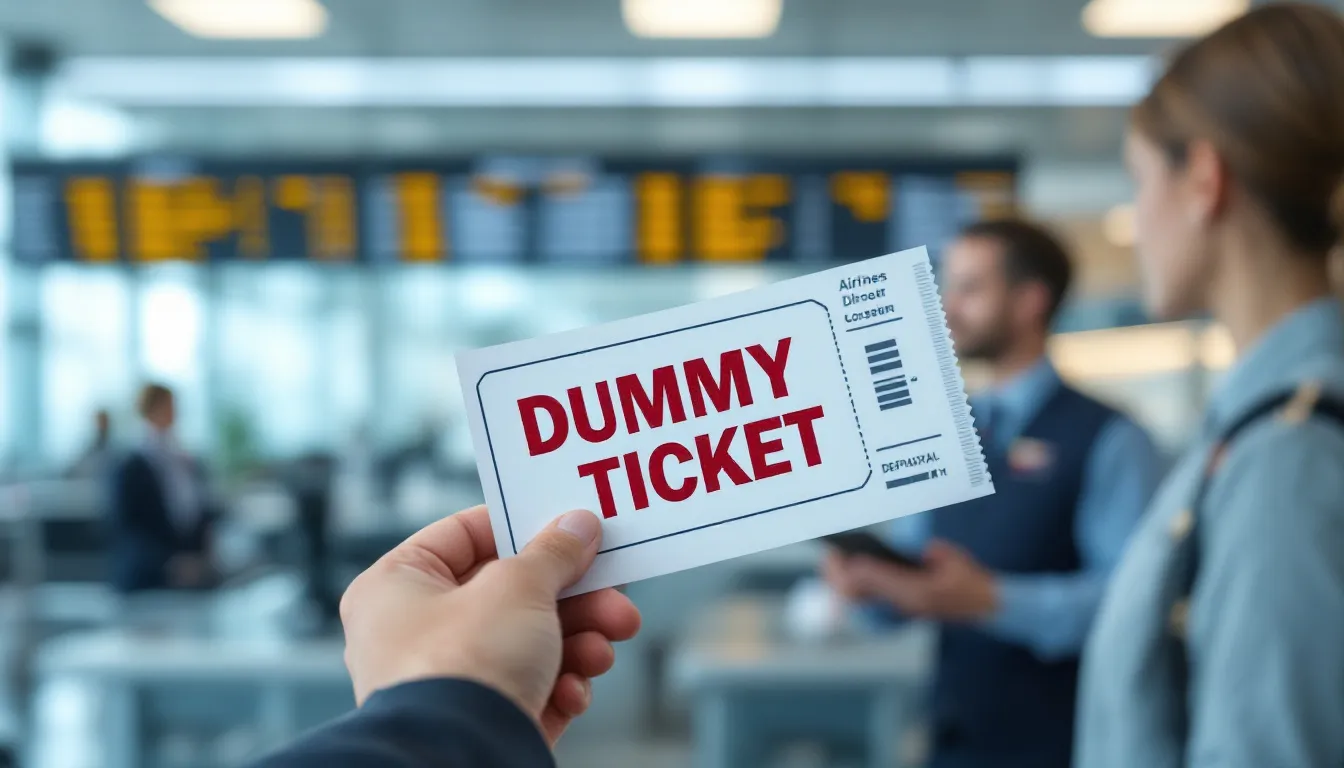
Travelers often call this document a “dummy ticket,” but for a visa file the cleaner term is flight reservation for visa. The purpose is not to pretend that a ticket has been issued. The purpose is to show a believable travel plan: who is traveling, where they plan to enter, when they plan to leave, and whether the route matches the visa purpose.
This distinction matters because different countries use different wording. One checklist may ask for a flight itinerary, another may ask for a reservation, another may ask for proof of onward travel, and another may say not to book travel before a decision. If you want the broader foundation first, read the 2026 flight reservation for visa complete guide. If you already know you need the document, the flight reservation for visa service page explains how to prepare one. For Schengen cases, compare your dates with the Schengen visa flight reservation requirements guide.
In This Guide
- Why visa offices ask for flight and hotel proof
- When flight proof is mandatory or supporting
- Flight reservation vs paid ticket
- How to read the checklist wording
- Risks of fake or edited travel proof
- How reservations reduce money and timing risk
- How to prepare the proof correctly
- Which choice fits your visa scenario
- Final decision checklist
- FAQs
Why Visa Offices Ask for Flight and Hotel Proof
Flight and accommodation evidence help a reviewer understand the shape of the trip. They do not replace the core visa decision. A strong file still depends on passport validity, purpose of travel, funds, ties, invitation documents, accommodation, travel insurance where required, and the specific rules for the country. But transport proof can make the travel story easier to read.
Showing a Clear Travel Intention
A flight reservation shows that the applicant has thought through the trip. It gives the reviewer a calendar: arrival date, departure date, origin, destination and sometimes transit point. That calendar can then be compared with the application form, hotel reservation, invitation, leave letter and financial evidence.
For a tourist file, the reservation supports a simple story: arrive for the planned holiday, stay for the number of days stated, and leave before the allowed period ends. For a business file, it should sit around meetings or event dates. For a student or family visit, it should match reporting dates, invitations or expected stay length.
Showing Exit or Onward Logic
Many visitor-visa and entry systems care about whether the traveler appears likely to leave at the end of the authorized stay. Flight proof can help show that exit logic. A round trip shows a return date. An onward itinerary shows movement to another country. A multi-city plan shows how several destinations fit together.
The key is not simply having a flight document. The key is whether the document makes sense. A seven-day hotel booking with a return flight three weeks later creates a question. A return date outside approved leave can weaken the story. An onward destination that the traveler cannot enter creates a different problem.
Connecting Transport, Accommodation and Funds
Visa evidence is usually read as one calendar. Flights show when the trip starts and ends. Hotels or host letters show where the traveler sleeps. Funds show whether the proposed stay is affordable. Travel insurance, if required, should cover the same period. When these pieces line up, the file is easier to understand.
This is why a flight reservation can help, but it can also hurt if it contradicts the rest of the file. A document with the wrong name, outdated dates or a route that ignores the stated destination does not create clarity. It adds doubt.
Are Flight Reservations Mandatory or Just Supporting?
There is no universal answer across every visa type. Some application channels list flight itinerary or return-ticket proof as a required document. Others treat it as supporting evidence. Some official pages specifically tell applicants not to make travel bookings before the decision. This is why the source article’s “it depends” point is important, but it needs a cleaner decision framework.
When It Is Usually Required
You should treat flight proof as required when the official checklist uses firm wording such as “must provide,” “required documents,” “return ticket,” “flight itinerary,” “proof of journey,” “round-trip reservation,” or “transport proof.” In that situation, skipping the document can make the file incomplete even if the rest of the application is strong.
Schengen short-stay applications often ask for proof of transport or itinerary in country-specific checklists. Some national visa, eVISA, visitor or entry systems also ask for return or onward proof. The exact rule depends on nationality, residence country, visa category and the submission channel.
When It Is Supporting Evidence
Flight proof is supporting when the checklist does not demand it but the applicant still needs to clarify the trip. This is common when the application has flexible dates, a family visit, a business meeting window, a conference schedule, or a multi-country plan. In those cases, a reservation can help organize the story, but it should not be used to cover weak eligibility evidence.
When You Should Avoid Buying a Final Ticket Too Early
Buying a final ticket too early can create unnecessary financial risk. If the visa is delayed, refused, issued for different dates, or the appointment is rescheduled, the ticket may become expensive to change. That is why several official sources either warn against early final arrangements or allow reservation-style proof at the application stage.
A reservation is not a shortcut around the checklist. It is a practical way to show intended travel while keeping final ticketing aligned with the actual visa decision.
Flight Reservation vs Paid Ticket: What Is the Difference?
Applicants often confuse three different things: a flight reservation, a paid airline ticket, and a screenshot or template that is not connected to any real booking process. Only the first two can be legitimate depending on the requirement. The third is where many problems begin.
| Document type | What it means | Best use | Main risk |
|---|---|---|---|
| Flight reservation | A temporary itinerary showing passenger, route and dates. | Visa application stage when reservation proof is allowed. | It can expire or conflict with other documents if prepared too early. |
| Paid ticket | An issued ticket purchased from an airline or agent. | After visa approval, or when the channel clearly requires ticketing. | Loss, change fees or unusable travel dates if the visa result changes. |
| Edited PDF or fake template | A document manually created or altered without a truthful booking basis. | Never appropriate for a visa file. | Inconsistency, verification failure and credibility damage. |
Why the Wording Matters
If your document is a reservation, call it a reservation. Do not label it as a paid ticket unless a ticket has actually been issued. A booking reference or PNR can help identify a reservation, but it is not the same as a ticket number. This matters because overstating the document creates a bigger problem than not having the document at all.
How to Read the Checklist Wording Before You Order Anything
The most important action is simple: read the current checklist for your exact visa route. Do not rely only on a forum, old blog post, travel agent claim or another applicant’s experience. Rules can differ by country, mission, nationality and appointment provider.
Words That Usually Mean Reservation Proof Is Enough
Wording such as “flight itinerary,” “flight reservation,” “travel itinerary,” “proof of transport,” “booking reservation” or “provisional booking” usually points to a reservation-style document rather than a final paid ticket. You still need the document to be truthful, readable and consistent with the rest of the file.
Words That May Require a Paid Ticket
Wording such as “confirmed ticket,” “paid ticket,” “issued ticket” or “e-ticket number” may require stronger proof. If the checklist uses that language, do not assume a temporary reservation will satisfy it. Check the official page, appointment provider notes or consulate instructions.
Words That Require More Than Flight Proof
Some checklists ask for flight and hotel together. Others also ask for travel insurance, invitation letters, bank statements, employment letters or school documents. A flight reservation cannot replace those. It only covers the transport part of the travel plan.
Risks of Fake or Edited Travel Proof
The source article warned about fake and unreliable documents, and that warning is worth keeping. A fake PDF may look neat on the surface, but it can fail when the details are compared with the rest of the file. The risk is not only whether someone checks an airline website. The risk is that the document does not survive basic consistency review.
Common Red Flags
- Name spelling does not match the passport.
- Travel dates differ from the visa form or hotel booking.
- The reservation implies ticketing when no ticket exists.
- The route requires a transit visa the applicant does not have.
- The document contains old dates from a previous draft.
- The booking reference cannot be explained or supported.
A clean visa file is not built by making the PDF look impressive. It is built by making every document tell the same travel story.
How Reservations Reduce Money and Timing Risk
The practical reason travelers use reservations is financial risk control. Visa outcomes and processing times are not always predictable. Appointments move. Extra documents are requested. Flights change price. Applicants may need to adjust dates after approval. Buying a final ticket before the visa situation is clear can be expensive.
No Need to Commit to Non-Refundable Flights Too Early
A reservation can show intended travel without requiring the applicant to commit to a non-refundable fare before the decision. This is useful when the travel window is realistic but not final. It is also useful when a checklist asks for itinerary proof but does not clearly require paid ticketing.
Flexibility When Dates Change
Many travelers adjust dates because of appointment availability, workplace leave, school schedules, conference timing or family coordination. If you use a reservation, update the full calendar together: flight, hotel, invitation, cover letter and insurance where applicable. Changing only one document can create a mismatch.
Avoiding Expired or Stale Evidence
Reservations are time-sensitive. If a reservation expires before submission or before a later review, it may no longer support the file. The safer approach is to prepare it close enough to submission to remain relevant, but not so late that you cannot check it carefully.
How to Prepare Visa Flight Proof Correctly
Whether you use a provider, airline hold, refundable ticket or internal travel agent workflow, the same quality rules apply. The document should be readable, truthful and consistent. A small typo can become a big problem when it touches passport identity or travel dates.
Step 1: Start With the Visa Checklist
Identify the exact wording used by the application channel. If it asks for a reservation, prepare a reservation. If it asks for a ticket, decide whether you need an issued ticket. If the page says not to book travel before a decision, do not force a paid ticket into the file just because another website suggested it.
Step 2: Build One Calendar
Write the arrival date, departure date, hotel dates, invitation dates, leave dates and insurance dates on one simple calendar. The flight proof should fit that calendar. If the plan includes a gap, explain it with another document rather than leaving it open.
Step 3: Check Route Logic
The route should match the visa purpose. A business traveler should arrive before the meeting. A tourist should have enough time for the stated itinerary. A family visitor should have accommodation or host details that match the stay. A multi-country traveler should show why the first entry, longest stay or final exit makes sense.
Step 4: Review Before Submission
Before uploading or printing, check the passenger name, dates, route, provider details, booking reference and document labels. Save the exact version you submit. If an update is needed later, keep the old and new versions separate so you can explain what changed.
Use BookForVisa.com to prepare a flight reservation, then compare it with your visa form, accommodation and supporting documents before submission.
Which Choice Fits Your Visa Scenario?
| Scenario | Usually safer document | Why |
|---|---|---|
| Checklist says flight reservation or itinerary | Flight reservation | Matches the wording without early ticketing risk. |
| Checklist says paid or issued ticket | Paid ticket or confirmed ticketing evidence | The requirement may be stricter than a temporary reservation. |
| Dates are flexible before approval | Reservation first, final ticket later | Reduces cost if the visa timeline shifts. |
| Travel is already fixed and refundable | Refundable ticket can work | Only if the financial and cancellation terms are manageable. |
| Multi-country trip | Reservation with clear route notes | Shows entry, exit and onward logic without clutter. |
| Document has wrong details | Corrected reservation | Manual PDF edits can damage credibility. |
Final Decision Checklist
- Read the current checklist for your nationality, visa type and submission country.
- Identify whether it asks for reservation, itinerary, ticket, transport proof or onward proof.
- Avoid buying a final ticket too early when official guidance says travel booking is not required before decision.
- Make sure flight dates match the visa form, accommodation and invitation documents.
- Use the passport name exactly as the travel document allows.
- Choose a route that fits the purpose of travel.
- Check transit countries and airport-change risks.
- Do not manually edit or invent booking details.
- Keep the submitted version saved for later reference.
- Buy or adjust the final ticket only when the visa and real travel dates are clear, unless the checklist requires earlier ticketing.
FAQs About Needing Flight Reservation Proof for Visa
Do I always need a flight reservation for a visa?
No. You need it when the official checklist, visa center or consulate asks for flight proof, transport proof, itinerary proof or onward-travel evidence.
Is a flight reservation the same as a paid ticket?
No. A flight reservation shows intended travel details. A paid ticket is issued ticketing evidence. Use the document type requested by your visa channel.
Why do visa applications ask for flight proof?
Flight proof helps show travel dates, route, intended exit and consistency with accommodation, funds, invitation letters and the application form.
Should I buy a real ticket before visa approval?
Not unless your specific checklist requires it. Several official sources warn applicants not to make final travel arrangements before approval or decision.
Can I use a reservation if the checklist says itinerary?
Often yes, because itinerary wording usually asks for planned travel details. Still, follow the exact official wording for your visa type and country.
What if the checklist says confirmed ticket?
That wording may require stronger proof than a temporary reservation. Check the official instructions before submitting reservation-only evidence.
Is the phrase dummy ticket safe to use in my visa file?
It is better to use clearer wording such as flight reservation or flight itinerary, because those terms describe the document without implying anything fake.
Can fake travel proof cause problems?
Yes. Fake, edited or inconsistent documents can damage credibility, especially when names, dates, routes or booking labels conflict with other evidence.
When should I prepare the flight reservation?
Prepare it after your main dates are stable and before submission, leaving enough time to compare it with the visa form and other documents.
What documents should match my flight proof?
The reservation should match the passport name, visa form dates, hotel or host proof, invitation timing, travel insurance where required and stated purpose.