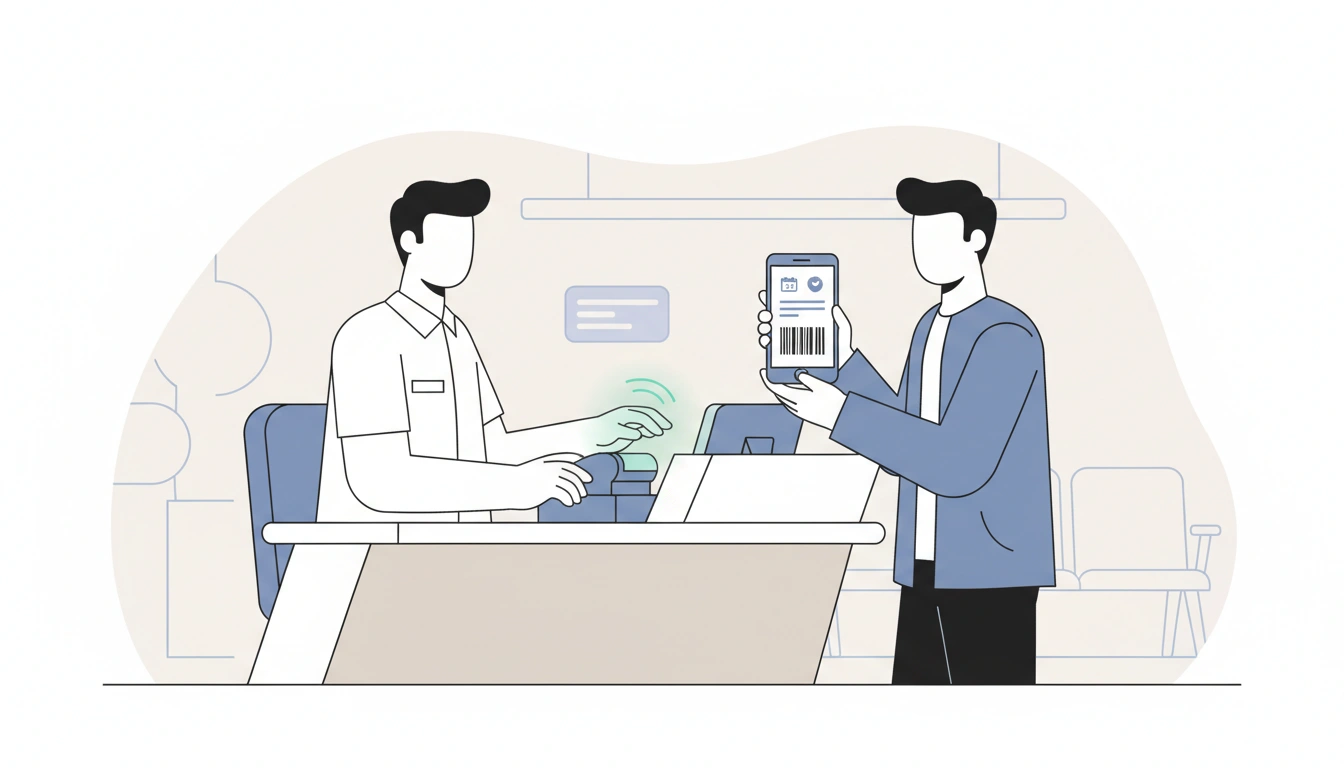
Indian applicants often treat the flight reservation as the center of the Schengen file because it fixes the trip on a calendar. In practice, it is one supporting document within a larger evidence system.
This guide explains what the reservation establishes, what it cannot establish, how the remaining document categories connect to it, how incomplete or mismatched files become risky, and how to prepare genuine flight evidence without committing to airfare prematurely.
Where a Flight Reservation Fits in an Indian Schengen Application
The European Commission’s application guidance makes the completeness test explicit: applicants need medical insurance plus supporting documents for the purpose of stay, financial means, accommodation, and intention to return. A flight reservation can support intended transport and exit timing, but it does not replace those other categories.
For the underlying document terminology—reservation versus ticket, itinerary fields, booking reference, and practical purpose—use the foundational flight reservation for visa guide. This page owns a different question: whether that reservation is sufficient when assessed as one part of an Indian Schengen application.

Before you start preparing documents, it helps to understand how the Schengen visa process actually works for Indian travelers. Once you know what the embassies expect, it becomes much easier to organize your paperwork confidently and avoid unnecessary confusion.
What the Schengen Visa Really Is
A Schengen visa is a short-term travel visa that allows you to visit 27 European countries within the Schengen area using a single visa. You can travel freely between countries like France, Italy, Germany, Spain, Switzerland, and the Netherlands without separate border checks. For most Indians, it’s a Type C visa, valid for up to 90 days in a 180-day period.
The purpose of the Schengen visa is simple—to let travelers visit for tourism, business meetings, family visits, short courses, or cultural events. It’s not meant for long-term stays or work, but it gives you the freedom to move across most of Europe once you’re inside the Schengen zone.
How the Process Works in India
If you’re applying from India, you’ll go through VFS Global, the official visa outsourcing partner for most European embassies. VFS has centers in Delhi, Mumbai, Chennai, Hyderabad, Bengaluru, Kolkata, and several other cities. They handle the initial collection of your documents, biometric data, and application form.
Here’s how the process generally flows:
- You fill out the visa application form online for the country where you’ll spend the most time.
- You book an appointment with VFS Global in your city.
- You visit the center on your scheduled date, submit your documents, give fingerprints and a photo, and pay the visa fee.
- VFS forwards your application to the relevant embassy or consulate for decision-making.
- The embassy reviews your file and makes the final call—approved, refused, or asked for more documents.
VFS Global only acts as the middleman; it cannot influence your visa result. The embassy of the country you apply to always makes the decision.
What You Need to Submit
Every Schengen embassy asks for similar core documents. A complete file usually includes:
- A filled and signed application form
- A valid passport with at least two blank pages and six months of validity
- Recent passport-sized photos
- Travel insurance covering at least €30,000 for medical emergencies
- Proof of accommodation (hotel bookings or an invitation letter)
- Proof of financial means (bank statements, income tax returns, salary slips, etc.)
- A travel itinerary showing your entry, exit, and stay plans
- A cover letter explaining your trip purpose and details
Where Flight Reservation Fits In
The flight reservation is part of your travel itinerary section. It’s simply a document that shows your planned travel route—your entry and exit dates, flight numbers, and destinations. It proves that you’ve planned your trip but doesn’t require you to buy the tickets yet.
Many Indian applicants wrongly assume they must purchase confirmed tickets before applying. This is unnecessary and risky. If your visa is delayed or rejected, you could lose a big chunk of money on cancellation fees. That’s why embassies recommend reservations instead of paid tickets—they want to see your plans, not your purchases.
Understanding this process clearly saves you both time and money. Once you know what’s expected, you can build your application the right way and avoid the common mistakes that get many first-time applicants rejected.
What a Schengen Flight Reservation Proves—and What It Does Not
By now, you know that a flight reservation is part of your Schengen visa application. But what does it actually mean, and how is it different from a real ticket? Many Indian travelers mix up these terms and end up making costly mistakes. Let’s clear that up before you apply.
A flight reservation—often called a dummy ticket—is a temporary booking made through a global airline system. It shows your intended travel plan, including flight numbers, travel dates, and routes, without you actually paying for the ticket. In short, it’s a placeholder that helps visa officers see your planned journey without locking your money into a non-refundable ticket.
You’ll get a verifiable booking reference number (PNR) that can be checked on the airline’s website for authenticity. The reservation usually remains valid for a few days or weeks, long enough to submit your visa application confidently.
How It Differs From an Actual Flight Ticket
Here’s where many applicants in India get confused.
A confirmed flight ticket means you’ve already paid the full fare. If your visa is delayed or denied, that ticket becomes useless—or worse, expensive to cancel. A flight reservation, on the other hand, lets you show intent to travel without financial risk.
Think of it like this:
- A reservation says, “I plan to fly from Delhi to Paris on these dates.”
- A confirmed ticket says, “I’ve already paid for my flight to Paris.”
Visa officers don’t expect you to gamble your money before they’ve even reviewed your case. That’s why reservations are accepted and often preferred by most Schengen embassies.
Why Consulates Review Intended Transport
The embassy’s goal is simple—they want to confirm you have a realistic travel plan and that you intend to return to India after your trip. The flight reservation helps them:
- Verify your entry and exit dates
- Match your itinerary with hotel bookings and insurance
- Ensure your travel plans make sense (for example, not flying into France but staying only in Germany)
By showing a logical route, you’re signaling that your trip is planned responsibly. This gives visa officers confidence in your intent and organization.
Example of a Typical Flight Reservation
Let’s say you’re applying through the French Embassy in New Delhi. Your reservation might look like this:
- Departure: Delhi (DEL) → Paris (CDG), March 12
- Return: Paris (CDG) → Delhi (DEL), March 25
- Airline: Air France
- Booking Code (PNR): ABC123
This shows your travel window clearly without requiring any actual payment.
Common Misconceptions in Indian Applications
You’ll hear many myths floating around on travel forums and from inexperienced agents. Here are a few common ones you should ignore:
- “You must buy a confirmed ticket before applying.” ❌
- “The embassy rejects dummy tickets.” ❌
- “You can print any fake itinerary.” ❌
Embassies accept genuine reservations generated from official airline systems. The only time applicants get in trouble is when they submit fake or unverifiable documents.
Getting this one step right can save you a lot of stress. The Schengen visa process is designed to test how well-prepared you are—not how much money you’re willing to risk. With a proper flight reservation, you meet the embassy’s requirements smartly and safely.
Is a Flight Reservation Alone Enough for a Schengen Visa? No
A current India-based checklist shows how the general framework becomes a concrete packet. The Spanish Consulate in Mumbai’s Schengen guidance lists round-trip flight bookings, accommodation for the stay, travel medical insurance, financial means, purpose evidence, and intention to leave. Its scope is applications handled through that channel; applicants must check the responsible consulate’s current list.
Exact requirements can vary with destination, purpose, residence, and application channel. The Schengen flight-reservation requirements guide owns competent-consulate rules, checklist interpretation, main-destination logic, and route/date alignment. Use it to verify the required packet rather than assuming one Indian checklist applies everywhere.
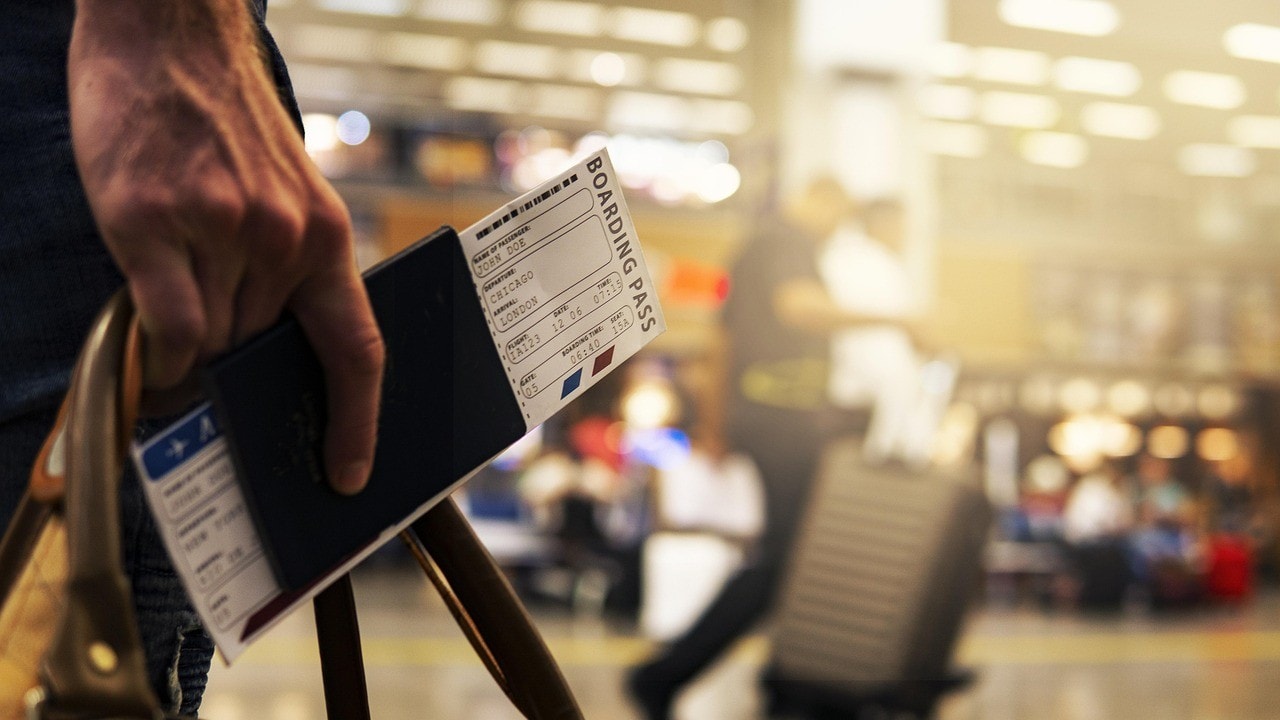
Here’s the truth you need to hear — a flight reservation alone will not get you a Schengen the visa decision. It’s a required document, yes, but only one piece of a much bigger picture. The Schengen embassies in India don’t just want to see that you’ve planned a trip; they want to be sure you’ll return home once it’s over and that you can afford the journey responsibly.
When you understand what they’re actually looking for, the checklist starts to make sense. Let’s go over what else you’ll need besides your flight reservation — and why each part matters.
Proof of Accommodation
The embassy needs to know where you’ll stay during your trip. This can be shown through:
- Hotel reservations matching your travel dates
- Airbnb confirmations
- Invitation letters from friends or family (if staying with them)
If you’re traveling to multiple countries, include bookings for each city or a detailed itinerary showing where you’ll be on which dates. Embassies like France and Italy are particularly strict about accommodation proof. They’ll often cross-check that your stay dates match your flight reservation.
Proof of Financial Means
You must show that you can support yourself during the trip without depending on anyone in Europe. The standard expectation is roughly €60–€100 per day, depending on your destination.
To prove this, include:
- Recent bank statements (last 3 to 6 months)
- Income Tax Returns (ITR) for at least one year
- Salary slips or employment certificate if you’re working
- Sponsorship letter if someone else is covering your costs
Countries like Germany and the Netherlands focus heavily on financial stability. If your account shows sudden deposits or insufficient funds, it can raise red flags.
Travel Medical Insurance
This is non-negotiable. Every Schengen embassy requires travel medical insurance covering at least €30,000 for emergencies like illness, accidents, or hospitalization.
Your insurance must be valid across all Schengen countries and cover your entire stay period. Don’t try to save a few hundred rupees here — embassies often verify your insurance provider and coverage.
Employment, Education, and Purpose Proof
Visa officers also want to see your ties to India — your reason to return home. Depending on your situation, this could include:
- Employment letter and leave approval from your company
- Student ID card and NOC from your college or university
- Business registration documents if you’re self-employed
- A cover letter explaining your trip purpose and day-by-day plan
Your cover letter should sound logical and genuine. For example, if you say you’ll visit France for ten days, your flight, stay, and daily plan should reflect that clearly.
How the Supporting Documents Work Together
Schengen countries share a common rule: they must ensure visitors have intent, means, and reason to return.
- Intent: Your flight and accommodation show that you’re organized and serious about your travel.
- Means: Your finances and insurance prove you can handle the trip.
- Return: Your job, studies, or family ties confirm you’ll come back.
That’s the mindset of every visa officer — not to deny your application, but to make sure you fit the purpose of a short-term visitor.
Checklist Differences for Applicants in India
While the core requirements remain the same, each embassy has its own focus areas:
- German Embassy: Pays close attention to employment proof and financial stability. Business or student travelers must show precise documentation.
- French Embassy: Looks for consistency across your documents — your cover letter, itinerary, and bookings should align perfectly.
- Italian Embassy: Often asks for extra clarity in hotel bookings and local transport details, especially for multi-country trips.
A flight reservation helps you start strong, but it’s just the foundation. A complete, truthful, and well-prepared application tells the embassy that you’re responsible, financially capable, and planning to return home. When you get those three points right, your Schengen visa chances rise dramatically — far beyond what any single flight document can do.
What Goes Wrong When the Rest of the Application Is Incomplete
If you’re thinking of applying for a Schengen visa with just a flight reservation, it’s time to stop and rethink. Many Indian travelers do this out of confusion or bad advice, and it’s one of the biggest reasons visa files get rejected or delayed. A flight reservation shows your travel intent, but on its own, it doesn’t prove your credibility, your ability to fund your trip, or your reason to return.
Let’s break down the main risks that come with submitting an incomplete or poorly prepared application.
Missing Supporting Documents
This is the most common and easily avoidable mistake. Many first-time applicants assume that a clean passport, a flight reservation, and a couple of photos are enough to convince the embassy. Unfortunately, that’s far from true.
Every Schengen embassy needs a complete document set before they can even start evaluating your case. If you miss critical papers like travel insurance, hotel bookings, or bank statements, your file will either be put on hold or outright refused.
Visa officers rarely request missing documents; they simply move on to the next file. The burden of proof lies entirely on you as the applicant. Incomplete submissions are treated as a sign of carelessness or lack of genuine intent.
Mismatch Between Travel Plan and Financial Proof
Another red flag that often triggers rejections is inconsistency. For example:
- Your flight reservation shows a 15-day Europe trip, but your bank statement shows just ₹50,000 in savings.
- Your cover letter says you’re visiting Paris, but your hotel booking is only for Amsterdam.
- Your job letter says you work in Delhi, but your financial activity comes from an account in another city with no connection to your employer.
Visa officers look for logical flow across your documents. If dates, destinations, or amounts don’t line up, they suspect the file is incomplete or fabricated. The goal is to present a story that makes sense from start to finish.
Fake or Unverifiable Reservations
This one’s becoming increasingly common—and dangerous. Many unverified agents and websites sell “cheap dummy tickets” that aren’t actually booked in any airline system. The PDF looks real, but the PNR number doesn’t exist or expires within hours.
Embassies in India, especially the German, French, and Dutch, now cross-check PNR codes during their screening. When a reservation fails verification, the entire file is flagged. Even if other documents are genuine, the fake ticket damages your credibility immediately.
In some cases, applicants are even blacklisted for a period for submitting falsified documents, intentionally or not.
How an Incomplete File Creates Refusal Risk
There have been several reported cases where Indian travelers faced rejection simply because they didn’t include supporting papers. Students going to France for short courses submitted only their flight bookings without valid insurance or financial proof. Families visiting Italy forgot to include hotel bookings. Business travelers applying through VFS in Mumbai submitted flight reservations but skipped updated bank statements.
All of them had their applications denied under the same clause: “Lack of sufficient justification for the purpose and conditions of stay.” That’s embassy language for “Your paperwork doesn’t back up your story.”
How Documents Can Be Cross-Checked
Visa officers are trained to spot inconsistencies. They verify your flight reservation online, review your financials, and cross-check your itinerary against accommodation details. If anything feels out of sync, they won’t waste time asking questions—they’ll mark the file incomplete or misleading.
This is why consistency matters so much. Every document should tell the same story: who you are, why you’re traveling, how you’ll support yourself, and when you’ll return.
Submitting only a flight reservation may feel like a shortcut, but it’s a trap that leads to rejection. A strong Schengen visa file is like a puzzle—each piece matters. When all your documents connect smoothly, you’re not just meeting the requirements; you’re showing the embassy that you’re a trustworthy traveler who deserves approval.
How to Prepare Verifiable Flight Evidence Without Buying Too Early
Once the complete document categories are known, use the complete flight-reservation planning framework for reservation timing, verification, date-change control, and cross-document consistency. This article establishes that a flight reservation is only one component; the pillar explains how to manage that component through submission and review.
If you’re applying for a Schengen visa, you already know that a flight itinerary is one of the most important documents in your file. But here’s the tricky part—most visa applicants in India aren’t sure how to get a flight reservation that’s valid for embassy submission without actually buying the ticket.
The truth is, you don’t need to pay the full price of an airline ticket to satisfy the visa requirements. You just need a genuine, verifiable reservation that meets official standards.
Let’s look at how this works and how you can get one safely.
How Temporary Flight-Reservation Services Work
A genuine dummy flight reservation (a dummy flight ticket, legal for embassy applications) is created through a Global Distribution System (GDS) used by many airlines and professional travel agencies. It’s not a fake ticket generator; it’s a temporary flight reservation linked to a real airline itinerary.
Here’s how it works:
- You provide your flight details—your name, travel dates, and destinations.
- The system books a temporary seat through GDS with a booking ID and airline code.
- You receive a verifiable flight itinerary required for your Schengen visa application.
- The reservation stays active for a few days or until your visa appointment is complete.
This is what embassies expect: a Schengen visa flight itinerary that shows you have a planned route but haven’t yet made full payment. Once your visa is approved, you can then buy tickets directly from the airline or through your travel agent.
Why Fabricated or Unverifiable PDFs Are Unsafe
Not all services are equal. Many websites pretend to create bookings but instead send out fake ticket generators that produce random PDFs. These documents don’t exist in any airline database, and consular officers can easily verify that. Submitting them can delay or even cancel your application.
Always make sure your reservation includes a booking confirmation from a legitimate travel agency that works with real reservations. A good provider will use major airlines like Lufthansa, Air France, or Emirates to generate your temporary flight reservation, ensuring that your airline itinerary can be checked online.
If you use unverified sellers, you risk submitting a reservation that expires too soon or doesn’t match your accommodation bookings. That inconsistency can get your application flagged.
What to Check Before Using a Reservation Provider
Here’s why Indian travelers choose us:
- Instant, Embassy-Accepted Documents: Receive your PDF immediately after payment.
- Real Reservations, Not Mockups: All our bookings are connected to global airline systems.
- Free date changes within the same day of booking: Change your dates free on the day you book.
- Low Cost, High Value: For a small fee, you get a valid reservation instead of risking thousands on refundable fares or an actual ticket.
- Safety and Consistency: Every document is formatted to meet consular office standards under European Commission guidelines.
- Instant Delivery Anywhere: You can even get a flight reservation instantly while sitting at the embassy.
We understand that embassies don’t want you to lose money by booking a round-trip ticket or a non-refundable plane ticket before approval. That’s why we help you hold reservations for your application period—no stress, no financial risk.
The process is simple:
- Search for flights using your personal and travel details.
- Select the service you want—flight or hotel.
- Confirm and pay a small fee.
- Download your real reservation instantly.
We even help you avoid flights that pass through transit countries requiring a visa, keeping your itinerary aligned with Schengen visa requirements.
Use a Complete-File Submission Workflow
With our service, you get the benefit of a reserved seat in the system, proper documentation, and peace of mind knowing your papers meet all official standards. Once your visa expires or you’re ready to travel, you can book your original air ticket without losing time or money.
Disclaimer: This guide provides general editorial information, not legal advice or a guarantee of a visa outcome. Requirements vary by competent consulate, destination, purpose, residence, and application channel. Confirm the current official checklist and submit only genuine information and documents.
Flight Reservation and Schengen Visa FAQ
Is a flight reservation enough for a Schengen visa from India?
No. It can support the intended route and departure plan, but a complete application also needs the passport and form, insurance, purpose evidence, accommodation, financial evidence, and other documents required by the responsible consulate.
Do I need to buy a confirmed flight ticket before applying?
Usually the controlling checklist determines whether a reservation or booking is sufficient. Do not assume a non-refundable purchase is required; follow the responsible consulate’s current wording.
What does a flight reservation prove?
It shows the intended passenger, dates, route, flight segments, and booking details. It does not by itself prove sufficient funds, accommodation, insurance, employment ties, or the genuine purpose of travel.
What documents should match the flight reservation?
The application form, hotel dates, travel insurance, leave approval, invitation or itinerary, and financial plan should all match the same travel window and route.
Can a fake flight PDF cause problems?
Yes. A fabricated, edited, or unverifiable document can create a serious credibility issue. Use genuine information and a reservation that can be checked through the appropriate booking channel while active.
Do all Schengen consulates in India ask for identical documents?
No. The common Schengen framework is supplemented by destination-, purpose-, and channel-specific checklists. Always use the current list for the competent consulate handling the application.
Can the consulate ask for more documents after submission?
Yes. Official EU guidance states that consulates may request additional documents. Keep the underlying trip facts and supporting records consistent and available.
What is the safest final check before biometrics?
Confirm exact passenger identity, route and date alignment, complete accommodation coverage, valid insurance, sufficient financial evidence, purpose documentation, and compliance with the current checklist.
Friendly reminder: BookForVisa provides travel-proof documents for planning and visa-application support. Requirements vary by destination, consulate, visa category and applicant situation. A flight reservation can support a file, but it does not guarantee approval, boarding or entry.