Can You Change Travel Dates After Visa Approval?
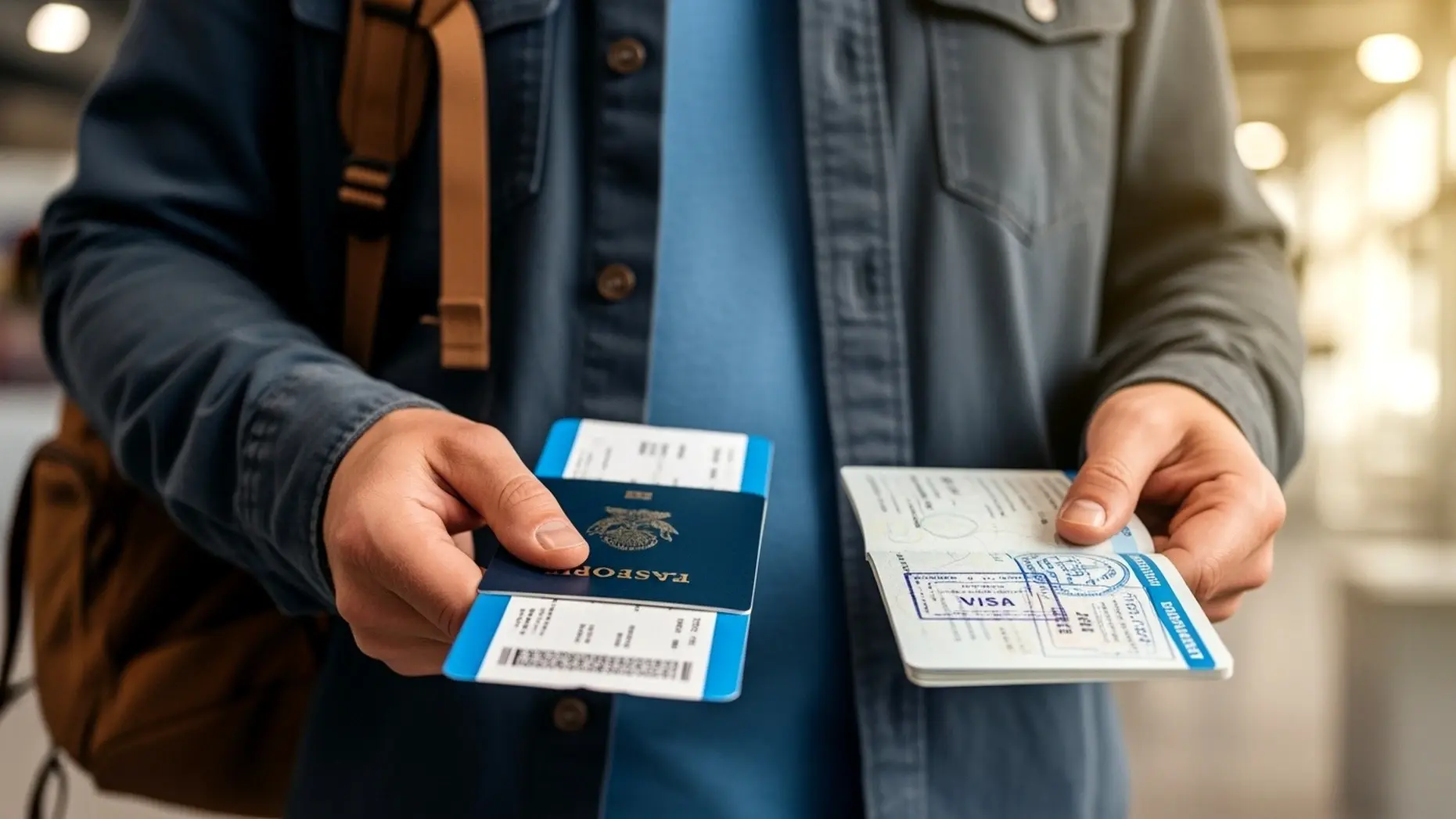
Your visa is approved, your passport is back, and then life shifts. The conference moves a week later, the airline cancels your route, your employer changes leave dates, or family timing changes after the visa was issued. Now the question becomes practical and serious: can you change flights without creating trouble at check-in or on arrival?
The answer depends less on the original flight reservation and more on the visa's hard limits. A visa sticker, eVisa, grant letter or approval notice normally controls entry validity, stay length and number of entries. If your new itinerary still lives inside those limits and still makes sense for the same trip purpose, changing flight dates is often routine. If the new itinerary falls outside those limits, the issue is no longer flight management. It becomes a visa-document problem.
This guide helps you read the approval correctly, separate low-risk date changes from risky ones, update the flight reservation cleanly, understand what airlines and border officers check, and decide when to contact the issuing authority or reapply instead of simply rebooking flights.
In This Guide
- What your visa approval actually allows
- The 60-second date-change decision map
- Low-risk travel date changes
- Date changes that can create trouble
- How to update your flight reservation after approval
- Airline check-in vs immigration checks
- Special visa scenarios with different rules
- When to contact the issuer or reapply
- Airport-readiness checklist
- FAQ
What Your Visa Approval Actually Allows
Your visa being approved does not mean your flight dates are locked forever. It also does not mean you can travel on any date you prefer. The visa approval gives permission within a defined legal frame. Your new flights must fit that frame.
Read The Three Fields That Control Date Flexibility
Most short-stay visas or visa grants are controlled by three concepts:
- Validity window: the date range when the visa can be used for entry or travel. A Schengen sticker has "from" and "until" dates. Other countries may use language such as "must not arrive after."
- Duration of stay: the number of days you may remain after entry. A visa may be valid for months but permit only 15, 30, 60 or 90 days of stay.
- Number of entries: whether the visa permits one entry, two entries or multiple entries. This matters when a changed route leaves and re-enters a visa area.
The Schengen Visa Code explains that a uniform visa can be issued for one, two or multiple entries, and that the visa sticker includes both the period of validity and the duration of stay. The "duration of visit" field indicates the days the holder may stay, while the number-of-entries field controls how many periods of stay are allowed. EU Visa Code
Once you understand those three fields, the flight-date question becomes easier. The airline can move your departure. You can change a reservation. But you cannot make the visa start earlier, last longer or allow an extra entry just because the new flight is cheaper or more convenient.
Flight Date Changed Vs Permitted Entry Window Changed
If your Schengen Type C visa is valid from April 1 to June 30 and your outbound flight moves from April 10 to April 24, the problem is usually simple. You are still arriving inside the validity window. You need to make sure the return date fits the permitted stay days and that the route still matches the number of entries.
If your outbound flight moves from June 24 to July 10 on that same visa, the issue changes. Your new arrival is after the visa validity ends. That is not a normal date change. It is a legal mismatch.
A Canadian visitor visa gives a different example. Canada explains that a visitor visa is an official document placed in the passport showing the traveler meets requirements to travel, and most visitors can stay for up to six months unless a border services officer authorizes a different period. If you already have a valid visitor visa, you can use it until it expires, but the officer at the port of entry still controls the stay period. Canada visitor visa guidance
That difference is important. A multi-year Canadian TRV may tolerate many changed flight dates, but the trip still needs to look temporary and credible at arrival. A short-validity Schengen, Japan or event-linked visa may be far less forgiving when the first arrival date moves.
First Entry Often Matters More Than Return
Most hard problems appear on the first entry date. If your visa is valid from May 1, a flight that lands on April 30 creates a problem before your trip begins. Airline staff may deny boarding because the landing date is before the visa starts.
Return dates are usually more flexible, but only inside the stay rules. If your visa allows 15 days and you enter on May 10, the return must not show a stay that visually exceeds the permitted duration. Overnight flights and time-zone crossings can make this confusing, so count arrival and departure dates carefully.
This is why you should read the itinerary by landing date, not only by departure date. A traveler leaving India, Nigeria, Pakistan or the Gulf late at night may arrive in Europe, Canada, Australia or the UK the next calendar day. If the departure date looks safe but the landing date is outside the visa window, the airline will normally care about the landing date because that is when you ask to enter.
The return date has its own calendar trap. Some flights depart on the final allowed day but arrive home the next day. That is usually fine when the departure from the destination occurs inside the permitted stay. But if your itinerary shows you still inside the destination after the allowed stay ends, it can look like an overstay risk. The safest habit is to count your stay conservatively and avoid using the final hour of permission unless you have no other option.
For UK travel, GOV.UK currently tells travelers not to travel before the visa application is approved and to check eVisa or vignette details before travel. If a valid vignette is held, it can be used until it expires, and errors should be reported through the correct route. GOV.UK travelling after visa decision
That official framing applies beyond the UK as a principle: the travel date has to respect the current visa evidence. If the first arrival falls outside the permission, a new flight booking will not fix the legal mismatch.
Original Itinerary Dates Are Evidence, Not A Permanent Contract
Many applicants worry because the embassy saw one itinerary during the application, while the traveler now wants to use another itinerary after approval. In most ordinary visitor scenarios, the itinerary submitted during the application is evidence of intended travel at that time. It is not automatically a permanent flight contract after the visa is issued.
The new itinerary becomes risky only when it contradicts the permission that was granted or makes the application story look materially different. A one-week shift for the same tourism trip is not the same as changing a five-day conference trip into a thirty-day stay after the conference has ended. The first is travel management. The second can look like a changed purpose.
Use this simple distinction:
- Acceptable adjustment: same destination, same purpose, similar duration, new dates inside validity.
- Needs proof: event, employer leave, hotel or host dates changed and you have updated supporting evidence.
- High-risk change: new dates break visa validity, stay days, entry count or the reason the visa was issued.
This distinction keeps the article’s main advice realistic. You do not need to freeze your life around the exact reservation used during submission. You do need to keep the approved trip inside the boundaries that the visa authority granted.
Single-Entry Visas Are Easy To Break Accidentally
Single-entry visas can be flexible on dates, but unforgiving on movement. If the revised trip stays inside the validity window and remains one continuous entry, a date shift may be fine. If the revised route exits and re-enters the same visa area, a single-entry visa can fail even when all dates are inside the printed range.
Example: a single-entry Schengen visa issued for New York to Paris and return. Moving the Paris arrival from June 5 to June 12 may be fine if the validity and stay days still fit. But revising the route to Paris, then London, then back to Paris creates a second Schengen entry. That is not a flight-date issue. It is an entry-count issue.
Keep single-entry travel continuous:
- one arrival into the visa area
- no side trip outside the visa area before final departure unless re-entry is allowed
- return or onward plan that does not imply a second entry
- hotel and itinerary dates matching the single continuous stay
Multiple-Entry Visas Are Flexible But Still Need A Coherent Story
Multiple-entry visas reduce legal friction but can increase narrative questions. A U.S. B1/B2 visa, for example, is not tied to one flight reservation, but the officer at the port of entry still evaluates the purpose and temporary nature of the visit. A multiple-entry Schengen visa may allow a new first entry, but the first trip can still be a credibility checkpoint if it looks completely different from the plan that supported issuance.
Watch for purpose drift:
- business trip becomes a long leisure stay after the event date has passed
- short visit becomes repeated long entries with short gaps
- Schengen main destination changes completely without a practical reason
- student or work arrival shifts beyond the start date or reporting window
- new route makes the trip look open-ended instead of temporary
Multiple entries give options. They do not remove the need for a coherent travel story when the new flights are reviewed at check-in or at the border.
Decision Map: Can I Move My Dates In 60 Seconds?
If you want a fast answer before reading the rest of the guide, use this order. It mirrors how document problems usually appear in real travel: first legality, then logistics, then credibility.
- Check the visa start date against the new landing date.
- Check the visa end date against the new landing date.
- Count the stay days from arrival to departure.
- Check whether the route leaves and re-enters a visa area.
- Check whether the new timing still matches the visa purpose.
- Update flight, accommodation and insurance evidence together.
If all six checks pass, the date change is usually in the low-risk zone. If one fails, stop and repair that exact problem before buying or uploading anything else.
The 60-Second Date-Change Decision Map
Keep your visa sticker, eVisa, grant letter or approval notice open while you check the new flight dates. Do not rely on the original reservation. Read the approval itself.
- Does the new arrival date fall inside the visa validity window?
- Will the new return date still fit the allowed stay length?
- Does the revised routing respect the number of entries?
- Does the new plan still match the visa type and trip purpose?
- Does any official start date, event date or reporting deadline still work?
- Do hotels, insurance, invitation, leave and itinerary dates still match?
| Answer Pattern | Risk Level | Action |
|---|---|---|
| Inside validity, inside stay days, same entries, same purpose | Low | Update the flight reservation and travel with a clean current itinerary. |
| Inside validity, but route or purpose looks different | Medium | Update the reservation and carry a short factual explanation plus matching supporting proof. |
| Dates moved outside validity or stay allowance | High | Contact the issuer, check correction/reissue options or prepare to reapply. |
| Single-entry visa now needs re-entry | High | Change the route or seek the correct visa; do not travel on the mismatched route. |
| Long-stay first-entry window missed | High | Use the official replacement, eVisa, transfer or reissue process before travel. |
If you need the broader reservation planning system behind date changes, route choice and cross-document consistency, use the complete flight reservation for visa guide. This article owns the post-approval decision: whether your new dates still fit the visa you already have.
Low-Risk Travel Date Changes

Once your new dates sit cleanly inside the visa's printed or digital limits, most changes become routine travel administration. The goal is to keep the revised flight plan easy to verify and easy to believe.
Moving Dates Within The Same Entry Window
This is the quietest change. Your entry date moves, but it remains inside the visa validity window. A Schengen Type C visa valid May 1 to August 15 can normally support a May 10 arrival, a May 24 arrival or a later date in that same window, provided the stay duration and entry count still fit.
The same idea appears in many systems:
- a Japan short-stay visa arrival stays inside the visa validity
- an Australian visitor grant is used before the "must not arrive after" date
- a Canadian visitor visa is used before expiry and the stay remains temporary
- a UK eVisa or vignette is used only while the travel evidence is valid
What makes the change low-risk is that the story remains the same. You are not changing the country, purpose, stay length or legal entry structure. You are only moving the calendar.
Keep the change proportionate. A two-day shift because the cheaper flight is on Monday is ordinary. A six-week shift can still be legal, but it deserves a fresh look at the supporting story. If your employer leave letter, host letter or hotel stay no longer matches, the new flight is not the only document that changed.
For tourism, the safest version is boring in a good way: same city pattern, same rough trip length, and a new booking that sits inside the visa. For family visits, keep the new arrival inside the host’s available dates. For business visits, keep the new date close to the meeting, conference or invitation window.
Same Route, New Day
Airlines and border officers read routes as a story. When the route stays the same, a date change usually feels normal.
Low-friction examples:
- same departure airport and same arrival airport, only the date shifts
- same airline changes flight number after a schedule update
- same Schengen entry city, with hotel dates updated to match
- same UK arrival city, but one week later because leave dates moved
- same Canada visit city, but a new flight after an airline cancellation
The route still supports the visa purpose. That is very different from changing a Paris-centered trip into a Berlin-centered trip or turning a business visit into a long leisure stay.
Return Date Still Matches Allowed Stay Days
Airlines often do a fast logic check: does the visa appear to allow the trip length shown on the itinerary? Avoid making a gate agent do complicated date math.
Clean return-date habits:
- If the visa allows 15 days, avoid a return that appears to create a 16- or 17-day stay.
- If the visa allows 30 days, avoid using every last hour if overnight flights make the date count unclear.
- If you travel often on Schengen permission, check the broader short-stay calculation as well.
- If the country uses a border officer to determine stay length, carry a return or onward plan that supports temporary intent.
This is not fear. It is reducing friction. A clean return date helps the airline and border officer see the trip quickly.
Return changes can also affect the credibility of funds and ties. If your visa application described a seven-day trip and your new return shows a thirty-day stay, the legal stay may still fit some visas, but the new plan can raise questions about money, work leave and return obligations. That is especially true for visitor visas where the border officer still has discretion at arrival.
A practical rule: if the return date changes by a few days, update the reservation. If it changes the nature of the stay, update the supporting evidence too. If it makes your stay look open-ended, choose a clearer return date before travel.
Changes Caused By Normal Travel Disruption
Some date changes come with a built-in explanation. Airline schedule changes, flight cancellations, missed connections and route suspensions happen to travelers every day. If the replacement trip still fits the visa, the disruption itself is usually manageable.
Carry one simple proof if the disruption may be questioned:
- airline email showing schedule change
- rebooking confirmation that references the cancelled segment
- app notification showing the new flight
- updated itinerary that matches the visa window
Do not build a thick folder of screenshots. One clean proof is usually better than several conflicting documents.
When a flight is suspended or cancelled after visa approval, rebuild the trip in the least dramatic way possible. Keep the same destination if practical. Keep the same trip length if your leave and hotel dates allow it. Avoid using the disruption as a reason to redesign the whole journey unless you truly need to.
A good disruption workflow is:
- Identify whether the change affects departure, arrival, return or transit.
- Check the new arrival against visa validity.
- Check the new return against stay days.
- Check whether the new transit route creates a new visa requirement.
- Save the airline notice and current itinerary together.
- Update hotels, host dates and insurance only if the date boundary changed.
This avoids the common mistake of fixing the flight but leaving the rest of the file in the old timeline.
Update What The Gate Agent Sees First
At check-in, staff react to what they can verify quickly. Make the visible documents easy to read.
Update or verify:
- name matches passport
- arrival date fits visa validity
- return date fits stay allowance
- route matches the number of entries
- booking reference is clear
- current itinerary is saved offline and printable
- old reservation versions are not mixed into the file
For the basic contents of a clean reservation, use the foundational flight reservation for visa guide. This post-approval guide focuses on how that reservation should be refreshed after the visa has already been issued.
Small Signals To Avoid Even In Low-Risk Changes
Even a legally allowed date change can invite questions if the new itinerary looks careless.
- Do not land before the visa starts because your departure city date is earlier than the arrival date.
- Do not show a stay longer than the permitted days.
- Do not pair a single-entry visa with a route that exits and re-enters.
- Do not keep a cover letter or hotel booking with old dates if you may present it at the airport.
- Do not use three different itinerary PDFs with three different date ranges.
Low-risk changes stay low-risk because they remain clean. The moment the documents disagree, the date change becomes harder to explain.
When Not To Rush The Update
Some travelers update documents too quickly and create version drift. If your trip is still moving, wait until the new travel window is stable before creating the final reservation you plan to carry. A half-updated file with three possible dates can look worse than a clearly updated file created a little later.
Do not rush the update when:
- your employer has not confirmed new leave dates
- the airline has not finalized the replacement route
- the event organizer has not published the new schedule
- your host is still confirming availability
- the new route may require transit permission
Once the new travel window is stable, issue one current reservation and retire the old versions from your travel folder.
Date Changes That Can Create Trouble

Some changes look small but alter the meaning of the trip. These require more care because they can create trouble at check-in, arrival or future visa applications.
The Outside-Validity Problem
If the new trip starts after the visa expires, do not treat it as a flight change. Treat it as a visa issue. A Schengen visa ending August 15 cannot support a flight that lands August 16. A short-stay visa that begins April 10 cannot support arrival on April 8.
In these cases, the route can be perfect and still unusable because the legal entry date is wrong. Your options are usually to move the flight back inside validity, ask the issuer about correction or replacement if the issue is an official error, or apply again if the trip must happen later.
Do not rely on the argument that your original reservation had earlier dates. The officer or airline is looking at the visa you hold and the flight you now want to take. If those two documents do not match, the original application itinerary will not rescue the new trip.
Outside-validity issues are also common with first-entry stickers, temporary vignettes and letters of introduction. The document may be linked to a short entry window even when the final permission after arrival would last longer. If the first-entry document expires before you travel, you may need a formal replacement route rather than a new flight reservation.
Season-Switch Changes That Look Like A Different Trip
A date move from one week to the next may be harmless. A date move from spring conference dates to late-summer tourism dates can look like a different purpose. This is especially sensitive when the visa was supported by an invitation, event schedule, business meeting, school intake or approved leave.
Watch for purpose drift:
- business meeting date passed, but the new trip is much longer
- conference ended, but the new arrival remains weeks later
- student intake moved, but the itinerary does not match the new start date
- family event timing changed, but invitation still shows old dates
- seasonal trip now has different activities and a different route
If the event itself moved, carry updated proof. Keep it official and short: revised invitation, new event schedule or updated enrollment note.
Large Gaps In The Submitted Itinerary
Large gaps can appear when you change flights but forget the supporting documents. Your flight says July 20, the hotel begins July 24, the invitation says July 15 and insurance starts July 21. Each item may be explainable alone, but together they look careless.
After any date change, check:
- flight arrival date
- first hotel night or host stay
- return or onward date
- insurance dates
- leave approval
- invitation dates
- event or enrollment start date
- day-by-day itinerary
If the new dates create a real gap, explain it with evidence or correct the documents. Do not hope the reviewer or gate agent ignores it.
Some gaps are legitimate. A late-night arrival may require a hotel booking that starts the previous calendar date. A long transit may explain why the accommodation starts a day after departure. A host stay may cover nights that are not visible in hotel proof. The key is that the gap should be explainable from the documents, not from a long verbal story at the airport.
Before travel, build one timeline from departure to return. If every night and date boundary is accounted for, the gap risk drops sharply. If you cannot explain where you are staying or why insurance begins later than arrival, fix the document before you fly.
Entry-Point Shifts
Changing the first entry city can be harmless or sensitive depending on the visa. For Schengen, first entry and main destination logic can matter. If your visa application centered on France and your updated route now enters Germany for practical flight reasons, the legal problem may be small, but the explanation should be ready if the overall route looks different.
Keep entry-point shifts lower-risk by preserving the trip center:
- new first entry still leads naturally to the main destination
- hotel nights still support the original main stay
- route change is driven by flight availability, not a new purpose
- stay length remains proportional to the original plan
- return or onward logic remains clear
For Schengen-specific route and date alignment, the Schengen visa flight reservation requirements guide gives the jurisdiction-specific checklist view. This page keeps the broader post-approval workflow separate.
Purpose Drift
Purpose drift is when the new flight dates quietly turn the trip into something else. A business visit becomes a long leisure stay. A wedding trip becomes open-ended. A student arrival no longer matches the start date. A short tourism plan becomes repeated weekend entries.
Purpose drift does not always violate the visa on paper, but it can change how the trip is read at the border. If your new dates raise the question "Why now?" prepare a short factual answer and matching evidence.
Purpose drift is more likely when the supporting anchor disappears. If the visa was supported by a wedding invitation and the wedding has passed, a much later arrival may need a refreshed host letter or a new reason. If the visa was supported by a conference, a new trip after the conference needs a credible replacement purpose. If the visa was supported by leave approval, the new dates should still sit inside approved leave.
Do not solve purpose drift by pretending nothing changed. Solve it by keeping the revised trip honest, narrow and documented.
How To Update Your Flight Reservation After Approval
Once the visa is approved, the flight reservation should be updated only to reflect the current travel plan. It should not rewrite the whole visa story unless the story truly changed.
What Updated Should Mean
An updated reservation should show a current, coherent route that fits the approval. It should not show several route options, old cancelled flights or a speculative itinerary that falls outside the visa dates.
A clean updated reservation includes:
- same passenger name as passport
- new arrival date inside visa validity
- return date inside permitted stay
- route that respects number of entries
- arrival city that fits the purpose
- booking reference or itinerary reference where available
- no expired old version attached beside it
Updated does not mean edited by hand. Avoid changing dates inside an old PDF, cropping screenshots or mixing a real visa with a fabricated itinerary. If the booking needs to change, create or obtain a current reservation through a normal booking channel and keep the details internally consistent.
The strongest updated reservation is boring: one passenger name, one route, one arrival date, one return date and one clear booking reference or itinerary reference. It does not try to explain the whole application history. It simply shows the trip you now intend to take.
Changing The Same Booking Vs Creating A New Reservation
Changing the same booking can look cleaner when the airline keeps the same record and simply moves dates. Creating a new reservation can be cleaner when the old route is cancelled, expired, unusable or tied to a carrier that no longer serves the route.
| Situation | Cleaner Action | Why |
|---|---|---|
| Same airline, same route, date moved | Change the booking or reservation | The travel story remains stable. |
| Original route cancelled | Create a fresh reservation | A current route is clearer than defending a dead one. |
| Visa dates still fit, but hotel dates changed | Update flight and hotel proof together | Prevents date gaps across documents. |
| New dates fall outside validity | Do not rely on reservation update | The visa must be corrected, replaced or reapplied for. |
Consistency Checklist For Updated Reservation
Before travel, compare the updated reservation against every document you may show.
- visa validity and arrival date
- duration of stay and return date
- number of entries and route sequence
- hotel or host proof dates
- travel insurance dates where applicable
- invitation or event date
- leave approval or school/work timing
- passport used for the visa and booking name
If your visa interview or application used a different itinerary, do not panic. Officers understand that travel dates can move. The issue is whether the current trip is still compatible with the visa conditions and purpose.
Timing: When To Update The Reservation
Update the reservation when the new dates are stable enough to travel on. Updating too early can create another stale document if the airline changes again. Updating too late can leave you scrambling at check-in.
Good update timing:
- after the visa is issued and you know the validity window
- after employer leave or event dates are final
- after airline rebooking is confirmed
- before check-in opens if airline document checks are strict
- before updating hotels and insurance if the flight date controls those dates
If the date change is airline-driven, wait for the airline’s official replacement confirmation before rebuilding every supporting document. If the date change is personal, confirm your leave, host and accommodation first so the updated reservation does not become another draft.
If Your Visa Application Used A Different Itinerary
This is one of the most common anxieties. You submitted one flight reservation during the visa application. The visa was approved. Now the actual flight is different. In ordinary visitor cases, that is not automatically a problem. Travel plans often change between application and departure.
The clean answer is not to carry the old itinerary and argue with it. The clean answer is to carry the current itinerary and show that it fits the issued visa. If the trip purpose, stay length and destination logic remain the same, the old itinerary usually becomes background history.
Still, avoid major contradictions:
- old application said five days, new trip shows two months
- old application was for a fixed event, new trip is after the event
- old application centered on one country, new trip centers on another
- old application showed single-country travel, new route requires re-entry
- old application had strong return evidence, new trip has no clear return
If the change is major but legitimate, carry the updated anchor document. That may be a new invitation, event reschedule, updated leave approval or airline cancellation notice.
Updated Reservation Pack
Travel with one clean set, not a cluttered archive.
- current flight itinerary or reservation
- current hotel or host proof if dates changed
- current insurance if required and updated
- one airline schedule-change notice if the change was airline-driven
- updated event proof if the event moved
- both passports if the valid visa is in an older passport and the country permits travel that way
Do not carry multiple competing versions unless there is a specific reason. The more versions you show, the more explanation you create.
Airline Check-In Vs Immigration Checks
Airlines and border officers care about different things. Understanding that difference helps you prepare the right document for the right checkpoint.
Airline Check-In
The airline's immediate concern is whether it can carry you to the destination without document problems. Check-in staff may verify visa validity, passport validity, arrival date, onward or return proof, transit requirements and whether your itinerary appears to exceed the permission shown.
Airline-facing risks:
- arrival before visa validity starts
- arrival after visa expires
- return date appears beyond permitted stay
- single-entry visa paired with a route requiring re-entry
- transit route requires additional permission
- visa is in an old passport but the traveler forgot to carry it
Airline staff are not trying to re-decide your visa application. Their job is practical: can they transport you without a document problem at destination or transit? That is why your updated itinerary should make the document check easy. If the agent has to compare three PDFs, count unclear stay days and interpret a side trip, the risk of delay rises.
For complicated routes, check the carrier’s document rules before travel. A revised itinerary with a new transit country can create a separate requirement even when the final destination visa is valid. This is one of the easiest ways a harmless date change becomes a boarding problem.
Immigration Or Border Officer
The border officer is more likely to ask whether the trip makes sense under the visa category. The old flight date matters less than the current purpose, stay length and intention to comply.
Border-facing risks:
- new dates make the visit much longer than the stated purpose
- event or business purpose no longer exists on the new dates
- frequent long stays suggest residence rather than visits
- first entry no longer matches the route logic of a Schengen file
- return or onward plan is unclear
Border officers may not care that your application flight was different if the current trip is clear. They are more likely to care whether the current plan matches the visa category. A visitor should look like a visitor. A student should look aligned with study timing. A business traveler should still have a business reason. A family visitor should still have a host or family context.
This is where a short explanation helps. You are not asking permission to ignore the visa. You are showing that the date changed while the trip remained compliant.
Clean Explanation Script
If asked, keep the explanation short. You do not need a defensive speech.
- "My visa is valid for this arrival date, and I updated the flight after my schedule changed."
- "The return date still fits the permitted stay shown on the visa."
- "The event date moved, and this is the updated invitation."
- "Only the flight date changed; the purpose and stay length are the same."
Avoid saying the trip is open-ended, that you will decide later how long to stay, or that you did not check the visa validity. Those answers make a simple date change sound unstable.
Printed Vs Digital Itinerary
A digital itinerary is often enough, but a printed copy can help when you transit through multiple airports or expect document checks. Keep one PDF offline on your phone and one printed copy if the route is complex.
For UK travel, GOV.UK explains that travelers should check eVisa details before travel and use the visa vignette until it expires if they were issued one. In a digital-status environment, screenshots alone may not be enough if the official account is the source of truth, so follow the current UKVI account guidance for your route. GOV.UK eVisa and vignette travel guidance
Printed copies matter most when internet access is unreliable, airport staff need to compare dates quickly or your route includes a transit desk that may not accept a long explanation from a phone screen. Digital evidence matters most when the visa status is held in an official account rather than a printed sticker.
Use both when the trip is important: official digital status where required, and a printed current itinerary for fast date comparison.
Special Visa Scenarios With Different Rules
Some visas are more flexible than others. The same date change can be harmless on one visa and serious on another.
Fixed Event Or Fixed Travel Date Visas
If your visa or supporting documents are tied to a specific event, appointment, intake, meeting or program, date changes need closer review. The visa may still be valid, but the reason for the trip may no longer align.
Keep the new flights aligned to one clear anchor:
- arrive close to the event window
- keep stay length proportional to the purpose
- carry updated event proof if the date moved
- avoid floating dates that make the trip look indefinite
The more the visa was justified by a fixed event, the closer your new dates should stay to that event. If the event moved, the new event evidence should move too. If the event did not move and you are arriving long after it, the trip purpose may no longer be the same.
Examples that deserve caution:
- conference visa support letter shows March 10, but new arrival is April 5
- wedding invitation shows June 14, but new arrival is July 1
- school reporting date is September 1, but new arrival is late October
- business meeting invitation shows one week, but new itinerary shows a long stay
When dates move for a real reason, update the anchor evidence. Do not make the flight reservation carry the whole explanation by itself.
Long-Stay Visas And First-Entry Windows
Long-stay visas can create false confidence. A long-term permission may still require first entry inside a shorter window. If the first-entry window is missed, the traveler may need a replacement, transfer, reissue or new application depending on the country.
UK guidance gives one concrete example. GOV.UK explains that in most cases travelers should use an eVisa instead of a vignette, but also explains replacement routes for expired 90-day visa vignettes and notes that if an expired vignette is for something other than 90 days, such as a visitor visa, a new visa may be needed. GOV.UK replace a physical visa outside the UK
For long-stay travel, treat date changes as compliance planning:
- check the first-entry window
- check school, employer or sponsor start dates
- check registration or residence-permit deadlines
- keep proof if the start date moved
- do not assume a long visa means you can enter any time
Multiple-Entry Visas After First Use
If you already entered once and want to change dates for a later trip, validity is not the only issue. You also need to manage remaining stay allowance and travel-history patterns.
For Schengen, track your entry and exit days carefully under the short-stay framework. For Canada and the UK, repeated long visits can still invite questions even when the visa remains valid. For U.S. B1/B2 travel, the visa may remain valid for years, but each entry is still assessed at the port of entry.
Practical habits:
- keep a simple record of previous entry and exit dates
- avoid back-to-back long stays if the category is short-stay visit
- keep a clear return plan for each trip
- make the new trip purpose easy to explain
The second or third trip can be easier because the visa has already been used successfully. It can also be more sensitive if the pattern starts looking like residence. A traveler who repeatedly stays close to the maximum duration may receive more questions than someone taking ordinary short visits.
For later trips, ask whether the new date change changes the pattern. One postponed family visit is normal. Repeated long stays with weak home-country timing can look different.
Canada POE Letters And Entry Deadlines
Some Canadian approvals use a Port of Entry letter rather than a visitor visa sticker. IRCC explains that the POE letter includes a "Permit validity" date and that the traveler must come to Canada before that date. If the validity date has passed and the traveler has not yet come to Canada, they must submit a new application, and the POE letter validity cannot be extended. IRCC POE letter validity
That is a clear example of why changing travel dates after approval can cross from simple rebooking into a new-application problem. If the approval document says you must arrive before a date, the flight must respect that date.
Australia Visitor Grants And Travel Restrictions
Before changing travel dates for Australia, check your visa grant notice and your current in-effect visa details in Home Affairs’ visa details and conditions guidance. VEVO shows the visa expiry date, the "must not arrive after" date, the permitted period of stay and applicable conditions. A new flight reservation does not extend these dates or change your visa conditions.
The practical rule is simple: do not rely on memory. Check the grant notice and current visa status before changing the flight.
Schengen Single-Entry Vs Multiple-Entry Changes
Schengen date changes need two checks at the same time: the sticker dates and the entry structure. A single-entry visa can often support a later arrival inside validity, but it cannot support a route that exits Schengen and enters again. A multiple-entry visa may support the route, but the short-stay day calculation still matters.
Keep Schengen changes clean by preserving the main destination logic. If the application was built around Italy and the new first flight lands in France because of availability, make sure the hotel nights and itinerary still show why Italy remains the main destination if that was the basis of the application. The route should not accidentally make another country look like the real trip center.
Japan, Korea And Precision-Heavy Visitor Files
Some visitor applications are reviewed with a strong expectation of precise itineraries. After approval, a small flight-time or date shift may be manageable if the stay remains inside the visa validity and the day plan still makes sense. A large shift that breaks the first-day hotel, tour or city plan can create avoidable friction.
For precision-heavy files, update the day-by-day itinerary if you plan to carry it. Do not arrive at night and keep a first-day plan that assumes a morning arrival. Do not shift departure by several days and keep hotel proof frozen on the old calendar.
US Visitor Visas And Port-Of-Entry Review
A U.S. visitor visa is generally not tied to the exact flight reservation used during application, but each arrival is still inspected. A new date inside visa validity is usually a travel-planning issue, not a visa amendment issue. The traveler still needs a credible purpose, reasonable stay length and evidence of temporary intent.
If your new U.S. trip is longer or materially different from the application plan, prepare a simple reason. Avoid making it sound like your plans are indefinite. The visa lets you request entry; it does not remove the officer’s arrival review.
When To Contact The Issuer Or Reapply
Most post-approval date changes end with a clean updated reservation. A few situations require the issuing authority, correction channel, replacement process or a new application.
Narrow Contact Or Reissue Triggers
- New arrival falls outside visa validity: the flight lands after the visa expires or before it starts.
- Number of entries no longer fits: the new route requires re-entry on a single-entry visa.
- Printed or digital error exists: passport number, name, validity date or category does not match.
- First-entry window is missed: long-stay or entry-clearance documents may need replacement.
- Time-anchored category can no longer be met: event, intake, employment or reporting deadline no longer fits.
- Country-specific restriction applies: the visa may not currently be usable for travel even if it has not expired.
Can The Consulate Amend The Dates?
Do not assume a consulate can edit dates like an airline. In many systems, an issued visa is a fixed document. If a consulate printed an error, there may be a correction route. If your plans changed outside the valid window, the realistic path may be a replacement process or a new application, depending on the visa type and country.
Examples:
- Schengen sticker dates are fixed; a trip outside validity usually requires a new solution.
- UK 90-day vignettes may have replacement routes, while other expired vignettes may require a new visa.
- U.S. B1/B2 visas are not amended to match flights; the traveler changes flights and prepares for port-of-entry questions.
- Japan short-stay timing can be strict when the new arrival date falls outside the visa validity.
- Canada POE letter validity cannot be extended after expiry; IRCC says a new application is required if the validity passed before travel.
This is why the first question should not be "can I change my flight?" The first question should be "does the visa I already hold cover the new arrival and stay?" If yes, the airline booking can usually be updated. If no, only the issuing system can solve the mismatch.
How To Message Without Creating Confusion
If you need to contact an embassy, consulate, visa center or immigration authority, ask one specific process question. Do not reopen the whole file unless they ask.
Message structure:
- full name and passport number
- visa number or application reference if shown
- issuing post or application channel
- one-line mismatch, such as "new arrival would be after the visa valid-until date"
- one direct question, such as "do I need a replacement, correction or new application?"
- one or two relevant attachments only
Do not attach three itineraries with conflicting dates. Do not describe the plan as open-ended. Do not ask the airline to interpret visa validity. The issuer controls the visa; the airline controls the ticket.
If You Must Reapply
Reapplying is frustrating, but it can be cleaner than trying to travel on mismatched dates. Fix the reason the old plan failed.
- Choose dates with buffer so one schedule change does not break validity again.
- Match hotels, insurance, invitation, leave and itinerary dates from the start.
- Keep the route simple and common for the destination.
- Land close to the event or purpose date if the trip is time-sensitive.
- Avoid buying non-refundable tickets before the new visa is issued.
If the earlier problem was caused by a late airline change, keep evidence short and factual. If the earlier problem was poor planning, fix the planning before submitting again.
Contingency Plan If Questioned At The Airport
If you are questioned at check-in or border control, answer the exact question asked. Do not volunteer every old version of the itinerary. The strongest response is calm, short and supported by the current documents.
Use this order:
- Point to the visa validity and new arrival date.
- Point to the return or onward date and stay length.
- Explain why the date changed in one sentence.
- Show one supporting document if needed.
- Stop talking once the question is answered.
Most travelers over-explain because they are nervous. Over-explaining can make a routine date shift look complicated. Let the documents do most of the work.
Airport-Readiness Checklist
Even when the new dates are allowed, you can still be questioned at departure or arrival. Prepare one clean document set and one short explanation.
Counter Order
- Show passport and visa first. Let the agent verify the validity and identity details.
- Show the updated itinerary next. Present one current route with new dates and return or onward plan.
- Give a short reason only if asked. Keep it factual and tied to the date change.
Useful Phrases
- "The arrival date is within the visa validity."
- "The return date fits the permitted stay."
- "This is the latest confirmed itinerary."
- "Only the travel date changed; the purpose and stay length are the same."
- "The event date moved, and I have the updated confirmation."
Day-Before Checklist
- Confirm landing date inside validity: check arrival date, not only departure date.
- Confirm return timing: make sure it does not suggest an overstay.
- Confirm entries: route must match single, double or multiple-entry permission.
- Confirm passport and visa pairing: carry old and new passports if the valid visa is in the old passport and the destination accepts that setup.
- Confirm one clean version: save the PDF offline and print one copy for complex transit.
- Confirm your explanation: two sentences, consistent with the visa category.
- Confirm airline route rules: check transit, document and carrier requirements before leaving for the airport.
Final Self-Audit Before You Leave
Before leaving for the airport, read the whole trip as one timeline. The timeline should answer these questions without needing a long explanation:
- When do I land?
- Is the visa valid on that landing date?
- How many days will I stay?
- Does the return fit the permitted stay?
- Where do I sleep the first night?
- Does the route require re-entry?
- Does the purpose still match the visa category?
- Do I have one current reservation, not several old versions?
If those answers are clean, your date change is much less likely to create drama. If any answer is fuzzy, fix that document before travel.
Changing travel dates after visa approval is usually fine when the new arrival remains inside the visa validity window, the return fits the permitted stay and the route respects the number of entries. Keep the updated itinerary clean and current. If the new dates fall outside the printed or digital permission, treat it as a visa issue before you travel.
FAQ
Can I change travel dates after visa approval?
Yes, you can usually change travel dates after visa approval if the new arrival date is inside the visa validity, the return date fits the permitted stay and the route respects the number of entries granted.
Do I need to inform the embassy if I change flights after visa approval?
Usually no, if the new flights remain inside the visa conditions and the trip purpose is unchanged. Contact the issuer only when the new dates fall outside validity, the route no longer matches the entries, or the visa document has an error.
Can I enter before the visa valid-from date?
No. If your flight lands before the visa starts, the airline may deny boarding or the border may refuse entry. Move the flight inside the validity window or ask the issuer about the correct process.
Can I travel after the visa valid-until date?
No, not for first entry on a visa that has expired. If the new arrival falls after the valid-until date, you normally need a replacement, reissue, correction path or new application depending on the visa type.
Can I change the return date after visa approval?
Yes, if the new return date still fits the permitted stay duration and any broader stay rules. Avoid a return date that visually suggests an overstay, especially on short-stay visas with 15, 30 or 90-day limits.
Can I change my first entry country after Schengen visa approval?
Sometimes, but keep the route coherent. If the first entry changes because of flight availability while the main destination and stay logic remain the same, it may be manageable. A completely different main destination can invite questions.
Should I update my flight reservation after visa approval?
Update the reservation when your travel dates, route or return plan changed. The updated version should match the visa validity, stay days, number of entries, hotels, insurance and any invitation or event proof.
What should I carry if my travel dates changed?
Carry your passport, visa or eVisa evidence, one current flight itinerary, updated hotel or host proof, updated insurance if required, and one short explanation or airline notice if the date change was caused by a cancellation.
Disclaimer: This article is general travel-document preparation guidance, not legal advice. Visa validity, entry rules, date-change processes and replacement options vary by country, visa type and issuing authority. Always follow the official instructions on your visa grant, eVisa account, consulate website or immigration-authority guidance before travel.
Related posts

Multi-City Flight Itinerary for Visa: Route, Dates and Proof
20 Oct, 26
Embassy Flight Reservations: Details That Must Match Passport
20 Oct, 26
Airport Codes in Visa Forms: Match Every Flight Leg
20 Oct, 26
Saudi Tourist Visa Flight Reservation Guide
20 Oct, 26
Flight Itinerary for Visa: The Complete Guide (2026)
20 Oct, 26
Property-Viewing Visa Flight Booking: Short Visit, Clear Return
20 Oct, 26
Expired Flight Hold Before Visa Appointment: Refresh or Keep?
20 Oct, 26
Flight Reservation Shows Cancelled Before a Visa Appointment
20 Oct, 26
Flight Reservation for Visa: Proof Without Payment
20 Oct, 26