This is where many applicants get confused. They hear the informal phrase “dummy ticket,” then assume the document should behave like a normal airline ticket. It does not. A flight reservation for visa is mainly used to show planned travel dates and route before the visa decision. A paid ticket is a transportation purchase. A refundable ticket is a fare product with its own rules.
If you are still deciding which document fits your visa stage, start with the 2026 flight reservation for visa complete guide. If you need a reservation before submission, review the flight reservation for visa service page. For Schengen cases, compare your timing with the Schengen visa flight reservation requirements guide before buying final travel.
In This Guide
- Refund versus reissue in visa travel proof
- Refundable ticket versus non-refundable ticket
- Where a visa flight reservation fits
- Real reservation, not edited proof
- Refund-policy questions to check before ordering
- Date-change and reissue scenarios
- How to reduce money risk before approval
- Which option should you choose?
- Final refund and reissue checklist
- FAQs
Refund Versus Reissue in Visa Travel Proof
The first thing to separate is vocabulary. A refund means money is returned according to a policy. A reissue means the reservation document is recreated or updated with corrected travel details. A cancellation means the booking or document is no longer used. A date change means the travel calendar has moved and the proof needs to stay consistent.
For visa applicants, reissue is often more important than refund. If your appointment moves by a week, your hotel dates change, or your visa result arrives later than expected, you may not need your money back. You may need a corrected reservation that matches the new file. That is different from asking an airline to refund a paid fare.
Why This Matters Before Submission
Before a visa decision, your dates are still exposed to uncertainty. Appointment centers reschedule. Caseworkers ask for extra documents. Travel companions change plans. A conference or school reporting date may move. If you already bought a paid ticket, you are tied to airline fare rules. If you use a reservation document, the key question becomes whether the provider can correct or reissue it when the file legitimately changes.
Why This Matters After Submission
After submission, do not casually replace the flight document without thinking. The version already submitted is part of the file history. If the authority asks for updated proof, then update the whole calendar together: flight reservation, hotel proof, invitation dates, insurance where required, and cover note. Sending a new route without updating the other documents can create a mismatch.
The Three Questions Behind Every Refund Request
When a traveler asks whether a visa travel-proof document is refundable, the answer usually depends on three separate questions. First, was the document already created or delivered? Second, is the applicant asking for money back or asking for a corrected document? Third, did the problem come from provider error, applicant-input error, appointment change, visa delay or a decision outside the provider’s control?
Those questions matter because a refund request and a correction request are not the same operationally. If the passenger name was typed incorrectly by the applicant, the provider may need to recreate the document. If the provider made the error, the correction should be handled differently. If the visa appointment moved after the document was delivered, the fairest outcome may be a reissue within the provider’s date-change rules rather than a cash refund.
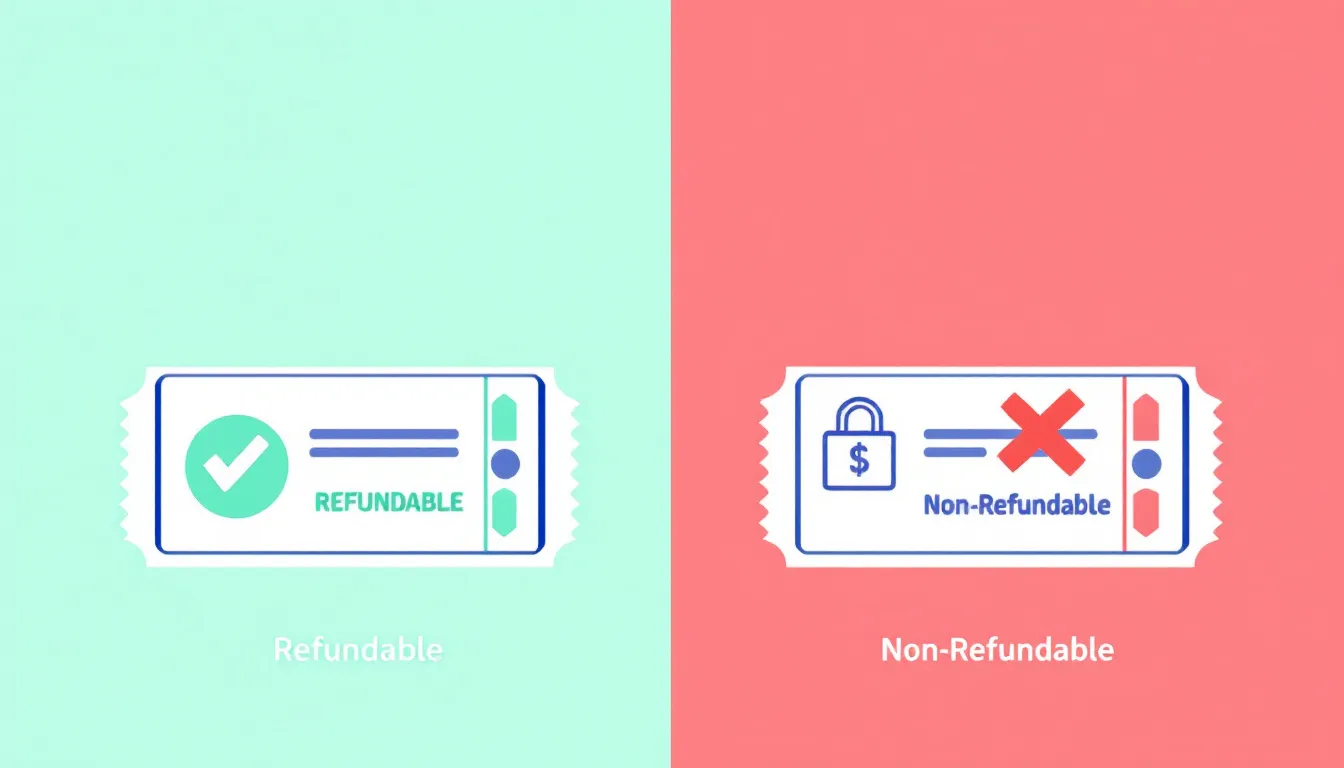
Refundable Ticket Versus Non-Refundable Ticket
The source article correctly explained that refundable tickets and non-refundable tickets are not the same, but the safer version needs more precision. Airline refund rules depend on fare type, airline policy, country law, booking channel, cancellation reason and timing. A “refundable” label can still include conditions. A low-cost “non-refundable” fare can sometimes return taxes or credits, but not the base fare.
What Refundable Tickets Mean in Airline Terms
A refundable ticket is an issued airline ticket with a fare rule that allows some level of refund. It can be useful when the applicant is confident about traveling and has enough cash flow to pay the full fare upfront. But refundable tickets often cost more than ordinary fares, and the refund process may take time depending on the airline, card issuer or agent.
How Non-Refundable Tickets Work
A non-refundable ticket may be cheaper, but it can become expensive if the visa is delayed or refused. The traveler may face change fees, fare differences, travel credits instead of cash, or no usable refund beyond taxes and fees. This is exactly why buying final travel before the visa decision can be risky.
Why Travel Credits Are Not the Same as Cash Refunds
Some airlines or agents may offer a credit instead of returning money to the original payment method. That can still be useful for frequent travelers, but it is not the same as cash back. Credits may expire, apply only to the same passenger, require the same airline, exclude some routes, or fail to match the new visa-validity dates. For visa applicants with uncertain plans, this can leave money trapped in a route they no longer need.
This is one reason a reservation-first strategy can be financially cleaner when the visa checklist permits it. The applicant avoids tying a large fare to a decision that has not happened yet, then buys the final ticket once the actual travel window is clear.
Why Visa Applicants Rarely Need Paid Refundable Tickets First
Many applicants do not need to buy a refundable ticket just to prove intended travel. If the checklist allows a reservation or itinerary, a flight reservation can show the same travel plan with less cash tied up. If the checklist clearly asks for a paid or issued ticket, then the applicant must follow that specific instruction.
Where a Visa Flight Reservation Fits
A visa flight reservation sits between doing nothing and buying a final ticket. It gives the visa file a transport plan without treating the travel as final. That is especially useful when the visa outcome, appointment timing or intended departure date is not yet certain.
It Is Not an Airline Fare Refund Product
A reservation service is not the same as an airline selling you a refundable ticket. The provider may offer corrections, reissues or refunds under its own policy, but those terms are separate from airline fare rules. Applicants should read the provider’s policy before ordering, especially if their dates are uncertain.
It Is Not a Boarding Document
A reservation prepared for visa evidence should not be treated as a boarding pass or a final travel ticket. After visa approval, the traveler still needs to buy or finalize travel according to the actual visa, airline schedule and entry rules.
It Is Useful When the File Needs Date Logic
The reservation helps when the visa file needs to show arrival, exit, route and stay length. It should match the application form, hotel booking, invitation, funds and travel insurance where required. If those documents are not stable, the best refund protection is not only a refund policy. It is waiting until the calendar is ready before ordering.
What a Reissue Should Preserve
A good reissue should not randomly change the trip story. If the applicant only needs new dates, the route should usually stay the same unless the travel plan has genuinely changed. If the destination changes, the accommodation and purpose explanation may also need to change. If the applicant changes from round trip to onward travel, the onward country should be one the traveler can enter or transit through lawfully.
Think of the reservation as one piece of a document set. Reissue helps when it keeps the set consistent. Reissue creates risk when it introduces a new route, new stay length or new exit plan that no longer matches the rest of the application.
Real Reservation, Not Edited Proof
The source article emphasized that travelers should not use fake tickets. That point stays. A legitimate reservation or itinerary should be truthful about what it is. The problem is not the phrase people use online; the problem is submitting a document that has been invented, manually altered or labeled incorrectly.

What Makes the Document Credible
- Passenger name follows the passport.
- Route matches the visa country or travel purpose.
- Arrival and departure dates match the application form.
- Accommodation or host proof covers the same stay.
- The document label does not overstate ticketing status.
- Any booking reference is presented honestly.
Why Edited PDFs Create Refund Problems Too
If a document is manually edited, there may be no reliable booking or provider workflow behind it. That means there may be no proper correction, refund or reissue process either. A low-cost shortcut can become more expensive if the applicant has to rebuild the file from scratch.
Refund-Policy Questions to Check Before Ordering
Before ordering any visa travel proof, read the terms like a practical traveler, not only like a visa applicant. The refund and reissue rules should answer normal real-world problems: wrong name, wrong date, changed appointment, visa delay, visa refusal, airline schedule movement and route correction.
Ask These Questions First
- Is the service fee refundable, non-refundable or refundable only before work begins?
- Are date corrections included, limited or charged separately?
- How quickly can the reservation be reissued if the appointment date changes?
- What happens if the applicant enters the wrong passport name?
- Does the provider support route changes or only date changes?
- Is there a time window for requesting corrections?
- What is delivered: reservation, itinerary, paid ticket or another document?
These questions protect both SEO readers and real applicants. They also prevent one of the most common disputes: expecting an airline-ticket refund from a reservation-document service.
Date-Change and Reissue Scenarios
Most refund confusion starts when the applicant’s travel dates change. In visa workflows, this is normal. What matters is how the document set is updated.
Appointment Rescheduled
If the appointment moves but the travel dates remain realistic, you may not need to change the reservation. If the appointment delay makes the original departure date unrealistic, update the flight proof and any matching documents before submission.
Visa Processing Takes Longer Than Expected
If the visa decision does not arrive before the planned departure, avoid buying or changing final tickets until you know the outcome. If updated proof is requested, reissue the reservation with a date window that still makes sense for the purpose of travel.
Visa Is Refused
If a visa is refused, refund rights depend on what you purchased. A paid airline ticket follows airline and fare rules. A reservation-service order follows the provider’s policy. A visa refusal itself does not automatically create airline refund rights unless the fare or law provides them.
Visa Is Approved With Different Dates
Sometimes the visa is approved, but the validity window or permitted stay does not match the traveler’s first plan. In that case, the application-stage reservation should not control the real trip. The traveler should plan the final ticket around the issued visa, passport validity, airline availability and border rules. If a new document is needed for internal travel planning, request a fresh reservation or buy the final ticket based on the approved dates.
Traveler Enters the Wrong Name or Route
Name and route errors should be corrected quickly. If the provider has already generated the document, the correction may be treated as a reissue rather than a refund. That is why applicants should check passport spelling before payment.
Hotel Dates Change but Flight Dates Do Not
Hotel changes can still affect the flight-proof story. If the flight arrives before accommodation begins, or leaves after accommodation ends, the file may show an unexplained gap. The solution is not always a flight refund. Sometimes it is a hotel correction, sponsor letter, cover note or reissued reservation that brings the calendar back into alignment.
How to Reduce Money Risk Before Approval
The best protection is not always a refund claim. Often, the better protection is choosing the right document at the right stage. If the checklist asks for a reservation, do not buy a final ticket just to look more committed. If the checklist asks for an issued ticket, do not assume a reservation will satisfy it. Match the document to the rule.
Use Reservation Proof When Final Travel Is Not Yet Certain
Reservation proof is useful when the visa result, travel dates or appointment schedule is uncertain. It gives the file date logic while avoiding the cash-flow risk of a full fare. It is also easier to correct when the provider supports reissue.
Use Refundable Tickets Only When the Cost Makes Sense
A refundable ticket can be reasonable when the applicant has strong confidence in travel dates, understands the fare conditions and can wait for any refund processing time. It is not automatically better for every visa applicant.
Do Not Treat Cheap Non-Refundable Fares as Safe
A cheap fare can become costly if the visa is delayed. Change fees, fare differences and travel-credit limits can exceed the cost of a reservation service. This is the financial logic behind using reservation proof at the application stage when allowed.
Use BookForVisa.com to prepare a flight reservation, then review the dates against your visa form, accommodation and appointment timeline before submission.
Which Option Should You Choose?
| Option | Refund or reissue logic | Best for | Watch out for |
|---|---|---|---|
| Visa flight reservation | Provider policy; corrections or reissues may matter more than refunds. | Application stage when itinerary proof is allowed. | Expiry, date mismatch or unclear provider terms. |
| Refundable airline ticket | Airline, fare and agency rules control refund timing and conditions. | Travelers with stable dates and enough cash flow. | Higher upfront cost and policy complexity. |
| Non-refundable airline ticket | Limited refund; may offer tax refund, credit or change options. | After visa approval when travel dates are firm. | Loss if visa is delayed or refused. |
| 24-hour hold or cancellation window | Depends on country rule, airline policy and booking timing. | Short-term decision making when departure is not too close. | May not apply to agents or last-minute bookings. |
| Edited PDF | No reliable refund or correction workflow. | Never appropriate. | Credibility and consistency risk. |
Final Refund and Reissue Checklist
- Decide whether the checklist asks for reservation proof or issued ticketing.
- Read refund and reissue rules before ordering any document.
- Check whether date changes are included or charged separately.
- Use passport spelling before payment.
- Confirm route and stay dates before the reservation is generated.
- Keep the submitted PDF in your records.
- If dates change, update flight, accommodation and cover explanation together.
- Do not expect airline refund rights from a document-preparation service.
- Do not buy non-refundable tickets before approval unless the rule requires it and you accept the risk.
- Buy or finalize travel after the visa situation and actual dates are clear.
FAQs About Visa Flight Reservation Refunds
Can I get a refund on a visa flight reservation?
It depends on the provider’s stated policy. A reservation service is not the same as an airline fare, so refund rights are controlled by the service terms.
Is a reissue the same as a refund?
No. A reissue updates or recreates the reservation document. A refund returns money according to the applicable policy.
What happens if my visa dates change?
You may need a corrected reservation. Update the flight proof, accommodation and explanation together so the visa file stays consistent.
Should I buy a refundable ticket for visa proof?
Only if the checklist requires ticketing or you are comfortable with the fare cost and refund conditions. Many application stages allow reservation proof instead.
Are non-refundable tickets risky before visa approval?
Yes. If the visa is delayed, refused or issued for different dates, the traveler may face change fees, credits or loss under airline fare rules.
Does visa refusal automatically create an airline refund?
No. Airline refunds depend on fare rules, airline policy and applicable law. Visa refusal by itself does not automatically override those terms.
Can I change the name on a flight reservation?
Corrections depend on the provider and booking status. Check passport spelling before ordering to avoid reissue fees or delays.
Is a flight reservation a paid airline ticket?
No. A reservation shows intended travel details. A paid ticket is issued ticketing evidence and follows airline fare rules.
What refund rule applies to U.S. airline tickets?
DOT guidance explains refund rights for cancellations, significant changes and the 24-hour rule for qualifying tickets bought at least seven days before departure.
When should I finalize the actual ticket?
Finalize travel when the visa decision, visa dates, airline schedule and entry rules are clear, unless your application channel requires ticketing earlier.