US Tourist Visa Documents: B1/B2 Checklist

A B-2 visa covers temporary tourism, vacations, visits to family or friends, medical treatment and certain other permitted visitor activities. A combined B1/B2 visa can also cover qualifying temporary business activity. The document file should therefore begin with the official visitor-visa requirements and the applicant’s real purpose—not with a purchased ticket or an oversized folder of generic evidence.
This checklist separates documents everyone normally prepares from evidence that depends on the case. It also converts the source article’s flight-itinerary advice into a focused supporting section, because the official U.S. list does not make a flight reservation a standard required interview document.
In This Guide
Required Documents for a US Tourist Visa Interview
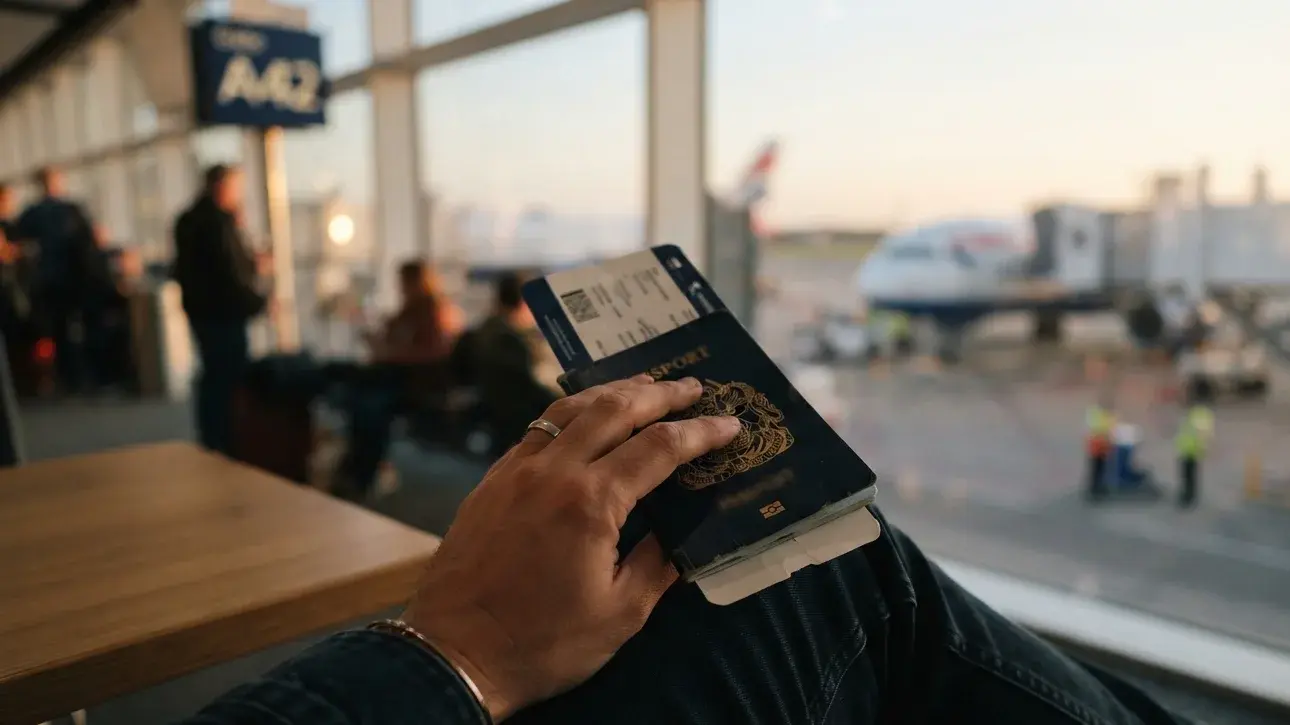
The current Department of State visitor-visa guidance lists the passport, DS-160 confirmation page, application-fee payment receipt where advance payment is required, and photo under the applicable photo-upload rule. The website of the embassy or consulate where you apply can add local scheduling, payment, courier, interview or document instructions.
| Document | What to check | Common mistake |
|---|---|---|
| Passport | Validity for U.S. travel and any country-specific validity agreement | Using an expired or damaged passport or ignoring local instructions |
| DS-160 confirmation page | Barcode/application ID is readable and linked to the appointment | Bringing only a saved draft or the wrong confirmation |
| Fee receipt | Bring it when payment is required before interview | Assuming the appointment page always replaces proof |
| Visa photo | Follow current digital and printed-photo instructions | Failing to bring a printed photo after upload failure |
Passport
The general rule states that the passport should be valid for at least six months beyond the intended U.S. stay unless a country-specific agreement provides an exemption. Every person needing a visa requires a separate application, including family members. Check whether the local post asks for old passports or copies.
DS-160 confirmation page
The confirmation page is required because its application ID allows the case to be retrieved. The Department of State’s DS-160 FAQ says the full application does not need to be brought to interview. Keep your own record of the answers so you can review dates, addresses, employment and travel history.
Fee payment evidence
Payment procedures vary by post. Use the official scheduling and payment instructions for the embassy or consulate. A receipt proves payment; it does not establish visa eligibility and the application fee is generally non-refundable.
Photograph
The applicant uploads a digital photo during DS-160 completion. If the confirmation page indicates upload failure, bring a printed photo meeting the Department of State requirements. A locally requested backup photo can also be sensible when the post instructs applicants to bring one.
Additional Supporting Evidence: Bring What Fits Your Case
The visitor-visa page explains that additional documents may be requested to establish trip purpose, intent to depart and ability to pay. It also states that an invitation letter or Affidavit of Support is not needed to apply. The officer considers the individual application rather than awarding approval for a particular document bundle.
Purpose-of-trip evidence
- Simple tourism plan or places you genuinely intend to visit
- Family or friend’s address and relationship
- Event registration or appointment where relevant
- Medical treatment information for a medical-purpose visit
- Business conference or meeting evidence for B-1 activity
A tourism applicant does not need an hour-by-hour schedule. A concise city sequence and trip length are easier to explain. If visiting someone, know who they are, where they live and why the timing makes sense.
Financial evidence
Evidence can include bank records, income, employment, business documents or sponsor support. There is no single published minimum bank balance for every visitor. The trip should be affordable relative to duration, route, accommodation and the person paying. Sudden unexplained deposits can create more questions than a modest but traceable financial history.
Employment, business or study evidence
An employment letter, approved leave, business registration or current enrollment can help explain the applicant’s circumstances and reason to return. Use current, verifiable evidence. A freelancer can use contracts, invoices, tax records or ongoing project commitments rather than imitating a salaried employee’s file.
Family, residence and property evidence
Family responsibilities, lawful residence and property may be relevant ties, but no single deed or family certificate guarantees a decision. Choose evidence that fits the applicant’s real life. If applying outside the country of nationality, proof of legal residence and circumstances there can matter.
Invitation or sponsor documents
An invitation can clarify accommodation and purpose, while sponsor documents can explain payment. Neither transfers the applicant’s eligibility to the host. The applicant must still explain the temporary visit credibly and answer questions truthfully.
Keep Every Supporting Document Consistent with DS-160

Travel information
The DS-160 FAQ advises having a travel itinerary available if travel arrangements have already been made. This conditional wording matters. Use accurate intended dates and U.S. addresses, but do not buy travel solely because the form asks travel questions.
Work and education history
Employment letters, résumés and interview answers should align with the DS-160. Check job title, employer, start date and income. If circumstances change after submission, follow the local post’s correction instructions rather than concealing the change.
Previous travel and refusals
Review previous U.S. trips, international travel history and prior visa outcomes. Never omit a refusal or overstay because it seems unfavorable. An accurate explanation is safer than a contradiction between government records and the application.
U.S. contact and accommodation
The contact, city and accommodation should support the stated purpose. Tourism does not become suspicious merely because hotels are not prepaid, and a family visit does not require pretending to be a hotel guest. Use the real planned arrangement.
One master fact sheet
Create a private one-page summary of travel dates, cities, payer, host, employment, previous travel and expected cost. This is not an interview script. It is a quality-control tool for comparing the DS-160, appointment profile and supporting evidence before the interview.
Review the fact sheet against original records rather than relying on memory. Confirm the host’s full address, the employer’s legal name, monthly income in the currency requested, dates of previous U.S. travel and the identity of anyone paying for the trip. If an estimate changes after submission, distinguish a normal future adjustment from an error in a material historical fact. Keep appointment-account credentials and the DS-160 application ID secure; do not hand control of the application to an unverified agent who may enter answers you have not reviewed.
Organize the File Around Purpose, Funds and Temporary Intent
A tourist-visa interview is not a paper-volume contest. The application needs a permitted temporary purpose, credible funding and circumstances consistent with departure after the visit. Documents support those facts, but they do not replace the applicant’s direct answers.
| Question | Possible evidence | Avoid |
|---|---|---|
| Why are you travelling? | Simple itinerary, invitation or event evidence | A complicated route unrelated to the stated purpose |
| Who will pay? | Income, bank history or genuine sponsor evidence | Borrowed statements or unexplained deposits |
| How long will you stay? | Leave, event timing and affordable trip length | Dates that change between documents |
| Why will you return? | Work, study, family, residence or ongoing obligations | Generic “strong ties” claims without personal facts |
Match trip cost to the funding story
Estimate flights, accommodation, local travel, food and activities. If staying with family, state that honestly rather than using artificial hotel costs. A sponsor should be able to explain why they are paying and demonstrate capacity without undermining the applicant’s own circumstances.
Keep the duration proportionate
A first-time tourist with limited leave may find a one- or two-week plan easier to explain than an open-ended multi-month visit. That is not a fixed rule; retirees, family visitors and applicants with different circumstances can have longer credible trips. Use the real plan and supporting facts.
Do not memorize artificial answers
Prepare facts, not slogans. A concise answer about destination, purpose, duration and payer should match the DS-160. Over-rehearsed language can create new inconsistencies when follow-up questions move beyond the memorized script.
Do US Tourist Visa Documents Need a Flight Itinerary?
A flight itinerary is not on the Department of State’s standard required visitor-visa document list. It can help an applicant organize travel details or answer a case-specific request, but a paid ticket does not guarantee issuance. Department guidance has long cautioned that final travel plans or non-refundable tickets should not be made until a visa is issued.
When an itinerary can be useful
- You already made genuine travel arrangements.
- The local post requests travel evidence.
- A fixed event or medical appointment needs date context.
- A simple route helps explain a multi-city plan.
When it adds little value
- No instruction requests it.
- Dates remain highly uncertain.
- The route conflicts with DS-160 answers.
- The document creates unaffordable or irreversible commitment.
- It is being added to compensate for weak or false information.
The complete flight-reservation planning guide covers booking choices, timing and cross-document alignment across visa systems. For a U.S. visitor application, use that planning method only after recognizing this page’s boundary: the official B1/B2 documents and personal eligibility remain primary.
Use a route that matches the U.S. story
A tourist itinerary can begin in the main destination city. A family visitor can arrive near the host. A conference visitor can arrive before the event. Avoid adding cities merely to make the trip look substantial. Check connection and transit requirements separately.
Do not claim a tentative reservation is ticketed
If you choose to carry an itinerary, understand whether it is a plan, reservation or issued ticket. The core flight-reservation guide explains those document states and common fields. Never edit a PDF to add a booking reference, status or ticket number.
Keep the dates defensible
Compare the itinerary with the DS-160, leave approval, event dates and accommodation. If plans change, answer with the current truth. Do not present multiple competing itineraries or insist that an expired temporary hold is still active.
Prepare Documents for the B1/B2 Interview

Use a slim required-document folder
- Passport and any locally requested prior passports or copies
- DS-160 confirmation page
- Appointment confirmation where instructed
- Fee receipt where required
- Compliant printed photo if required
Add a separate supporting section
Arrange optional evidence by purpose, funds and circumstances rather than chronologically. Bring originals or copies according to the post’s instructions. Do not push documents at the officer before they are requested; be ready to retrieve the relevant item quickly.
Prepare a 20-second truthful travel explanation
State the purpose, main destination, approximate duration and payer in ordinary language. Example structure: “I plan a ten-day holiday in New York and Washington during approved leave, and I will pay from my salary and savings.” Use your facts, not the example wording.
If asked why flights are not booked
A normal answer is that travel remains tentative until the visa decision and you plan to finalize it after approval. This aligns with official caution against non-refundable commitments. Do not turn the answer into a speech about booking mechanics.
Answer the question asked
Listen, answer directly and do not hide material facts. If you do not know an exact current fare or schedule, say the plan is tentative. If a sponsor pays, identify the sponsor and relationship. If circumstances changed, explain the change accurately.
Special US Tourist Visa Document Situations
Visiting a partner or fiancé
Describe the relationship and temporary visit truthfully. Do not relabel the trip as tourism to avoid relationship questions. Bring relevant contact or invitation evidence if useful, while understanding that the visitor visa is not a substitute for an immigration category when the real intent is permanent residence.
Unemployed, freelance or between jobs
Do not create employment evidence. Explain current work status, funding and reasons to return. Freelancers may document clients and ongoing projects; retirees may show pension, finances and family circumstances; students may show enrollment and academic schedule.
Applying after a refusal
Disclose the prior refusal accurately. A new flight itinerary does not change the underlying application. Focus on truthful current circumstances and any meaningful change. Review the prior application so dates, employment and purpose do not conflict without explanation.
Family applications
Every applicant needs a separate application. Group travel details can match, but each person’s identity, work, travel history and eligibility remain individual. Check that family relationships and payer explanations are consistent across DS-160 forms.
Urgent or short-notice travel
Follow the post’s official expedited-appointment process if one exists. A paid ticket or event date does not automatically create eligibility for expedited treatment. Document the real urgency and avoid non-refundable commitments before a decision.
Schengen documents are not a U.S. checklist
The Schengen flight-reservation requirements guide explains a separate jurisdiction’s return-flight and main-destination logic. Do not import its insurance, itinerary or reservation requirements into a B1/B2 file. The comparison is useful precisely because the rules differ.
Final US Tourist Visa Document Checklist
- The correct B-2 or B1/B2 visitor purpose was selected.
- Passport meets the applicable validity rule.
- DS-160 confirmation barcode is readable.
- Fee receipt is included when required.
- Photo instructions are satisfied.
- Appointment and local embassy instructions were checked.
- Purpose evidence is concise and genuine.
- Funding matches the trip cost and payer explanation.
- Employment, study or family evidence reflects current circumstances.
- Prior travel and refusals are disclosed accurately.
- Any itinerary is tentative, consistent and unedited.
- No non-refundable ticket was bought merely to influence the decision.
The strongest B1/B2 file is not the thickest one. Begin with the documents the Department of State requires, then add only evidence that explains the individual trip, funding and temporary circumstances. Keep DS-160 answers, interview statements and supporting records consistent, and treat travel booking as a later operational decision rather than the centre of visitor-visa eligibility.
Frequently Asked Questions
What documents are required for a US tourist visa interview?
The Department of State’s general visitor-visa list includes a passport valid for U.S. travel, the DS-160 confirmation page, the fee receipt when payment is required before the interview and a compliant photo if the online upload failed. The embassy or consulate may require additional documents.
Is a flight itinerary required for a US tourist visa?
A flight itinerary is not listed among the standard required visitor-visa interview documents. The DS-160 guidance says to have an itinerary available if travel arrangements have already been made. Do not buy non-refundable travel merely to create supporting evidence.
Do I need an invitation letter for a B1/B2 visa?
The Department of State says a letter of invitation or Affidavit of Support is not required to apply for a visitor visa. An invitation can provide context for a genuine visit, but it does not replace evidence that the applicant qualifies for temporary visitor status.
How much bank balance is required for a US tourist visa?
There is no universal published bank-balance amount for every B1/B2 applicant. The trip cost should be credible in relation to the applicant’s finances or documented sponsor support. Use genuine, traceable records and be prepared to explain income, expenses and who will pay.
Should I bring my complete DS-160 application to the interview?
The Department of State says the DS-160 confirmation page with the application ID is required; the entire application is not required. Keep a personal copy or accurate record of your answers so your interview explanation remains consistent.
What documents show ties to my home country?
Useful evidence depends on the applicant and may include employment, business, study, family responsibilities, property, lawful residence and ongoing obligations. There is no single mandatory ties document for everyone. Bring concise evidence that genuinely applies to your circumstances.
Can a sponsor pay for my US tourist trip?
Yes, another person may pay, but sponsorship does not by itself establish visitor eligibility. Be ready to explain the relationship, purpose, trip cost and source of funds. Use truthful sponsor and financial evidence if the officer requests it or local instructions call for it.
What if my planned US travel dates change after submitting DS-160?
Minor future travel changes can occur, but material changes should be handled according to the embassy or consulate’s instructions. Do not create contradictory documents. Keep your explanation truthful and check whether a corrected or new DS-160 is needed for your appointment.
Disclaimer: This guide provides general information, not legal advice or a guarantee of visa issuance or admission. Requirements and local procedures can change. Follow the current Department of State and embassy or consulate instructions for your application.
Related posts

Flight Ticket for an Offshore Worker Rotation Visa
02 Oct, 26
Flight Booking for a Short Language Course Visa
02 Oct, 26
Visa Flight Itinerary After Passport Replacement
02 Oct, 26
Visa Reservation for an Archaeological Field Trip
02 Oct, 26
Flight Booking After a Visa Case Changes Consulates
02 Oct, 26
Flight Itinerary While a Consulate Holds Your Passport
02 Oct, 26
Flight Itinerary for Visa for Film Production Crews
02 Oct, 26
Flight Reservation for Visa for Trade Fair Exhibitors
02 Oct, 26
Flight Ticket for Visa: Postdoc Relocation Guide
26 Sep, 26