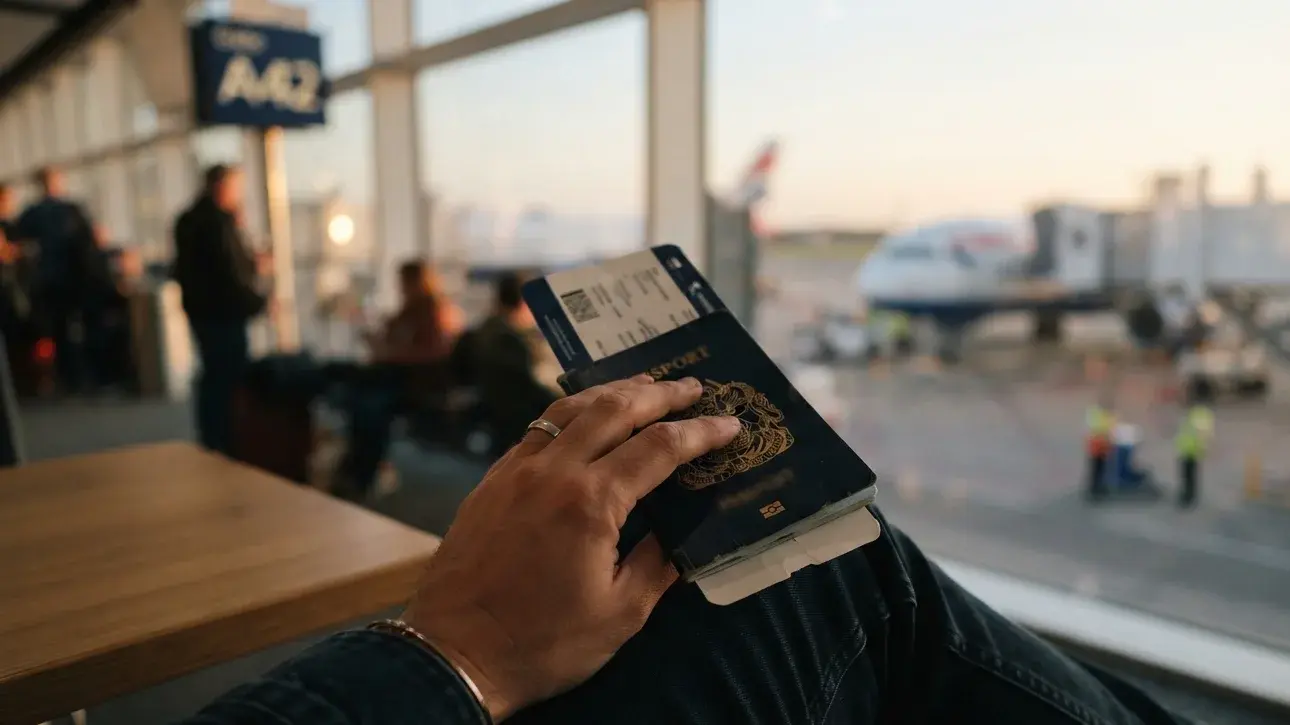
Delta Airlines Flight Reservation for Visa: Smart, Safe & Verifiable
Short answer: Arrange a Delta reservation through the airline or a traceable issuer, then check ticketing status, payment deadlines and fare rules. A PNR, an unpaid hold and a refundable ticket are different products. Read Delta’s cancellation and refund terms before paying; a cancellation window is not an open-ended visa-processing hold.
Review the reservation and issued-ticket differences before selecting a Delta booking option. Confirm the record and fare rules with the actual issuer.
Delta Airlines flight reservation is one of the most useful documents travelers prepare when organizing international trips. While most countries do not ask you to buy a fully paid ticket upfront, they do expect a verifiable proof of travel intent that clearly shows your entry and exit plan. This helps demonstrate that you will follow your schedule and return on time.
Using a professionally issued and verifiable Delta Airlines flight reservation is the safest and most convenient way to satisfy this requirement without financial risk, especially for visa applications and immigration preparations.
Last updated: December 2025 — verified against the latest traveler documentation practices and global consular guidelines.
Table of Contents
Learn more about our team on the About Us page for trusted visa travel advice.
Pick The Right Door To Book Your Delta International Flights

Before you think about refunds or dummy reservations, you first choose the door you walk through.
That one decision decides who supports you, how changes are handled, and how painful a simple date shift can become later.
Let us walk through each major booking channel that Indian travelers actually use, and see where each one shines or hurts. If your travel dates are still moving, book a flight reservation so your itinerary stays flexible while your documents catch up.
Why Your Booking Channel Matters More Than You Expect
Most travelers focus only on price.
Same flight, same date, so the cheapest site wins. That habit is exactly how people get stuck with painful change rules and agents who will not pick up the phone when things go wrong.
Your booking channel decides:
-
Who you call when there is a problem
-
How easily you can change or cancel.
-
Whether Delta’s own flexible policies apply to your ticket.
Once you see it this way, you stop chasing only discounts and start chasing control.
Booking On The Delta Homepage For Clean Control
If you want the simplest, most predictable experience, the Delta Airlines website is usually your safest bet.
You see the official fare rules, you deal directly with Delta, and you get access to their standard change and cancellation options for eligible tickets.
For an Indian traveler, this matters in a few ways.
-
Clear rules in one place
You can see whether your fare is refundable, how changes are handled, and what kind of credit you get if you cancel.
That makes it easier to match your booking with your visa timeline. -
Direct relationship with the airline
When you book through the Delta Airlines website, Delta is your first support line.
If there is a schedule change, you do not have to argue with a third party before anyone touches your ticket. -
Better alignment with airline tools
Many of Delta’s friendlier options work best when you booked directly.
You usually see clearer self-service options inside “My Trips”, which is useful when you are in a different time zone in India and cannot wait on calls.
Of course, there are frictions.
Indian cards may occasionally fail on foreign payment gateways. You may see pricing in USD and must watch for dynamic currency conversion offers where a bank tries to convert to INR at its own rate.
Still, if your card goes through smoothly, the Delta Airlines website gives you a clean, airline-first setup that works very well with flexible planning.
Using The Fly Delta App When You Like Everything On Your Phone
Once you have a reasonably stable travel pattern, the Fly Delta app becomes your control tower.
You can search, book, and manage trips without opening a laptop.
For Indian travelers, the app works well when:
-
You travel to the US or Europe more than once in a year.
-
You like digital boarding passes and quick seat changes.
-
You want instant alerts if a flight is delayed or a gate changes.
The app typically mirrors the website in terms of availability and fare types, but it does a few things better for ongoing management:
-
Trip management on the move
You can change seats, update contact details, and check in directly from the app.
When you have connecting flights and limited airport Wi-Fi, that matters. -
Real-time notifications
Alerts about delays or gate changes can save you from confusion at large international airports.
This is especially comforting for parents or first-time travelers flying alone from India.
Most Indians will still do the initial heavy search on a laptop for comfort and visibility, then use the app to keep an eye on the trip.
That is a smart mix: website to plan, app to control.
Calling Delta Reservations When Things Are Not Straightforward
Sometimes you look at a complex route on screen and feel your brain melting.
Multi-city plans, different cities for arrival and departure, elderly parents, or connecting domestic sectors can make everything messy.
This is where picking up the phone can be worth your time.
Calling Delta reservations can work well when:
-
You have multi-city routes with different stopovers.
-
You want to check if a specific connection time is comfortable.
-
You need to combine different passenger types in one booking, like students and parents.
A few practical tips from an Indian angle:
-
Plan your call window
Call during off-peak times in the region you are dialing, not just your local evening in India.
Shorter queues mean you can actually discuss options calmly. -
Spell everything slowly
Indian names and email addresses are easy to mishear.
Spell your surname, passport name, and email clearly, and then repeat them. Wrong letters mean wrong PNRs. -
Confirm what you see in writing
Always check the emailed itinerary right after the call.
If a date or name looks off, fix it immediately while you still have time.
Calling is not something you do for every simple Delhi–New York round trip.
But when you feel your situation is even slightly unusual, a 20-minute call can save hours of confusion later.
Using Airport Ticket Counters When You Are Already Abroad
For travelers starting in India, Delta ticket counters are not usually involved at the booking stage.
Most major Indian cities do not have Delta-operated ticket offices, so you cannot just walk into a mall and pay.
Where ticket counters become helpful is when you are already outside India.
You might use a Delta ticket counter if:
-
You are a student or professional in the US and need to pay cash or use a local card.
-
Your Indian card keeps failing online and you want an in-person solution.
-
A disruption has already happened and you need same-day rebooking help.
At a ticket counter, agents can:
-
Issue new tickets.
-
Rebook your flights after schedule changes.
-
Help with complex changes where online tools get stuck.
For someone based in India, this is a secondary tool.
You will mainly use it during international stays, not to set up the original itinerary from home.
Leaning On OTAs For Familiar Payment Options
Indian online travel agencies are very popular for good reasons.
You see fares in INR, use local payment methods, and sometimes grab bank offers that reduce your upfront cost.
When you are booking a Delta-operated or Delta-marketed flight, Indian OTAs can be attractive because:
-
Payment is familiar
You can pay using UPI, net banking, Indian credit cards, and sometimes EMI.
That suits travelers who do not like international card charges. -
You may get local offers
Festival offers, cashback, and card promotions can lower your visible cost.
For students or families squeezing a budget, that is tempting. -
Local support channels
Some OTAs provide India-based call centers or chat support.
Being able to speak to someone in a local language can be reassuring for older travelers.
The catch is control.
When you use an OTA, you often have to route changes or cancellations through them, not Delta directly.
That can slow things down and may add extra service fees on top of any airline charges.
So you get easier payments but sometimes weaker flexibility and more layers of communication.
Working With Indian Travel Agents For International Routes
Offline agents still play a strong role for many Indian families.
Especially when parents are flying alone or a large family is moving together, an agent can make the process feel less stressful.
Using a reputable local agent can help when:
-
You are planning complex routes with multiple stops and airlines.
-
You are combining Delta with other carriers for internal Europe or US sectors.
-
You want someone to help read and explain fare rules in plain language.
What you gain:
-
Human guidance
An experienced agent has seen dozens of visa-related journeys.
They can flag risky choices, such as tight connections for elderly parents or harsh fare rules. -
Custom arrangements
Agents can sometimes hold seats in a GDS for a short period or prepare itineraries that align neatly with your visa appointment window.
What you must still control:
-
Ask specifically how changes and cancellations will work.
-
Clarify whether you will call the agent or Delta if things change.
-
Confirm whether any service fees apply each time you adjust the booking.
Offline agents suit travelers who value hand-holding more than a small price difference.
For many Indian families, that comfort is worth paying for.
Matching Your Booking Channel To Your Real Situation
By now, you can see there is no single “best” channel for every Indian traveler.
The smart move is to match your booking door to your life context.
As a quick recap:
-
Use the Delta Airlines website when you want direct control and clear airline rules.
-
Use the Fly Delta app when you travel often and like to manage everything on your phone.
-
Call Delta reservations when your routing or situation is complex and you want a human to structure it right.
-
Use ticket counters abroad when you are already outside India and need in-person support.
-
Use Indian OTAs when local payment methods or bank offers matter more than direct airline relationship.
-
Use offline agents when your family needs guidance and personal assistance.
Once you understand this, you are ready for the next piece of the puzzle. The channel is only half of the equation. The fare type you pick on that channel decides how safe your Delta reservation truly is when visas, jobs, and family plans start moving around.
Decoding Delta Fare Types: How To Protect Your Plans Before You Pay

Once you have chosen your booking channel, the next big question hits you—which fare type should you actually pick? That single choice can decide whether you lose your ticket, pay a painful change fee, or glide through changes like a pro.
Let’s break down how Delta’s fare types work from an Indian traveler’s point of view and find which ones keep you safest when your plans might change. Avoid risking a full fare before approval by choosing a verified flight reservation booking for your next embassy submission. As per IATA standards, flexible fares align with international travel norms.
Why Fare Type Is The Real Game-Changer
Most of us check prices, not fare rules.
You see “₹58,000 round-trip Delhi–New York,” click confirm, and only later find that the cheapest option locks you in completely.
That’s because not all Delta fares are created equal—and visa delays, shifting university dates, or work approvals in India can wreck rigid tickets.
So before you pay, pause.
The right fare can act as a built-in safety net while the wrong one can trap your money for months.
The Allure And Trap Of Basic Economy
The lowest number on your screen usually belongs to Basic Economy.
It looks harmless until you realize what you are giving up.
Here’s what to expect:
-
No changes or refunds once the 24-hour cancellation window closes.
-
Seat selection restrictions, meaning you may not sit with your family unless you pay extra.
-
Lower boarding priority, which might not matter on paper but feels unpleasant when you are last to board after a long queue.
For Indian travelers, Basic Economy rarely makes sense when your plans depend on visa approvals or company paperwork.
Even a small delay in a visa interview can make you forfeit the entire fare.
A student waiting on an F1 visa or a professional on a tight H1B timeline is much safer avoiding Basic Economy.
It’s cheap for a reason—it’s built for travelers who are 100% sure of their plans.
Main Cabin: The Practical Middle Ground
If there’s one fare most Indian travelers should consider, it’s Main Cabin.
It costs more than Basic Economy but gives you the flexibility you actually need.
Here’s why it makes sense:
-
Free changes on most international routes.
-
Cancellation for eCredit if your plans collapse, so your money doesn’t vanish completely.
-
Seat choice freedom, including upgrades when available.
-
Normal boarding and baggage rights, not the stripped-down Basic version.
Think of Main Cabin as your “smart traveler’s insurance.”
You’re not throwing money away, but you’re also not taking unnecessary risk.
Imagine you’re applying for a Canada visitor visa from Mumbai. You book a Delta flight to Toronto via New York, but your appointment date shifts by two weeks.
With a Main Cabin fare, you can usually move the date without paying a massive penalty. That’s real flexibility when your paperwork controls your schedule.
Comfort+, Premium Select, and Delta One: Built for Peace of Mind
Most people see these premium fare names and assume they’re just for business travelers.
Yes, they bring comfort, but they also bring control.
Here’s how they can work for you:
-
Comfort+ – More legroom and better seat location, usually with similar flexibility to Main Cabin. Ideal if you’re tall or on long sectors like Mumbai–Atlanta.
-
Premium Select – Think of it as “premium economy,” offering flexible changes and partial refunds depending on fare rules.
-
Delta One/Business – Fully refundable or flexible in most cases. Perfect for corporate or urgent family travel when dates may change last minute.
If your company is paying or you’re handling sensitive travel (medical, business, or family emergencies), paying more for flexibility at this level can save enormous stress later.
Fully Refundable Fares: The Ultimate Safety Net
There’s one group of travelers for whom a fully refundable fare is worth every rupee—those waiting for approvals or visas that could take weeks.
Refundable fares allow you to cancel and receive your money back to your original payment method, not as airline credit.
Yes, they’re expensive, but sometimes peace of mind is the better bargain.
For Indians, though, there are a few points to watch:
-
Currency conversion swings: When refunds come in USD, the final INR amount may vary slightly based on bank rates.
-
Refund timelines: Expect 7–20 business days for the refund to show in your account.
-
Partial refund fares: Some premium tickets may say “refundable” but still deduct a small portion as a service fee, so always check fare conditions.
Refundable fares work best when you absolutely must lock something in for visa filing or business planning but can’t travel unless official approvals come through.
Using Miles And Award Tickets With Care
If you’re sitting on Delta SkyMiles or using partner airline points, you might think award tickets are automatically flexible.
They’re better than Basic Economy, but not perfect.
Here’s what to know:
-
Most award tickets follow the same 24-hour cancellation rule, giving you time to adjust right after booking.
-
If you cancel later, you usually get your miles back—but may pay a mileage redeposit fee depending on the route and timing.
-
Taxes and fees paid in cash are typically refunded to your card, but check the fare rules at checkout.
For Indian travelers, award tickets are great when your trip dates are mostly firm.
If you’re unsure or waiting on a visa, they can still tie up your miles longer than you’d like.
How To Read Fare Rules Without Getting Lost
When you reach the payment page, you’ll often see long text blocks titled “fare conditions” or “cancellation policy.”
Most travelers skip them. Big mistake.
Here’s a quick way to read them smartly:
-
Look for the word “non-refundable.”
If it appears early in the text, assume you’re locked in unless you cancel within 24 hours. -
Check the “change allowed” section.
If you see “changes permitted with fare difference,” that’s good news—it means flexibility. -
Search for “cancel and retain value.”
That line tells you if you’ll get an eCredit or refund.
This 30-second scan can save you from losing thousands later.
Choosing Fare Type Based on Visa and Life Uncertainty
Let’s put it in context.
Every Indian traveler fits into one of these categories when booking Delta flights:
1. Visa Approved, Travel Dates Fixed
You’re good to go. Main Cabin or even Basic Economy can work if your plans are locked.
2. Visa Approved, Dates Slightly Flexible
Main Cabin hits the sweet spot—moderate cost, solid flexibility.
3. Visa Still Pending or Interview Scheduled Weeks Later
Avoid Basic Economy completely.
Go for Main Cabin or a refundable fare, or consider a verified reservation hold (we’ll explore that later).
4. Traveling for Work or Family Emergencies
Choose Main Cabin or higher for fast rebooking and better support when flights change suddenly.
5. Booking For Parents or Elderly Travelers
Pick fares that allow free date changes. Health and family situations can change fast.
Once you match your profile to the right fare type, you’ll stop second-guessing your purchase.
Quick Comparison Snapshot
|
Fare Type |
Change Allowed |
Refund Type |
Best For |
Risk Level |
|---|---|---|---|---|
|
Basic Economy |
No (after 24 hrs) |
None |
Fixed-date travel |
High |
|
Main Cabin |
Yes |
eCredit |
Students, families, flexible trips |
Moderate |
|
Comfort+/Premium |
Yes |
Partial/Full |
Long-haul comfort, business |
Low |
|
Refundable |
Yes |
Full refund |
Visa waiting, uncertain plans |
Lowest |
When To Pay More For Peace Of Mind
It’s easy to fixate on price, especially when fares are shown in INR.
But think about your total exposure—visa delays, date shifts, missed leave approvals, or family issues.
If any of those are in play, that ₹7,000–₹12,000 extra for a flexible fare might actually save you ₹50,000 later.
A practical mindset helps here:
-
Ask what could go wrong, not what could go right.
-
Think in weeks, not hours—if your visa or project can move, plan your ticket to move too.
-
Avoid emotional booking, especially after seeing limited-seat banners or flash-sale countdowns.
Smart travelers do not panic-buy cheap tickets. They plan purchases that can breathe with real life.
Match Flexibility To Your Reality
You don’t need the most expensive fare every time. You just need the right level of flexibility for your stage.
If you are 100% sure of your travel window, Basic Economy saves money.
If your plans might bend, a Main Cabin or a flexible premium fare is a better choice.
And if your visa or job approval is still hanging, refundable or hold-style reservations give you control.
Turn Delta’s 24-Hour Window Into Your Personal Safety Buffer
You have your route. You have a rough date. What you do not have is certainty about visas, leave approvals, or family schedules.
This is where Delta’s 24-hour risk-free cancellation can work like a built-in safety net if you know how to use it properly from India.
Let us break it down like a strategy, not just a rule hidden in the fine print. When you are not 100% sure about your schedule, book a flight reservation and confirm real flights only after your visa is granted.
Understanding What The 24-Hour Rule Really Gives You
Before we talk tricks, we need to be clear on what this window actually is. Many travelers only half-remember what they read at checkout and then get surprised later.
In simple terms, when you book an eligible ticket directly with Delta, you usually get a short period to change your mind without paying any cancellation fee.
It is like pressing "save" on a good fare while you run around checking the rest of your life.
In practice, this means:
-
You book a Delta ticket through the Delta Airlines website, the Fly Delta app, or Delta reservations.
-
You have a set amount of time, often until midnight of the next day or roughly 24 hours from purchase, to cancel without penalty.
-
Your payment is reversed if you cancel within that window, subject to your bank’s processing time.
For an Indian traveler, this is powerful.
It turns an impulsive booking into a protected booking. You can move first, then think.
Now that you know the basic promise, the next big question is timing.
Now, let us zoom in on timing, because this is where many people slip.
Getting The Clock Right So You Do Not Miss The Window
The 24-hour rule sounds simple until time zones enter the picture.
You sit in India, Delta prices in another region, and bank processing happens on its own schedule.
Here is how to keep it safe and straightforward:
-
Treat the deadline shown in your confirmation email or on the "My Trips" page as final.
-
Do not assume "exactly 24 hours." Sometimes the rule is expressed as "until midnight the next day." Your confirmation will show what applies to your booking.
-
Always think in terms of the time zone Delta is using, not just IST on your phone.
Imagine you book at 11:30 pm India time on a Monday. In the US, it might still be Monday morning.
If your confirmation says you can cancel "until midnight next day" in that local time, you actually have more breathing room than you think, but it is safer to act early, not at the last minute.
The key habit is simple.
Right after you book, open the confirmation, find the cancellation line, and if possible, set a reminder on your phone several hours before that deadline.
Once you understand your clock, you can start using the window as a deliberate planning tool.
Step-By-Step: Using The 24-Hour Window From India
Instead of treating risk-free cancellation as backup, we prefer to treat it as part of the booking plan.
Here is how you can do that on a typical India to US route.
-
Search your flights calmly
Check different dates, connections, and airports. Compare options that make sense for your visa timing or work schedule. -
Choose a sensible fare type
Pick Main Cabin or higher if there is any chance your dates will bend. You want flexibility even after the 24-hour window closes. -
Verify that risk-free cancellation applies
On the payment page, look for the line that mentions free cancellation within a certain window.
If you do not see it, slow down and read the fare conditions more carefully. -
Pay and keep proof
Complete your payment using your Indian credit or debit card.
Save screenshots of the final page and keep the email confirmation safely. -
Use the 24 hours wisely
During this time, you can:-
Lock your visa appointment date if still pending.
-
Confirm leave with your manager.
-
Check internal India connections, like a domestic flight to Delhi or Mumbai.
-
Align with family if others are traveling with you.
-
-
Decide before the window closes
If everything lines up, keep the ticket and relax.
If something does not fit, cancel within the window using "My Trips" or by contacting Delta.
You are not guessing anymore.
You are booking with a built-in review period.
When you cancel in time, the next part in your mind is always the same.
"What happens to my money?"
How Refunds Flow Back To Indian Cards In Real Life
From Delta’s side, a valid cancellation within the risk-free window normally triggers a full reversal of your ticket cost back to your original payment method.
From your side in India, this looks less instant.
A few things usually happen:
-
Delta processes the cancellation and sends a refund instruction to your bank or card provider.
-
Your Indian bank takes its own time to post that refund in INR. This can take several business days.
-
Any currency conversion that happened at payment might happen again at refund time, so the final rupee amount may differ slightly.
To manage this calmly:
-
Track the refund status inside your booking account or via email.
-
Keep an eye on your card statement for 1 to 2 weeks.
-
If you see nothing after a reasonable period, call your bank with the reference details from Delta.
This is why we advise not to use your last available credit limit on a speculative booking.
Leave enough room on your card so that even if the refund takes time, you are not blocked from other important payments.
Once you are clear on how the money returns, you can start using this tool more aggressively to protect yourself from sudden fare jumps.
Now let us look at how to turn this policy into your shield against price swings.
Using The Window To Outplay Fare Volatility
Fares move. Sometimes they move in minutes.
If you wait for that one "perfect" price, you can lose a good deal by overthinking.
The 24-hour window lets you flip this.
Instead of watching fares nervously, you can:
-
Grab a good fare the moment you see it
Book the Delta trip that looks right for your dates and visa plan, as long as risk-free cancellation shows clearly. -
Use the next several hours to confirm your life details
Talk to your employer. Check exam schedules. Double-check your passport validity.
You are now checking with a confirmed ticket in hand, not a vague plan. -
Compare alternative dates calmly
In that window, keep searching around your date range. If you find a better routing or time, you can rebook and cancel the first one.
This approach is especially effective during:
-
Flash sales.
-
End-of-season or festival offers.
-
University term start periods, where demand and prices move quickly.
You are no longer in a panic race with the clock.
The window gives you room to think clearly.
Of course, not every trip is a simple point-to-point for one person.
So we also need to see how the rule behaves with groups and complex itineraries.
How It Works For Families, Groups, And Multi-City Trips
When you book for more than one person on a single reservation, the 24-hour policy usually applies to the entire booking, not each passenger separately.
So you either cancel the whole thing, or you keep it.
That means:
-
If one family member’s visa or leave is uncertain, you need to think about everyone on that booking.
-
Sometimes it is smarter to split travelers into separate reservations if their situations are very different.
For example:
-
Student and parents traveling together, but the student’s visa is still pending.
-
A group of friends where some may stay longer abroad than others.
For multi-city trips, the rule normally treats the entire itinerary as one purchased ticket.
If you cancel, everything on that ticket cancels. There is no partial keep-and-drop under the risk-free policy.
So when you set up complex travel:
-
Decide who should share a booking and who deserves a separate one.
-
Use the window to confirm that everyone’s documents and dates actually line up.
That sounds safe, but some travelers still get caught because they assume the rule solves every situation.
It does not.
Now we should be honest about what the 24-hour buffer cannot do.
Where The 24-Hour Rule Stops Helping You
The risk-free window is powerful, but it has clear edges.
If you rely on it for everything, you will get disappointed.
It usually will not help you when:
-
You buy through most third-party sites or Indian OTAs that have their own rules.
-
You are booking very close to departure and the airline does not offer the risk-free promise for that particular case.
-
You wait too long and try to cancel after the deadline, assuming you still have time.
Also, remember that after the 24-hour window closes:
-
Your ticket falls under its normal fare rules.
-
Any change or cancellation will follow those conditions, which may involve fare differences, service charges, or non-refundability.
So see the window as a starter shield, not total armor.
It protects you at the decision point, not forever.
When you need weeks of breathing space for visas, appointment queues, or slow-moving approvals, 24 hours are not enough.
That is where you start thinking about smarter holds, flexible fares, and structured reservations beyond just risk-free cancellation.
Short Holds With Delta: Lock The Fare While You Sort Your Life
Sometimes 24 hours feels generous.
Sometimes it feels like nothing, especially when your bank, your family, and your visa plans all move slowly.
This is where Delta’s short-hold style options can help. They are not perfect and not always available from India, but when you understand how they work, you can use them as an extra layer of protection. Make your visa file stronger and more professional with a live PNR through a quick flight reservation booking.
The Phone “Pay With Cash Later” Trick: What It Actually Is
Before you think about clever partnerships or third-party tools, it helps to understand Delta’s own short-term idea.
We are talking about the option where you call, reserve a fare, and then pay later with cash at a Delta ticket counter.
In simple terms, this is how it usually works:
-
You call Delta reservations and choose your flights with an agent.
-
Instead of paying on the call, you choose to pay in cash at a Delta ticket counter.
-
Delta holds that fare and itinerary for a short period, often until midnight of the next day in the local time zone.
-
If you do not pay within the window, the booking cancels automatically, and the held fare goes away.
This is not a guarantee for every route or every case.
It is an option that tends to appear in certain regions and situations, especially where cash payments are still common.
For you as a traveler, the big benefit is simple.
You freeze a fare without charging your card immediately.
Why This Hold Is Harder To Use From India
On paper, the cash-at-counter hold sounds like a dream.
In practice, it is tricky for travelers who are still in India.
The main challenge is location. You need access to a Delta ticket counter to pay. That usually means an airport or city where Delta has its own presence. Most Indian cities do not have that.
So this hold is more realistic when:
-
You are already in a country where Delta operates ticket counters.
-
You have a trusted friend or family member near a Delta counter who is ready to go and pay.
-
You are temporarily abroad for work or study and want to pay in person.
For example, an Indian student in Atlanta might call Delta, ask for cash payment, and then settle the ticket at the airport desk the next day.
That is practical because the student is close enough to visit the counter before the hold expires.
If you are still in India, this is much harder to pull off.
You would need someone physically present in a Delta location abroad, plus clear coordination on timing and payment.
When A Cash Hold Can Actually Save Your Booking
Even if the method feels niche, there are specific situations where it really shines.
You might not use it often, but when you do, it can rescue a critical plan.
Some realistic use cases:
-
Card problems abroad
Your Indian card is blocked, or the bank flags foreign transactions. You cannot pay online, but you have cash or a local debit card. The cash hold gives you time to walk to the counter and pay. -
Urgent rebooking after disruption
You miss a connection or a flight gets cancelled. Delta offers an alternative itinerary. You ask them to hold it while you organise payment or coordinate with family. -
Shared payment planning
Your family in India plans the route with you over the phone. You, already in the US, ask Delta to hold the fare, then use your local card or cash at the airport.
In each case, the hold is less about visa timing and more about payment logistics and immediate disruptions.
How To Coordinate From India If Someone Abroad Will Pay
There is one more angle that many Indian families use.
You might be in India, but your child, sibling, or spouse is already living abroad in a city with a Delta presence.
In that scenario, you can sometimes combine strengths:
-
You and your family choose the flights and dates together.
-
You or your family member calls Delta and asks for the fare to be held with cash payment at a counter.
-
The person abroad pays at the counter within the deadline, using local funds or a local card.
If you try this, we recommend a few rules:
-
Agree on the exact deadline. Confirm it on the call and then repeat it to each other in local time.
-
Get a clear record of the booking reference number.
-
Decide who will check for any email updates or changes before payment.
This kind of move is advanced, and it requires a lot of trust and coordination.
Use it only when you are sure that the person abroad is comfortable handling the payment and the follow-up.
Courtesy Holds And “I Will Wait While You Check” Moments
Not every hold is formal.
Sometimes, when you talk to an airline agent, they keep an itinerary on hold in the system while you are still on the call or while they wait for you to confirm details.
These are often short courtesy holds. They might last minutes, not days.
Here is what usually happens:
-
The agent builds an itinerary and saves it temporarily.
-
You review the times and dates.
-
If you agree, you provide payment and it becomes a full ticket.
-
If you hesitate or disconnect, the hold might vanish after a short time.
You should never rely on these short internal holds as a deliberate strategy.
They are helpful in the moment, but they are not a documented promise you can plan your visa or travel timeline around.
Think of them as a temporary pause, not a true hold.
Short Holds Versus Just Booking And Cancelling
Now you might wonder which is better. Should you try to get a short hold or simply book the ticket and use the 24-hour cancellation if needed?
We suggest you ask yourself one key question:
Is your main problem payment or decision-making?
If your main problem is decision-making
For example, you are unsure about leave approval, visa appointment timing, or family coordination.
In that case, booking directly through Delta with 24-hour risk-free cancellation on eligible tickets is often simpler.
You pay first, then think during that protected window. Your risk is low as long as you cancel in time.
If your main problem is payment
For example, your card will not work, you need to pay in cash, or you are juggling multiple accounts.
In that case, the cash hold or a similar short hold makes more sense, because you are not charging your card until you are sure you can settle the amount at a counter.
From India, most travelers fall into the first group.
They can pay online but need time to align life details. That is why the 24-hour rule is usually more practical than hunting for cash holds.
The Pros And Cons Of Delta Short Holds In A Snapshot
To make it easier to remember, here is how short holds compare to directly ticketed bookings with risk-free cancellation.
Short Holds (Pay At Counter Or Similar)
Pros:
-
No immediate card payment.
-
Useful if your card is blocked or cash is your only option.
-
Helpful when you are already near a Delta counter.
Cons:
-
Often not practical from India unless you or someone you trust is abroad.
-
Strict deadlines. If you miss the window, the fare disappears.
-
Fewer digital tools to manage or modify the hold yourself.
24-Hour Risk-Free Cancellation On A Ticketed Booking
Pros:
-
Very easy to use from India with a working international card.
-
Gives you a clear window to confirm visas, leave, and connections.
-
Simple online cancellation process in most cases.
Cons:
-
Money leaves your card first and returns later.
-
Refund timing depends on your bank.
-
Not helpful if you genuinely cannot pay upfront at all.
Once you compare them side by side, a pattern appears.
For Indian travelers, short holds are niche tools, while direct ticketing plus risk-free cancellation is the main workhorse.
When Short Holds Are Not Enough For Visa And Long-Term Planning
There is one more important limitation that we cannot ignore.
Short holds, whether 24 hours or until midnight next day, are simply too short for many visa situations from India.
You might be facing:
-
Long waiting times for US, UK, Schengen, or Canada visa slots.
-
Delayed documentation from your employer, university, or sponsor.
-
Family events and exams that still do not have firm dates.
In those cases, holding a fare for a day or two does not solve your real problem.
You need ways to show a reservation to an embassy, protect your money, and still stay flexible over several days or even weeks.
That is where we move beyond Delta’s own tools and start looking at longer holds, refundable fares, and properly structured “visa-friendly” reservations.
When 24 Hours Are Not Enough: Longer Holds And Visa-Safe Delta Plans
For many trips from India, 24 hours of flexibility is helpful but nowhere close to enough.
Visa queues move slowly. HR teams take their time. Universities send updates at the last minute.
So if you are planning a Delta Airlines trip that depends on a visa or long approval chain, you need a strategy that stretches beyond a single day. Let us look at how to build that extra breathing room without burning money. If you hate cancellation headaches, book a dummy ticket first and upgrade to a full ticket once everything is final. 👉 Order your dummy ticket today for instant peace of mind.
Why Indian Travelers Often Need Weeks, Not Hours
If you are booking only a holiday, 24 hours can feel generous.
If your journey involves a visa, it can feel like a joke.
You may face:
-
Appointment slots that open and close unpredictably.
-
Processing times that vary by consulate and season.
-
Extra documents requested after your first submission.
-
Family situations where one person’s visa is more complex than the others.
In these cases, paying full price for a Delta ticket months before you know your visa result can be risky.
You need ways to show a solid itinerary, yet keep your funds safe and your dates flexible.
This is where longer hold-style options enter the picture.
How Indian Offline Agents Can Give You Breathing Space
Many experienced Indian travel agents still work with global distribution systems.
That means they can sometimes create a provisional booking with a PNR and a ticketing deadline in the coming days.
From your point of view, this can look like a “blocked seat” or temporary hold.
Here is how that can help:
-
You get a real-looking itinerary
The agent prepares a reservation that shows your Delta or partner flights, dates, and routing.
In many cases, this is enough for attaching to visa applications or initial planning. -
You gain a few days of decision time
Instead of rushing within one day, you may get several days to:-
Finalise your visa appointment date.
-
Check university reporting instructions.
-
Confirm leave approvals.
-
-
You have a human in the loop
With a good agent, you can pick up the phone and ask,
“What happens if my visa is delayed?”
or “Can we shift this itinerary if my interview moves?”
However, you should always ask clear questions before you rely on an agent hold:
-
Until when is the reservation valid if we do not ticket?
-
Will any fee be charged if we cancel before ticketing?
-
Will the PNR be verifiable during the hold period?
-
Can the agent update dates if my visa appointment changes?
If the agent answers vaguely, treat their “hold” as informal and not as your main visa backup.
Using OTAs And “Pay Later” Features Carefully
Some online travel agencies, especially global ones, offer variations of:
-
“Hold now, pay later.”
-
“Book now, pay within 24–72 hours.”
-
“Reserve today, complete payment by a certain date.”
On paper, this sounds perfect.
In reality, every site has its own rules and charges.
When you see such an option for a Delta or Delta-partner itinerary, look closely at:
-
Service fees
Is there a separate holding fee that is non-refundable, even if you do not travel? -
Cancellation logic
If you decide not to go ahead, do you simply lose the hold, or do they convert it into some kind of voucher? -
What the confirmation looks like
Some embassies are strict. They prefer bookings that resemble standard airline itineraries, not aggressively branded “temporary holds”.
For a visa work from India, this matters.
You want something that looks professional, matches your proposed travel dates, and does not lock you into big non-refundable payments.
“Pay later” tools can be one piece of the puzzle, but they should not be your only plan.
Treat them as a convenience feature, not as your core visa strategy.
Leveraging Refundable Fares As Your Long-Term Insurance
One of the cleanest ways to get long-term flexibility is still the most straightforward:
book a fully refundable or highly flexible Delta fare.
Yes, it costs more upfront.
But if you can afford that premium and your main risk is a visa decision, it can act as a strong form of insurance.
Here is why this approach works:
-
You lock in a real ticket
You are not holding an idea of a trip. You hold an actual confirmed itinerary that you could fly if everything goes to plan. -
If your visa is refused or delayed
You cancel according to the fare rules and receive your money back to your original payment method instead of being stuck with an eCredit you cannot use soon. -
Embassies see a normal booking
Your documentation appears as a standard paid ticket, which some applicants prefer for peace of mind.
Of course, there are trade-offs:
-
You are tying up a significant amount in your card or bank while the visa is processed.
-
Refund time frames vary, so you may not get the money back overnight.
-
If you change dates rather than cancel, you might still pay fare differences.
So this method works best for:
-
Corporate travelers whose company can front the cost.
-
Families who want maximum safety and can handle the temporary cash lock.
-
High-stakes trips where losing money is worse than paying extra up front.
If you do use this method, read your fare rules line by line.
You want to be sure that “refundable” truly means what you think it means.
When A Verifiable Dummy Reservation Is Safer Than Paying Full Fare
There is a middle ground between risky non-refundable tickets and very expensive refundable ones.
This is where a verifiable dummy reservation, built specifically for visa purposes, becomes useful.
In many visa scenarios, the embassy or VFS centre wants to see:
-
A planned itinerary matching your intended travel dates.
-
Clear flight sectors in and out of the destination.
-
A reservation that can be checked using a PNR.
What you often do not need at that stage is a fully paid ticket that puts your entire savings at risk before your visa is even granted.
That is exactly where a service like BookForVisa.com fits into the picture.
We provide Indian travelers with genuine flight reservations that include a live, verifiable PNR that can be checked through airline systems, without requiring you to buy the real ticket upfront.
For about $15 (around ₹1,300), you can secure a Delta or Delta-partner itinerary suitable for embassy or VFS submission, and you keep your main funds free while your visa decision is still pending.
Used correctly, a verifiable dummy reservation becomes a smart tool in your kit.
You use it for documentation and planning, then switch to a paid, flexible ticket once your visa and dates are firm.
Aligning Your Reservation Strategy With Visa Rules
Whatever method you use, the key is to align it with the exact expectations of the consulate handling your case.
Different visas have slightly different booking expectations. Some may be comfortable with reservations. Others may nudge you toward paid tickets. Checklists and official guidance change over time.
To stay safe, you should:
-
Read the latest checklist on the embassy or VFS site, not a random forum thread.
-
Identify whether they mention the word “reservation,” “tentative booking,” or “confirmed ticket.”
-
Match your approach to their language rather than guessing.
If they accept reservations, then:
-
A GDS hold from an agent.
-
A verifiable dummy booking.
-
Or a refundable ticket that you are comfortable cancelling.
All can serve as valid approaches, as long as the documents look professional and line up with your proposed stay dates.
If they insist on fully paid tickets, then:
-
A refundable or flexible fare becomes more attractive.
-
You may still use dummy or agent reservations at the early planning stage and then convert to paid tickets closer to your appointment.
The point is not to overcomplicate things.
The point is to match what you do with what the embassy actually wants.
Building Your Personal Timeline For Smart Reservations
Finally, let us turn all of this into a rough timeline that you can adapt to your situation.
You can think in three phases.
Phase 1: Exploration (60–45 days before travel)
-
Start tracking Delta and partner fares for your route.
-
Note which dates align with your likely visa appointment and work or study commitments.
-
Decide your risk level. Are you comfortable with Main Cabin or do you want refundable?
Phase 2: Visa-Focused Planning (45–21 days before travel)
-
Secure a reservation suitable for your visa file. This could be:
-
An agent-created booking hold.
-
A verifiable dummy reservation.
-
Or a fully refundable ticket.
-
-
Submit your visa with that itinerary.
-
Keep monitoring fare trends quietly in the background.
Phase 3: Conversion To Real Travel (After visa approval)
-
Once your visa is issued and dates are final, compare current Delta fares.
-
Choose the best combination of route, price, and flexibility.
-
Book directly through your preferred channel, using the 24-hour cancellation window one last time to double-check everything.
By treating your Delta reservation as part of a larger visa and life timeline, you stop reacting and start controlling.
You are not just booking flights. You are staging your decisions so that each one fits the real-world timing of Indian visas, banks, employers, and families.
Real-Life Delta Booking Playbooks For Indian Travelers
By now, you know the tools: booking channels, fare types, short holds, and visa-friendly reservations.
The real power comes when you combine them into clear, repeatable strategies that actually match your life in India, not some generic travel advice.
Let’s walk through practical situations and turn them into step–by–step playbooks you can follow the next time you look at a Delta Air Lines itinerary on your screen. Give yourself breathing room on dates and routes with a flexible flight reservation booking that matches your visa timeline.
Student Heading To The US: Dates Moving, Documents Pending
If you are a student flying out on international flights, your timeline rarely behaves.
I 20 dates shift, orientation changes, and visa appointments move around more than you expect.
A safe, structured plan can look like this:
-
Start with a clean search
-
Go to the Delta homepage and run a flight search for the most likely week you will travel.
-
Explore different cities and transit points across continents that fit your university location.
-
-
Use the calendar, but think like a visa applicant
-
When you play with the depart and return calendar, do not lock yourself in mentally just because you see a nice fare.
-
Treat those dates as a draft that you will refine once your SEVIS fee, DS-160, and biometric appointments are in place.
-
-
Secure a visa-friendly reservation first
-
Instead of rushing to buy a non-refundable fare, use a verifiable reservation for your file if your interview is still weeks away.
-
This lets you show a proper itinerary without betting all your savings on one early date.
-
-
Book properly only after the visa comes through
-
Once your visa is stamped and dates are firm, return to Delta Air Lines or your chosen channel and book a Main Cabin or similar flexible option.
-
If your dates are flexible by a day or two, you can adjust to a cheaper or better-timed connection.
-
-
Think about the extras early
-
Check special services if you need wheelchair assistance, extra support, or help with baggage.
-
Review meal options on long sectors so you are not left with last-minute surprises during your first big move abroad.
-
This way you respect your student budget, protect your money, and still line up smoothly with the US visa process.
Indian Family Planning: A US Plus Europe Combo Trip
Families love to stretch a big trip.
You might visit children in the US first, then hop to Europe for sightseeing before returning to India on a mix of dl and partner flights.
Here is how to keep that kind of complex plan under control:
-
Build the long–haul backbone first
-
Focus on the main India–US and Europe–India segments.
-
Compare Delta with other airlines, but also look at how each combination handles changes if someone in the group falls ill or work plans shift.
-
-
Use the date tools with intention
-
When you see the depart and return calendar, do not rush your clicks just because a price looks attractive.
-
Test a few options based on school holidays, office leave calendars, and local festivals in India.
-
-
Layer in the Europe part once the US piece is solid
-
After you have a reasonably selected return date for the entire circuit, add intra–Europe flights or trains.
-
Consider family comfort, baggage rules, and how much each person can actually carry between cities.
-
-
Check details beyond the ticket price
-
Look at seat maps, connection times, and whether Main Cabin fares exclude main basic restrictions you want to avoid.
-
For older parents or young kids, those extra minutes on a layover can make a big difference.
-
-
Use loyalty smartly
-
Encourage the primary traveler to join Skymiles for free so miles from this big trip are not wasted.
-
Once enrolled, you can even shop with miles in the future or redeem partial awards on short segments.
-
This mix keeps the family trip exciting while still giving you enough control to react to real life.
Solo Traveler From India Grabbing A Flash Deal
Sometimes you see a surprising offer on an India–US route and your first instinct is to grab it before it disappears.
That urgency is fine, as long as you structure it.
Here is a smart solo play:
-
Book through a direct channel first
-
When a good fare pops up, book via the Delta homepage or official app instead of a random ad-filled aggregator covered in advertising pop-ups.
-
Confirm that the 24-hour risk-free cancellation applies to your ticket.
-
-
Check the small details right away
-
Make sure you have chosen the right number of travelers, especially if you are actually 1 passenger and not booking for a group.
-
Verify your name, passport details, and travel dates before you go off to tell everyone about the deal.
-
-
Use the protected time to verify your life
-
During the next several hours, confirm your visa validity, office leave, and any onward connections within India.
-
If needed, tweak your plan while you are still inside the safe cancellation window.
-
-
Review practical aspects, not just the price
-
Look at baggage rules, connection airports, and potential weather issues if you are travelling in peak winter.
-
Evaluate whether the money you save is worth slightly tighter connections or odd hours.
-
You end up acting fast without acting blindly, which is exactly how a seasoned traveler behaves.
Parents Visiting Children Abroad: Health And Flexibility First
When parents or elderly relatives travel alone, your priority is comfort and flexibility.
Saving a small amount by choosing the harshest fare rules rarely pays off.
A thoughtful plan might be:
-
Let the child abroad do the first round of research
-
They understand local airports, onward connections, and which routes feel less tiring.
-
They can use advanced search options to find flights with smoother layovers and easier terminals.
-
-
Complete the booking from India with familiar tools
-
Parents can pay in INR through a trusted Indian OTA, agent, or directly on Delta Air Lines Inc. if they are comfortable with online payments.
-
Make sure they understand what will happen if they need to change dates due to health or family reasons.
-
-
Select comfort and support extras early
-
Add any required special services such as wheelchair assistance or help in changing terminals.
-
Pre-choose meal options that work with their dietary needs to avoid stress during long flights.
-
-
Coordinate during the journey
-
Children abroad can track flights, contact site support or local customer care if there is a disruption, and help parents navigate rebooking if needed.
-
Everyone stays calm because the original fare already allows some flexibility.
-
You turn a potentially stressful trip into a confident, well-supported journey for your parents.
Handling Long-Processing Visas With Delta As One Leg
In many cases, your main visa may be for Schengen, the UK, or Canada, while one leg of the journey rides on a Delta or partner flight.
The challenge is that visa decisions can take time, and you cannot always commit to fixed dates immediately.
A structured approach can be:
-
Design a visa-friendly route first
-
Plan an itinerary that aligns with visa rules, first entry points, and maximum stay country rules.
-
Include Delta Air Lines segments where schedules, hubs, or connections make more sense than local competitors.
-
-
Use reservations instead of rushed tickets
-
For the initial visa file, rely on a proper reservation so the consulate sees a clear plan without you locking in a full fare too early.
-
Make sure the itinerary matches your intended stay and is realistic to fly later.
-
-
Commit only after approval
-
Once the visa arrives, go back to your saved plan and run a fresh flight search for final pricing.
-
Some travellers even filter by Deutschland Deutsch or other language settings on global sites if they book from abroad, but the idea is the same: you are buying with certainty.
-
-
Check policies for the year you are travelling
-
If your trip is later, for example, a 2025 Delta Air Lines journey, check again that the change and cancellation rules still align with your risk level.
-
Policies evolve, and a quick recheck avoids surprises.
-
This way, you respect consulate requirements while keeping your travel investment under your control.
Business Traveler From India Balancing Company Rules And Personal Flexibility
Corporate trips add another layer: company policy.
You might not choose every detail, but you can still influence how safe your ticket is.
Here is how to do that:
-
Understand what your company really allows
-
Many firms permit flexible economy, especially on important international flights, even if they push cheaper options on shorter routes.
-
Share realistic risk scenarios with your travel desk so they see why a rigid ticket is a bad idea if meetings or visas move.
-
-
Work with your TMC, not against it
-
If your company uses a travel management platform that connects to Delta Air Lines, ask them to prioritise fares with reasonable change rules.
-
Point out that type changes will reload internal budgets anyway if you have to rebook twice.
-
-
Separate company and personal legs clearly
-
If you plan to extend your stay for a holiday after your meetings, keep those personal segments on a separate booking.
-
This prevents unnecessary complications if your business schedule shifts while your personal dates are flexible.
-
-
Use loyalty and support channels smartly
-
Enrol in loyalty programmes where allowed, even if the company pays, so you can benefit from priority lines and better site support in disruptions.
-
Over time, that status can make real differences in how easily you are rebooked.
-
You stay within policy while still protecting yourself from last-minute shocks.
Quick Scenario Recap: Matching Strategy To Situation
To finish, match yourself to the pattern that fits you best:
-
Students: visa stage backed by reservations, then flexible tickets once everything is approved.
-
Families: long-haul Delta segments with fair change rules, shorter segments added carefully.
-
Solo deal hunters: fast booking on official channels, with a clear plan during the risk-free window.
-
Parents: comfort, assistance, and flexibility before pure price.
-
Long processing visas: reservations now, real tickets only after approval.
-
Business travellers: corporate policy aligned with practical flexibility, not just the lowest fare.
Whichever group you belong to, the idea is the same.
Use the structure and tools that Delta Air Lines and its partners offer, compare calmly with other airlines where needed, and build a reservation strategy that respects how Indian visas, families, and careers really work.
Delta Airlines Flight Reservation: Book Like Your Future Self Will Thank You
Smart Delta Airlines reservations from India are not about magic tricks. They are about matching the right channel, fare type, and timing to your real life: visas, work, family, and money. When you see booking as a strategy, not a rush, you dodge most of the stress that ruins good trips.
If you remember only one thing, let it be this: protect flexibility first, then chase price. Use direct bookings and 24-hour windows for quick decisions, longer holds or reservations when visas take time, and fare types that match how much your plans might move. That is how we book like seasoned travelers, not test subjects. Stay in control of your travel plans by using a verified flight reservation booking before you commit to paying full fare.
Why Use a Dummy Ticket for Delta Reservations
A dummy ticket is an essential tool for Indian travelers planning Delta flights amid visa uncertainties. It provides a verifiable itinerary with a real PNR, allowing you to submit professional documents without the financial risk of full payment. Unlike temporary holds, a dummy ticket offers free date changes within the same day of booking and instant reissues, so your embassy application can stay current. For Delta routes to the US or Europe, it aligns perfectly with fare volatility, letting you lock in proof today while booking actual seats post-approval. This approach saves time and money, reducing stress during long visa waits.
Why Travelers Trust BookForVisa.com
BookForVisa.com has been helping Indian travelers navigate visa complexities since 2019, with over 50,000 visa applicants supported through reliable dummy ticket services. As a registered business specializing exclusively in dummy ticket reservations, BookForVisa.com ensures niche expertise in creating verifiable PNR itineraries for airlines like Delta. Our dedicated support team offers 24/7 assistance via phone and chat, while secure online payments deliver instant PDFs without automated delays. Travelers choose BookForVisa.com for its proven track record in safe, legal travel proof that aligns with embassy standards, fostering trust through factual, transparent service.
Related Guides
About the Author
Visa Expert Team - With over 10 years of combined experience in travel documentation and visa assistance, our team at BookForVisa.com specializes in creating verifiable travel itineraries. We’ve helped thousands of travelers navigate visa processes across 50+ countries, ensuring compliance with embassy standards.
Trusted Sources
- U.S. Department of State - Visa Information
- International Air Transport Association (IATA)
Important Disclaimer
While our dummy tickets with live PNRs are designed to meet common embassy requirements, acceptance is not guaranteed and varies by consulate or country. Always verify specific visa documentation rules with the relevant embassy or official government website before submission. BookForVisa.com is not liable for visa rejections or any legal issues arising from improper use of our services.
Frequently Asked Questions
Is a Delta PNR the same as a paid Delta ticket?
No. A PNR, an unpaid hold and a refundable ticket are different products. Check the ticketing status, payment deadline and fare rules with the actual issuer before you rely on the booking.
Do I need a fully paid Delta ticket for my visa application?
Most countries do not ask you to buy a fully paid ticket upfront, but checklists differ. Read the latest checklist on the embassy or VFS site and see whether it asks for a reservation, a tentative booking or a confirmed ticket.
Are Delta short holds long enough for visa processing?
Usually not. Delta short holds often last only until midnight of the next day, they can be harder to use from India, and informal courtesy holds may last only minutes.
What should I ask a travel agent before relying on their hold?
Ask until when the reservation is valid if it is not ticketed, whether the PNR will be verifiable during the hold, and whether dates can be updated if your visa appointment changes. If the answers are vague, do not make that hold your main visa backup.
How much does a BookForVisa flight reservation cost?
It costs $15 per person for a reservation with a live, verifiable PNR, which can cover a Delta or Delta-partner itinerary for embassy or VFS submission.
How long does the PNR stay valid, and can I change the dates?
The PNR stays valid for 48–72 hours. You get free date changes within the same day of booking.
When should I buy the actual Delta ticket?
Once your visa is issued and your dates are final. Then compare current Delta fares and choose the route, price and flexibility that suit your trip.
Friendly reminder: BookForVisa provides travel-proof documents for planning and visa-application support. Requirements vary by destination, consulate, visa category and applicant situation. A flight reservation can support a file, but it does not guarantee approval, boarding or entry.