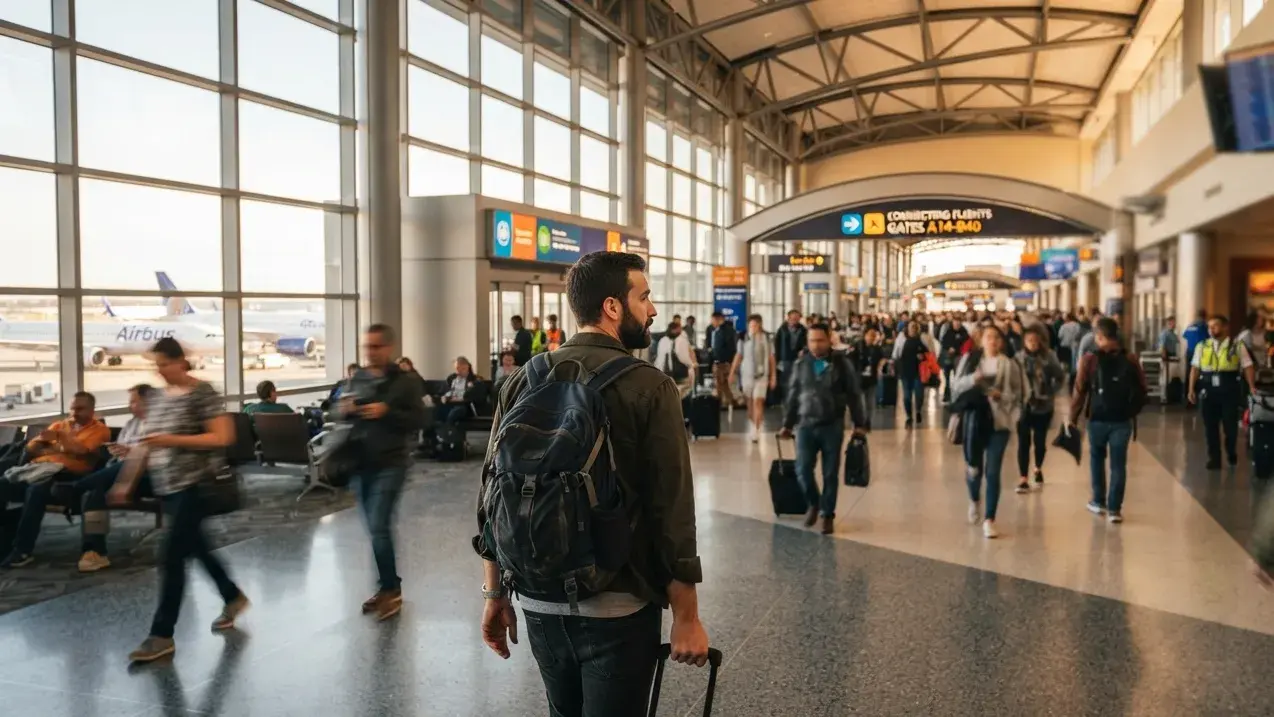
Short answer: A domestic positioning flight can explain how a traveler reaches the international gateway in a visa itinerary. Show it when it clarifies the route or the checklist asks for a complete travel plan. Match dates and names, distinguish separate from protected tickets, and leave a realistic transfer margin; the domestic leg does not replace evidence of the international journey.
An officer opens your file and sees a Delhi to Frankfurt flight. Your home is in Pune, though, and nothing connects the two cities. That gap is where positioning flights cause trouble.
Some applicants hide the domestic leg. Others list it with mismatched dates. Both choices can slow a decision. Officers notice that kind of break quickly, and vague explanations rarely help your case very much.
This guide helps you decide what belongs on the page you hand over. You will learn how to treat the domestic leg, how much buffer to leave, and when a temporary reservation makes more sense than a purchase. We also cover timing, rebooking, and schedule shifts. For a multi-leg route that includes your domestic connection, try a flight reservation for a hassle-free experience.
Key facts
- Check whether the consulate asks for the whole route or only international travel evidence.
- A separate domestic ticket may create a self-transfer and missed-connection exposure.
- Use local dates and baggage/check-in rules to plan the gateway transfer.
- Do not invent a domestic segment merely to make the visa file look complete.
- A reservation’s validity and change terms must be confirmed with its issuer.
In This Guide
Official-source check: The European Commission’s Schengen visa guidance describes supporting evidence for the intended journey while directing applicants to the consulate of their main destination for details. Its general guidance does not impose one universal rule about including a domestic positioning leg; the local checklist controls.
Reviewed for: domestic-to-international route logic, self-transfer timing, document status, and checklist-specific evidence.
Why a Domestic Positioning Flight Changes What the Consulate Expects to See
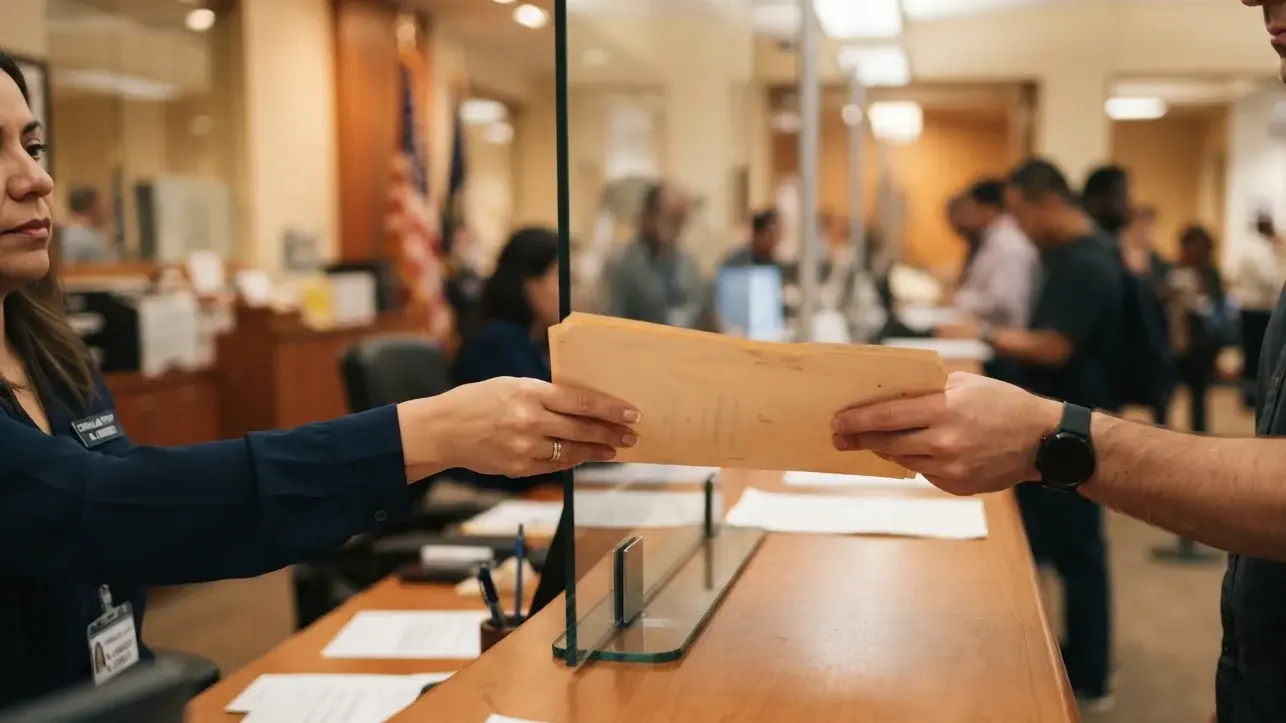
A positioning flight is the domestic hop that carries you to the airport you actually leave from. It looks minor. Yet it changes how a consulate reads your whole itinerary.
What the Officer Checks on Your Itinerary Page
Embassies require flight reservations for visa applications. The officer does not grade your domestic hop. The officer checks whether your trip has a clear start, a clear end, and a believable way home.
A flight reservation shows your travel intentions to the embassy. It answers two basic questions. When do you arrive, and when do you leave?
Flight reservations help embassies verify return travel plans. That return leg carries the most weight, especially on short stays.
Your domestic leg supports that story. It explains how you reach the international gateway. It never replaces the international route.
Who Needs to Show the Domestic Leg
Not every applicant must list it. Three common situations look like this:
Departure city matches home city. You live in Delhi and fly out of Delhi. No positioning flight exists, so nothing extra is needed.
Home city has no international service. You live in Pune and fly out of Mumbai. Listing the domestic leg explains why your route starts elsewhere.
Appointment city differs from departure city. Your appointment is in Mumbai, but you leave from Delhi. The dates must make sense across both cities.
Requirements differ between embassies. Some ask for a full flight itinerary. Others ask only for the international segments. Always read the instructions before you decide.
Reading the Official Rules Before You Book
Check visa requirements on the official embassy website before booking flights. This habit saves you from guesswork. Look at the exact wording. Phrases such as "round trip," "confirmed flight reservation," and "travel itinerary" each ask for something slightly different.
Confirm the visa type and processing requirements before travel. A short tourist stay, a business trip, and a Schengen visa for a family visit can each ask for different proof. Some consulates also want the itinerary in a specific format.
Why the First Leg Can Support Your Home Ties
Officers read itineraries as stories. A route that starts in your home country and ends there makes the return convincing. When the domestic leg is listed, the story begins at your front door instead of at an airport hub.
Consider Daniel Whitmore, who lives in Pune and applies to a Schengen consulate. His route runs Pune to Delhi, Delhi to Frankfurt, and back the same way. Every leg carries the same passenger and the same timeline. The officer sees one trip, not three unrelated bookings.
How Different Departure Hubs Change the Story
A hub close to home needs little explanation. A hub in another region needs more. If Daniel flew from Pune to a hub in the far east of the country, an officer might wonder why he skipped nearer options.
Have a short, honest reason ready. Better fares, a direct route, or an earlier connection are all fair answers. You will rarely be asked, yet a ready answer keeps the conversation calm if you are.
Mistakes That Make a Positioning Flight Look Careless
Small slips add up fast. Watch for these:
The domestic flight lands after the international flight departs.
The domestic leg uses a different spelling of the passenger name.
The domestic arrival and the international departure leave no buffer.
The return leg ends at the hub, while the visa form names another city.
Each slip is minor on its own. Together they invite questions. A clean itinerary avoids all four.
Deciding Whether the Return Hop Belongs on the Page
Many applicants wonder about the way back. Should the itinerary stop at the hub, or continue to the home city? There is no single rule, so follow the wording your embassy uses.
If the instructions ask for a round trip from your country of residence, include the final domestic hop. It closes the loop. If they ask only for the international round trip, ending at the hub is usually enough.
A form that lists Pune as home and an international itinerary beginning in Delhi is not inherently inconsistent. If the route needs explanation, show how you plan to reach Delhi and where you stay, without adding a fictional flight.
How Slow Processing Affects Your Domestic Leg
Visa processing times can fluctuate. A decision that took ten days last spring may take three weeks this season. Your domestic leg sits right inside that uncertainty.
The common issue is a domestic fare tied to a date that passes before the visa is approved. Applying early does not remove that risk. A fixed domestic date becomes a problem when the visa arrives late. Smart applicants keep that leg flexible for as long as possible. Three habits help:
Ask the consulate for current processing estimates.
Tie the domestic date to the visa decision, not to a calendar guess.
Avoid paying for the domestic leg until your passport is back.
With the rules clear and the timeline realistic, you can build the itinerary itself.
How to Build the Itinerary When the Domestic Leg Comes First
A useful itinerary should describe a feasible route and agree with the relevant application details. Check the actual gateway transfer instead of treating every page as required to show the same city.
Gateway-transfer check: Write down the domestic arrival time, international check-in deadline, terminals, baggage collection and ground transfer. If the tickets are separate, check who bears the missed-connection cost. Use that real timeline in your visa itinerary rather than a nominal gap between flight times.
Choosing the Hub and Setting the Gateway Date
Pick the hub with the most direct international service. Fewer connections mean fewer ways for the itinerary to look doubtful. Then set the international departure date first. Work backward to place the domestic leg.
Allow a time buffer between domestic arrival and international departure. Terminals can sit far apart. Baggage may need rechecking. Security lines vary by hour. Many travelers aim for several hours, and separate tickets deserve even more room.
Realistic spacing also builds trust. An arrival at 21:40 with a departure at 22:15 looks careless on paper. A gap of five or six hours looks like a plan.
Matching Names, Dates, and Details Across Every Document
Ensure the passenger name matches the passport for ticket bookings. If your passport reads Emily Jane Carter, do not enter Emily Carter on one leg and E. J. Carter on another. Consistency matters more than style.
Verify that your flight itinerary matches your visa application details. Compare four items line by line:
Arrival date at the destination
Departure date from the destination
Travel purpose and length of stay
City of departure and city of return
One mismatched date can trigger a request for more details. That request can add days you may not have.
Gathering the Paperwork Before You Reserve a Seat
Preparation before booking includes gathering necessary documents and confirmations. Collect these items first:
A passport with enough valid pages
Proof of accommodation, such as a hotel booking
Travel insurance confirmation
Bank statements and an employer letter
Your visa appointment confirmation
With that folder ready, the itinerary becomes the last piece, not the first. Submit all required documentation with the visa application. An incomplete file can pause the review, and a paused review can push your domestic date.
Handling Separate Tickets and Different Carriers
Positioning legs often run on a different carrier than the international flight. That is normal. It does change how protection works. On a single ticket, the carrier usually handles a delay on the first leg. On separate tickets, you carry that risk yourself.
On paper, the itinerary should still read as one journey. Show the domestic arrival time and the international departure time side by side. Use the same city code for the hub in both entries. Mixed codes confuse readers and software alike.
Picking Flight Times That Look Realistic
Choose times that match how people really travel. A morning domestic flight followed by an evening international departure feels natural. A midnight arrival followed by a dawn departure feels rushed.
Think about the day of the week too. Some domestic routes thin out on weekends, which limits your choices. Pick a day with several options so you can shift if needed.
Leaving Room on the Trip Home
Think about the way back too. Landing at the hub late at night, then facing a dawn domestic flight, leaves a tight gap. Leave time for immigration, baggage, and a terminal change.
Officers do not expect perfection. They do notice routes that look impossible. Calm spacing on the return shows that your travel plans are realistic.
A Worked Example With Dates That Hold Together
Take Daniel Whitmore again. His appointment falls early in the month. He plans to leave in the middle of the following month.
Domestic leg: Pune to Delhi, landing at 11:30 on the departure day
International leg: Delhi to Frankfurt, departing at 21:15 the same day
Return leg: Frankfurt to Delhi, then Delhi to Pune the next morning
Notice the nearly ten-hour gap. It leaves room for a delay and a terminal change. It also keeps the first leg from clashing with the second.
Now test the plan. If the morning flight cancels, a later domestic service at 14:00 still lands about five hours before departure. That fallback proves your route is not fragile.
Why Order Matters When You Enter the Segments
Enter the international segments first. Add the domestic leg last. This order stops the system from suggesting domestic times that squeeze your buffer.
Then read the result as an officer would. Does the first city match your home address? Does the last city match the return address? If both answers are yes, the itinerary tells a coherent story.
Next comes the question that shapes your budget. How do you reserve all of this without locking in money before the visa is decided?
Temporary Reservation or Purchased Seat for the Positioning Leg?

Your domestic leg raises a money question. You can reserve the whole route, or you can pay for the parts you are sure about. Each path has its own risk.
Why Many Applicants Reserve First and Purchase Later
A temporary flight reservation may help document plans where the visa checklist accepts it. A visa decision is not guaranteed; compare the reservation’s cost, validity and status with a purchased fare.
A reservation can sometimes be obtained without paying full airfare, but it may still have a service fee. Official checklists differ on whether a reservation or paid ticket is required. For more on reservations versus paid tickets, see this flight-reservation planning guide; verify the exact requirements for your visa.
Dummy tickets are temporary flight reservations for visa applications. Embassies accept dummy tickets to avoid forcing non-refundable purchases. For the positioning leg, the same logic applies. A domestic seat bought too early becomes money upfront with nothing to show for it.
What a Verified Reservation Should Show
A verified dummy ticket includes your name, route, and booking reference. Dummy tickets include a booking reference and travel itinerary details. Check each item the moment the document arrives:
Passenger name spelled exactly as in the passport
Every segment, including the domestic hop
Dates and times that leave a sensible buffer
A booking reference the officer can check
Reliable dummy ticket providers book you with major airline companies like Lufthansa or Emirates. You should not expect to choose the carrier. The goal is a genuine, checkable reservation, not a particular logo.
Ask one more question. Does the domestic segment sit on the same record as the international one? A single record is easier for an officer to verify.
How Long the Flight Reservation Stays Useful
Dummy tickets usually have a validity of about one week. Dummy flight tickets are temporary reservations for visa applications. So time the request close to your submission date, not to your travel date.
If your appointment is three weeks away, wait. Otherwise, the reservation may lapse before an officer opens your file. Order it when your folder is complete, and your slot is near.
Free Holds and Where They Fall Short
Some airlines offer free flight reservations for visa purposes. Free flight reservations help applicants avoid wasting money on tickets. These holds can suit a single direct flight.
Limits show up fast on a multi-leg route. Holds often last a short time. Policies differ by airline. Domestic and international segments may sit on different carriers, so you could juggle several holds that expire on different days. Even a low-cost airline may charge a cancellation fee if you hold a paid fare and later cancel.
A dummy flight booking combines the legs into one document. A dummy flight is a good option when the route has more than two segments, and the visa date is uncertain. Dummy flight tickets help applicants avoid wasting money on real tickets.
Splitting the Route Between a Hold and a Purchase
Some applicants mix both methods. They reserve the international segments and pay for a cheap, flexible domestic seat. This hybrid can work when the domestic fare is low, and the change terms are generous.
Read the fare rules first. Look for free changes, credit for cancelled seats, or low penalties. A flexible domestic fare protects you if the visa date moves. A rigid one does not.
Keep the logic simple. If losing the domestic fare would hurt, reserve it instead. If losing it would barely matter, buying may be fine. Make that call before the visa file is complete, not after.
Keeping the Flight Itinerary Consistent With Your Other Bookings
The international arrival date should make sense beside the destination accommodation date. Account for overnight transit, host stays or early arrival rather than forcing identical dates where the journey does not call for them.
Match the length of stay too. A ten-night hotel stay paired with a twenty-one-night flight gap looks unplanned. Align the two before you order anything.
Questions Worth Asking Before You Order
Not every provider suits a multi-leg route. Ask these first:
Can the domestic and international legs appear on one document?
Can the booking reference be verified on the carrier's site?
Can the dates change if the appointment moves?
Is the document delivered as a PDF you can print?
Clear answers to these four questions decide most cases in minutes.
When a Real Flight Ticket Finally Makes Sense
After a visa decision, check its validity and conditions before buying travel. An issued ticket has carriage rights subject to fare and airline rules; a reservation generally does not. Do not assume every paid ticket includes seat selection or baggage. If the terminology is unclear, what a dummy ticket means distinguishes a temporary reservation from issued airfare.
Mind the order. Purchase the international leg first, since it anchors your trip. Then buy the domestic leg to fit around it. This order protects the buffer you built earlier.
Once the reservation is in place, cost and timing remain, because both can shift after you submit.
Timing, Costs, and Rebooking When the Domestic Leg Shifts
Even a well-built itinerary can move. An appointment slips, a consulate asks for extra papers, or a domestic schedule changes. Here is how to handle the money and the dates.
Comparing the Price of Each Approach
A purchased route can cost hundreds of dollars before you hear from the consulate. On long-haul routes, the total can reach thousands. If the visa is refused, that spend is hard to recover. A refund depends on the fare rules, and a partial refund is common.
A reservation costs a small amount by comparison. Most providers charge a small service fee for the document. Weigh three numbers: the price of a purchased fare, the price of a reservation, and the cost of a missed appointment.
Paying early feels safe, yet it can be costly. Paying late keeps your money free for visa fees, insurance, and accommodation. That is no waste, only good sequencing.
Rebooking Without Starting Over
If a planned date changes, ask the issuer whether the reservation can be amended and at what cost. Review BookForVisa’s current terms instead of assuming a fixed price or unlimited changes.
Compare services on three points: how fast you receive the document, how changes work, and whether the booking reference can be checked online. Those points matter more than any extra feature.
Planning Around Holidays and Peak Weeks
Consulates close on local holidays, and some booking centres slow down before peak seasons. A holiday week can add several days to a decision. Domestic fares also rise in festival weeks, so the positioning leg may cost more when you finally buy it.
Check the consulate's holiday list when you pick your submission date. Then check domestic demand around your travel date. If both look crowded, move your plan a few days earlier.
What to Do When the Domestic Schedule Changes
Sometimes the domestic flight moves, not the visa. Your first step is to check the new arrival time. If the buffer shrinks below a few hours, update the itinerary before you submit it.
If you have already submitted, contact the consulate and offer the revised details. Keep the message short. Include the old and new times, plus your application number. Consulates see schedule changes often, and a clear note usually settles the matter. Send a revised itinerary rather than a long explanation.
Keeping a Simple Record of Every Version
Keep one folder for every version of the itinerary. Name each file with its date. Add a one-line note on why it changed. When an officer asks about a difference between two pages, you can answer in a single sentence.
That record also helps if you later switch from a reservation to a purchase. You will see exactly which dates and names carried over.
Deciding When to Stop Waiting and Submit
Some applicants delay submission while they chase a perfect itinerary. That habit costs more than it saves. Appointment slots are limited, and a late file can push your travel date into peak fare season.
Set a cutoff. Once the names match, the buffer holds, and the dates fit your documents, submit. A good itinerary does not need to be perfect. It needs to be consistent and easy to verify.
Handling Families and Small Groups
For family travel, check each passenger’s exact name and segments. Travelers may share a record or have linked records; the issuer should confirm how each person is shown.
Check that every traveler appears on both the domestic and international segments. One missing name can stall the whole group. Then add the combined cost to your budget before you buy anything.
Final Checks Before Your Documents Go In
Consulates in the UK and across Schengen countries read itineraries differently. They share one habit, though. They look for consistency. Run these checks before you submit:
Read the itinerary aloud, from the first domestic departure to the last arrival.
Confirm the purpose of travel appears the same on every page.
Ensure the passenger name, dates, and cities match the form.
Avoid edits after you submit the application.
There are three simple reasons to follow this order. It protects your money, your buffer, and your credibility. In addition, it shows the consulate that you understand the process. The result is a file that is easy to approve.
Put those checks together, and the domestic leg stops being a worry and becomes a routine part of your file.
A Domestic Leg Is a Detail You Can Control
The domestic positioning flight is only one line in your file. Treat it with care, and the officer sees a sensible journey from your home city to the destination and back. Keep the names, dates, and buffer consistent, and the rest follows.
Use a genuine reservation where the checklist permits it and the document accurately describes the route. After approval, arrange issued tickets that satisfy the visa and airline requirements.
Need a flight-reservation document that shows the actual route through your gateway? Review BookForVisa’s current options and terms before ordering.
Review flight-reservation optionsFrequently Asked Questions
Must I include a domestic positioning flight in every visa file?
No. Follow the relevant checklist. Add the leg when it is requested or materially clarifies how the planned international journey works.
Does a separate domestic ticket protect my international connection?
Usually not automatically. Verify the airlines’ ticketing and disruption terms for the actual bookings.
Can I reserve the international leg before buying the domestic one?
Possibly, if the visa authority accepts a reservation. Keep the route truthful and account for the positioning leg in the timeline.
How much transfer time is enough?
There is no universal buffer. Check terminals, baggage, immigration if any, check-in cutoff and disruption risk.
Should my home city equal the international departure city?
No. If they differ, explain the domestic or ground positioning leg if it is relevant to the application.
What if the domestic flight changes?
Recheck the international connection and update any affected documents through the authority’s process.
Friendly reminder: BookForVisa provides travel-proof documents for planning and visa-application support. Requirements vary by destination, consulate, visa category and applicant situation. A flight reservation can support a file, but it does not guarantee approval, boarding or entry.