
Short answer: A representative can coordinate appointments and documents, but the application remains yours. Give them a flight reservation whose passenger name, route, dates and return plan match your passport, invitation and accommodation. Review every field before submission and report changes promptly. A flight reservation for visa can support the file where the checklist permits it, but it cannot guarantee approval, boarding or entry.
Using a travel agent, family member or authorised representative can make a Schengen visa process easier to organise. It does not transfer responsibility for the truth of the application. Your passport, travel purpose and intended dates remain the reference points the consulate will assess.
The safest arrangement is a partnership: the representative handles logistics, while you verify the flight reservation, accommodation, insurance, funding and answers before anything is submitted.
Key facts
- A representative may coordinate the file but does not make the visa decision.
- The passenger name, route, dates and purpose must reflect your actual plan.
- Ask for a complete copy of every document submitted on your behalf.
- Biometrics or interviews may still require your personal attendance.
- Update the representative and the consulate or document centre if material details change.
What to verify before submission
- Flight reservation: name, airports, dates, connections and return or onward plan.
- Invitation and cover letter: purpose, host, main destination and explanation of the route.
- Accommodation and insurance: dates that cover the same nights as the itinerary.
- Application copy: answers, contact details and declarations that remain your responsibility.
For a practical overview of the document, read the complete flight reservation for visa guide before your representative assembles the final PDF set.
Official-source check: The destination consulate or visa centre controls whether a representative may submit documents and which steps require the applicant’s presence. Verify the current checklist and appointment instructions directly. For US examples, consult State Department visa guidance and the IATA Travel Centre for carrier-facing checks.
Hand your Schengen visa application to a travel agent, and one assumption tends to creep in: the paperwork trail is now someone else's problem.
It isn't. Your visa application still carries your name, your passport, and your travel dates. The visa officer reviewing it won't separate what you handled from what your representative handled.
That gap between who manages the process and who owns the outcome is where representative-led applications run into trouble. This guide breaks down what a representation form really authorizes, how to keep your flight reservation matched to the appointment your agent books, and what to do the moment your plans change mid-process. Start your dummy ticket booking for this scenario before your representative finalizes the file.
For a broader explanation of the document itself, review the complete flight reservation for visa guide before handing the file to a representative.
What Actually Changes When A Representative Handles Your Schengen Visa Application

Letting a travel agent or a family member submit your Schengen visa application does not change the rules behind the visa application process. It only adds a layer of coordination between you and whoever is handling the paperwork.
The Representation Form And What It Does Not Cover
Before an agent can touch your file, this step happens first. You sign a representation form to authorize the agent's actions. This tells the visa application centre that someone other than you is allowed to submit documents and follow up on your application status.
What it does not do is transfer ownership of the outcome. An agent handles visa applications as your authorized representative. They are not a decision-maker. Every flight reservation and cover letter still needs to reflect your actual travel plans.
The visa authority makes the final decision about visa approval. That decision rests entirely on the documents in your file, and it has nothing to do with who dropped them off at the visa application centre.
Ask your agent directly whether they are acting under a full power of attorney or a simple representation form limited to submission and collection. The scope of that authorization decides what they can adjust in your file without checking with you first.
If your authorized travel agent has handled dozens of Schengen visa applications, it's tempting to assume the process runs on autopilot. It doesn't. A visa officer reviews each visa application on its own supporting documents.
This distinction matters most when the person helping you isn't a registered agent at all. A friend or relative submitting documents without formal authorization doesn't carry the same standing as an authorized travel agent recognized by the visa application centre.
Why Your Biometric Appointment Still Needs You In Person
One detail catches applicants off guard more than any other. Many visa systems require the applicant's physical presence for biometrics. Your representative can schedule the appointment and courier your documents, but they cannot sit in for your personal interview.
This shapes your appointment schedule. If you live outside New Delhi, or wherever your nearest visa application centre happens to be, your agent may book the slot, but you still need to show up on that date in person.
Some applicants assume that using an authorized travel agent means skipping the visa application centre altogether. It doesn't. VFS Global and similar centres handle biometric and document submission in person, whether it's a short stay visa or a long stay visa.
Your representative's job is to line up the paperwork and the appointment before you walk in. It is not to walk in instead of you.
Consider an applicant named Sarah, arranging a Schengen visa from Mumbai while a travel agent handles her paperwork. Her agent books the appointment and prepares her file, but Sarah still travels to the visa application centre herself for the biometric scan and interview.
Passport Details Are The One Thing No Agent Can Adjust For You
However experienced your representative is, they cannot fix a mismatch that starts with your own passport. You must provide up-to-date biographical information matching your passport. This applies to your visa application form, your flight reservation, and every supporting document your agent submits.
Ensure all documents submitted align with your passport details. That includes something as small as how your name is spelled. A flight reservation that lists your name slightly differently than your passport can raise a question your agent has no way to answer during the personal interview.
This is also where required documents tend to pile up. Between the application form, travel insurance, financial statements, and your flight reservation, your representative is assembling a paper version of your trip.
If any piece of that paper trail doesn't match your actual documents, the inconsistency travels with the file long after your agent has submitted it and moved on to the next applicant.
The same logic applies to travel insurance and financial documents. If your representative pulls an old proof of funds letter to save time, but your visa application form reflects updated travel dates, the file no longer tells one consistent story.
Once your visa sticker is issued, check it against your passport one more time. A representative who collects your passport by courier service on your behalf should confirm the sticker's dates and category match what you actually applied for before handing it back.
None of this is meant to make you second-guess a capable representative. It simply means treating the relationship as a partnership, where your agent handles the logistics, and you stay the final check on anything tied to your own passport and travel dates.
A quick five-minute review of your file before it leaves your agent's hands, comparing names, dates, and destinations line by line, is a small habit that prevents most of the mismatches described above.
Getting Your Flight Reservation Right When Someone Else Is Coordinating It
Once your representative starts managing appointments and paperwork, your flight reservation becomes a shared responsibility. Getting this piece right matters as much as anything else in the file.
Can Your Agent Book The VFS Global Appointment For You
Check if a representative can book an appointment on your behalf. The answer varies by visa application centre. Some centres allow an authorized travel agent to reserve a slot using your passport details, while other Schengen states require the applicant to book directly.
Agents may manage logistics for booking flights and accommodations. They will often propose an appointment date based on when your documents are ready rather than when you actually plan to travel. If your representative books a slot weeks before your intended travel dates, that gap needs to be intentional.
Take an applicant named James, applying for a Schengen visa through an authorized travel agent in Delhi. His agent proposes an appointment for three weeks out, based on document readiness, while James actually plans to travel two months later. Confirming that gap upfront avoids a rushed itinerary later.
Not every agent proactively explains why they picked a particular appointment slot. Ask directly, especially if you're coordinating multiple travelers, since visa application centres sometimes offer only limited slots per visa category during peak season.
Matching The Itinerary To The Appointment Date, Not Just The Trip
Confirm the appointment date is reflected in your travel documents. This should be exact, not just approximate. Your flight reservation should support the timeline your representative has already committed to, with enough buffer after visa processing for your passport to come back with a visa sticker inside it.
A flight itinerary must match your travel plans for visa approval. The departure date, the main destination, and the return dates on the reservation should all tell the same story as the rest of your file.
If your agent has listed Spain as your main destination on the cover letter but your itinerary shows first entry into a different country, that inconsistency is exactly what a visa officer notices, even when everything else looks clean.
If your representative is coordinating documents for other Schengen countries as backup options, make sure only one final version reaches the visa application centre. A cover letter written for Spain paired with a reservation for a different country undoes the consistency your agent worked to build.
Airports listed on your itinerary matter too. If your representative books first entry through an unfamiliar city instead of your expected point of arrival, mention it before submission rather than discovering the mismatch during your personal interview.
Why A Purchased Ticket Isn't The Safer Choice Here
You can obtain a flight itinerary without purchasing a ticket. This is usually the more practical route when a representative is coordinating your file. A full flight ticket locks you into specific travel dates well before your visa approval is confirmed.
If your appointment schedule shifts, or your representative needs extra time to gather additional documents, you're stuck holding a ticket that no longer matches your plan. Temporary reservations may be used for visa applications. This avoids that problem entirely.
They can show intended flight details, airline, airports and dates without being a paid ticket, without committing you financially to a trip that hasn't been approved yet. That flexibility matters more when several people are managing your timeline at once.
A dependable dummy ticket from BookForVisa.com arrives as an verifiable where the provider’s record remains active PNR with a PDF you can hand straight to your representative, and allows date changes subject to current provider terms if your appointment shifts, for the provider’s current service fee.
This flexibility also helps when your representative is juggling several applicants at once, since a held itinerary is far easier to reissue with new dates than a paid ticket routed through a specific airline and fare class.
This also protects you financially. If your representative later finds a missing document and your appointment gets pushed back, you are not the one negotiating a refund or change fee with an airline for a ticket you never needed to buy.
Whichever route you and your agent choose, request the reservation document early enough to review it yourself. A quick read-through of the flight details before submission catches typos and date mismatches faster than waiting for a visa officer to flag them later.
When dates or airports change, compare the updated file with the visa flight itinerary requirements guide before your representative resubmits anything.
Handling Changes After Your Application Has Already Been Submitted
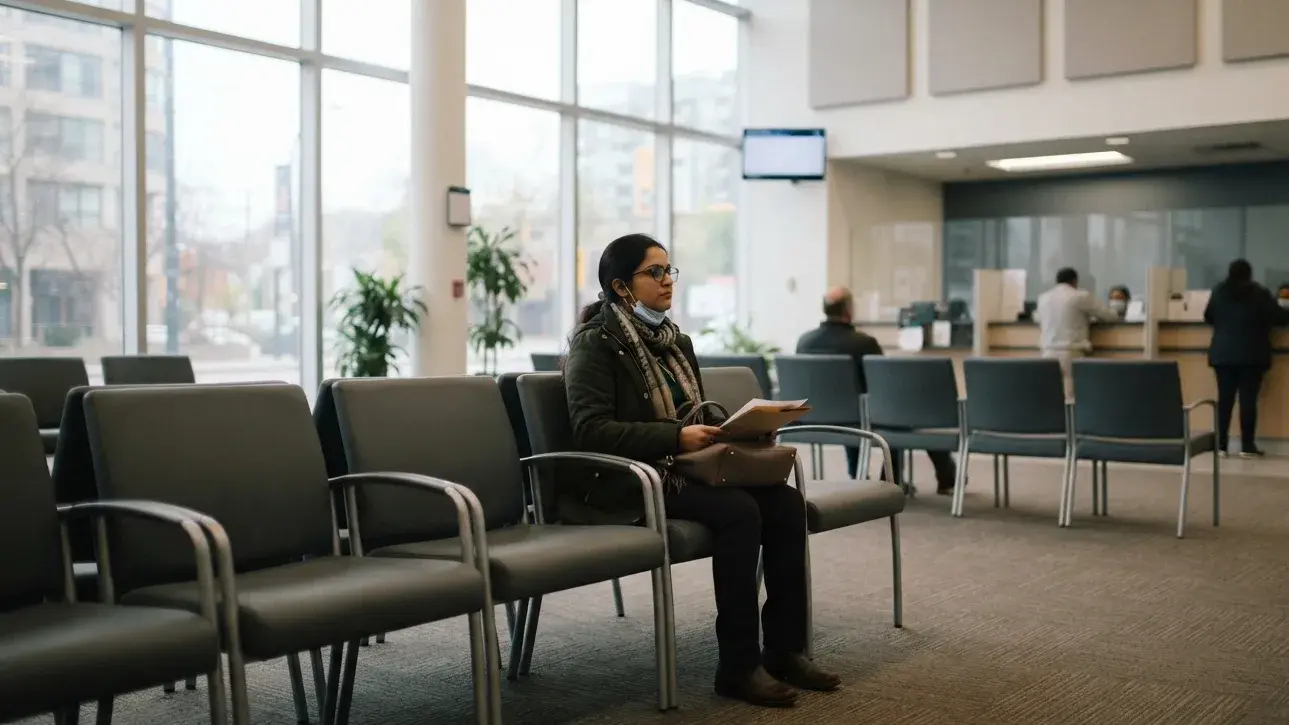
Plans shift. A meeting gets rescheduled, a flight itinerary gets adjusted, or your representative finds a document that needs replacing after submission. What happens next depends on what kind of change it is.
This is the point in the process where clear, quick communication between you and your representative matters most, especially if you are applying for a short-stay visa with a tight travel window.
Date Shifts Versus Story Shifts: What Visa Officers Actually Notice
A date change is usually less serious than a story change. Shifting your travel dates by a few days, or adjusting the return dates on your flight reservation, rarely raises concern on its own.
Visa officers care more about trip logic than exact flight dates. They're far more focused on whether your main purpose, main destination, and travel plans hang together than on whether you land on a Tuesday or a Thursday.
Most tourist visas allow date changes within the validity period. Once your new visa has been issued, a minor shift after visa approval is rarely a problem. The real risk sits with changes made before submission.
Before submission, your representative needs to update the flight reservation, the cover letter, and the application form all at once, so every document in the file tells the same version of your trip.
Say your representative pushes your travel dates back by four days because your appointment schedule shifted. As long as your main destination, main purpose, and length of stay stay the same, this kind of update rarely draws extra scrutiny from a visa officer.
When A Change Is Big Enough To Tell The Embassy
Not every update needs a phone call to the embassy, but some do. Changing destination countries can undermine your visa application. This risk is highest if your file was built around a specific Schengen visa code tied to your main destination.
Swapping Spain for one of the other Schengen countries after submission, without updating your supporting documents, tells a visa officer two different stories from the same applicant.
Notify the embassy if changes affect the trip's core details. This includes your main purpose of travel or the length of your stay. A short stay visa application built around a two-week holiday looks very different from one supporting a longer visit.
Your representative should flag this kind of change immediately, rather than assuming it will pass unnoticed during processing.
If this happens, ask your representative to submit a short written note through the visa application centre, or by courier service, explaining exactly what changed and why. A brief explanation upfront reads far better than a visa officer discovering the discrepancy on their own.
This is especially relevant if your original file listed a single main destination like Spain, but your actual plans now include stops across other Schengen countries. Clarify whether your first entry point into the Schengen area needs to change along with the rest of your itinerary.
The Trouble With Holding More Than One Reservation At Once
It's common for an authorized travel agent to compare a few flight options before settling on one, weighing full flight ticket prices against a simple flight itinerary built for visa purposes. The mistake happens when more than one version ends up inside your visa application by accident.
Multiple conflicting reservations can make your application look unstable. This holds true even when the confusion is purely administrative. If one flight reservation goes out with your cover letter and a different one gets attached during courier service with the visa application centre, the visa officer sees two sets of travel dates for the same trip.
Keeping a single, current version of your itinerary and confirming with your representative which one was actually submitted avoids this entirely.
Ask your representative to confirm, in writing, which flight reservation was the final one submitted with your visa application. This takes a few minutes and removes any ambiguity if the embassy later asks a follow-up question during your visa interview.
Keeping your own dated copy of each reservation version, even informally in an email thread, gives you something concrete to check against if your representative's records ever conflict with what actually went to the visa application centre.
A quick weekly check-in with your representative during active processing costs little and catches most of these issues before they reach the embassy. Waiting for a formal request for additional documents is a slower, more stressful way to find out something changed.
Keeping Your Side And Your Representative's Side In Sync
Most problems in a representative-led visa application process come down to timing and communication, not bad intentions. A short checklist before submission, and a plan for what happens if things stall, covers most of it.
A Short Checklist Before Your Agent Submits Anything
Before your file goes to the visa application centre, confirm a few basics. Check that your visa category matches your actual purpose of travel, whether that's tourism, business, or a family visit to other Schengen countries in Europe.
A short stay visa and a long stay visa call for different supporting documents, and submitting the wrong visa type is one of the more avoidable reasons behind a visa refusal.
Ask whether the visa fee has been paid under your name, so you know exactly what you pay for and to whom. Some travel agents bundle their service fee with the visa fee, and that distinction is worth confirming upfront.
Confirm your flight reservation, travel insurance, and any additional documents are current and valid, not leftover drafts from an earlier version of your trip. Keep proof of every payment in case the visa application centre asks for it later.
If you're applying from India for a Schengen visa, double-check that your appointment and your reservation both list a departure that actually works for you, not just for your agent's schedule.
It also helps to verify that your representative is a recognized authorized travel agent rather than an informal middleman. A registered agent tied to the visa application centre network typically has clearer accountability if something in your file needs correcting quickly.
Keep a personal folder, physical or digital, with copies of your passport, application form, flight reservation, and any letter your representative submits. This becomes useful if you need to visit the visa application centre yourself partway through processing.
This is worth double-checking even for a routine short stay visa. A visa category that seemed straightforward at the start can shift if your travel plans change mid-process, and your representative may not always catch that on their own.
What To Do If Your Agent Goes Quiet Mid-Process
Some airlines hold reservations for a small fee. Travel agents can hold tickets for up to seven days. That gives you a short window to sort out delays without losing your flight reservation entirely.
If your representative stops responding after submission, use that window to confirm your reservation is still active rather than assuming everything is fine.
It also helps to ask for copies of everything your agent submits, including the application form, the cover letter, and the flight reservation itself. If additional documents are requested partway through visa processing, or you need to visit the centre yourself, you already have what the visa officer is working from.
A representative can save you time, but the fastest way through the process is still one where you know exactly what has been submitted, and under what details.
If days pass without an update, contact the visa application centre directly using your application reference number rather than waiting indefinitely on your representative. Most centres can confirm receipt of documents even if they can't discuss the visa officer's internal review.
Set a simple rule with your agent: no version of your flight reservation gets submitted without your confirmation first, even if it delays the visa application centre appointment by a day.
None of this means representatives create more risk than applying alone. It just means the coordination has an extra step: making sure what your agent submits and what you actually intend to travel with are always the same document.
Most applicants who use a representative do so to save time, not to hand over control, and that's a reasonable trade as long as you stay looped in on every document carrying your name.
A short conversation at the start about how updates will be shared, whether by phone, email, or a shared file, tends to prevent the majority of coordination gaps described throughout this guide.
If you still need a provisional route document, the flight reservation for visa service can help keep the copy sent to your representative aligned with your own records.
Your Application, Your Responsibility, Even With Help
A representative can carry the logistics, the appointment scheduling, and the courier runs to the visa application centre, but the story your documents tell is still yours. Keep your flight reservation, application form, and passport details in agreement with each other.
Treat every update your agent makes as something you check before your visa interview, not something you find out about afterward. That single habit, checking rather than assuming, is what keeps a representative-led application running smoothly through to your visa sticker. Book your dummy flight ticket reservation early enough to give your agent room to work with.
Need a reservation your representative can submit accurately? Check the passenger name, route and dates yourself, then send the same verified details to the person coordinating your application.
Prepare your visa reservationFAQ
Can a representative submit my visa application?
Some destinations and visa centres allow authorised representatives for specified steps, while others require the applicant’s presence. Follow the current destination instructions.
Who is responsible for errors in the submitted file?
You remain responsible for the truth and accuracy of your application, even when another person prepared or delivered the documents.
Should the flight reservation be in my name?
Yes. The passenger name should match your passport and the rest of the application exactly.
What if my dates change after the representative submits the file?
Tell the representative promptly and follow the consulate or visa-centre process for corrections or additional documents. Do not let conflicting versions circulate.
Can I use a temporary reservation with a representative?
Only where the destination checklist permits provisional travel proof. Review the document yourself before it is submitted.
Does using an agent improve visa approval chances?
No. A representative may improve organisation, but the decision depends on the complete application and the applicable rules.
Friendly reminder: BookForVisa provides travel-proof documents for planning and visa-application support. Requirements vary by destination, consulate, visa category and applicant situation. A flight reservation can support a file, but it does not guarantee approval, boarding or entry.