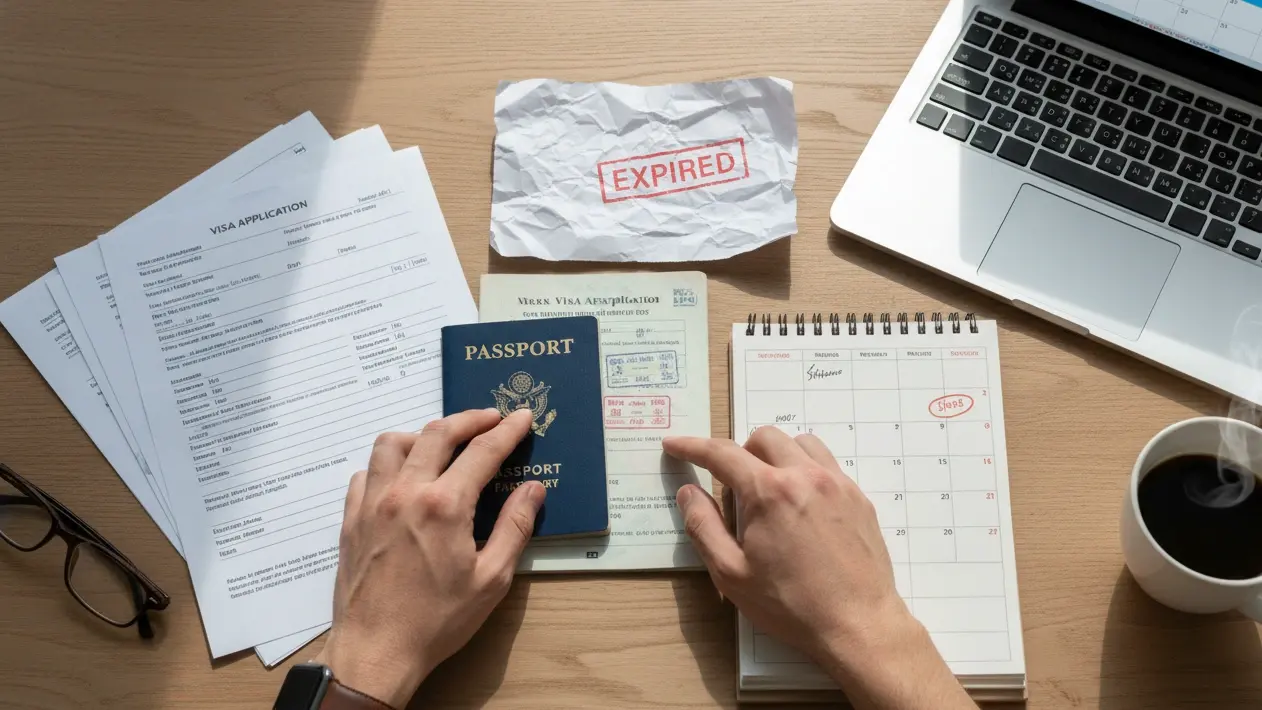
Short answer: A flight paid with someone else’s credit card is not automatically a visa problem. The passenger name, route, dates, return or onward plan and payment explanation should match your passport and application. Keep the cardholder’s authorisation and any airline verification evidence available, because carrier rules vary. A flight reservation for visa can support the file where the checklist permits it, but it cannot guarantee approval, boarding or entry.
Your visa appointment is booked, your documents are ready, and then you notice that the credit card used for the flight belongs to a family member or friend. That arrangement can be legitimate, but the payment relationship and the travel evidence should be easy to explain.
Consulates generally assess the applicant’s itinerary, purpose, funds and intention to comply with the visa—not simply the name on a payment card. Airlines, however, may apply their own fraud or card-verification controls, so prepare for both parts of the journey.
Key facts
- The passenger name and passport details must be exact.
- Payment-card ownership and passenger identity are separate facts, but the arrangement should be truthful.
- Some airlines may ask for cardholder authorisation or additional verification.
- Keep the itinerary, payment receipt and authorisation evidence together.
- Destination checklists control whether a reservation or paid ticket is acceptable visa proof.
What to keep in the file
- Flight reservation or ticket: passenger name, route, dates, airports and booking reference.
- Cardholder authorisation: a truthful note or record showing that the named cardholder approved the payment, when relevant.
- Payment evidence: receipt or confirmation, with sensitive card numbers protected.
- Application documents: invitation, accommodation, insurance and funding proof that agree with the itinerary.
For the complete travel-proof framework, read the complete flight reservation for visa guide before deciding whether to purchase or reserve the itinerary.
Official-source check: Visa requirements come from the destination consulate or visa centre, while payment verification comes from the airline or booking channel. Verify both sets of instructions directly. For US examples, consult State Department visa guidance and the IATA Travel Centre for carrier-facing checks.
Your visa appointment is booked, your documents are stacked and ready, and then it hits you: the credit card you used to book your flight belongs to your brother, not you. Panic sets in, but it shouldn't. Embassies care about your travel plans, not the account number attached to your itinerary.
This situation is far more common than most applicants realize, and it rarely creates the problem people expect. What matters is how you present the booking and the documents you carry alongside it. The short answer is yes, you can usually proceed once the booking and payment details are documented accurately.
In this guide, you will learn exactly what visa officers check, how airlines treat third-party payments, and what to do if a card question comes up at the airport. A dummy ticket booking built around your exact travel dates keeps your visa file clean and your wallet untouched.
For the wider travel-proof context, review the complete flight reservation for visa guide before deciding whether a paid ticket or a provisional reservation fits the checklist.
Why Visa Officers Care About Your Itinerary, Not Who Paid For It

Visa officers spend more time scanning your travel dates and passenger name than checking who swiped a card. Their job is to confirm you have a real plan to leave the country, not to audit your bank statement.
What Embassies Actually Check When They Review Your Flight Tickets
Embassies require flight reservations, not paid tickets. That single line explains most of the confusion applicants feel around payment methods. A reservation is proof of a plan. A paid ticket is proof of a purchase, and embassies rarely need the second one.
A flight reservation shows travel plans without financial risk, which is exactly why consulates prefer it. The Schengen visa guidelines specify that a flight itinerary is required, and this standard has been copied by immigration offices across Europe and beyond. Visa issuance typically requires a valid and confirmed flight itinerary, meaning the officer wants to see your destination, your dates, and a booking reference they can verify.
A reservation an officer will accept typically includes:
-
Your full name as it appears on your passport
-
Clear entry and exit dates for the destination country
-
A real airline name and flight number
-
A booking reference or confirmation number
None of these items mention a payment method, a card number, or a cardholder. That absence is not an oversight. It reflects what the review process is actually built to confirm.
Think about the sheer volume a single consulate handles in one week. A visa officer works through dozens, sometimes hundreds, of files each day. Checking payment ownership on every ticket would slow the process down for everyone, and it would tell the officer nothing useful about a genuine intent to return home after the trip.
Consider a straightforward example. Priya, a graduate student from Mumbai applying for a short-term Schengen visa, used her father's card to secure her flight reservation. Her application form listed her own name, her own travel dates, and her own passport number. The reservation matched every one of those details, and the card behind it never became part of the conversation.
Where Payment Details And Visa Approval Actually Intersect
Matching the passenger's name with their passport is critical for booking, and this is where applicants should focus their attention instead of worrying about whose card was used. Visa officers focus on details matching the traveler's documents rather than payment methods, so a small typo in your name matters far more than a mismatched card.
Travel documentation must reflect the traveler's true identity. If your name, date of birth, and destination line up across your passport, application form, and reservation, the officer has what they need to process your file.
Mismatched names between the passenger and credit card do not by themselves determine a visa decision, and this holds true whether a parent, sibling, or friend covered the cost. Using another person's credit card does not inherently invalidate a visa application, and no consulate guideline anywhere lists card ownership as a rejection reason.
Documentation consistency is vital for successful visa applications, so keep your attention there. Many applicants spend hours searching forums for a definitive answer, worried that a borrowed card will trigger extra scrutiny. In practice, consular staff see this pattern often enough that it barely registers as unusual.
Even in the rare case where a visa officer asks about your itinerary during an interview, the honest answer is simple. Explain that a family member or friend covered the reservation, and move on to describing your travel plans. Officers are trained to listen for consistency in your story, not to interrogate a payment trail.
Does the airline or embassy ever ask why someone else paid? Not usually. many airlines process third-party payments, but carrier verification policies vary, and consulates work from the application form and reservation, not from a card statement. The question surfaces far more often in traveler forums than it does at an actual counter or a real interview.
Should you mention the card issue anywhere on the visa form? Most application forms do not have a field for it, and there is no need to volunteer the information. Focus your written answers on your travel plans, your accommodation, and your ties back home, since those are the details that carry weight in a decision.
Once you understand that the card is a background detail rather than a review point, the next logical question becomes practical: how do you actually complete a booking this way without running into trouble later?
Booking A Flight With Someone Else's Credit Card: How It Actually Works
This pattern holds true whether you are flying a major international carrier or a smaller regional operator, and it applies just as much to a short weekend trip as it does to a longer multi-city itinerary. The underlying logic never changes: the airline wants a valid, verifiable payment, and the consulate wants a valid, verifiable plan.
Once you know embassies do not police your payment method, the process of actually booking becomes far less intimidating. Most airlines and travel platforms handle this scenario every single day.
Steps To Take When A Friend Or Family Member Pays For Your Ticket
Booking a flight with someone else's payment card is possible on nearly every airline website and app, and the mechanics barely differ from a normal purchase. You can book flights for others using your payment method, entering their full name and passport details as the passenger while your own card details cover the total cost.
Booking for others is common for gifts or business trips, so airlines rarely flag it as unusual. A colleague booking travel on behalf of a coworker, or a parent booking for their adult child, follows the exact same flow.
To keep things smooth, follow this order when you complete a booking:
-
Enter the passenger's full name exactly as it reads on their passport
-
Confirm the travel dates and destination location match the visa application
-
Enter the cardholder's card number and billing details for payment
-
Save the booking confirmation and email receipt immediately after payment
Passenger details must match their official travel documents exactly, so double-check spelling before you submit the reservation. A single missing middle name or reversed initial can create a difference that later causes confusion at check-in.
Take James, who booked a flight to Toronto for his sister Emma. He used his own card while entering her name and passport number as the passenger. The confirmation email listed Emma as the traveler and James as the billing contact, which is exactly how an airline expects this kind of booking to look.
One detail travelers often miss is the billing address field. It should match the cardholder, not the passenger. Airlines use this field for their own internal fraud checks, and entering the traveler's home address instead of the cardholder's address can trigger an unnecessary decline at checkout.
If the cardholder is not comfortable reading out full card details over a phone call, most airline websites let you enter payment information directly through a secure checkout page. That way, the card number never has to pass through a second conversation, and the transaction stays between the cardholder and the airline.
Prepaid travel cards and virtual card numbers work the same way in most booking systems, provided the cardholder generates one specifically for your reservation. This is a useful option for a cardholder who prefers not to expose their primary account details for a single transaction, and airlines rarely treat it any differently from a standard credit card.
If your trip involves a currency different from the cardholder's home currency, mention this before booking. Some banks flag international charges automatically, which can decline a legitimate transaction at the worst possible moment. A quick heads-up call to the bank before booking prevents an awkward failed payment during checkout.
Passenger Details Airlines Verify Before Confirming A Third-Party Payment
Flight reservations must match travel dates in visa applications, which means the dates on your booking confirmation should mirror what you wrote on your application form. A genuine flight reservation shows entry and exit dates clearly, giving both the airline and the consulate a consistent story to verify.
A genuine flight reservation includes real airline data and a booking reference, something worth mentioning because not every option online provides this. Many reservation-only services price a Standard Flight Reservation at a provider-specific service fee, though rates and inclusions vary between providers, so compare what each one actually delivers before you pay.
Visa applicants should not purchase non-refundable tickets before approval. If your card belongs to someone else and the visa gets denied, a refund request becomes an extra layer of hassle for both of you. A reservation can reduce the risk of committing funds before approval while still providing the travel proof the checklist permits.
Before you finalize anything, check whether the reservation provider allows date-change terms if your appointment or travel plans shift. A flexible reservation saves the cardholder from repeat charges and saves you from resubmitting documents at the last minute.
Can the cardholder cancel the reservation after you submit your visa application? Technically, yes, since the account controls the booking, so agree in advance on who manages changes. A quick conversation before you submit your paperwork avoids a mismatch between what the consulate has on file and what actually exists in the airline's system.
Does the passenger need to create their own account with the airline? Not necessarily. Many airlines allow guest checkout, where the cardholder completes the purchase without either party needing a saved profile. This keeps the process quick, particularly for a one-time booking rather than a frequent traveler relationship.
With the booking itself sorted, the next concern most travelers raise is what happens later, once they are standing at an airline counter with a card that is not their own.
Before travel, compare the passenger, airports and dates with the visa flight itinerary requirements guide and the airline’s own payment-verification rules.
Avoiding Check-In And Airport Problems After A Third-Party Booking
Booking the ticket is usually the easy part. The moment that makes people nervous is standing at the airport counter, wondering if an agent will ask a question they cannot answer on the spot.
Documents To Carry When The Cardholder Isn't Traveling With You
It's advisable to keep documentation proving authorization from the cardholder, especially for international travel where staff may follow stricter identity checks. A short authorization letter, signed by the credit card owner, stating that they approved the purchase for the named passenger, can help explain the payment arrangement without complication.
Keep proof of payment accessible during the journey rather than buried in an email you cannot open at the counter. Check the specific airline's policy regarding third-party payment rules before departure, since requirements shift between carriers and even between countries the airline flies to.
A simple travel folder, physical or digital, should include:
-
The flight confirmation and booking reference
-
A signed authorization letter from the cardholder
-
A copy or photo of the front of the card (with the card number partially hidden)
-
The payment receipt showing the total charged
Keeping these updated details together removes the guesswork if an agent at the check-in desk or a border officer asks a follow-up question. Family members traveling together should each carry their own copy rather than relying on one shared file.
If you also purchased travel insurance under the cardholder's name, bring that confirmation along too. It reinforces the same simple story: someone else helped finance part of your trip, and every document you carry says so consistently.
Smaller regional airports sometimes have less experience with third-party card bookings simply because they see fewer international travelers overall. Building in extra time before your flight at these locations gives an agent room to make a phone call or confirm a detail without putting your boarding time at risk.
What Happens If The Airline Asks For The Physical Card
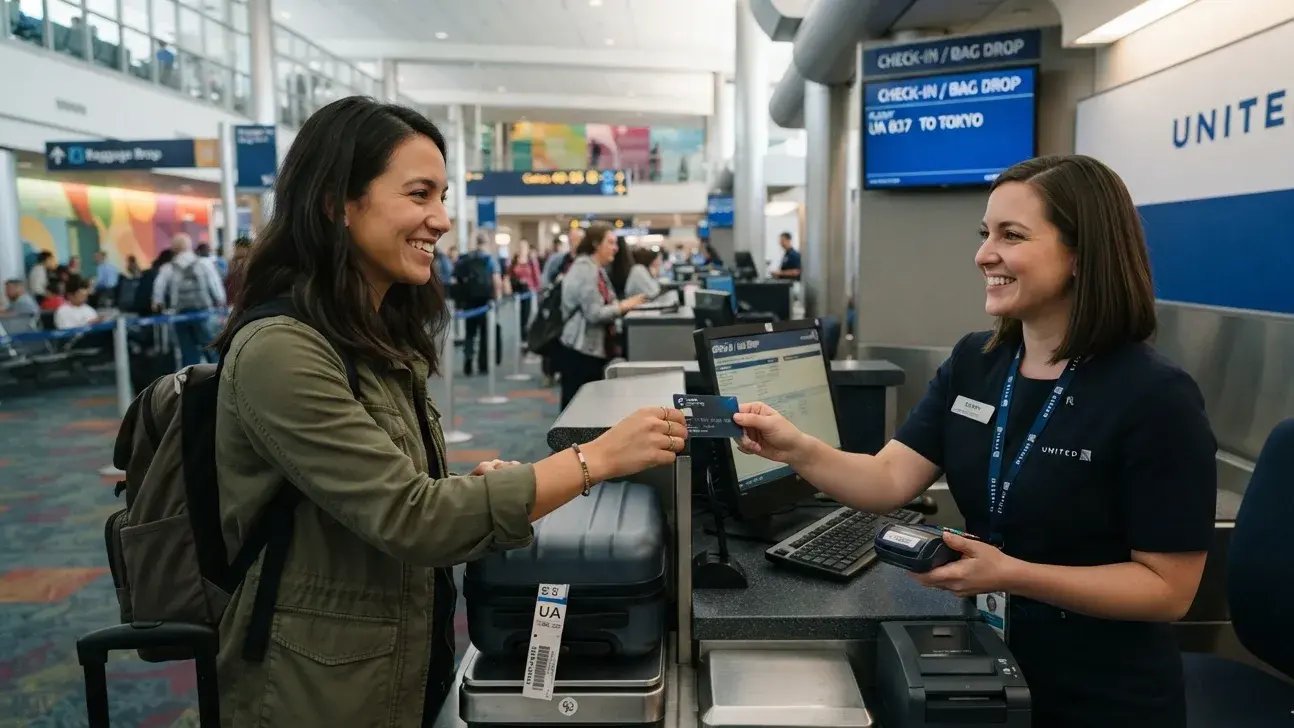
Airlines may ask for the physical card or a signed authorization letter during check-in, particularly for higher-value international routes. Airline policies may require the cardholder to be present during check-in in rare cases, though this is far less common than travelers assume and may apply to specific route and fare combinations.
Airlines may require the credit card used for booking at check-in as a fraud safeguard, not because they suspect the passenger of wrongdoing. Airlines may require additional verification for third-party card payments, and this can include a phone call to the cardholder or a request for the last four digits of the card.
Airlines often enforce strict fraud prevention measures for third-party bookings, so do not treat a verification question as a red flag against you. Agents ask these questions daily and process them quickly once the paperwork matches.
Picture a typical exchange at the counter: an agent notices the name on the reservation does not match the card on file, asks for the authorization letter, glances at it, and hands back your travel documents within a minute. That is the entire interaction in most cases, and it rarely causes any real delay to your check-in.
Connecting flights that involve more than one airline can add an extra step, since each carrier may run its own verification process at its own counter. If your itinerary crosses from one airline to a partner carrier for a layover, carry a copy of your documentation for each leg rather than assuming one check covers the whole journey.
Delays at the counter almost always trace back to missing documents rather than the payment method itself, which brings up the last piece of this picture: protecting your money if something changes.
Protecting Your Money And Your Visa Application From Payment Disputes
Keep a mental checklist as your travel date approaches: confirm the reservation still matches your visa dates, confirm the cardholder still has the authorization letter ready if needed, and confirm your own passport and application documents are packed together. A few minutes of review well before departure prevents nearly every avoidable hiccup at the airport. Keep this checklist somewhere easy to find, such as a notes app on your phone, so you are not searching for it under pressure the morning of your flight.
Money questions tend to worry applicants more than paperwork questions, especially when someone else's account is involved. A little planning here removes most of that stress before it starts.
How To Handle Refunds, Cancellations, And Fraud Concerns
You can manage changes or cancellations from your account, and this remains true even when the passenger and the cardholder are different people. If a flight gets cancelled or your travel dates shift, contact the airline immediately rather than waiting, since refund timelines and applicable fees often depend on how quickly you submit a request.
Keep the cardholder informed at every stage. If a dispute ever arises with the bank over a charge, having a friend or family member confirm the transaction saves both of you time. A secure payment through the airline's own website or app, rather than a third-party reseller, keeps a clear record if you ever need to prove authorization.
Travel insurance purchased at the time of booking adds another layer of protection, covering situations like a cancelled trip or a medical delay regardless of whose card funded the original purchase. Watch the credit limit on the card being used too, since a decline mid-booking can create last-minute stress neither of you needs.
It also helps to keep a short written record, even a simple text message thread, confirming that the cardholder agreed to the charge and the amount involved. If a bank ever flags the transaction as unusual, that record answers their questions faster than a phone call scrambled together after the fact.
When several family members are splitting the cost of a trip, agree in advance on who covers what, and confirm it in writing. This avoids confusion later if one person needs to request a partial refund while another wants to keep their portion of the booking active.
Foreign transaction fees are worth checking too, since a card billed in one currency and charged in another can carry a small percentage fee that neither of you budgeted for. Ask the cardholder to review their bank's fee schedule before the booking goes through, so the total cost matches what you both expected to pay.
A chargeback, where a bank reverses a charge on the cardholder's behalf, typically takes days rather than hours to resolve. If a genuine dispute comes up, encourage the cardholder to contact their bank directly rather than the airline first, since the bank controls the timeline and the outcome of that particular process.
When you estimate your trip budget for the visa application, use the full ticket price rather than the discounted reservation fee, since consulates want to see that funds exist for eventual travel. Keep this figure consistent between your bank statements, your sponsorship letter, and any cover letter you submit alongside the application.
When To Use A Flight Reservation Instead Of A Fully Paid Ticket
Embassies require a flight reservation, not a paid ticket, and this fact becomes especially useful when the money involved belongs to someone else. Locking a family member's card into a full-price, non-refundable purchase before a visa decision is unnecessary financial risk for a document that only needs to show intent to travel.
If financing comes from a third party, provide sponsorship letters during the visa application, especially for cases where a relative is also covering accommodation or overall trip costs. This keeps your paperwork consistent with the answer you gave about who is funding the trip. BookForVisa.com generates an instantly verifiable reservation with a real PNR and PDF, so you avoid tying up someone else's money before your visa is approved.
Whether your destination is a Schengen country, Canada, or anywhere else that expects proof of onward travel, the reservation-first approach protects the cardholder's money and keeps your application exactly as clean as it needs to be.
If you need a provisional route document before committing the cardholder’s funds, the flight reservation for visa service can keep the submitted details consistent.
Book With Confidence, No Matter Whose Card Is On File
Borrowing a card to cover a flight reservation does not put your visa application at risk, and it does not need to complicate your travel plans either. What matters is a passenger name that matches your passport, dates that match your application, and a few documents ready in case an airline asks a follow-up question.
Keep the paperwork simple, keep the cardholder in the loop, and let your itinerary do the talking at the embassy. A dummy ticket that reflects your real travel dates can provide that context where the checklist permits it, without asking anyone to risk their money before approval comes through.
Need visa travel proof without confusing the payment story? Keep the passenger details, dates and route consistent, and retain any cardholder authorisation the airline or checklist may require.
Prepare your visa reservationFAQ
Can someone else pay for my visa flight?
Often, yes, but payment and airline verification rules vary. Make sure the passenger name is yours and retain truthful payment or cardholder-authorisation evidence.
Will a consulate reject a booking because the card belongs to someone else?
Card ownership alone does not determine the visa decision, but the complete file must be credible and consistent. Check the destination’s current checklist.
Can an airline ask for the payment card at check-in?
Some carriers or routes may request cardholder verification or additional evidence. Check the airline’s current policy before departure.
What should a cardholder authorisation note contain?
Use the cardholder’s name, relationship, transaction or passenger reference where appropriate, date and a clear statement that the payment was authorised. Do not expose full card details.
Should a temporary reservation be in my name?
Yes. The passenger name should match your passport and every submitted application document.
Does third-party payment guarantee boarding or visa approval?
No. It only explains one part of the transaction. Airline acceptance and visa approval depend on their respective rules and the full evidence set.
Friendly reminder: BookForVisa provides travel-proof documents for planning and visa-application support. Requirements vary by destination, consulate, visa category and applicant situation. A flight reservation can support a file, but it does not guarantee approval, boarding or entry.