How to Get an IndiGo Flight Reservation

This guide explains the practical IndiGo reservation choices Indian travellers actually face: full payment on the website or app, call-centre support, airport counters, OTA fare locks, 6E Fare Hold, short holds, visa-file timing and rescue steps when a PNR or payment does not behave as expected.
In This Guide
How to Get an IndiGo Flight Reservation
You know that booking an IndiGo flight is rarely just about clicking “Pay Now.” Maybe you are aligning your trip with an interview date, waiting for a visa slot to open, or checking if your manager will actually approve those leave dates. In India, flights fill fast, fares jump without warning, and the embassy still expects a neat, verifiable reservation on time.
That is where understanding IndiGo’s different reservation paths really helps. When should you pay in full on the IndiGo website, when does a short hold make sense, and when is a 6E Fare Hold or an OTA lock a smarter move? In this guide, we walk through each option so you can choose the route that protects your money, your time, and your visa plans. Give your documents a professional finish with a crisp, visa-file-ready flight reservation.
Everyday Ways To Lock In An IndiGo Reservation In India
Before we get into holds and special tricks, it helps to nail the basics. Most of the time, you are either ready to pay in full or you want a simple, quick route to a confirmed IndiGo booking that generates a clean PNR you can use anywhere.
In India, that usually means choosing between four everyday routes: booking on the IndiGo website or app, calling customer support, walking up to an airport counter, or using a trusted online travel agency. Each option has its own sweet spot, and once you understand those, your reservations start becoming a lot more strategic. When fares are volatile, and dates are not, flight reservation while you finalise your plans.
Current official evidence: IndiGo’s own 6E Fare Hold page says customers can hold a selected fare by paying a separate fee, then confirm the booking within the chosen hold period, subject to route, advance-purchase window and availability. IndiGo lists hold windows such as 6, 50, 72 and 96 hours depending on how far the flight is from departure, and says the hold fee is non-refundable and not adjusted against the ticket fare. Check the current IndiGo 6E Fare Hold terms before relying on any hold for a visa file.
IndiGo’s booking guidance also describes website, app, call-centre, airport-counter and participating travel-agency booking channels, including hold-and-pay flows under stated conditions. For current channel rules, review IndiGo’s official how to book guidance. For change and cancellation context, compare the current IndiGo fare rules before you decide whether a paid ticket, hold or temporary reservation is the safer document.
Booking Straight On The IndiGo Website Or App When You Are Ready To Pay
Think of the IndiGo website and app as your default control panel. When you already know your dates and you are comfortable paying the full fare, this route is usually the cleanest and quickest.
You search your route, choose your dates, pick the fare type that matches your style - saver, flexi, or a more bundled option - then add any extras you need, such as seats, meals, or baggage. Once you hit the payment page, you get all the familiar India-friendly options: UPI, net banking, credit and debit cards, wallets, and sometimes pay-later partners depending on offers running at that time.
The moment your payment succeeds, IndiGo generates a PNR. You usually see it on the confirmation screen and receive it again by SMS and email. In many cases, Indians also get updates on WhatsApp if they opt in. That PNR is what embassies, HR teams, and travel desks like to see because it is easy to verify.
There are a few things to watch out for. Payment failures are common in India because of OTP timeouts, bank downtimes, or network drops. If the payment fails, do not keep hitting refresh on the same session forever. Instead, check if your bank has actually debited the amount, verify whether a PNR came through, and only then attempt again, preferably in a fresh browser or through the app.
Use the IndiGo website or app when you want:
- Maximum control over add-ons and seat selection.
- Instant confirmation with a clear PNR.
- Full visibility for future changes and cancellations.
Calling The IndiGo Support Team When You Need Human Help
Sometimes you do not want to battle websites or apps at all. Maybe you are booking for elderly parents, handling a complex domestic connection across two or three cities, or adding special assistance. In those cases, a phone call often works better than ten browser tabs.
When you call IndiGo’s customer support from India, the agent can search routes, explain fare options, and put together multi-leg itineraries that might feel confusing online. You provide passenger details over the call, choose your flights, and confirm how you want to pay. Depending on the flow, they may put the booking on a short hold while you complete payment through a secured link or IVR.
There is usually a small service or convenience fee for call-centre bookings compared to doing everything yourself on the website. Think of that as the price of human support. For many travellers, especially those booking for family members who are not tech-savvy, that extra cost is worth the peace of mind.
Once payment is done, you get your PNR and itinerary by SMS and email, just like any other IndiGo ticket. You can then plug that PNR into the “Manage Booking” section of the IndiGo website or app and manage it on your own. It becomes a standard reservation in the system.
This route is ideal when:
- You need clarification on baggage, infants, wheelchairs, or special meals.
- You are anxious about mistakes and prefer a human to double-check details.
- You are booking for someone else who might ask ten questions mid-call.
Walking Up To An Airport Counter For Last-Minute Plans
We all know those trips that appear out of thin air. A medical appointment in another city, a sudden family event, or a client meeting that shifts from Zoom to in-person. For such moments, airport counters can still save the day.
IndiGo’s counters at Indian airports are designed for walk-up bookings and last-minute changes. You show up, tell them your route and dates, and they check real-time availability. If seats are open and you are okay with the fare, they issue the ticket on the spot once you pay with a card, sometimes cash, depending on the rules at that airport.
The main plus is immediacy. You see a human, ask questions, and walk away with a confirmed reservation and PNR in minutes. It is especially handy for travellers who are already at the airport trying to reschedule or postpone flights, or for those who do not trust their phone or network enough to book online at the last second.
The downside is that airport counters rarely come with promo codes, online-only offers, or fancy bank discounts. You are paying for convenience and urgency. Also, queues can be unpredictable, especially during peak hours.
Use an airport counter when:
- You are already at the airport and need a quick solution.
- Your online options keep failing due to payment or network issues.
- You want a human to troubleshoot schedule changes on the spot.
Letting OTAs Do The Heavy Lifting For International Flights
When you want options instead of one airline, Indian online travel agencies can be your best friend. Platforms like MakeMyTrip, Cleartrip, Yatra, ixigo, and EaseMyTrip put IndiGo side by side with other carriers so you can see timings, total journey duration, and fares in one place.
This is powerful when you are flexible on the airline but fixed on time, or when you have to mix and match IndiGo with another carrier in one larger itinerary. OTAs often run wallet cashback, bank offers, and pay-later schemes. For many Indian travellers, that combination of discounts and flexible payments is a big draw.
When you book an IndiGo flight through an OTA, you usually receive two references: the OTA’s booking ID and the airline’s PNR. That PNR can be used on the IndiGo website or app to view and manage the booking, add seats, or modify travel dates. If you do not see the PNR immediately, check the detailed email itinerary because it is often tucked inside.
OTAs sometimes offer their own “hold” or “lock price” features. We will break those down later. For now, what matters is that they give you additional routes to IndiGo reservations that may combine well with promo codes, EMI, or BNPL options that you will not see on the airline’s own site.
Turn to an OTA when:
- You want to compare multiple airlines before committing to IndiGo.
- You chase bank offers and wallet cashback to cut costs.
- You are planning a multi-airline journey that a single airline website cannot show cleanly.
Choosing The Right Path In Real-World Indian Situations
Knowing these four everyday routes is one thing. Using them smartly in real life is where it pays off.
If your dates are firm, fares look reasonable, and you are not juggling visa uncertainty, the IndiGo website or app is usually the cleanest option. You pay in full, get your PNR immediately, and move on. For most domestic work trips and weekend getaways, this is the path we recommend first.
If the booking is slightly tricky or includes elderly parents, small children, or special assistance, the call centre becomes more useful. You trade a small fee for fewer mistakes and more personalised guidance.
When you are already at the airport, or your internet keeps failing, the counter is a lifesaver. You pay a bit more, but you walk out with a confirmed ticket and a clear plan.
Finally, if your priority is comparing airlines, stacking offers, or combining IndiGo with another carrier for a bigger itinerary, an OTA gives you that bird’s-eye view. You still end up with an IndiGo PNR but with more flexibility on pricing and payment methods.
Once you are comfortable with these everyday paths, you are ready to layer on the more advanced tools like 6E Fare Hold and OTA hold/pay-later features. That is where you start playing with time, not just price, to line up your IndiGo reservations with visa dates, leave approvals, and real-world Indian constraints.
For visa-focused travellers, the key question is not only whether IndiGo can hold a fare; it is whether that hold stays useful through appointment timing, document review and possible date changes. If you need the bigger framework before choosing between a paid IndiGo ticket, a short hold, an OTA pay-later flow or a temporary reservation, use BookForVisa’s complete flight reservation for visa 2026 guide to map timing, verification and cross-document consistency first.
Getting Smart With IndiGo 6E Fare Hold In India
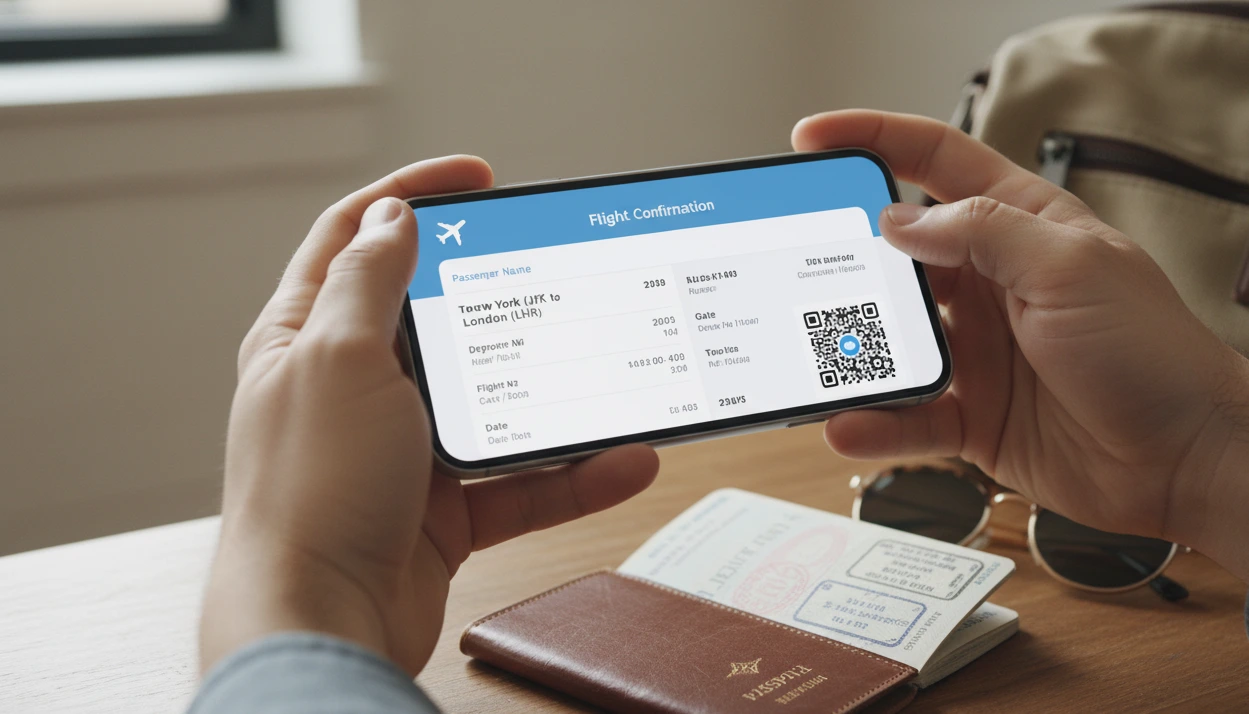
Once you are comfortable with basic IndiGo bookings, the next level is learning how to hold a fare without paying the full amount. This is where 6E Fare Hold can really work in your favour if you know the rules clearly.
Used well, it helps you buy time for leave approvals, visa slots, or family decisions without letting a good fare slip away. Handle multi-country itineraries smartly with one clean flight reservation per visa file.
Seeing 6E Fare Hold For What It Really Is
Before you click on anything, it helps to understand what 6E Fare Hold actually does for you. Think of it as a paid parking spot for your chosen IndiGo fare.
You pick a flight, choose an eligible fare type, and instead of paying the full ticket amount, you pay a small hold fee. In return, IndiGo freezes that itinerary at that fare for a short period, usually 48 or 72 hours. During this window, your itinerary is reserved and attached to a PNR, but it is not fully ticketed until you pay the remaining balance.
This is different from the short 15-minute holds you sometimes get through the call centre or app. Those are ultra-short “finish payment now” buffers. 6E Fare Hold is a structured product with clear rules, a dedicated fee, and a proper validity period.
You are not buying a dummy or fake reservation here. You are creating a real IndiGo booking that is in a held state, with your name, route, and dates captured. The airline promises to keep that fare and itinerary intact only until your chosen hold expiry time.
Who Can Actually Use 6E Fare Hold, And On Which Routes?
Many people click around and get confused when they do not see the Fare Hold option at all. It is usually not a system error. It is because the booking does not meet IndiGo’s conditions.
6E Fare Hold works only in specific situations. You should keep these in mind while planning:
- You must be booking directly on the IndiGo website or mobile app.
- It generally applies to IndiGo-operated scheduled domestic and international flights, not code-share quirks or special charter-type services.
- Your travel date must be at least 7 days away. If the departure is too close, the system simply does not offer the hold.
- You need to select one of the eligible fare types, such as saver, flexi, or similar standard products that IndiGo allows for holds.
- Group fares, certain deep-discount promo fares, and some corporate or special categories usually do not qualify.
If your booking does not qualify, you will only see the normal payment options. No hold buttons, no 6E Fare Hold explanation, nothing. So the simplest trick is to check your travel date first. If you are already within a week of departure, you can stop looking for Fare Hold and focus on other options instead.
How The 48 Hour And 72 Hour Hold Choices Actually Work
Once the 6E Fare Hold is available on your search, IndiGo usually gives you two choices. A shorter 48-hour option and a longer 72-hour one. The difference is not only in time but in cost and strategy.
For domestic routes, you can expect sample fees around:
- About ₹99 per passenger per sector for 48 hours
- About ₹149 per passenger per sector for 72 hours
For international routes, the sample range is higher, often around:
- About ₹199 per passenger per sector for 48 hours
- About ₹249 per passenger per sector for 72 hours
These are per passenger and per sector. That means a Delhi to Bengaluru round trip for two passengers counts as four sectors. So a 72-hour hold there can add up. It is still small compared to the full ticket cost, but you should calculate it mentally before clicking.
The 48-hour option works well when you are almost sure about your dates. Maybe you are just waiting for your manager to reply to your email, or you are confirming with one family member.
The 72-hour option is for slightly messier situations. For example:
- You are syncing with multiple people in different cities.
- You are waiting for a visa slot screen to refresh and show new dates.
- You are coordinating connecting trains or buses inside India around your flight.
In short, 48 hours suits quick decisions. 72 hours suits decisions that need a couple of rounds of discussion or approvals.
What You Pay, What You Lose, And What Happens After The Hold
This is the part most people misunderstand, and it is where money is usually lost. So let us keep it crystal clear.
When you use 6E Fare Hold, you pay a separate hold fee. That fee is:
- Non-refundable in almost every normal situation.
- Not adjusted against your final ticket price.
- Charged in addition to any convenience fee that may apply to the transaction.
So think of the hold fee as payments for buying time, not as an advance on the ticket. If you decide not to travel or forget to pay on time, this fee is simply gone.
If you complete the full payment within your 48 or 72-hour window, your held reservation converts into a confirmed ticket. You then receive a standard e-ticket and can manage your booking like any regular IndiGo reservation. The hold fee you paid earlier remains a sunk cost, but it served its purpose by protecting that fare while you were deciding.
If you miss the deadline, IndiGo cancels the held booking automatically. Seats are released, the fare is no longer guaranteed, and the hold fee is not returned. You can still rebook later if there are seats, but you will pay the fare that exists at that time, not the original held fare.
So the rule here is simple. If you are not serious about that itinerary, do not pay a hold fee. It is only worth it when you genuinely think there is a good chance you will confirm within the chosen window.
How And Where You Complete Payment On A Held IndiGo Booking
Once you have created a 6E Fare Hold booking, you need a smooth way to pay before the clock runs out. IndiGo gives you a couple of straightforward routes.
You can use the “Manage Booking” section on the website or app. Enter your PNR and surname, and the system will pull up your held itinerary. From there, you will see an option to pay the remaining balance and convert the booking into a confirmed ticket.
You may also receive a payment link by email or SMS. This link usually takes you directly to the payment page for that specific booking. It saves you from typing PNR details and works well for travellers who are booking on behalf of someone else.
Standard Indian payment methods apply here again. UPI, cards, and net banking are usually available. Treat this like a normal online payment, but with the added pressure of a ticking timer. To stay safe:
- Do not wait until the last hour if you can avoid it.
- Try not to start a payment attempt if you know your bank has scheduled maintenance at that time.
- Keep an eye on OTP messages and make sure your mobile network is stable.
Once payment is successful, the screen and email confirmation will clearly show that the booking is now ticketed. That is your cue to relax and download the e-ticket PDF for your records or visa folder.
When 6E Fare Hold Makes Real Sense For Indian Travellers
Now that the mechanics are clear, the real question is where 6E Fare Hold actually helps you in day-to-day Indian travel life.
You get the most value from this feature when:
- Your fare looks too good to risk. Maybe you see an attractive price on a popular route like Delhi to Goa over a holiday weekend. You know it can jump overnight. Fare Hold buys you breathing space to confirm leave or talk to your group.
- You are waiting for one key approval. This could be HR approval for an on-site trip, a university email confirming orientation dates, or a relative confirming an event date. You are almost ready to commit, just not today.
- You are planning out of multiple cities. Many Indian families are spread across two or three cities. You might need everyone to align dates before you purchase, especially for domestic returns or short international breaks.
- You want to avoid full refunds and penalties. Instead of booking a fully refundable ticket that costs much more, you sometimes find it cheaper to hold a standard fare for a short period and then either confirm or walk away. The loss is capped at the hold fee.
On the other hand, 6E Fare Hold is not ideal if your plan is extremely vague. If your travel month itself is floating, or you are not sure which country’s visa you will use, it is better to step back and not keep paying multiple hold fees.
Treat Fare Hold like a sharp tool, not a habit. Use it when you are close to a decision, when the fare is genuinely worth protecting, and when the 48 or 72-hour window matches your real timeline.
Once you understand that, 6E Fare Hold becomes more than a button on the booking screen. It turns into a smart lever you can pull to protect good fares while keeping your cash and documents aligned with your real-world schedule in India.
Using IndiGo’s Super Short Holds Without Getting Caught Out

So far, we have talked about IndiGo bookings where you either pay in full or buy yourself 48 to 72 hours with a 6E Fare Hold.
There is one more layer that confuses a lot of travellers in India. The tiny time buffers you sometimes get through the call centre, app, or even at an airport counter, where your seats are “held” only for a few minutes while you complete payment.
Used right, these mini holds are helpful. Used casually, they expire before you can say OTP. If the embassy only needs proof of itinerary, flight reservation instead of blocking your full budget.
How IndiGo’s Quick Call Centre Holds Play Out In Practice
When you call the IndiGo support team and agree on flights and fares, the agent often does not ask you to pay instantly on the same line. Instead, they may create a temporary booking and give you a short window to complete payment.
Behind the scenes, this is usually a brief hold in the reservation system. Your seats are blocked with your name and route, but the payment and ticketing are still pending. The clock is ticking.
For you, it looks something like this:
- The agent confirms flight details and total fare.
- They capture passenger details and contact info.
- They create a hold booking and share a reference or PNR.
- You receive a payment link or instructions to pay through a secure IVR or online page.
- You are told that the booking will lapse if you do not pay within a very short period, often around 10 to 15 minutes.
That short hold exists only to bridge the time between finalising the itinerary on the call and completing payment. It is not meant to be a planning tool like 6E Fare Hold. It is a transaction tool.
When That 10 To 15 Minute Buffer Is Actually Useful
If you treat this tiny window like a planning cushion, you will almost always lose it.
Instead, think of it as a safety net for last-mile payment. It is perfect for situations like these:
- You are switching devices. Maybe you are talking on one phone and need to open the payment link on another phone or laptop. The hold keeps your seats safe while you switch.
- You are finishing questions with family. Sometimes a quick “I will call you back in five minutes” is enough to confirm with your spouse or parent. That short hold covers that gap.
- You want to validate details calmly. You might want to double-check names, date formats, or visa conditions before committing payment. A 10 to 15 minute hold lets you breathe for a few minutes.
- You are moving from a poor network to a stable Wi Fi. Maybe your voice call is ok, but your data is weak. You can step into a better spot and finish the payment smoothly.
In all these cases, you already know that you are likely to pay within minutes. You are not waiting on HR approvals or embassy responses here. You are just polishing the last details.
What Happens Behind The Scenes If You Miss The Short Hold Window
Now imagine you get busy, your bank app freezes, or you forget the clock. What then?
In most cases, if you do not complete payment within the short window, the system automatically cancels that temporary booking. Seats are released back into inventory, and the fare is no longer reserved in your name.
From your side, it can feel confusing because:
- You may still have a reference number, or PNR, noted down.
- You may have a payment page open that now shows an error.
- Your bank might have attempted a debit that did not instantly reverse.
The safest way to handle this is to follow a simple checklist:
- Check your SMS or email. Did you receive a final ticket and itinerary, or just a “booking initiated” type message? No confirmed e-ticket usually means no confirmed booking.
- Check your bank or UPI app. If money has not left your account, your hold almost certainly expired cleanly.
- If money did leave your account, do not panic. Many times, these are pending transactions that reverse automatically. Take screenshots of the debit entry, then contact IndiGo support with your reference number.
- Try retrieving the booking. Use the PNR and last name on the IndiGo website “Manage Booking” section. If the system cannot find your booking, share that information when you speak to support.
In most clean expiries, there is no penalty fee charged for the short call centre hold itself. The booking just dissolves. The risk is more about time and confusion than about losing money, which is why it is still important to stay organised.
Airport Counters And Informal Short Holds
Airport counters behave slightly differently. When you are at the counter, the staff may select your flights and hold them for a brief time while you pay at the counter terminal.
If your card has a chip issue or your payment fails on the first attempt, staff might keep the booking occupied for a short while so they can retry or give you a moment to fetch another card.
This is practical and flexible, but not guaranteed. If the queue is long or the flight time is close, the agent might not be able to keep seat blocks alive for too long, especially on very full flights.
So when you are at an airport counter:
- Keep your chosen card ready with enough limit and available balance.
- Have a backup payment method if possible, such as another card or UPI.
- Decide quickly. At airports, decisions that take 20 minutes often cost more than the original fare difference because flights and seats move fast.
Airport short holds are more about operational convenience than formal policy. They are helpful, but you should not rely on them as a planning tool.
Where These Short Holds Show Up And Where They Simply Do Not
One common question is whether these little holds are visible to you the same way as a full booking. The answer is usually no, at least not in a meaningful way.
A short-held booking may temporarily exist in IndiGo’s internal system with a reference, but you often cannot treat it like a normal PNR. You may not be able to:
- Change dates or times.
- Add baggage or seats.
- View it easily in “Manage Booking” before it is fully ticketed.
Sometimes you see a partial record if you try to pull it up, but without the ability to modify anything. That is because the booking is incomplete until payment is applied. The system protects the airline from holding half-baked reservations for too long and protects you from assuming something is confirmed when it is not.
Once payment is successful, everything flips. The PNR becomes a standard booking. You can download tickets, add services, and use them for check-in or visa documentation, just like any other IndiGo reservation.
Short Holds Vs 6E Fare Hold Vs Straight Ticketing
To really use IndiGo’s tools well, you need to see the entire picture. The different hold styles are not competing products. They are different levers you pull for different needs.
Here is a simple way to think about them:
- Short call centre or airport holds
- Duration: usually around 10 to 15 minutes.
- Cost: typically no extra fee for the hold itself.
- Purpose: Protect your seats briefly while you complete payment immediately.
- Best for: last-mile convenience when you are already ready to book.
- 6E Fare Hold
- Duration: 48 or 72 hours.
- Cost: separate non-refundable fee per passenger per sector.
- Purpose: lock a specific fare for a short, planned decision window.
- Best for: waiting a couple of days for approvals, syncing with others, or aligning with near-term plans.
- Direct ticketing without hold
- Duration: none. The ticket is fully confirmed once paid.
- Cost: only the fare and regular charges.
- Purpose: clean, instant confirmation when you are ready to commit.
- Best for: straightforward domestic or international trips where timing is clear.
You do not have to pick one method forever. In real life, we often mix them. You might discover a great fare, hold it for 72 hours while checking visa dates, then finally call the centre to clarify a minor doubt before you complete payment.
How We Suggest You Use These Tools As An Indian Traveller
To keep it practical, here is how we suggest you think about quick holds overall.
If you are on a call and already 90 per cent sure about your plan, a short hold is your friend. It smooths over the last few minutes of payment and saves you from having to start the entire search flow again due to a small delay.
If you are only 50 per cent sure, you are in 6E Fare Hold territory, not short hold territory. Use the official paid hold product instead of trying to stretch a 15-minute buffer into a 2-day solution.
If you have no idea about your dates or you are still collecting documents and deciding which country to visit first, neither short holds nor 6E Fare Hold will help. At that stage, you need a bigger planning strategy rather than a booking trick.
Once you are clear on which tool matches which stage of your decision, IndiGo’s quick holds stop feeling mysterious. They become simple, sharp instruments that you use only when they genuinely match your timing and your confidence level.
Letting OTAs And Agents Work For You On IndiGo Reservations
So far, we have stayed inside IndiGo’s own world: website, app, call centre, and airport counter.
In real life, though, a lot of Indian travellers do something else first. They open an OTA app, compare three airlines at once, and only then decide whether IndiGo still makes the most sense.
Online travel agencies and local agents can be powerful allies if you understand how their hold and pay-later options really work under the hood. For last-minute visa appointments, a same-day flight reservation can save your slot.
How OTAs Play With Fare Locks, Part-Payments, And Credit
When you open a major Indian OTA, you are not just seeing fares. You are seeing a full financial playground built on top of regular airline tickets.
Most large OTAs now offer one or more of these tools:
- Fare lock or price freeze.
You pay a small fee to “lock” today’s fare for a limited time. The OTA promises that if you return within that window and complete payment, you will get the same fare, even if prices move a bit in the background. Sometimes this is a few hours, sometimes a couple of days. - Hold now, pay later.
On some routes, especially international ones, OTAs allow you to reserve a seat without paying the full amount right away. You pay a hold fee or a partial amount up front, then settle the balance later before a fixed deadline. - Book now, pay later credit.
This is where EMI, BNPL, and “pay next month” products enter. You book the IndiGo ticket in full, but the OTA and its finance partner spread your payment out over time. You still get a normal PNR, but your bank account feels the hit later.
For IndiGo flights, the OTA is sitting in the middle. It talks to IndiGo’s system to block seats and issue tickets, while it talks to you about offers, coupons, and flexible payment schemes. That middle layer can either simplify your life or complicate it, depending on how carefully you read the rules.
How OTA Holds Really Differ From IndiGo’s Own 6E Fare Hold
On the surface, “hold” sounds like “hold,” but the engine behind it is very different when you move from airline to OTA.
Here is how the two usually differ:
- Who controls the rules?
With 6E Fare Hold, IndiGo decides the fee, duration, and conditions. With an OTA hold, the OTA writes most of the rules, even though IndiGo still controls the actual flight. - What you are holding.
IndiGo’s 6E Fare Hold locks a specific IndiGo itinerary at a specific fare. OTA holds may lock a wider combination: IndiGo one way, another airline on the return, or even multiple cities. That flexibility is great for multi-stop plans. - When the airline PNR is created.
With IndiGo’s own hold, a PNR is usually created and visible in the airline system during the hold window.
With an OTA hold, sometimes the PNR is created immediately, and sometimes it only appears after you pay the full amount to the OTA. Until ticketing happens, you may be looking at an OTA-generated reference, not a live airline record. - How fees and refunds work.
IndiGo’s Fare Hold fee is clearly separate and non-refundable in normal cases. OTA hold fees can be more complicated.
Some are fully non-refundable.
Some are partially refundable under specific conditions.
Some are waived if you go ahead and ticket with the same OTA.
Because an OTA hold is built on top of the airline’s pricing, delay or mismatch between the two systems can cause failed ticketing events. That is why reading the fine print matters.
When An OTA Hold Or Pay-Later Plan Actually Helps More
We see a lot of travellers using OTA tools for everything. In our experience, they are most powerful in a few specific use cases.
OTA holds, and pay-later options start to make more sense when:
- You are juggling multiple airlines.
Maybe IndiGo has the best outbound timing, but another carrier has the better return. An OTA can wrap that into one view, sometimes even into one PNR on its side, and offer a single lock fee for the bundle. - You want a longer lock window than 72 hours.
Some OTAs experiment with longer price locks on international routes. For example, five days or even more in certain promotional periods. If you are waiting on a university, employer, or sponsor to confirm dates, those extra days can reduce stress. - You are chasing bank or wallet offers.
OTAs often stack credit card deals, wallet cashback, and reward points. If a hold or pay-later feature keeps the fare fixed long enough for you to move money, secure a card limit increase, or arrange EMI, it can work in your favour. - You prefer paying in phases.
Paying a smaller amount now and the rest later can be helpful when you are managing multiple visa fees, hotel prepayments, and insurance costs in the same month. It is not free money, but it can smooth out cash flow.
The key is intentional use. You are not using OTA holds because they look fancy on the screen. You are using them because your real timeline and cash flow genuinely demand that flexibility.
Common Traps With OTA Holds (And How To Dodge Them)
We also see the other side. OTAs are businesses, and their hold tools are designed to protect their margins, too. If you treat them casually, you can get stuck in messy situations.
A few traps pop up again and again:
- Assuming the airline has confirmed your ticket when only the OTA has.
Just because you see “booking confirmed” on the OTA app does not always mean the airline has fully ticketed it in that second. There can be a lag. Always check for the airline PNR and verify it on the IndiGo website once ticketing is marked complete. - Not reading the expiry and fee conditions.
OTA price locks have clear expiry times. Once that timer runs out, your right to that fare disappears, and the lock fee is usually forfeited. If you treat it like an IndiGo Fare Hold with different timings in your head, you can miscalculate badly. - Confusion over who to contact for changes.
If you booked through an OTA and the journey is ticketed, changes might need to go through the OTA, not IndiGo directly, especially if there is a complex fare or multi-airline combo.
Many travellers end up bouncing between two support lines because they do not know where control sits. - Refund loops.
When things go wrong, the airline may refund the OTA, and the OTA then takes some time to pass the money to you. This is not unique to IndiGo or any one OTA. It is just how intermediated bookings work.
To reduce your risk, build a small personal checklist:
- Always save screenshots of fare lock conditions and expiry.
- Maintain all emails and SMS from both the OTA and the airline.
- As soon as you believe the booking is ticketed, verify the PNR on the IndiGo website.
- If something looks off, contact the OTA first with full details before calling the airline.
This way, you are navigating the middle layer like a pro, not walking into predictable traps.
Balancing IndiGo Tools, OTA Tricks, And Straight Bookings
At this point, you might be thinking: “So should we stick to IndiGo 6E Fare Hold or experiment with OTA holds?”
There is no single right answer. The trick is matching the tool to the situation.
Here is a simple way we encourage travellers to think:
- Use IndiGo’s own systems when simplicity and control matter most.
If you are booking a straightforward IndiGo itinerary, especially domestic or a simple international return, and you want clean visibility in one place, stay with IndiGo’s website, app, and 6E Fare Hold. Fewer moving parts, fewer surprises. - Use OTA holds when your plan truly needs cross-airline flexibility or extended timelines.
If your trip includes multiple airlines, or your decision cycle is longer, and you find a reputable OTA offering a longer lock that genuinely solves a timing problem, then it can be worth the added complexity. - Use direct ticketing when the plan is clear and the timing is fixed.
Sometimes we overthink. If you already know your dates, your leave is approved, and the fare is reasonable, paying in full and moving on can be healthier for your stress levels than juggling holds everywhere.
From a visa-planning angle, this balance matters even more. You want your IndiGo reservation to be:
- Verifiable while your documents are under review.
- Flexible enough to survive minor date changes.
- Structured so you know exactly whom to contact if something has to be updated.
That might mean you use an OTA for one leg, IndiGo Fare Hold for another, or a simple direct booking when everything is straightforward. What matters is that you consciously choose each path with a clear goal rather than clicking whatever “hold” button appears first.
Once you start thinking like that, OTA tools stop feeling confusing or risky. They become just another part of your toolkit, sitting alongside IndiGo’s own holds, ready to use only when they genuinely give you a better match for your dates, your cash flow, and your visa or travel commitments.
If you are new to the terminology, separate a paid ticket from a reservation. A flight reservation for visa use is usually a temporary travel record showing passenger names, route, dates and booking/reference details, while a paid ticket adds full fare commitment and fare-rule consequences. The foundational flight reservation for visa guide explains what the document should contain and why it should not be confused with a fabricated PDF.
Making IndiGo Holds Work For Real Visa Files
So far, we have treated IndiGo holdings as money and timing tools. For many readers here, though, there is a bigger pressure in the background. You are not just planning a trip. You are building a visa file that has to look clean, serious, and verifiable when it lands on an embassy desk.
Let us plug IndiGo’s reservation options into that reality and see what actually works when you mix them with VFS queues, appointment slots, and unpredictable processing times. Before you confirm your real flights, flight reservation and test your itinerary with the embassy first.
How Visa Desks Really Look At Your IndiGo Reservation
Before we talk strategy, it helps to think like the person on the other side of the counter.
Consular officers and VFS staff do not care whether you booked from your phone, an OTA, or a call centre. What they care about is clarity and verifiability. In simple terms, your IndiGo reservation should:
- Show your full name exactly as in your passport.
- Display route, dates, and sectors clearly.
- Include a booking reference (PNR) that actually pulls up a record on the airline side during the time your file is being handled.
Most embassies are comfortable with reservations that are not fully paid, as long as they look real in the system and match your stated itinerary. They know travel dates can shift slightly after visa approval.
So our goal with IndiGo reservations is simple. We want your PNR to be alive, accurate, and easy to check at the most sensitive moments: biometrics, document submission, and sometimes spot checks during processing.
Matching 48 And 72 Hour Holds With Real Visa Timelines
Now comes the conflict. IndiGo gives you 48 or 72 hours on 6E Fare Hold. Your visa timeline runs in weeks.
We need to bridge that gap intelligently instead of fighting it.
Start by mapping your specific situation:
- Short gap between booking and appointment.
If your VFS or embassy appointment is within 7 days of your planned departure, 6E Fare Hold might line up quite nicely. You can time the hold so that your PNR is live on the exact day you submit documents. - Medium gap, but fixed appointment date.
Suppose your appointment is 10 to 15 days away. In that case, you can use Fare Hold strategically. Start holding a couple of days before your appointment so that the PNR is verifiable right on submission day. You may not keep it alive through the entire processing time, but you at least look organised and credible at the start. - Long gap and floating appointment slot.
This is where 6E Fare Hold alone starts to feel too short. If you are still hunting for a slot or your appointment is three or four weeks away, it does not make sense to keep paying hold fees again and again. You need a different strategy here, which we will come to in a moment.
The key point is that IndiGo holds are perfect for tactical windows, not entire visa cycles. Use them to cover the critical 48–72-hour period when your documents first meet the embassy, rather than trying to use them as a long-term placeholder.
Getting Your IndiGo Hold “Visa Ready” With Simple Habits
Once you decide to use 6E Fare Hold around your appointment date, the next step is to package that hold cleanly inside your visa file.
The process is simple, but small details make a big difference:
- Capture the confirmation page clearly.
As soon as your hold is successful, save the confirmation page as a PDF or clear screenshot. Make sure the image shows your name, sector, dates, and PNR. Blur nothing, crop nothing important. - Print a tidy itinerary.
Many applicants still submit paper files. Print the email itinerary or booking summary that IndiGo sends. Staple it neatly in the flights section of your file, not scattered across pages. - Double-check check name and passport alignment.
A small name mismatch can make a visa officer doubt the entire itinerary. If your passport uses a middle name or an extra surname, ensure the booking does too. - Test the PNR visibility yourself.
Open the IndiGo “Manage Booking” section, type in your PNR and surname, and confirm that your itinerary appears. This is exactly what a visa officer or VFS staff member can do informally. If you cannot see it, fix that before submission. - Keep both digital and paper copies handy.
Even if your application is mostly online, carry a printout of your reservation to the VFS centre. Staff often appreciate seeing a physical copy when they cross-check details with your form.
These small habits cost you nothing but make your IndiGo reservation look like a solid, deliberate part of your visa plan instead of a random screenshot from your phone.
Where IndiGo Holds Start To Feel Too Short For Indian Applicants
There are situations where, no matter how smartly you plan, 48 or 72 hours simply cannot stretch enough.
Typical examples look like this:
- Your VFS appointment is confirmed, but you must submit documents five to seven days before the actual appointment date because of the centre workload or courier timelines.
- You are applying to multiple countries in sequence and need an itinerary that survives several separate visits to VFS or embassies.
- You are travelling for studies or long-term work, and the embassy wants to see a structured itinerary that stays valid while they make decisions and request additional papers.
In these cases, you have three realistic options:
- Book a fully refundable ticket at a higher fare and be ready to cancel or shift it later.
- Use short IndiGo holds only near key milestones, but rely on another form of reservation earlier in the process.
- Combine IndiGo with a separate long-valid reservation that can stay in your file while your real travel dates are still shifting.
The mistake many applicants make is trying to stretch IndiGo Fare Hold across the entire timeline by paying for multiple holds and constantly rebooking. That usually costs more and creates more confusion than using one clear, well-designed solution.
When You Need A Longer, Visa-Friendly Reservation Than A 72 Hour Hold
At this point, some travellers realise that IndiGo’s own tools are great for close-in windows, but they still need something more flexible for long visa cycles.
That is where specialised flight reservation services come into the picture. These services focus on visa use cases, not holiday discounts. Their job is to generate a reservation with a verifiable PNR that fits embassy expectations, without forcing you to buy a fully paid ticket months in advance.
For example, at BookForVisa.com, we create genuine flight reservations that are built specifically for visa applications. You receive a PDF booking with a live, checkable PNR for a flat $15 (around ₹1,300) per flight reservation. It is priced like a planning tool, not a full ticket, and designed to stay valid longer than a standard 48 or 72-hour airline hold.
You can use something like IndiGo’s 6E Fare Hold around your appointment date for a specific sector, while keeping a longer reservation from a service like ours in your file throughout the broader visa process. That way, you are covered both for embassy expectations and for real travel once your visa comes through.
A Simple Decision Framework For Visa-Focused IndiGo Bookings
Let us finish this section with a practical way to decide what to do next time you are lining up an IndiGo reservation for a visa file.
Ask yourself four quick questions:
- How far away is my VFS or embassy appointment?
- Within 7 days: IndiGo 6E Fare Hold can directly cover the window.
- More than 2 weeks: you probably need a longer reservation plan as well.
- Is my itinerary largely fixed, or still flexible by several days?
- Fixed within a day or two: a combination of IndiGo holds and one clear reservation can work.
- Floating by weeks: do not keep paying hold fees. Sort out a long-valid reservation first.
- What would happen if fares move up by 20 to 30 per cent?
- If that would hurt your budget badly, 48 or 72-hour IndiGo holds around key decisions make sense.
- If your budget can absorb some movement, you can relax more and avoid overusing holds.
- Do I clearly know which document I am showing where?
- If yes, align each stage: early file, appointment day, travel after approval.
- If no, pause and map the stages first. Random holds cannot fix an unclear process.
When you answer these honestly, the right combination usually becomes obvious. Sometimes you will walk away with a simple paid IndiGo ticket. Sometimes you will use 6E Fare Hold tactically for 48 or 72 hours. Sometimes you will pair IndiGo with a more flexible flight reservation service so that your visa file looks strong from the very first page.
The point is not to overcomplicate things. It is to make sure your IndiGo reservation actually supports your visa story instead of becoming one more thing you scramble to fix the night before your VFS appointment.
Schengen files need extra discipline because consulates often compare the flight reservation with accommodation, insurance, leave dates and the declared main destination. If your IndiGo route feeds into a Europe application, use the dedicated Schengen visa flight reservation requirements guide to keep entry point, exit point, trip duration and supporting documents aligned.
Bringing Your IndiGo Flight Reservation Strategy Together For Real Life
You now know the tools. Direct bookings, short holds, 6E Fare Hold, OTAs, and visa timing all make a lot more sense.
The real power comes when you connect everything into a few clear playbooks that you can reuse, instead of starting from zero every time you see a fare. Need a verifiable reservation without paying full fare now? Choose a fast flight reservation.
Build Your Own IndiGo Booking Playbook Instead Of Guessing Each Time
Most people reopen apps, stare at prices, and panic. You do not need to. If you fix a simple decision framework, IndiGo reservations become routine instead of stressful.
Think of your booking style in three layers:
- How clear are your dates?
- How sensitive is your budget to fare jumps?
- Whether the trip is visa-driven or not.
Once you know the answer for a particular trip, you plug into a ready pattern instead of experimenting randomly.
You can create three basic modes for yourself:
- Fast commit mode for trips where everything is clear.
- Protected wait mode for trips that are almost confirmed.
- Visa planning mode when embassy timelines are involved.
Let us turn each into a simple, Indian-travel friendly plan.
Playbook 1: Fast Commit For Simple Domestic And Short International Trips
Use this when your plan is solid, your dates are fixed, and you are not waiting on anyone else.
A classic example is a short work trip, a confirmed family ceremony, or a quick getaway where leave and budget are both sorted.
Your flow can look like this:
- Start with the IndiGo website or app.
Check timings, total journey duration, and basic baggage rules. If IndiGo fits your route, stick with it for simplicity. - Do a quick OTA comparison only for sanity.
Open one trusted OTA to compare fares across airlines. If IndiGo is within a reasonable range and you prefer them, go back and book on IndiGo directly. - Skip holds completely.
Since your plan is firm, there is no point in paying hold fees or keeping extra steps in the process. Pay in full, get your PNR, and move on. - Secure your booking details.
Save the e-ticket PDF, note the PNR in your notes app, and test the PNR in the Manage Booking page once.
Fast commit mode is all about avoiding overthinking. No Fare Hold, no OTA lock, no juggling. You trade a little flexibility for a lot of peace of mind.
Playbook 2: Protected Wait For Trips That Are Almost Confirmed
This is the most common Indian scenario. You know you will probably travel, but one piece is still moving. A manager must approve dates, a client must freeze a meeting, or your family must finalise holidays.
Here you want to protect a good fare without paying the full amount too early.
A simple approach is:
- Identify your realistic dates first.
Do not hold random dates. Fix a tight range that truly works for you and your family or team. - Search on IndiGo and check fares.
If you see a fare that looks reasonable and you feel it can jump, you move to 6E Fare Hold. If the price feels inflated already, wait instead of paying a fee to protect a bad fare. - Choose between 48 hours and 72 hours, honestly.
- If all you need is one day for approvals, 48 hours is enough.
- If you are aligning across multiple people or cities, 72 hours is safer.
- Set a reminder for the same minute you pay the hold fee.
Put an alarm at least 3 to 4 hours before expiry. Note the time in IST. This single habit saves most people from losing hold fees. - Chase approvals with a clear deadline.
Tell your manager, client, or family, "We have until this date and time to confirm before the fare protection lapses." People move faster when they see a hard limit. - If the answer is yes, pay early.
Do not wait for the final hour. Pay the remaining amount, convert to a confirmed ticket, and store your e-ticket. - If the answer is no, let the hold lapse consciously.
Accept the loss of the fee as the price of avoiding a much bigger cancellation cost.
Protected wait mode uses 6E Fare Hold as a shield. You buy time when it actually matters instead of paying full fare on vibes and then regretting it when plans move.
Playbook 3: Visa Planning When IndiGo Is Part Of A Bigger Puzzle
Visa mode is where everything feels more complex. You are dealing with:
- Online forms that time out.
- VFS appointments that vanish and reappear.
- Documents that have to tell one consistent story.
Here, IndiGo reservations are one part of a longer chain, not the whole picture.
A realistic visa-focused plan often looks like this:
- First, design your visa story.
Decide which cities, how many days, and what rough date window you want for travel. Even if the exact flight is not fixed, your direction should be clear. - Create a long-valid reservation that matches your planned route.
This could be a fully refundable ticket or a specialised visa reservation from a service that provides a verifiable PNR without needing full payment for the trip. The objective is to have something that survives the full visa cycle. - Use IndiGo as your real travel option within that frame.
Inside your broader plan, spot where IndiGo fits best for the actual journey. That could be your main leg or a domestic connector to a bigger hub. - Time 6E Fare Hold near key dates, not months in advance.
If you want your IndiGo PNR to be visible on the day of your VFS appointment, start the hold 48 or 72 hours before that, not two weeks earlier. Avoid repeatedly paying hold fees. - Once your visa is approved, convert to clean tickets.
After approval, revisit your real dates, then either:- Confirm the IndiGo itinerary you held recently, or
- Freshly book the exact IndiGo flights that match your final travel window.
- Keep all versions documented.
Maintain a folder that shows what you submitted for the visa and what you finally booked. If immigration asks questions later, you can show that your travel plan evolved but stayed consistent with your overall purpose.
Visa planning mode respects the fact that 48 or 72 hours is short compared to embassy timelines. You treat IndiGo as precision tools near milestones, not as the sole structure for the entire process.
Handling Changes, Cancellations, And Fare Swings Without Losing Your Cool
Even with the best plans, dates move. The difference between chaos and control is how you react when that email or WhatsApp message says, "We need to shift."
A few principles help in almost every IndiGo reservation situation:
- Know your fare rules before you panic.
Saver, flexi, and bundled fares have different change and cancellation penalties. If flexibility matters, pay slightly more upfront for a fare that is kinder later. - Use Manage Booking for small self-service fixes.
Date changes, seat selection, and add-ons are often cheaper online than through intermediaries. The more you can manage directly with IndiGo, the less confusion you face. - Accept that some fees are the cost of clarity.
Sometimes paying a change fee early is better than sitting on a booking that no longer fits anything in your life. - Do not mix too many layers unless necessary.
If you booked through an OTA and then try to handle everything only with IndiGo, you may get stuck between two policies. Understand who issued your ticket and follow that channel for complex changes.
Once you internalise this, a date shift becomes a controlled action, not a crisis.
A Quick “Before You Hit Confirm” Checklist For IndiGo Reservations
To wrap this section up, here is a compact checklist you can run through in less than a minute before you finalise any IndiGo reservation, hold or full ticket.
Ask yourself:
- Are my dates honest or aspirational?
If they are aspirational, stop and adjust them to something realistic. - Do I actually need a hold, or am I overcomplicating it?
If your plan is already clear, skip holds and pay in full. If you are waiting for a clear answer, consider 6E Fare Hold. If everything is uncertain, go back to planning instead of booking. - Have I chosen the right channel for this trip?
- Direct IndiGo for control and simplicity.
- OTA when you need multi-airline comparison or finance tools.
- Call centre or the airport when you need human help.
- Have I checked the fine print once?
Quickly review fare rules, hold fees, and expiry times. This one step eliminates most nasty surprises later. - Do I know where my PNR and documents will live?
Decide where you will store your booking emails, PDFs, and screenshots. Put them all in one folder or email label right away.
If you can answer these questions calmly, you are not just “booking a ticket.” You are running a clear IndiGo reservation strategy that matches your real life in India, whether that is a simple weekend break or a carefully timed visa journey.
Rescue Plans For IndiGo Reservations When Things Go Sideways
By now, you have a solid IndiGo game plan for normal days. Real life in India is not always normal, though. Payments hang, PNRs vanish, OTAs and airlines point fingers, and you are stuck wondering whether you actually have a reservation or just a bank debit. This is where a calm rescue plan matters more than any hack, whether you booked on a laptop, through an agent, or on the IndiGo mobile app. If your travel dates are still moving, flight reservation and keep your application stress-free.
When Money Leaves Your Account, But The Ticket Does Not Show Up
This is the classic Indian headache. You pay on the IndiGo website, app, or an OTA. The bank SMS shows a debit in INR, but no ticket lands in your inbox.
Instead of panicking, move in a fixed order.
First, collect proof:
- Take screenshots of any payment success page that appeared, even for a second.
- Note the amount and time of booking exactly as your bank or UPI app shows.
- Check spam and promotions folders in your email for hidden confirmations.
Next, check whether a reservation exists at all:
- On the IndiGo site, open Manage Booking and try pulling your trip with the PNR and surname.
- If you booked via an OTA, log in to their portal, open the trip, and look for the airline reference.
- For quick checks on the go, you can also try viewing your flight status once a PNR appears.
You will usually land in one of three situations:
- Ticket confirmed, email delayed.
Manage Booking shows a confirmed ticket. In that case, you are fine. Download the itinerary immediately and store it in your travel folder. - Booking created but still pending.
Payment and ticketing are still syncing. Give it a short window, say up to an hour. If nothing changes, escalate. - No booking found at all.
Here, the booking failed even though the bank debited you. Do not attempt a second payment on the same flow until you speak to support.
When you contact IndiGo or the OTA:
- Share the transaction reference, last four digits of your card, and exact amount in INR.
- Explain clearly that money has been debited, but no PNR is visible.
- Ask them to search using your email, phone number, and date of travel in case the booking sits under a slightly different record.
Most of the time, the money is pending and either flows back automatically after a few days or is matched manually to a booking once an agent intervenes.
When “PNR Not Found” Pops Up On The IndiGo Website
You type your PNR and surname into Manage Booking and see “record not found.” It feels even worse when you have visas, hotels, or onward trains lined up.
Start with basic checks:
- Confirm that you are typing the exact airline PNR, not just an OTA internal code.
- Make sure the surname matches the way it appears on the booking, especially if you use two family names.
If the error persists, think about timing:
- If you booked in the last 15–30 minutes, the record may still be syncing across systems. Wait a bit and try again.
- If you modified the ticket via OTA or agent, the original PNR may have changed after reissue, especially on complex routes that include international travel segments.
If repeated attempts fail:
- For direct bookings, call IndiGo and ask them to search by passenger name and route, for example, “Mumbai to your destination on this date.”
- For OTA bookings, call the OTA first and request a fresh copy of the itinerary with the latest PNR.
In visa situations or for important international destinations, always keep:
- The original PDF itinerary that first showed the PNR.
- Any email thread in which the OTA or airline acknowledges that the booking exists.
That paperwork shows you acted in good faith, even if the system itself misbehaves.
When IndiGo Changes Your Schedule, And Your Plans Fall Apart
Sometimes you do nothing wrong. IndiGo reschedules or cancels a flight, or swaps the aircraft type, and your carefully stitched plan falls apart.
When a schedule change hits, you will usually get an SMS or email with new timings. Do not ignore it, especially if you are connecting from a city like Pune to a long-haul flight from Mumbai.
Move in this order:
- Assess how big the change is.
- Minor shift of 30–60 minutes where everything still works.
- Major move of several hours, a different day, or a broken connection to your next flight.
- Check what options are applicable under your fare and policy.
When the airline changes the schedule, you often get more flexibility than usual:- Free date change within a window.
- Ability to move to another flight on the same route and day.
- In some cases, cancellation with refund or credit, subject to current policy.
- Decide on your ideal outcome.
Do you want the same day at a different time, a different day entirely, or to cancel and rebuild the trip?
Then act:
- Use Manage Booking for simple shifts, like moving to a slightly later flight that still suits your plans.
- Call the contact centre for complex situations, such as tight connections, family groups, or sensitive cases like expectant mothers travelling who cannot suddenly handle long layovers.
While you are adjusting, also revisit practical items:
- Check your baggage allowance and whether any change affects it.
- See if you need additional baggage for shopping, work equipment, or family gifts. Sometimes, a schedule change is a good moment to tidy up these extras.
- If you often carry more, look at pre purchasing an extra baggage allowance instead of paying at the airport.
For big trips, especially international travel, think of a schedule change as a negotiation chance. Airlines are more willing to help when they recognise that their adjustment seriously affects your wider journey.
When OTA And Airline Support Keep Bouncing You Around
You call IndiGo, and they say, Please check with your OTA.” You call the OTA, and they insist, “Only the airline can alter this now.” It is a familiar loop.
The way out is to be very clear who controls what.
Generally:
- Whoever issued the ticket controls fare rules, change penalties, and most voluntary changes. That is usually the OTA if you booked there.
- The airline controls disruptions, irregular operations, and many involuntary changes.
To avoid being bounced around:
- Keep your full itinerary PDF open when you call. Highlight whether it was issued by IndiGo or an intermediary.
- With IndiGo, say: “This ticket was issued by an OTA, but the system is offering some options. Please confirm what choices you see so I can push the agent to follow those specific terms.”
- With the OTA, say: “IndiGo has confirmed that option X is available for this PNR. Please process it, or explain in writing why you cannot.”
If you raise written tickets or emails, mention your PNR, booking channel, and a short summary of your queries in one neat message. That makes it more likely to reach the right team the first time.
Staying Organised So You Never Lose Track Of Your Reservations
Many so-called “problems” are really organisational issues. With multiple trips, family bookings, and different channels, details scatter very quickly.
A few simple systems keep you in control:
- Use one primary email for all air travel, whether it is a quick hop to Pune or a long trip abroad.
- Create dedicated folders or labels for “Travel” and “Visa” and move every booking email there the day it arrives.
- Maintain a basic tracker with columns like “Trip,” “PNR,” “Channel,” “Status,” and “next action,” especially if you have more than one journey open at once.
- Pin important WhatsApp or SMS updates until the journey is complete so you can show them instantly at the airport if needed.
If you often travel with family or manage bookings for parents, keep their details saved securely. This is particularly useful for senior travellers and expectant mothers, where special assistance might be required at check-in or boarding.
Good organisation turns even multi-leg routes into simple checklists. You always know how many days left until departure, which bookings are confirmed, and where every document lives.
Turning Problems Into A Routine You Can Handle
Even the most careful traveller will occasionally face failed payments, missing emails, schedule changes, or confusion about extra baggage. That is simply part of modern aviation, whether you are chasing affordable fares for a weekend break or planning something bigger under the IndiGo promise of on-time service.
The difference is in your response. If you:
- Move step by step instead of reacting emotionally.
- Keep records of what you did and when.
- Know which party has real control over your booking.
- Read basic rules once, especially for baggage, changes, and refunds.
Then every hiccup with an IndiGo reservation becomes a process to handle, not a disaster.
You are no longer at the mercy of systems. You understand that every booking is built from simple pieces: money flow, record in the system, and clear rules on changes. Once you can see those pieces, you can calmly rebuild any plan, reroute to a new city, or shift your journey to a different aircraft without losing your cool.
Choose Your IndiGo Plan, Not Just Your Plane
Getting an IndiGo reservation is no longer about blindly hitting “Book.” You know how to use direct ticketing, short holds, 6E Fare Hold, OTAs, and even specialised visa reservations in a way that protects your money, your dates, and your documents. That alone puts you ahead of most travellers in the queue.
From here, the goal is simple: match the tool to the situation. Fast commit when plans are fixed, protect the fare when decisions need a day or two, and build a smarter structure when visas are involved. Do that, and every IndiGo booking stops feeling like a gamble and starts feeling like a deliberate step toward the trip you actually want to take. Lock in your visa plans today with a quick and reliable flight reservation.
FAQs
Can I use an IndiGo 6E Fare Hold for a visa application?
You can use it when it remains active during the document-review moment and the route, passenger details and dates match the rest of your visa file. It is still a short airline fare-hold product, not a long visa-processing solution.
How long can IndiGo hold a fare?
IndiGo’s current 6E Fare Hold terms list different hold windows such as 6, 50, 72 and 96 hours depending on the advance-purchase window and availability. Always check IndiGo’s current page before relying on a hold.
Is the IndiGo 6E Fare Hold fee refundable?
IndiGo states that the 6E Fare Hold fee is non-refundable and is not adjusted against the flight fare. If you complete the ticket, you still need to pay the full fare within the hold period.
Is a paid IndiGo ticket better than a flight reservation for visa?
Not always. A paid ticket can be useful when your dates are final, but it adds refund and change risk. A temporary flight reservation may be safer when visa timing is uncertain.
What happens if my IndiGo hold expires before the visa appointment?
The hold may no longer support your file because the booking may be cancelled or unretrievable. Refresh the itinerary or use a reservation method that matches your appointment timing.
Can an OTA hold work better than IndiGo’s own hold?
Sometimes, but OTA holds and pay-later plans depend on the agency’s terms, payment flow and support quality. Check whether the document is retrievable and whether changes are possible before using it for a visa file.
What should I check before submitting an IndiGo reservation for visa?
Check passport-name spelling, route logic, travel dates, PNR or reference details, appointment timing, hotel or insurance dates, and whether the reservation is still active when submitted.
Should I use IndiGo for a Schengen visa itinerary?
You can if the route supports your Schengen entry, exit and main-destination logic. If IndiGo is only a domestic connector, make sure the international reservation still carries the main visa-file travel story.
Important disclaimer: This guide is general travel-documentation information, not legal or airline-contract advice. IndiGo rules, fare-hold windows, fees, route availability and visa-checklist expectations can change. Always verify current airline terms and the relevant consulate or visa-centre instructions before submitting documents.
Related posts

Flight Ticket for an Offshore Worker Rotation Visa
02 Oct, 26
Flight Booking for a Short Language Course Visa
02 Oct, 26
Visa Flight Itinerary After Passport Replacement
02 Oct, 26
Visa Reservation for an Archaeological Field Trip
02 Oct, 26
Flight Booking After a Visa Case Changes Consulates
02 Oct, 26
Flight Itinerary While a Consulate Holds Your Passport
02 Oct, 26
Flight Itinerary for Visa for Film Production Crews
02 Oct, 26
Flight Reservation for Visa for Trade Fair Exhibitors
02 Oct, 26
Flight Ticket for Visa: Postdoc Relocation Guide
26 Sep, 26