How Embassies Adapt Visa Policies During Global Events
A visa file that looked solid last week can feel incomplete the moment a war escalates, airspace closes, or a health alert changes how embassies read risk. You may still see the same checklist online, but the real shift often happens in timing, scrutiny, and how closely your travel plan is tested.
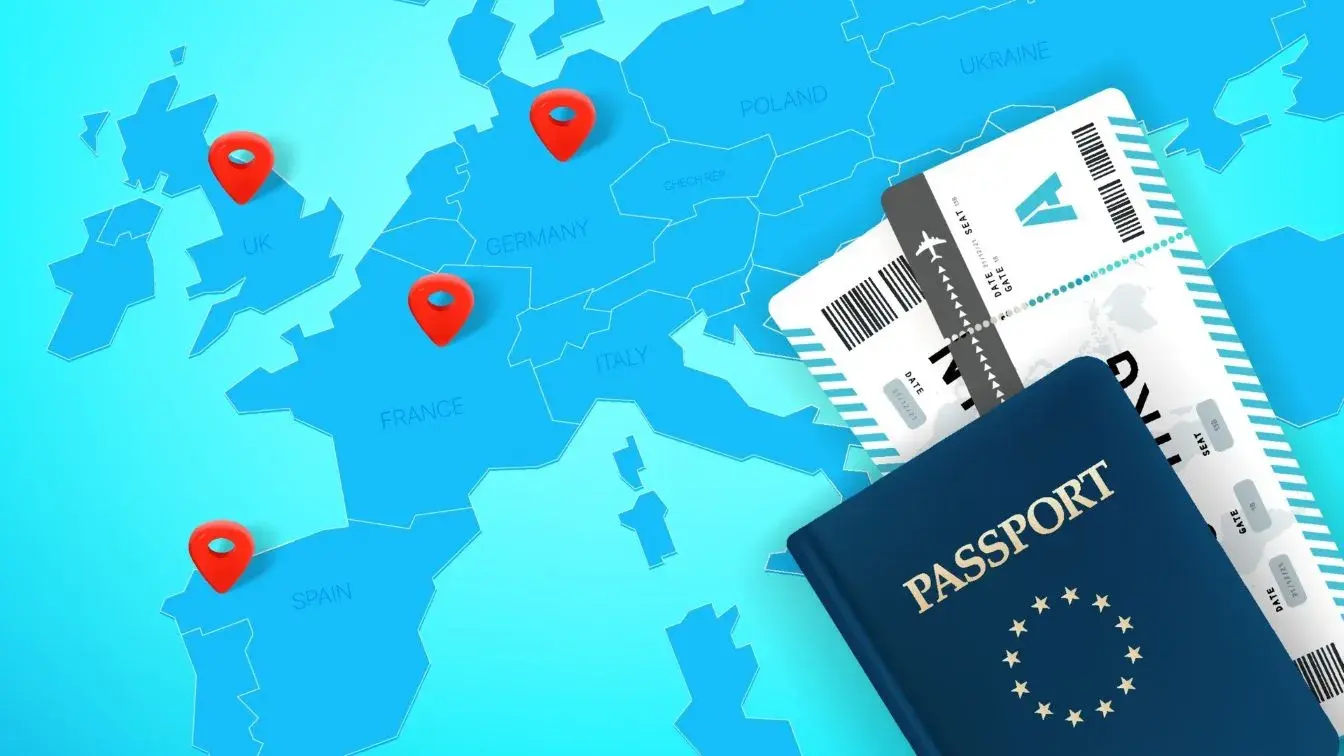
That is the problem we are solving here. We are looking at how embassies quietly adapt visa policies during global events, what signals matter before the rules are formally rewritten, and how you should adjust your dates, documents, and expectations before you submit. When embassy timing shifts, keep a flexible verifiable flight reservation for visa ready for updated travel dates.
During periods when embassies are adapting their approach to risk and timing, maintaining one consistent verifiable flight reservation for visa helps keep your overall application coherent. A clean PNR and clear route logic demonstrate that your travel plans remain structured even when external conditions change. This becomes especially useful when processing slows or routes face temporary disruption, because officers can see that your movement plans are realistic and adaptable rather than fragile. Many applicants find that pairing strong accommodation details with an embassy-approved flight reservation for visa reduces the number of follow-up questions during review. To prepare documentation that holds up well when global events affect visa processing, explore our flight reservation for visa 2026 complete guide and see how simple, verifiable reservations can support your application through changing conditions without creating unnecessary complications.
Table of Contents
- What Actually Changes Inside An Embassy When A Global Event Disrupts Normal Travel
- Why Document Standards Quietly Shift When The World Feels Unstable
- How Smart Applicants Adjust Their Visa Strategy Before The Embassy Forces Them To
- Challenges Faced By Applicants When Embassy Rules Start Moving In Real Time
- Build Your Visa File For Change, Not Just Approval
Key Takeaways #1: Understanding How Embassies Adapt During Global Events
- Embassies usually tighten operational practice (more interviews, stricter document checks, closer route scrutiny) before they publish new formal rules.
- Risk assessment expands from the destination country to the entire travel chain, including transit points and return routes that a verifiable flight reservation for visa can help demonstrate as credible.
- Some events trigger more flexibility while others increase skepticism — the key is watching practical signals rather than only official websites.
- Clear, coherent files with adaptable timing move more smoothly when consular teams are under pressure from backlogs or staffing changes.
- Country-level versus region-level events produce different reactions, so focus on what part of the visa process (entry rules, routing, or document trust) has actually been destabilized.
What Actually Changes Inside An Embassy When A Global Event Disrupts Normal Travel

Embassies do not usually flip a visible switch when the world turns unstable. The real change often starts inside case handling, where normal visa review becomes more cautious, more selective, and more sensitive to how your trip could unravel after approval.
Embassies Rarely Announce A “New Policy” First — They Usually Tighten Practice Before They Update Wording
This is where applicants get caught off guard. The embassy website may still show the same visa category, the same checklist, and the same broad timeline. But the file in front of the officer is no longer being read the same way.
A global event often changes how strictly existing rules are applied before it changes the rules on paper. That can show up in subtle ways. More interview questions. More requests for updated documents. More attention to itinerary timing. Less tolerance for vague travel purpose statements.
So if your file is built around the idea that published requirements are the whole story, you may miss the real shift. Embassies often test risk operationally before they explain it publicly.
Risk Moves From The Destination Country To The Entire Travel Chain
When travel conditions are stable, the embassy can focus mainly on your destination and your reason for going. During a global event, that is rarely enough.
Now the officer may look at the whole chain:
-
Your departure point
-
Your transit airports
-
Your airline route
-
Your return path
-
The chance of cancellations, rerouting, or border disruption
A trip can look reasonable on paper and still feel fragile in practice. A tourist visa for one country may raise extra concern if the route depends on a transit point facing sudden restrictions or airline cuts. A business trip may look less reliable if your return depends on a connection that has become unpredictable.
That changes what “credible travel” means. It is no longer just about having a plan. It is about having a plan that still works if conditions tighten slightly after issuance.
Some Events Lead To More Flexibility, While Others Trigger More Skepticism
Not every crisis pushes embassies in the same direction. Some events make embassies more accommodating. Others make them more defensive.
You may see more flexibility when disruption is clearly external and temporary. For example, embassies may become more understanding about rescheduled dates, delayed appointments, or updated travel documents when routes are suspended or consular staffing is reduced.
But skepticism increases when the event raises migration, security, diplomatic, or compliance concerns. In that setting, officers may look harder at:
-
whether your stated purpose still holds up
-
whether your travel dates make sense
-
whether your return plan feels believable
-
whether your financial documents show enough stability
This is why two applicants with similar paperwork can face very different outcomes under different global conditions. The paperwork may be similar, but the embassy’s risk lens is not.
Processing Pressure Changes: Which Applications Feel “Safe” To Approve
Global events do not just change policy. They change the workload. Backlogs rise. Staffing shifts. Local conditions affect appointment flow. That pressure influences how embassies process borderline files.
In busy or strained periods, clear applications tend to move better than complicated ones. Officers are more likely to feel comfortable with a file that has a straightforward purpose, coherent dates, stable documents, and a route that does not depend on too many moving parts.
That does not mean embassies only approve easy cases. It means uncertainty becomes more expensive. If your file contains several weak points that might have been overlooked in calmer periods, they are more likely to be tested when consular teams are handling disruption at the same time.
Why Country-Level Events And Region-Level Events Produce Different Embassy Reactions
A health spike, a regional conflict, a sanctions package, and a bilateral dispute do not affect visa processing in the same way. Embassies react based on what the event changes in real terms.
A destination-country issue may affect the entry policy. A regional event may affect flight corridors and transit reliability. A local security event may affect embassy staffing or appointment capacity. A diplomatic dispute may change the tone of document review even when the visa category remains technically open.
So you should stop thinking in broad headlines and start asking a narrower question: what part of the visa process has this event actually destabilized? Entry rules, staffing, routing, document trust, or timeline predictability. That answer tells you what the embassy is most likely to scrutinize next.
Key Takeaways #2: Document Standards and Flight Evidence During Instability
- The same document can be accepted one month and questioned the next because embassies read paperwork against current global conditions, not in a vacuum.
- A verifiable flight reservation for visa gains importance because it shows structured, credible, and still adaptable travel intent when routes or timelines become uncertain.
- Consistency across documents matters more than perfection — small mismatches in dates or purpose become bigger red flags under pressure.
- Proof of funds is read as shock resistance: officers want to see stable patterns and enough margin to absorb delays or extra costs, not just a healthy balance on submission day.
- Clear purpose statements help most when ordinary travel faces closer reading because the embassy wants to confirm the trip remains solid under changed conditions.
Why Document Standards Quietly Shift When The World Feels Unstable
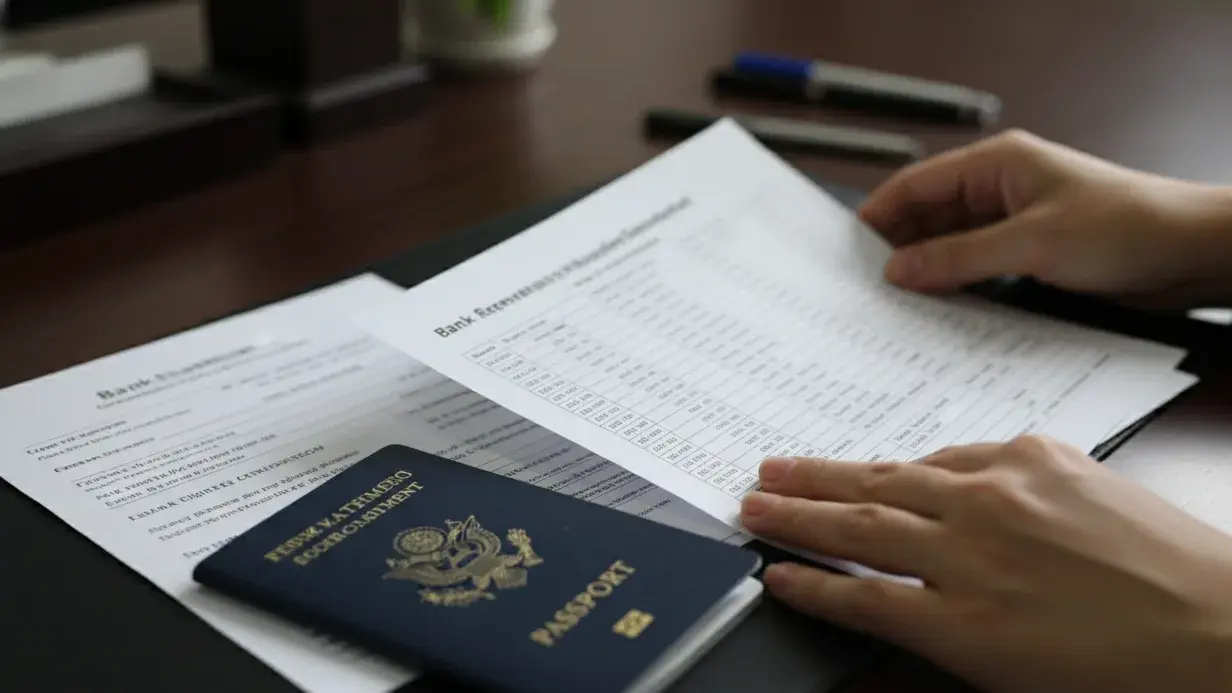
The checklist may stay the same, but the meaning of each document can change fast. During global disruption, embassies stop reading paperwork as static proof and start reading it as evidence that your plan can hold up under stress.
The Same Document Can Be Accepted In One Month And Questioned The Next
A document does not carry a fixed value in every visa cycle. Its strength depends on what the embassy is trying to measure at that moment.
Take a standard employment letter. In a stable period, it may simply confirm your role, salary, and approved leave. During a global event, the same letter may be read more critically. Does the leave window still match realistic travel dates? Does the employer look stable enough if the trip is delayed? Does the letter support a trip that still makes sense in current conditions?
The same pattern applies to invitation letters, conference registrations, travel insurance, and bank statements. Nothing has to be fake or flawed to become weaker. It only has to look less convincing under a changed risk lens.
That is why applicants get confused. They compare their file to a past approval and assume the same bundle will work again. But embassies do not review documents in a vacuum. They review them against the world as it looks now.
Flight Evidence Starts Carrying A Different Kind Of Weight During Disruptions
Flight proof becomes more important when travel conditions are unstable, but not in the simplistic way many applicants assume. The embassy is not always looking for the most expensive booking or the most rigid commitment. It is often looking for a travel plan that is structured, credible, and still adaptable.
A reservation can help because it shows intent, route logic, timing, and return structure. During unstable periods, that matters more. Officers want to see that your journey is not a rough idea. They want to see an actual sequence of movement.
But they may also become cautious about plans that look too brittle. A file tied to narrow dates, fragile transit, or a route already under pressure can create questions instead of confidence.
That is why flexible flight evidence often fits the moment better than a plan that leaves no room for consular delay or route change. If embassy timelines stretch or an airline adjusts its schedule, you need travel proof that can still support the application instead of turning into a contradiction halfway through the process.
When “Consistent” Matters More Than “Perfect”
Applicants often chase polished documents and miss the bigger issue. Under pressure, embassies look for alignment.
Your file should tell one clear story. The leave dates should support the trip window. The bank record should support the pace and type of travel. The invitation, if any, should match the purpose you describe. Your reservation dates should not conflict with your appointment timing or expected processing period.
A small mismatch can suddenly matter more than a missing flourish. That is because inconsistency raises a deeper question: if the file cannot stay internally aligned before travel, how reliable is the trip itself?
Watch for these weak points:
-
leave approval that ends too close to departure
-
return timing that does not fit the stated purpose
-
reservation dates that would expire before the likely visa issuance
-
supporting letters written for one travel window, while the rest of the file shows another
-
funds that look sufficient in amount but unstable in pattern
A strong file does not need to look elaborate. It needs to make sense without forcing the officer to solve contradictions for you.
Proof Of Funds Gets Read As Shock Resistance, Not Just Balance
During global disruption, a bank statement stops being just a number check. It starts working as a stability test.
Embassies may read your finances with a more practical question in mind: if travel shifts, delays, or becomes costlier, can you absorb that change without the trip becoming doubtful?
That pushes attention toward the pattern behind the balance. A healthy statement often looks calm. Regular salary credits. Understandable spending. No sudden attempt to inflate the account right before filing. No unexplained cash movement that makes the trip look newly manufactured.
What can make an officer pause?
-
a large recent deposit with no context
-
a balance that appeared only days before submission
-
spending patterns that conflict with the claimed employment profile
-
weak continuity in salary or business inflow
-
a trip budget that leaves no margin for disruption
In a volatile moment, the embassy is not just asking whether you can afford the original trip. It is asking whether your finances still look credible if the trip stops going exactly to plan.
Why Embassies Sometimes Want More Purpose Clarity, Even For Ordinary Trips
Ordinary travel does not always stay ordinary in a tense global environment. A short holiday, family visit, or business meeting may face closer reading because the embassy wants to know whether the purpose remains solid under changed conditions.
Vague tourism plans become weaker first. So do business trips with thin supporting material or family visits described too casually. If the route is harder, the timeline tighter, or the regional context more uncertain, the officer may want a clearer purpose because clarity reduces risk.
You do not need dramatic language. You need precision.
That often means the file should answer practical questions without being asked:
-
Why this trip now
-
Why these dates
-
Why this route
-
Why this duration
-
Why your return still looks dependable
The more specific your purpose, the easier it is for the embassy to believe the rest of the file.
When embassy timing becomes less predictable, some applicants prefer flight reservations that can adapt to the file rather than fight against it. BookForVisa.com can be a great option for you as we offer instantly verifiable reservations with a PNR and PDF, unlimited date changes, transparent pricing at $15 (~₹1,300), credit card payment, and broad use by visa applicants worldwide.
How Smart Applicants Adjust Their Visa Strategy Before The Embassy Forces Them To

The strongest visa file during a global shock is rarely the most detailed one. It is the one you can still defend after a route changes, a consulate slows down, or immigration authorities start reading routine travel as a higher-risk movement.
Apply With A Plan That Can Survive Delay, Transit Visa Problems, Rerouting, Or A Rule Change
You need a file built for movement, not perfection. A tidy itinerary can still fail if one route closes, a transit visa becomes relevant, or consular services suddenly slow because of political or civil pressure in the host country.
That means your plan should absorb change without breaking. Your travel dates should leave room for delayed biometrics, slower passport return, or extra checks on foreign nationals. Your flight timing should still work if an airline cuts one segment. Your leave window should not collapse if the embassy asks for one more document.
This matters even more for student visas, conference travel, or programs tied to fixed start dates. In those cases, a rigid file creates challenges faster than a flexible one. A strong application shows that you have thought beyond the first booking and considered what happens if external affairs shift during review.
Don’t Treat Embassy Websites As The Only Signal
Official embassy pages remain essential, but they are not always the first place where change appears. In real cases, embassies play catch-up with operational reality. The website may stay stable while appointment slots shrink, document screening gets stricter, or consulates quietly start asking sharper questions.
So you need to watch practical signals that provide guidance before formal wording changes:
-
appointment backlogs that suddenly grow
-
outsourced centers adding new document checks
-
new warnings about routing or entry conditions
-
tighter interview language around purpose, funds, or return plans
-
airline disruptions that have a direct impact on your proposed route
The visa application process is shaped by paperwork, but also by timing, staffing, diplomacy, and accountability inside institutions that protect national interests. If you only read the published checklist, you may miss the real direction of travel.
Submit For The Trip You Can Defend, Not The One You Hope The World Will Allow
Hope is not a strategy. If your plan depends on optimistic assumptions, the file becomes weak the moment conditions tighten.
You should submit for the trip that still looks credible if one variable changes. That usually means a cleaner route, a more realistic stay length, and a purpose statement that survives extra scrutiny from immigration authorities or a background review. International travelers often make the mistake of filing for an ideal version of the trip instead of the version they can explain calmly under pressure.
Ask simple questions before you file:
-
Does this route still make sense if one connection is removed?
-
Does this travel purpose remain convincing if the region becomes tense?
-
Does the timing still work if the case is not granted quickly?
-
Does the file look coherent to a person reading it in a cautious policy climate?
Embassies and consulates are not judging your ambition. They are judging whether the trip still makes operational sense.
Build A “Second Version” Of Your File Before You Need It
Smart applicants do not wait for trouble before they prepare for it. They build backup documents early.
That second version should not be a different story. It should be the same story with updated timing and stronger resilience. You may need:
-
A refreshed flight reservation
-
An updated employer letter
-
A newer bank statement
-
Revised insurance dates
-
A clearer cover letter
-
A cleaner address history if the form asks for it
This is especially useful when global mobility gets messy because of natural disasters, terrorism alerts, economic shocks, or tension between foreign governments. In that climate, consular staff may ask whether the file still verifies your original intent. If you already have replacements ready, you can respond without scrambling.
That preparation also helps when companies change travel policy, universities revise intake timing, or international organizations adjust event calendars at short notice.
When Waiting Is Smarter Than Filing
Sometimes the best move is not speed. It is restraint.
You should consider waiting until the file is likely to age badly before review. That can happen when visa appointments are scarce, routing is unstable, or diplomatic relations are shifting so quickly that your current evidence may look stale in two weeks. The most significant aspects of timing are not only your preferred travel dates, but also whether the embassy can still read your file as current when it reaches active review.
Warning signs include:
-
severe appointment congestion
-
frequent route cancellations
-
unclear guidance from the home country and the destination
-
new restrictions affecting citizens abroad or transit traffic
-
rapidly changing rules from foreign governments
-
a narrow academic or business timeline with no buffer
Waiting is not a weakness. It is often the more strategic choice when your documents would otherwise enter review at the worst possible moment.
Key Takeaways #3: Adjusting Strategy and Preparing for Change
- Build your file to survive delay, rerouting, or rule changes rather than assuming the first version will be approved quickly.
- Watch practical signals (backlogs, new document requests, tighter interviews) in addition to official embassy websites.
- Submit only for the trip you can still defend if one variable shifts — cleaner routes and realistic timing reduce risk more than optimistic plans.
- Prepare a “second version” of key documents early so you can respond calmly if the embassy asks for updates.
- Sometimes waiting is the smarter strategic choice when documents would quickly become outdated or appointments are severely congested.
Challenges Faced By Applicants When Embassy Rules Start Moving In Real Time
The hardest visa mistakes during a global event are rarely dramatic. They usually start with a normal-looking file that no longer matches how the embassy is reading risk, timing, and route stability.
Mistaking A Global Event For A Temporary News Story
A headline can fade before the visa impact does. That is where many applicants go wrong.
You may see flights operating again, a calmer news cycle, or fewer alerts in your browser, and then assume the embassy has also returned to normal. Often it has not. Consular teams may still be maintaining stricter review standards because the operational aftershocks remain.
That matters for your file. If the route is still fragile, if appointments are still delayed, or if document screening has tightened, your application is still subject to that reality even when public attention has moved on.
Some travelers also overestimate the protection they think embassies owe them. They treat approval as a form of travel assistance or assume diplomats must help once conditions become messy. In practice, the Vienna Convention does not turn a weak visa strategy into a strong one. The embassy’s responsibilities stay centered on state policy, not rescuing an avoidable planning mistake.
Submitting Documents That Are Technically Correct But Operationally Weak
A file can meet the checklist and still fail the moment an officer tests whether the trip still works.
This is one of the most common challenges faced by applicants during global disruption. The documents are real. The dates line up on paper. The hotel or flight proof exists. But the plan is weak in practice.
Operational weakness often looks like this:
-
a flight route that depends on a shaky connection
-
travel dates that leave no room for consular delay
-
a return schedule that becomes unrealistic if one leg changes
-
insurance that covers the original trip but not a likely shifted window
-
a cover letter that sounds firm, even though the trip now needs flexibility
Embassies notice when the trip exists only in its best-case version. That is why technically correct paperwork can still look unconvincing once external conditions change.
Overcommitting Money Too Early Just To Make The File Look Serious
Some applicants believe the safest move is to spend more money earlier. They lock in expensive travel, pay for rigid arrangements, or choose non-flexible bookings to signal commitment.
That logic can backfire. During unstable periods, overcommitment does not always impress the visa department. It can make the file look poorly built due to uncertainty.
A better file shows control, not financial bravado. You want evidence that supports the trip without creating new problems if processing slows, a route changes, or the embassy asks for updated timing. A flexible flight reservation for visa can serve that purpose well because it helps demonstrate planned travel without forcing you into a financially brittle position before the case is even decided.
The strongest signal is not how much you spend. It is whether your planning choices still make sense after the first change hits.
Ignoring Specific Behaviors By Consular Services Because Another Country Still Feels Stable
Applicants often compare the wrong things. One embassy is issuing visas on schedule, so they expect another to behave the same way. One consulate seems relaxed about routing, so they assume a different post will be too.
That shortcut causes real damage. Embassies do not all respond alike, even when the broader event is the same. Their reaction depends on staffing, security posture, local routing pressure, bilateral context, and how closely they are assisting their own citizens abroad at the same time.
This is especially important with trips that involve education, business travel, family visits, or cultural programs. A destination that still looks calm from the outside may still have an embassy applying tougher scrutiny to certain routes or document patterns.
You should not explore a visa strategy by analogy. You should read each embassy as its own operating system.
Failing To Refresh The Story Of The Trip After Global Mobility Conditions Change
A good visa file is not frozen the day you assemble it. It remains a live story, and that story can go stale fast.
If your original route changes, if a conference shifts dates, if a host revises your visit window, or if a travel warning makes your first plan less plausible, the application narrative needs attention. Otherwise, the file begins to conflict with itself.
That conflict may involve:
-
a stated purpose that no longer fits the timing
-
a reservation that verifies movement but no longer supports the route logic
-
employer documents tied to dates you can no longer reasonably use
-
a return plan that now depends on assumptions the embassy no longer shares
This is where applicants often get subject to avoidable doubt. The officer is not only reading documents. The officer is reading whether you noticed the world changed and acted accordingly.
Treating Silence As Normal When The Case Clearly Needs Updating
Silence is not always harmless. Sometimes it just means the case is moving slowly. Other times, it means your file is aging while you do nothing.
You need judgment here. Not every pending application needs a new contact. But if the original flight window is approaching, if routing has materially changed, or if new embassy guidance affects the basis of your trip, passive waiting can weaken your position.
That does not mean sending emotional messages or random resources. It means preparing updated evidence, knowing what has changed, and being ready if the embassy asks for clarification. Calm applicants who keep clean replacements on hand are far better positioned than those who treat the case as finished once it is lodged.
When rules move in real time, the difference between a fragile application and a credible one usually comes down to whether your file still makes sense without forcing the embassy to rebuild its logic for you, which is exactly the point the conclusion needs to bring into focus.
Build Your Visa File For Change, Not Just Approval
When global events disrupt travel, the smartest move is not guessing what an embassy might overlook. It is giving the embassy a file that still looks credible if routes shift, timelines stretch, or document standards tighten. That means your dates, purpose, funds, and flight proof should work together under pressure, not just on the day you apply.
If your application still makes sense after conditions change, you are already in a stronger position than most applicants. We should treat visa planning as risk management, not checklist chasing, and adjust the file before the embassy forces that decision for us.
For travelers preparing applications during periods of global uncertainty, understanding clear Schengen visa flight reservation requirements becomes especially valuable. When processing standards emphasize consistency and adaptability, a well-chosen verifiable flight reservation for visa helps demonstrate that your plans remain realistic and complete. Check our detailed breakdown of Schengen visa flight reservation requirements to ensure every element of your file meets current expectations and supports a smooth decision process even when conditions shift.
More Resources
Why Travelers Trust BookForVisa.com
BookForVisa.com has been helping travelers since 2019 with specialized dummy ticket reservations for visa applications. We've supported over 50,000+ visa applicants worldwide, providing verifiable PNRs and instant PDF deliveries. Our 24/7 customer support ensures quick resolutions, while secure online payments and unlimited changes demonstrate our commitment to reliability. As a registered business with a dedicated team, BookForVisa.com focuses exclusively on flight reservations for visa, offering niche expertise you can count on.
About the Author
Visa Expert Team — With over 10 years of combined experience in travel documentation and visa assistance, our editorial team specializes in creating verifiable flight and hotel itineraries for visa applications. We have supported travelers across 50+ countries by aligning documentation with embassy and immigration standards.
Editorial Standards & Experience
Our content is based on real-world visa application cases, airline reservation systems (GDS), and ongoing monitoring of embassy and consular documentation requirements. Articles are reviewed and updated regularly to reflect current practices.
Trusted & Official References
- U.S. Department of State — Visa Information
- International Air Transport Association (IATA)
Important Disclaimer
While our flight and hotel reservations are created to meet common embassy requirements, acceptance is not guaranteed and may vary by country, nationality, or consulate. Applicants should always verify documentation rules with the relevant embassy or official government website prior to submission.