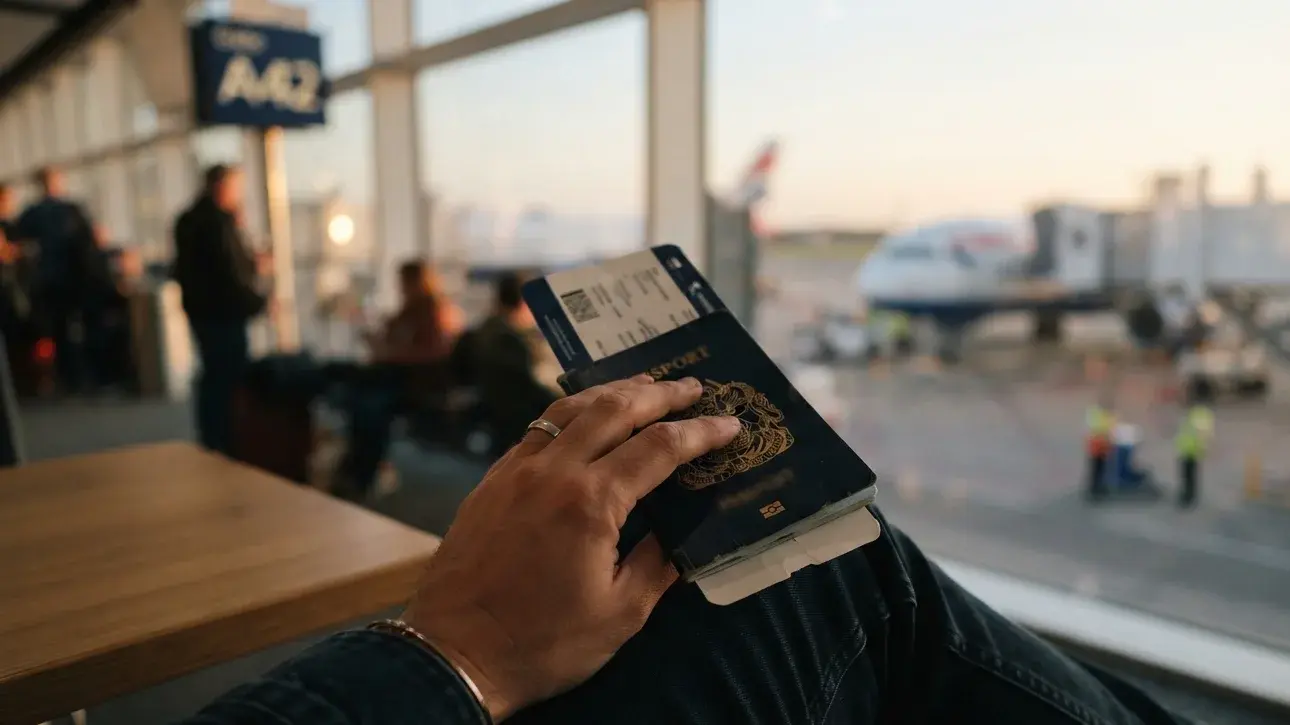
Some visa portals now ask for flight proof before your interview date is even confirmed. Instead of waiting for a counter appointment, you may be asked to upload travel evidence into an embassy, consulate, visa application centre or commercial-partner portal weeks ahead of the interview.
That timing changes the whole strategy. You are no longer choosing a document for one specific appointment day. You are choosing a reservation that has to survive a waiting period, possible rescheduling, document review, pre-screening and sometimes a manual check before anyone speaks to you.
If the timing is wrong, the file can look weak before your case is properly heard. If the PDF format is messy, the upload can fail before the officer sees the route. If the dates do not match your visa form, hotel proof, invitation letter or expected processing window, the document can create a question that would have been easy to explain in person but is much harder to fix inside a portal.
This guide explains what to prepare, when to prepare it, and how to keep a pre-interview flight reservation useful through the full visa timeline. The goal is not to panic-buy a non-refundable airline ticket too early. The goal is to submit a travel-proof document that looks current, readable, consistent and easy to verify.
If you need the broader foundation first, start with the flight reservation for visa guide. This article focuses on the narrower situation where the consulate wants proof before the interview or before the appointment file is complete.
Key facts before uploading flight proof:
- Pre-interview flight proof is usually about travel intent and consistency, not proof that you already bought a final ticket.
- Your reservation should match the visa form, passport name, hotel dates, invitation dates and expected travel window.
- PDF format is usually stronger than screenshots because it keeps the PNR, route and passenger details cleaner.
- If the interview moves by several weeks, check whether the reservation still looks current before leaving it in the file.
- Do not edit old reservation dates manually; create a fresh reservation if the travel plan genuinely changes.
Need pre-interview travel proof that looks clean in the portal? BookForVisa can prepare a visa-ready flight booking with readable passenger details, route, dates and PNR-style booking reference for your application file.
Create Your Flight Booking for VisaIn This Guide
Official-source check: Official guidance supports the idea that applicants may need to provide evidence before or around an appointment. GOV.UK’s evidence upload guidance explains that applicants can be asked to upload specific evidence and should check it before submission. GOV.UK’s UKVCAS guidance says applicants can provide supporting documents by uploading them online or having them scanned at an appointment. The European Commission’s Schengen visa guidance lists supporting documents for purpose of stay, accommodation, financial means and intention to return. The practical takeaway: if flight proof is requested before an interview, the reservation must be readable, consistent and aligned with the rest of the application.
Reviewed for: pre-interview document timing, flight booking wording, reservation-versus-paid-ticket clarity, portal upload logic, PNR readability, route-date consistency, cross-document alignment, claim safety and official-source support.
Why Consulates Ask for Flight Proof Before the Interview
Visa processing has changed shape. What used to happen face to face, with a document folder passed across a counter, often now happens through a screen before a visa officer meets the applicant. The file may be checked by an online checklist, an outsourced application centre, a document-scanning desk or a back-office review team before the interview stage.
The portal-first model changes the applicant’s job
Under the older interview-day model, you could bring documents to the appointment and explain a small issue immediately. If your travel dates shifted or a route looked unusual, an officer could ask a follow-up question. That conversation gave the applicant room to clarify.
Under the portal-first model, the uploaded document has to speak for itself. Your flight reservation is attached to a field, reviewed against a checklist and compared with the rest of your file. If something looks off, there may be no instant conversation to soften the mismatch.
A few things follow from this:
- The portal is usually asking for travel proof, not necessarily proof that you already bought a final airline ticket.
- A reservation can reduce financial risk when the visa decision is still uncertain.
- The document must be clean enough for review without your verbal explanation beside it.
- The flight dates need to survive the waiting period between upload and appointment.
- Any mismatch can become more visible because the file may be reviewed before you speak to anyone.
This is why a pre-interview upload should not be treated as a casual placeholder. It is often the first travel-proof signal the application system sees.
Visa categories where pre-upload is common
This model is not universal, but it is common enough that applicants should expect it in many routes. Some Schengen short-stay visa processes ask applicants to prepare a complete document set before the appointment. Certain UK routes allow or require supporting evidence to be uploaded before biometrics or appointment handling. Some work, study, family visit and long-stay applications use online accounts where documents are attached before a decision maker reviews the file.
For these categories, the checklist is not a formality. It is the first gate. If the travel proof field asks for a flight reservation, flight booking, travel itinerary or proof of departure and return, the file should already be polished before you start the upload process.
The danger is assuming you can fix everything at the interview. In a portal-led process, the document may already have been screened by the time you arrive. If the booking looks expired, cropped, inconsistent or unverifiable, you are starting from a weaker position.
Why a reservation often makes more sense than a paid ticket
The difference between a reservation and a paid ticket matters most before approval. A fully paid airline ticket can expose the applicant to cancellation fees, fare changes and non-refundable loss if the visa is delayed or refused. A reservation shows planned travel without forcing the applicant to lock money into final airfare too early.
That does not mean any document is acceptable. A flight reservation still needs realistic details. It should show the traveler’s name, route, travel dates and booking reference in a format that looks appropriate for a visa file. It should also match the other evidence, especially accommodation, insurance, leave approval, invitation letters and cover letter dates.
If the article or checklist language mentions “dummy ticket,” keep the terminology separate. BookForVisa should stay focused on flight reservation and flight booking intent, while broader dummy-ticket terminology belongs naturally to DummyFlights’ what is a dummy ticket explainer. That separation helps the reader understand the difference without making this BookForVisa article compete for the wrong entity.
Why consulates front-load itinerary checks
Consulates and application centres are trying to filter incomplete or inconsistent files before allocating time to them. Flight proof helps the reviewer see whether the trip has an intended direction, dates, entry point and return or onward logic.
For a tourist or short-stay visa, the flight booking shows whether the proposed stay length is believable. For a business visit, it helps confirm whether the meeting dates and travel dates sit together. For a student or worker, it can show whether the applicant is arriving at a sensible time before the program or job begins.
The document is not judged alone. It sits beside the visa form, passport, accommodation proof, insurance, invitation letter, employment letter, financial evidence and cover letter. A clean flight itinerary for visa should make those documents feel connected, not create a second story.
That single point, keeping the travel proof aligned, becomes even more important once the reservation sits in the portal for days or weeks before the interview.
What Happens to Your Booking Between Submission and Interview Day
Getting a flight reservation accepted at upload is only the first part. The real question is whether the same document still looks useful when the file is reviewed later.
The shelf-life problem
A reservation submitted on day one of a portal process is not always reviewed on day one. It may sit in a queue. The appointment may be weeks away. The consulate may review documents before, during or after biometric submission depending on the process.
This creates a timing gap. A booking that looked reasonable at upload can start to look stale if the interview is delayed or the travel date becomes too close. The problem is not that the applicant did anything wrong. The problem is that the reservation has a practical shelf life inside a moving visa timeline.
Think about an applicant applying for a Schengen visa through an application centre with appointments available only several weeks later. If the flight booking shows travel dates that were already tight at the upload stage, the file may look unrealistic by the time it reaches review.
The fix is to build buffer room. Do not anchor the booking only to the day you complete the online form. Anchor it to the full expected path: upload, appointment, review, possible delay and decision.
If the interview gets rescheduled
Interview reschedules happen during peak seasons, high-volume application windows, staffing changes and country-specific delays. When that happens, your uploaded reservation does not automatically update. It remains attached exactly as submitted.
A small shift usually does not matter. If the appointment moves a few days and the travel date still sits after the interview with a reasonable buffer, the reservation can still support the file. But a major shift can change the reading completely.
If your appointment moves by several weeks or months, compare the uploaded booking with the new timeline:
- Does the departure date still fall after the appointment and likely decision window?
- Does the hotel proof still match the flight dates?
- Does the insurance coverage still cover the full travel period?
- Does the cover letter still describe the same travel window?
- Does the reservation still look current enough for the stage of review?
If too many answers are weak, leaving the old reservation in place may hurt more than help.
Should you resubmit updated travel dates?
This is a judgment call, and it depends on the size of the date change and whether the portal allows document replacement. Do not replace documents randomly if the process has already locked the file, but do not ignore a serious mismatch either.
A rough guide:
- Small date shifts under two weeks: the original reservation may still be fine if the travel window remains believable.
- Moderate shifts of two to six weeks: consider updating if the portal allows replacement and the old travel dates now look tight.
- Major shifts over six weeks: a new reservation is usually safer because the original may look like an outdated version of the plan.
The important rule is simple: do not edit the old reservation document manually to make dates appear current. If the travel plan changes, create a new booking or reservation document that reflects the actual new plan. Edited travel proof can damage credibility far more than a properly updated reservation.
Long processing gaps need a wider timing strategy
Some visa categories create longer gaps between upload and decision. Long-stay, employment, family and study routes can involve multiple stages. A reservation dated too close to the original submission can look stale by the time the application reaches a real review desk.
For these cases, treat the expected decision or appointment window as the planning anchor. The flight booking should sit after the realistic review period, not just after the online upload date. This is especially important where the consulate asks for the whole document set early but does not promise a quick decision.
This timing logic belongs inside the wider flight reservation for visa strategy. The reservation is one part of a file that also includes reason for travel, finances, accommodation and return intention. When the timeline stretches, every document has to stretch coherently.
Format the Reservation for Pre-Interview Upload
Timing solves one problem. Formatting solves another. A good reservation can still fail if the uploaded file is hard to read, wrongly named, too large, incomplete or inconsistent with the rest of the application.
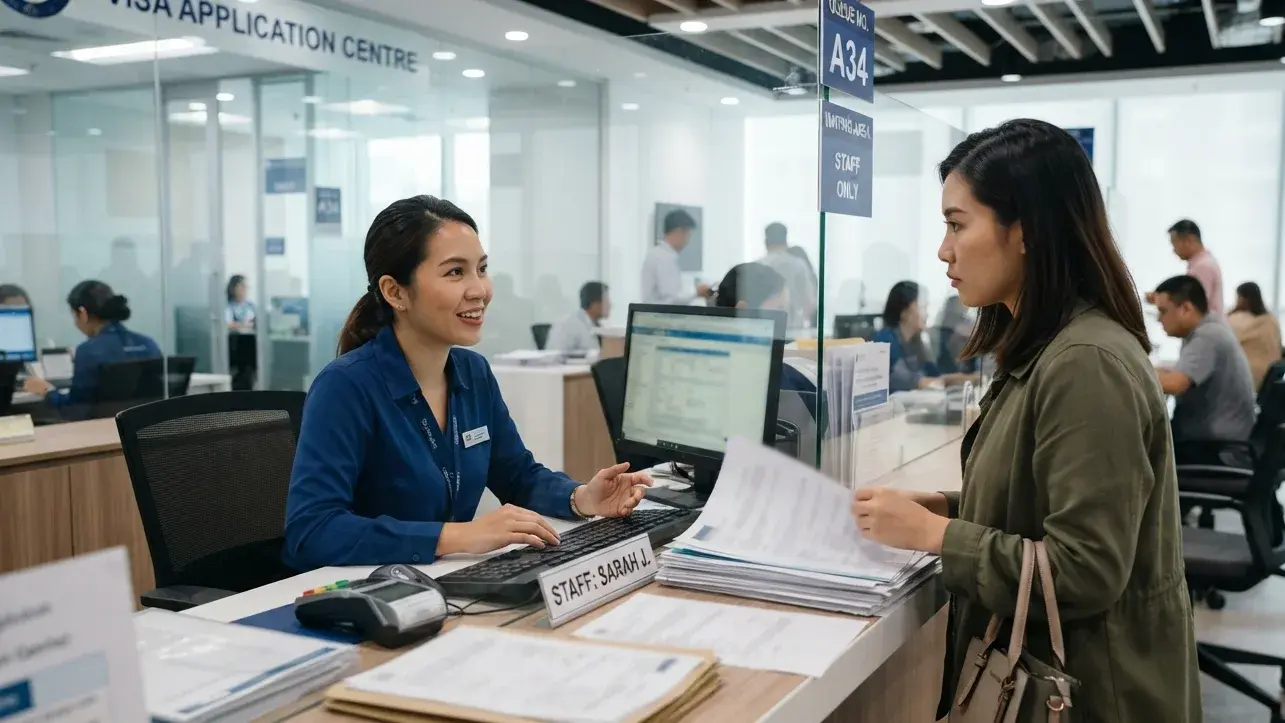
Match every detail before upload
Pre-submitted flight proof should be checked like a data document, not just glanced at like a travel plan. The reviewer is comparing fields. A mismatch can trigger questions even if the trip itself is genuine.
Start with the passport name. The name on the flight booking should match the passport and visa form as closely as the booking system allows. Watch for surname order, missing middle names, initials, hyphens, spacing and special characters.
Then check the travel dates. Your arrival and departure should match the visa form, cover letter, hotel proof, insurance period and invitation dates where relevant. If your application says you will enter on one date but your reservation shows a different entry date, the reviewer has to decide which version is true.
Run this check before upload:
- Passport name matches the reservation and visa form.
- Arrival date matches the application and cover letter.
- Return or onward date sits inside the intended stay period.
- Entry city matches the planned first destination or main destination logic.
- Hotel dates do not contradict flight arrival and departure.
- Insurance coverage starts before or on arrival and ends after or on departure.
- Invitation or event dates fit naturally between arrival and return.
These checks are basic, but they prevent most avoidable pre-interview problems.
Use PDF instead of screenshots when possible
Most serious document portals are built around PDF, JPG, JPEG or PNG uploads, but that does not mean all formats are equally strong. A screenshot of a booking email may show the right dates, but it often looks cropped, informal and difficult to verify. It can also hide important fields above or below the visible screen.
A properly formatted PDF reservation is cleaner. It can show the passenger name, flight numbers, airport codes, route, travel dates, booking reference and provider layout in one stable document. It is also easier to compress without blurring the important data.
If the portal accepts PDF, use a clean PDF. If the portal requires an image format, export carefully and check that the booking reference, passenger name and dates remain readable. Do not upload a blurry phone photo unless there is no better option.
File name and file size still matter
Formatting issues do not stop at PDF versus screenshot. Many portals apply file-size limits and naming rules. Some systems reject files with special characters, very long names, unsupported extensions or spaces that behave badly in the uploader.
A practical file name is short and clear, such as:
- flight-booking-visa-applicant-name.pdf
- flight-reservation-pre-interview.pdf
- travel-itinerary-visa-upload.pdf
Avoid messy names such as “screenshot final final new compressed 3.pdf.” They look careless and make it easier to upload the wrong version.
Also check the file size before opening the portal. If the system has a 2MB or 5MB limit, prepare the file below the cap with a buffer. A file that sits exactly at the limit can still fail if the portal calculates size differently.
Where a verifiable booking reference matters most
At the interview stage, an officer can ask about a document if something looks unclear. At the pre-submission stage, the file may be reviewed without you present. That makes the booking reference, PNR or reservation number more important.
The reference should be readable and consistent with the rest of the document. If a reviewer checks the reservation manually, the route and passenger details should not contradict what appears in the uploaded PDF. The file should not look like a decorative itinerary with no traceable booking details behind it.
For applicants who need a reservation before committing to final airfare, BookForVisa focuses on clean, readable flight booking documentation for visa files. That is different from submitting a fake or edited document. The strength comes from consistency, traceability and proper formatting, not from pretending a temporary reservation is a final paid ticket.
Mistakes That Get Pre-Submitted Flight Proof Flagged
Most weak flight-proof submissions fail because of small, avoidable errors. The reservation itself may be acceptable, but the surrounding details make it look risky.
Travel dates that start before the visa can realistically be issued
This mistake is common when applicants build the itinerary around a desired travel date instead of a realistic visa timeline. If a consulate estimates several weeks for processing but your flight booking shows departure in a few days, the document stops supporting the application. It makes the trip look impossible or poorly planned.
This problem becomes sharper when the document is uploaded before the interview. A tight travel date may already be weak at submission, and it can become even weaker by the time a reviewer opens the file.
Before booking dates, check the expected processing time, appointment availability and any event deadline. Then place the flight reservation after the realistic decision window. If the trip is tied to a fixed event, the cover letter should explain that clearly, but the flight proof still needs to make practical sense.
One-way or mismatched itinerary when return proof is expected
Many visitor, tourist and short-stay applications expect a clear exit pattern. That does not always mean a final paid return ticket, but it usually means the file should show how the applicant plans to leave within the allowed stay.
A one-way reservation can raise questions if the visa category, cover letter or accommodation plan describes a short temporary visit. If the applicant genuinely has a one-way or flexible route, the file needs stronger explanation and supporting evidence. Otherwise, a round-trip or clear onward booking usually reads more naturally.
Watch for mismatches such as:
- Visa form says 14 days, but return flight shows 35 days.
- Hotel booking ends on day five, but departure is day twenty.
- Invitation letter covers one city, but the route enters somewhere unrelated.
- Cover letter says tourism, but the itinerary looks like relocation.
- Insurance ends before the return flight.
These are not SEO problems or formatting problems. They are credibility problems inside the visa file.
Relying on proof that cannot survive a manual check
Some consulates do not stop at reading the uploaded PDF. They may compare details, ask for clarification, request updated evidence, or manually verify a booking reference if something looks uncertain.
A document that cannot be checked, has no readable reference, or shows details that do not match the applicant’s file can create trouble. This is different from using a temporary reservation instead of a paid ticket. A temporary reservation can still be useful when it is clean and consistent. The issue is whether the proof itself holds up when reviewed.
Avoid:
- Edited PDFs with changed dates or names.
- Screenshots with cropped booking details.
- Reservations where the PNR is blurry or missing.
- Documents that show one route while the application describes another.
- Old bookings reused for a new appointment without checking current relevance.
Updating the booking without updating the story
Plans change. Interviews move. Work letters get updated. Event dates shift. The risk begins when one document changes and the rest of the application does not.
If you replace the flight booking, check the hotel proof, insurance dates, cover letter, invitation letter and visa form. A new reservation with old supporting documents can look just as inconsistent as an old reservation with a new appointment date.
If the portal allows resubmission, follow the consulate’s process. If it does not, bring the updated evidence to the appointment if the instructions allow it, and prepare a short explanation. Do not quietly change one part of the travel story and hope nobody compares the versions.
Final Check Before the Interview Starts
Pre-interview flight proof is not just an earlier version of the same requirement. It carries its own timing risks, upload risks and consistency risks. The document has to be useful before you speak to anyone and still make sense when the interview or review happens.

Before you submit or attend the appointment, confirm:
- The reservation shows the correct passport name.
- The route matches the destination and entry logic.
- The dates match the visa form and cover letter.
- The departure date allows enough time after the appointment or expected decision.
- The return or onward date supports the intended stay length.
- The booking reference or PNR is readable.
- The PDF opens cleanly and is not password protected.
- The file size and file name match the portal rules.
- Any updated booking is reflected across accommodation and insurance proof.
When those items line up, your flight proof stops being a source of stress and becomes one steady part of the application. It shows that your travel plan is organized before the interview even starts.
The strongest approach is balanced: do not buy a final ticket too early if the visa outcome is not clear, but do not submit a weak placeholder either. Use a clean reservation, keep it current, and make sure every detail supports the same travel story.
Uploading travel proof before your interview? Create a clean BookForVisa flight booking with readable route, dates and booking reference so your pre-interview file looks organized from the first review.
Create Your Flight Booking for VisaFAQ
Do I need a flight booking for visa before the interview?
You need one if the consulate, VAC, portal or checklist asks for travel proof before the interview or appointment. Many systems request supporting documents during online upload, while others let you bring them to the appointment.
Should I buy a paid ticket before visa approval?
Usually it is safer to avoid buying a non-refundable ticket before the visa decision unless the specific authority requires it. A clean flight reservation can often show travel intent without the same financial risk.
What should my pre-interview flight reservation show?
It should show the traveler’s passport name, route, travel dates, flight numbers where available, booking reference or PNR, and a realistic return or onward plan that matches the visa file.
What if my interview date changes after I upload flight proof?
Check whether the old reservation still makes sense beside the new appointment date. Small shifts may be fine, but major delays may require an updated reservation if the portal or consulate allows resubmission.
Is a screenshot acceptable as flight proof?
A screenshot may be accepted by some portals, but a clean PDF is usually stronger because it keeps the passenger details, route, dates and booking reference easier to read and verify.
Can I edit an old booking to match a new interview date?
No. Do not manually edit reservation dates, names or routes. If your plan changes, create a fresh reservation or follow the official update process instead of altering an old document.
Does a flight reservation guarantee visa approval?
No. A flight reservation can support the travel-plan part of a visa file, but approval depends on the full application, including eligibility, finances, purpose of travel, ties, documents and country-specific rules.
Friendly reminder: BookForVisa provides travel-proof documents for planning and visa-application support. Requirements vary by destination, consulate, visa category and applicant situation. A flight reservation can support a file, but it does not guarantee approval, boarding or entry.