
Air India is often the natural airline choice for Indian visa applicants. The routes are familiar, the departure airports are easy to explain, and many visa files from India already contain Air India-style travel patterns. But a good itinerary is not just about choosing a known airline. It is about using the right reservation type at the right moment.
This article owns one specific intent: how to use an Air India itinerary or reservation as visa-stage travel proof without overpaying before approval. It is not a generic airline ticket article, and it is not trying to replace the main visa-reservation pillar. It focuses on Air India-specific route logic, Fare Lock timing, PNR checks, fare flexibility, agent bookings, and post-submission updates.
In This Guide
- Why an Air India itinerary can read cleanly in a visa file
- How to book or hold directly with Air India
- How agents and OTAs change the risk
- How Air India fare choices affect visa-stage risk
- How to audit the PNR, PDF, hotels and insurance
- How to use Fare Lock, holds and backup plans
- How to sync dates across the full visa file
- FAQ
Why an Air India Flight Reservation Can Read Cleanly in a Visa File
Visa reviewers do not need your flight plan to be dramatic. They need it to make sense. An Air India reservation can work well because many Indian travel patterns are easy to understand: Delhi to London, Mumbai to Frankfurt, Bengaluru to Paris through a hub, or India to North America on a long-haul itinerary. The airline, origin and route can feel normal for the applicant profile.
How Visa Officers Actually Look at Your Flight Plan
A flight reservation is usually checked as part of a larger story. The reviewer compares your declared travel dates, route, accommodation, insurance, leave letter, invitation, event timing and return logic. The itinerary supports the story only when it matches those items.
For example, if your Schengen form says you enter France on May 10, your Air India reservation should not show a first arrival in Germany on May 12 unless your cover letter explains why. If your UK invitation says the event is on June 5, the itinerary should not arrive after the event. If your leave letter covers 12 days, the trip should not quietly become 24 days.
The reservation does not win the case by itself. It removes doubt from the travel-timing part of the file. That is valuable because many weak applications fail through small contradictions rather than one dramatic mistake.
Why Air India Fits Indian Applicants Well
Air India routes often align with Indian departure patterns. Applicants can choose familiar origin airports, realistic international sectors and routing that does not look manufactured. A straightforward Air India itinerary from India to Europe, the UK, the US, Canada, Australia or the Middle East usually needs less explanation than a complicated combination of obscure carriers.
This matters most when the applicant profile is already being tested. First-time travellers, applicants with modest travel history, students with fixed reporting dates and family visitors with invitation letters all benefit from simple route logic. A clean Air India reservation lets the reviewer spend less energy wondering why the route looks strange.
Matching the Air India Route to the Visa Story
Your route should follow your declared purpose. A tourism file needs dates and cities that look visit-based. A student file should match the program start or reporting window. A business file should line up with meeting dates. A family visit should match the invitation period. The Air India itinerary should support that purpose, not create a second storyline.
- Tourism: simple arrival and return dates that match hotels and insurance.
- Business: arrival before the meeting and return after the event window.
- Student: arrival before orientation or reporting date.
- Family visit: dates that match invitation and host availability.
- Transit-heavy trip: clear onward sectors and enough connection time.
If the itinerary is open-jaw or multi-city, explain why. Open-jaw travel can be reasonable, but it should not look like country collecting or route manipulation. Keep one primary purpose visible.
One Airline or Multiple Carriers
One airline is often cleaner on paper, but it is not always necessary. An Air India outbound with a partner or separate return can still work if the full route is coherent. The real question is whether the itinerary can be explained in one sentence.
Clean: “I fly Air India from Delhi to London for a family visit and return two weeks later.” Clear enough. More complex but still workable: “I fly Air India from Mumbai to Paris, then return from Rome after a documented Italy extension.” Weak: “I fly into one country, leave immediately to another, return to a third, then exit somewhere unrelated with no explanation.”
When the visa file is already complex, choose the route that reduces mental load. A recognizable Air India itinerary can help because it keeps the route practical.
Using Familiar Indian Travel Patterns Without Looking Generic
Air India can be especially useful when the applicant’s story is India-origin and document-heavy. A reviewer can quickly understand why an Indian applicant would use Air India from Delhi, Mumbai, Bengaluru, Hyderabad, Chennai, Kolkata, Ahmedabad or Kochi. That familiarity helps only when the itinerary is also specific. A generic India-to-Europe flight line with vague dates is weaker than a route that fits the city, event and stay plan.
For example, a Delhi applicant visiting family in London can use a direct or simple Air India route that matches the invitation. A Mumbai applicant applying for a business visa should choose travel dates that surround the meeting, not a random cheap fare a week later. A student flying to Canada or Europe should leave enough time before reporting, orientation or registration. The airline choice should feel like the natural transport layer for the documented purpose.
Where applicants go wrong is by treating the Air India brand as if it automatically makes the file stronger. It does not. A recognized airline cannot rescue a confused trip story. The value comes from pairing a recognizable carrier with clean dates, clean route logic and clean supporting evidence.
Building a Consular-Friendly Air India Itinerary From India
A consular-friendly itinerary is easy to read from top to bottom. It starts in a believable Indian city, arrives at the destination at a practical time, supports the stated purpose, and returns or continues in a way the visa category can explain. If the route includes a connection, the connection should look normal, not like hidden tourism or a risky self-transfer.
- Choose the origin airport that matches your residence, work city or realistic departure plan.
- Keep the first destination aligned with the visa country or main stay.
- Avoid unnecessary same-day city hopping immediately after arrival.
- Leave enough time before fixed events, classes or meetings.
- Use return or onward proof that matches the visa category.
For Schengen files, main destination still matters. If your Air India itinerary enters one country but your hotel nights show another country as the real main stay, explain the route or adjust it. For UK, Canada and Australia visitor files, the officer may focus more on purpose, funds and return ties, but the flight still needs to fit the claimed trip length.
For broader visa-reservation rules beyond Air India, use BookForVisa’s flight reservation for visa complete guide. That pillar handles the general strategy while this page focuses on Air India-specific choices.
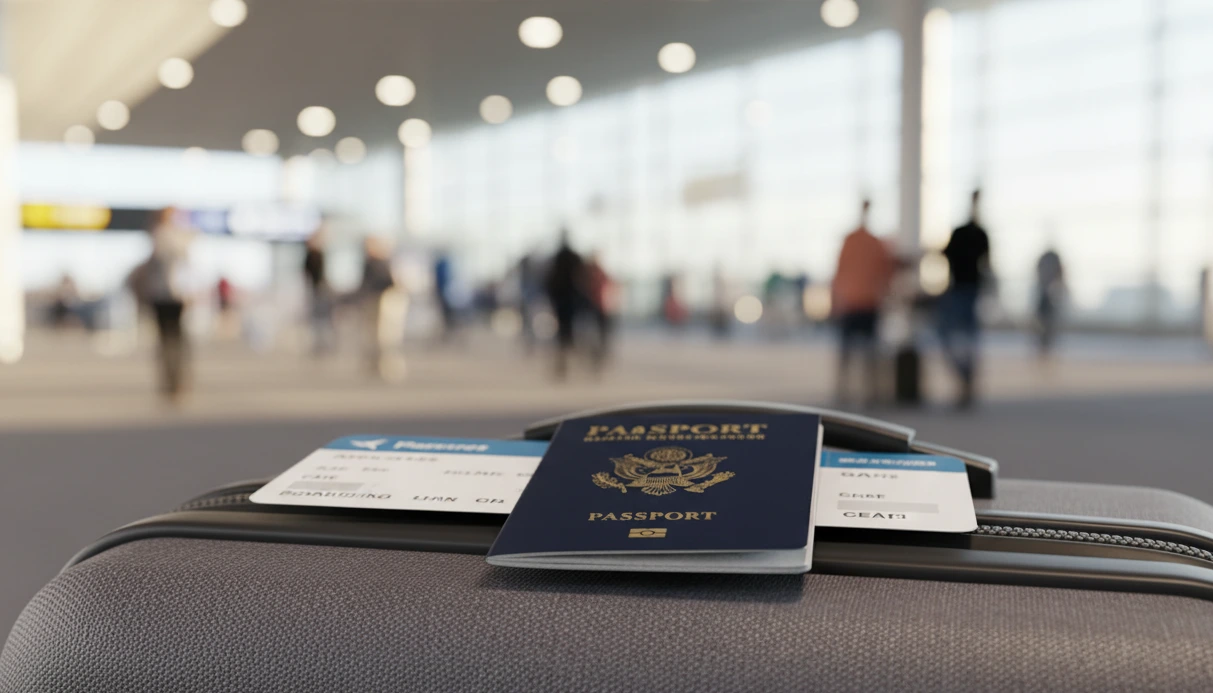
Booking Direct With Air India: Search, Hold and Verify the Itinerary
Booking direct with Air India gives you the cleanest control over passenger details, route, fare family and booking retrieval. That control matters when the itinerary will appear inside a visa file. If the reservation is wrong at the source, every printed PDF and uploaded document inherits the mistake.
Get Your Details Ready Before You Search
Start with the passport. The passenger name should match the ID that will be used for airport entry, check-in, immigration and boarding. Air India’s document guidance states that the name on the e-ticket should match the passport, Aadhaar or other proof of identity used for travel. For international visa files, use the passport name as the master record.
- Passport name exactly as it should appear in the booking
- Date of birth and gender where required
- Departure and return dates matching the visa form
- Origin and destination that match the travel purpose
- Email and phone number you can access quickly
- Passport validity checked before final travel
Do not rely on memory for spellings. Small name errors can be expensive after ticketing and uncomfortable during visa review. If your passport has a long name, no surname, initials, or a name-order issue, slow down before payment.
Using the Air India Website for a Visa-Friendly Booking
The booking path is simple in theory: search, select, enter passenger details, review the fare, choose extras, and pay or hold if the option appears. For visa planning, the review screen is the important checkpoint. Before you pay or lock anything, compare the route and dates with your visa documents.
Look for four details: first international departure, arrival date, return or onward date, and airport codes. Time zones can shift arrival dates. Overnight flights can make your hotel start date look wrong. Multi-leg itineraries can bury the first entry point. Fix these before you create the reservation rather than trying to explain them later.
Making the Air India App Useful
The Air India app can help when you are moving between office, visa centre, home and travel agent. It lets you access booking information, check details and manage parts of the trip. But do not use the app as the only copy of your visa proof. Download or print a clean itinerary as well.
A phone screen is useful for backup. A PDF is easier to upload. A printout is easier to hand over if a visa centre or employer asks for paper. Keep all three if the trip is important.
What Air India Fare Lock Actually Does
Air India Fare Lock can hold a selected fare for 48 hours. The fee starts from a stated minimum amount and is non-refundable. It is not part of the fare and cannot be adjusted against the fare. To confirm the ticket, you must pay the full fare within the hold period. If you do not, the booking is cancelled automatically.
That makes Fare Lock useful for short decision windows. It can help you pause a price while you confirm leave approval, check a visa appointment slot, speak with family, or verify the route. It is not a long-term visa-review tool. If your embassy or VFS review may happen after the 48-hour period, the held fare can expire before anyone checks the record.
Smart Choices on Extras
Do not overcommit to extras while the visa is still uncertain. Seats, meals, special baggage and other add-ons can usually wait until travel becomes more certain. For visa proof, the core itinerary matters more than add-ons. You need passenger, route, date and booking reference clarity.
If you later buy the ticket, add extras in a sequence that matches the trip. Students may need extra baggage. Families may need seats together. Business travellers may need changes or upgrades. Keep extras separate from the visa-proof decision so you do not spend money before the travel risk is clearer.
Review the Booking Before It Becomes a Visa Document
The review step is where most preventable mistakes can be caught. Before saving or printing the Air India itinerary, pause and compare every travel field against the application package. This is not busywork. It is the difference between a reservation that supports the file and a reservation that forces you to explain a contradiction.
Check the passenger name first. Then check the calendar. If the outbound leaves late at night and arrives the next morning, make sure the hotel and itinerary begin on the arrival date, not the departure date. If the return crosses midnight, make sure insurance and leave approval cover the real travel period. If your application form asks for intended arrival and departure dates, use the dates that make sense in the destination timezone.
Also check whether the fare lock, reservation or ticket is connected to the correct email. If the booking confirmation goes to an agent, employer or old email account, updates may not reach you quickly. For visa-stage travel proof, access to the latest version matters.
When Not to Use Direct Ticketing Yet
Direct Air India booking is excellent when you are ready to own the fare rules. It is less ideal when the visa timeline is still too uncertain and you cannot absorb change costs. If your documents have not been submitted, your appointment is not fixed, or your passport is still being processed, a paid ticket may be premature.
There is no award for paying early if the embassy did not ask for a paid ticket. Many applicants need a reservation or itinerary to demonstrate planned travel, not a financial commitment that becomes painful if the decision is delayed. Direct ticketing should follow confidence. If confidence is low, use a document-stage option first and keep the final purchase for later.
This is especially relevant for first-time applicants and long-stay cases. A tourist file with predictable appointment timing may tolerate more risk than a student, work, family reunification or multi-country file where dates can move for reasons outside your control.

Booking Air India Through Agents, City Offices and OTAs
Not every applicant books directly. Many Indian travellers use a local travel agent, online travel agency, corporate desk, university travel desk or family contact. That can be useful, but it adds a second control layer. You need to know who owns the booking, who can change it, and how the PNR can be checked.
When a Phone Call or Office Visit Helps
Some cases are easier with human support. Complex names, group travel, student routes, long-haul connections, mixed cabins, older travellers and urgent date changes can be handled more calmly by speaking to a support channel or office. The value is not just booking the ticket; it is reducing mistakes before the itinerary enters the visa file.
Human support is especially useful when the online path does not show the route cleanly, when the fare rules are unclear, or when you need to confirm whether a change will affect every passenger. Still, ask for written confirmation. A verbal explanation disappears; an email or invoice can be reviewed.
Using a Local Agent Without Losing Control of the PNR
A good agent can create routes, explain fare rules, hold seats where allowed, print a clean itinerary and coordinate changes. But you should still keep control of the essential booking information. Ask for the booking reference, fare family, time limit, change rule and cancellation rule.
- Ask whether the booking is held, reserved or ticketed.
- Ask when any unpaid hold expires.
- Ask whether your own email is attached to the booking.
- Ask how quickly dates can be corrected.
- Ask whether the itinerary can be retrieved in Air India Manage Booking.
- Ask what refund or voucher rules apply if the visa is delayed.
If the agent produces only a PDF but cannot explain the PNR status, be careful. A document can look formal and still be weak if the underlying booking cannot be checked.
How Indian OTAs Can Help or Complicate Things
Online travel agencies are convenient because they compare prices, routes and payment options quickly. They may also offer domestic support, coupons, wallet payments or easy invoice downloads. The downside is that OTA rules can sit on top of airline rules. Changing an Air India booking through an OTA can be less direct than changing a booking made on the airline website.
If you use an OTA for visa-stage travel proof, save both the OTA confirmation and the airline-style itinerary. Check whether the booking appears through the Air India retrieval path. If you later need a date change, start with the channel that issued the booking and confirm whether Air India can make any changes directly.
Choosing the Right Channel for Your Situation
Direct booking gives control. Agents give support. OTAs give comparison. Visa-specific reservation services give document-stage flexibility. The right choice depends on your risk, not habit. If the visa is already issued, direct or OTA ticketing can be fine. If the visa is uncertain, you may prefer a reservation that can stay aligned without locking full fare money too early.
| Channel | Best for | Risk to manage |
|---|---|---|
| Air India website/app | Direct control and easy PNR retrieval | You manage fare-rule risk yourself |
| Air India support/office | Complex names, groups or unusual routes | Need written confirmation of rules |
| Local agent | Human help and printed paperwork | Agent may control changes and contact details |
| OTA | Fast comparison and payment options | OTA rules may differ from airline rules |
| Visa reservation service | Document-stage itinerary before final ticket | Must be current and consistent with forms |
What a Ticket Number Changes
A PNR and a ticket number are not the same thing. A PNR shows a booking record. A ticket number normally means the fare has been issued. For visa-stage proof, a reservation with a retrievable record may be enough, depending on the requirement. For actual travel, check-in and boarding, the ticketed status matters much more.
This distinction is important when an agent says “your booking is ready.” Ask ready for what. Ready as a temporary itinerary? Ready as a held reservation? Ready as a paid and ticketed journey? Those three statuses carry different levels of risk. A visa centre may only need to see your travel plan. The airline counter needs a valid ticket, correct documents and permission to board.
If your agent gives you an Air India itinerary for visa submission, confirm whether a ticket number appears and whether that ticket number is intentional. A ticketed document before visa approval is not automatically bad, but your financial story should support it. If your cover letter says you will buy after approval but the itinerary looks fully paid, that is a small narrative mismatch worth avoiding.
Group and Family Bookings
Group and family travel adds one more risk: one person’s mistake can slow everyone. If an Air India itinerary covers several travellers, check each name against each passport. Do not assume the first passenger is correct and the rest follow automatically. Middle names, child surnames, spouse name changes and passport renewal updates can all create small differences.
- Each traveller’s name should match their passport.
- Each traveller should appear on the relevant itinerary or passenger list.
- Children should have supporting documents required for the visa type.
- All family members should have the same travel dates unless explained.
- If one person travels separately, split the proof clearly.
For family visit visas, align the Air India booking with the host invitation. For student dependants, align the travel with the principal applicant’s reporting date. For business groups, align arrival with the meeting or conference schedule. Consistency is the point.

Smart Air India Fare Choices When the Visa Is Still Pending
Fare choice is not just a comfort decision. It is a risk decision. Air India’s fare families are designed with different levels of inclusions and flexibility. For a visa applicant, the key issue is what happens if the visa is delayed, refused, shortened, or issued later than expected.
Value, Classic and Flex in Real Life
Air India announced rebranded fare families including Value, Classic and Flex across cabins. In practical terms, Value is usually for price-sensitive travellers, Classic gives a more balanced bundle, and Flex is better when changes are more likely. The details vary by route and cabin, so the booking page and fare rules should be checked before payment.
For visa-stage travel, Flex can be worth considering when the decision date is uncertain. A cheaper fare can work after approval. Before approval, the lowest fare may become expensive if you need to move the trip.
What Flexibility Means When a Visa Is in Limbo
Flexibility does not mean every change is free in every scenario. It usually means the fare is more forgiving than a restrictive option. You may still pay fare differences, taxes, fees or route-specific charges. The value is that you have more room to adapt.
Ask yourself what can realistically change. If the embassy holds your passport longer, you may need to shift the outbound. If your employer changes the meeting, you may need a new arrival date. If the visa validity starts later than expected, the entire plan may move. Your fare choice should reflect that uncertainty.
Planning for Visa Delays or a Difficult Decision
When a visa outcome is not certain, avoid treating the first attractive fare as final. Use a staged model. Early research can be done without booking. Appointment proof can use a current reservation. Payment can wait until approval or until the financial risk is acceptable. If you must ticket early, choose flexibility consciously.
Do not hide risk from yourself. If losing or changing the fare would hurt, a non-flexible paid ticket before approval may be the wrong tool. A valid flight reservation for visa can show intent while protecting cash flow. That is especially important for first-time Schengen, UK, Canada, Australia, student or work permit cases where timelines may be less predictable.
Ancillaries: What to Lock and What to Park
Extras can wait in many cases. Baggage, paid seats, meals, preferred services and upgrades matter for travel comfort, but they rarely strengthen the visa file. The file needs dates, route and return or onward logic. Keep optional spending low until the trip is real.
There are exceptions. A student moving abroad may need baggage clarity. A medical traveller may need seating support. A family may need seats together. Even then, separate travel-comfort decisions from visa-proof decisions so the file remains simple.
After the Embassy Decision
Once the visa is issued, the question changes. You no longer need a provisional document. You need travel you can actually take. That is when you confirm or replace the reservation with the final Air India ticket, update dates if needed, check passport and visa validity, and save the latest itinerary.
If the visa dates differ from your original plan, do not force the old reservation to fit. Change the plan and rebuild the travel documents around the approved validity period. A clean post-approval ticket is better than a stubborn old itinerary.
Route Examples by Visa Type
A short visitor visa usually benefits from a round-trip Air India itinerary because the return date supports temporary stay logic. A student visa may use a one-way or open-ended plan if the program length explains it. A work visa may show only the outbound if relocation is documented. A Schengen tourism file may need a return or onward route that matches the allowed stay and main destination.
| Visa situation | Air India itinerary style | What to avoid |
|---|---|---|
| Short tourist visit | Round trip with clear return | Long stay unsupported by funds or leave |
| Student travel | Outbound before reporting date | Arriving after orientation or registration |
| Business meeting | Arrival before event and return after | Random dates unrelated to invitation |
| Family visit | Dates matching host invitation | Return date beyond approved leave |
| Transit or multi-city | Full route shown in logical order | Disconnected sectors without explanation |
These examples are not legal rules. They are document logic. The more your itinerary matches the purpose, the less explanation it usually needs.
Bank Statement and Fare Realism
Flight cost is not reviewed in isolation, but it can affect how the file feels. A premium-looking itinerary can look strange if the applicant’s bank statements show tight funds and the trip purpose is modest tourism. A very long itinerary can look strange if leave approval is short. Keep fare, trip length and funding story in the same universe.
You do not need the cheapest possible route. You need a believable one. Air India can help because many routes from India are normal and easy to understand, but the itinerary should still match the applicant’s budget and travel style.
Make the Air India Booking Visa-Ready: PNR Checks, PDF Hygiene and Fixes
A visa-ready Air India booking is not just any booking. It is a booking that can be read quickly, retrieved where possible, and matched against every supporting document. This is where a five-minute audit can prevent days of anxiety.
Run a Quick Visa Audit Before You Print
Before submitting the itinerary, check the basic consistency points. Compare the reservation against the visa form, accommodation, insurance, invitation, leave approval and cover letter. If any date differs, decide whether it is explainable or whether it needs correction.
- Name matches the passport.
- Route matches the stated destination and purpose.
- Entry date matches the visa form.
- Exit or onward date matches return logic.
- Hotels cover the nights between arrival and departure.
- Travel insurance covers the same travel window where required.
- PNR or booking reference is visible.
- No old itinerary version remains in the packet.
Do this before printing. Once documents are uploaded or handed over, every mismatch becomes harder to clean.
Shape the PDF So It Can Be Read in Seconds
The first page should show the essentials. Put the passenger name, flight dates, route and booking reference in visible positions. If the itinerary has multiple legs, lead with the first international departure and the final return or onward segment. Avoid burying the important details inside a long receipt page.
Visa officers and centre staff do not have time to interpret a messy packet. A clean Air India itinerary helps them understand travel intent quickly. That is the real value of formatting.
Check the PNR in Manage Booking
Air India Manage Booking asks for the booking reference number or PNR and last name. Before submission, check whether the reservation can be retrieved using the details shown on the document. If the last name does not match, the PNR is mistyped, or the record does not appear, fix the issue before using the itinerary as proof.
If an agent created the booking, ask whether the PNR is airline-accessible or only visible in an agency system. Some records require agency handling. That may still be workable, but you should understand the verification path before relying on the document.
Sync Flights, Hotels and Travel Insurance
A strong visa file tells one calendar story. If the Air India flight arrives on September 3, the first hotel night should not begin on September 5 unless you explain the gap. If the return flight is September 14, insurance should not end on September 12. If the invitation covers a fixed event, your arrival should make that event plausible.
For Schengen specifically, flights, hotels and insurance are often checked together. If your Air India route is used for a Schengen file, use the Schengen pillar to keep date coverage clean. BookForVisa’s Schengen visa flight reservation requirements guide explains that cross-document logic in more detail.
Handling Changes After Submission
Plans can move after submission. The best response is controlled updating, not panic. If you receive a new appointment date, revised event date, or delayed passport return, update the reservation and keep the change consistent across the rest of the file. If the authority asks for updated proof, send the new version only and avoid sending multiple competing itineraries.
If you already bought a ticket, use Air India Manage Booking or the issuing channel to understand rebooking options. If you used a reservation, refresh it so the new PDF matches the latest dates. Either way, keep a record of what changed and why.
Updating Ancillaries Without Confusing the File
If you add baggage, seats or meals after submission, the core itinerary may remain the same. That usually does not require changing the visa file. But if an ancillary change triggers a new itinerary receipt, do not accidentally submit a version that shows different dates or passenger data. Save the latest version and keep the older one out of the upload folder.
For student travel, baggage changes are common. For family travel, seat changes are common. For business travel, upgrades can happen later. These are normal travel actions. They only become a visa-document issue if they change the itinerary fields that were already submitted.
What to Do If the PNR Does Not Retrieve
If the PNR does not retrieve, do not immediately assume the booking is fake. First check the spelling of the last name, the six-character reference, and whether the booking was made through a partner or agency channel. Some records can take time to appear or may need the issuing agent to access them. But do not submit a questionable record without clarification.
- Check the PNR character by character.
- Try the surname exactly as entered in the booking.
- Ask the agent for the airline record locator if a separate agency code was used.
- Request an updated itinerary receipt.
- Use a different reservation if the record cannot be explained.
A visa file should not depend on mystery. If the record cannot be retrieved or explained, fix it before submission.
Air India Fare Lock, Courtesy Holds and Backup Plans
Not every visa applicant needs a paid ticket immediately. Air India Fare Lock, agent courtesy holds, flexible fare selection and reservation services are all tools. The mistake is using the wrong one for the wrong timeline.
When Air India Fare Lock Helps
Fare Lock can help when you have a short decision window and the route is available for the offer. It is useful when you need to confirm leave approval, wait for a family response, or decide whether the fare is worth paying. It can also help if your visa-submission step is within the 48-hour hold period.
But Fare Lock has clear limits. It is not available for every booking. It is for Air India-operated flights booked through the website or app, subject to conditions. The fee is non-refundable and separate from the fare. No modifications can be made during the Fare Lock period. If you do not pay in time, the booking is cancelled.
Courtesy Holds From Agents and Call Centres
Some agents or support channels may be able to create time-limited reservations depending on route, fare and system rules. These can be useful, but the rules must be written down. Ask exactly when the hold expires, whether the PNR can be checked, whether the itinerary can be printed, and whether the hold will survive long enough for the visa step.
Do not assume an agent hold is stronger than Air India Fare Lock. It may be shorter, longer, more flexible or less transparent. The only safe answer is the one documented for your actual booking.
When Embassy Timelines Are Fuzzy
If the visa timeline is uncertain, use a reservation built for that uncertainty. A one- or two-day hold may be too short for a file that could be reviewed later. A flexible paid fare may be too expensive before approval. A dedicated flight reservation for visa can fill the middle ground when it remains current and matches the file.
Create a clean flight reservation at BookForVisa.com and keep your route, dates and passenger details aligned while your visa documents are still in process.
If you need the general rules for presenting reservations to embassies and visa centres, BookForVisa’s flight reservation for visa guide explains how to use booking proof without confusing it with final airline ticketing.
When a Professional Reservation Service Makes Sense
A professional reservation service is most useful when the visa file needs a clean itinerary but the traveller should not yet buy the final ticket. This is common when the appointment is fixed but the decision date is not, when the destination requires itinerary proof but warns against buying non-refundable tickets, or when the traveller needs a PDF that is easier to align with hotels and insurance.
The service should still be judged by document quality. The reservation must use the correct name, route and dates. It must avoid fake claims. It must not promise visa approval. It should make updates manageable when the appointment or travel window changes. A reservation service is a risk-management tool, not a shortcut around the visa rules.
How to Communicate Changes Cleanly
If an authority asks why the Air India itinerary changed, answer plainly. “The appointment was rescheduled, so I updated the travel dates to keep the trip within the same planned duration.” “The university reporting date moved, so I shifted the outbound flight by three days.” “The meeting was moved by the host company, so the return date changed.”
Do not overexplain. Do not submit conflicting versions. Do not edit old PDFs. A short, truthful explanation plus a current itinerary is usually cleaner than a long defensive paragraph.
After the Visa Stamp
After approval, convert the paper plan into real travel. Buy or confirm the Air India ticket, check baggage, enter passport details where needed, verify visa validity, and download the latest itinerary. If the approved visa dates differ from the planned dates, change the booking before airport day.
The final ticket should reflect the trip you will actually take. Do not keep using a visa-stage reservation once the trip is ready for real travel.
Watch Prices Calmly
Airfares move. That does not mean every fare increase requires panic. If your visa decision is not close, protecting a low fare with a non-flexible ticket can be more dangerous than waiting. If your travel is likely, Fare Lock or a flexible fare may be a reasonable middle path. If your travel is uncertain, preserve cash until the risk changes.
Dial in the Dates: Flights, Hotels and Insurance Must Tell One Story
The fastest way to weaken a visa file is to let dates drift. Air India itinerary dates should match the visa form, hotel booking, insurance policy, leave letter and invitation. If one document changes, check the others before submission.
Start With a Timeline, Not a Ticket
Write the trip timeline first. Appointment date. Expected processing window. Earliest departure. Latest return. Hotel nights. Insurance coverage. Work or school leave. Only after those dates are clear should you choose the Air India reservation or ticket.
This order prevents you from forcing the rest of the file to match a fare you clicked too early. The visa file should lead the booking strategy, not the other way around.
Choose Booking Windows That Respect Both Fares and Visas
If your appointment is tomorrow, a short hold may be useful. If your appointment is next week, you need more validity. If processing can take weeks, avoid temporary holds unless you plan to refresh. If the visa is approved, switch to final travel planning.
- Submission within 24 to 48 hours: Fare Lock or short reservation may help.
- Submission in several days: use longer-valid reservation or flexible option.
- Long review expected: avoid relying on short holds.
- Approval received: buy or confirm the real ticket.
- Date changed: update the itinerary and related documents together.
Make Flights, Hotels and Insurance Align
Check nights, not just dates. If you land late at night, your hotel may need to begin the same night. If your return flight departs after midnight, the calendar date may be different from the hotel checkout date. If insurance ends too early, the file looks careless. These small details matter more than keyword-focused wording.
Skip Speculative Side Trips
Many travellers are tempted to add side trips before the visa is issued. Resist unless the trip is truly part of the plan and supported by accommodation and timing. A simple Air India itinerary with one clear purpose often reads stronger than an ambitious multi-country plan that your documents cannot support.
If Plans Change After Submission
If changes are minor and the authority does not ask for updates, keep records and wait for instructions. If the change affects the declared travel date, appointment reason or visa validity, prepare an updated itinerary and supporting explanation. Do not submit several versions unless asked. Give the reviewer one current, coherent story.
Final Pre-Submission Walkthrough
Before you upload or print the Air India reservation, do a final walkthrough from the reviewer’s perspective. First, read the visa form travel dates. Second, open the itinerary and compare the outbound and return. Third, open hotel proof and check nights. Fourth, open insurance and check coverage. Fifth, read the invitation, leave letter or event document. If the calendar does not line up, fix it before submission.
Then check the human details. Name, passport number if shown, email, phone number and passenger count should not conflict with other forms. If the Air India document omits passport number, that is usually fine. If it shows a wrong passport number, fix it. If it shows an old surname, fix it. Do not assume officers will ignore identity drift.
Finally, save the current version in one folder and label it clearly. When travellers keep “final,” “final-new,” “final-latest,” and “final-real” PDFs together, mistakes happen. One current itinerary is easier to manage than five almost-identical files.
Turn Your Air India Reservation Into a Real Trip
An Air India flight reservation is useful when it matches your visa stage. Early in the process, you need flexibility. Near submission, you need a current and readable itinerary. After approval, you need a ticket and travel documents that match the journey you will actually take.
The strongest strategy is sequence. Build the visa timeline first. Choose the reservation type second. Check the PNR and document dates third. Buy the final ticket when the risk is acceptable. That approach protects both the visa file and your wallet.
FAQ
Can I use an Air India flight reservation for a visa application?
Yes, if it shows your passenger name, route, travel dates and booking reference clearly. It should also match the visa form, accommodation, insurance and supporting documents.
Is Air India Fare Lock the same as a confirmed ticket?
No. Fare Lock holds a selected fare for 48 hours, but you must pay the full fare within the hold period to confirm the booking. The fee is separate and non-refundable.
How do I verify an Air India booking reference?
You can use Air India Manage Booking with the booking reference number or PNR and the passenger last name. Check that the details match the itinerary before using it as proof.
Should I buy an Air India ticket before visa approval?
Only if your dates are stable and you accept the fare rules. If the visa decision is uncertain, a current reservation or flexible fare may reduce financial risk.
Which Air India fare type is better for visa uncertainty?
More flexible fare options are usually safer when visa timing can change. Always check the actual fare rules for your route before payment.
Can an agent-issued Air India itinerary work for visa paperwork?
Yes, if it is current, readable and supported by a real booking reference or clear issuing channel. Ask whether the booking is held, reserved or ticketed.
What details should the Air India itinerary show?
It should show the legal passenger name, route, flight dates, airline, flight number and PNR or booking reference. The first international departure should be easy to see.
What if my Air India travel dates change after submission?
Update the itinerary and keep the rest of the visa file consistent. If the authority requests updated proof, send the current version rather than multiple competing itineraries.
Do hotels and insurance need to match the Air India reservation?
Yes. Flights, hotels, insurance, invitation dates and leave approval should tell the same travel story. Date gaps should be explained or corrected before submission.
Can I use a reservation first and buy the Air India ticket later?
Yes. Many applicants use a reservation for visa-stage proof and buy the final ticket after approval, especially when the decision timeline is uncertain.
Friendly reminder: BookForVisa provides travel-proof documents for planning and visa-application support. Requirements vary by destination, consulate, visa category and applicant situation. A flight reservation can support a file, but it does not guarantee approval, boarding or entry.