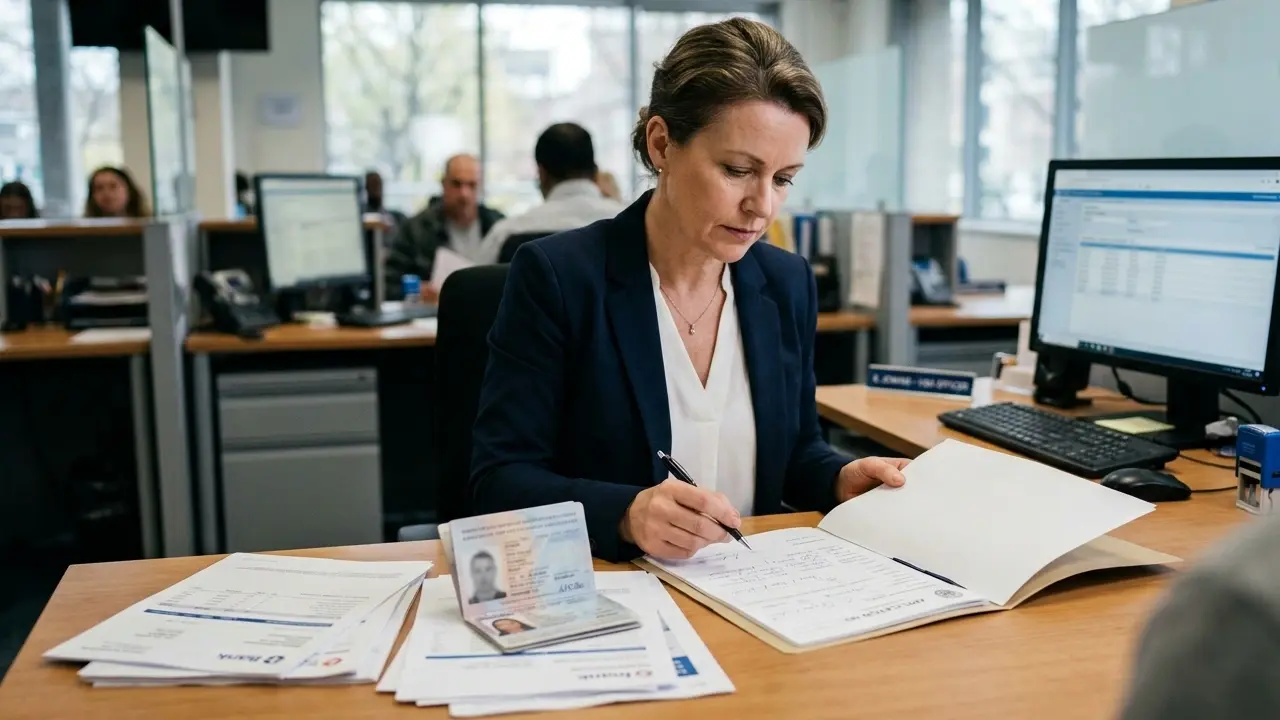
Short answer: After submitting a visa application, keep the official receipt and monitor the channels the authority names. A generic “processing” or passport-dispatch status is not an approval signal. Act when you receive a specific document request, a reportable change occurs, or the current published processing time has passed. The route differs: IRCC offers a web form for certain updates, while UK applicants outside the country may need to contact their visa application centre for specified changes. Do not replace a flight plan or pay for new travel solely because a status page is quiet.
Key facts
- Submission receipt, biometrics, document request, decision notice and passport return are different events.
- Processing estimates depend on the destination, visa type, location and service; check the current official page.
- For Schengen short-stay visas, the European Commission gives a normal 15-day decision period that can extend to 45 days for more examination or documents.
- UKVI says it generally cannot provide case status while an application is still within the current processing time.
- A changed circumstance may require an update, but the allowed channel and deadline are authority-specific.
Asked for updated flight evidence? First read the authority’s request and deadline. If a genuine current reservation is needed, check the issuer’s status and expiry before submitting it through the official channel.
Review BookForVisa optionsIn This Guide
Official-source check: The European Commission’s Schengen application guide states its normal and extended decision periods and says refusal information includes reasons and appeal instructions. UKVI processing guidance defines when the clock starts and when to contact UKVI. UK change guidance distinguishes account updates from visa-centre changes. IRCC update guidance describes reportable changes and the web-form route. None provides a universal meaning for third-party portal status labels.
Reviewed for: receipt versus decision, passport-custody ambiguity, official processing-time start, document-request handling, reportable changes, update channels, status-label limitations, decision notices and travel-plan risk.
| Signal | What it establishes | Next action |
|---|---|---|
| Submission receipt | The service accepted a submission or appointment step | Keep reference, payment and biometrics records |
| Generic “processing” status | No published decision meaning beyond that service’s label | Check current official processing guidance |
| Official document request | The authority requires a specific response | Use the stated deadline and upload channel |
| Material change | Original information may no longer be current | Use the destination’s approved reporting process |
| Decision notice | The actual outcome and any conditions or reasons | Read it; check visa dates or refusal remedies |
| Passport dispatch | Logistics of returning a document | Wait for and inspect the actual result |
This is an after-submission action guide, separate from the pre-submission file audit and the refusal-notice evidence map.
After Submission: Confirm Receipt Without Reading Silence as a Verdict

After submission, an applicant may see little information for a period. The exact intake and decision workflow is authority-specific; a quiet portal alone is not evidence for or against approval.
What “Submitted” Confirms—and What It Does Not
A submitted or received label confirms only what that particular service says it confirms. Save the acknowledgement and check its instructions for any remaining identity or biometrics step.
Keep the submission receipt, payment confirmation, biometric appointment record and document checklist. If the official account reports a missing item, follow its correction instructions; do not infer an internal processing stage from a silent status page.
Early status labels are often broad. Confirm that the application was received through the official channel and use the published processing-time start date for that category.
Do not treat early silence as a decision signal. Note the official receipt or biometrics date and monitor the channels the authority specifies.
Why Visa Centers, Embassies, And Consulates Move At Different Speeds Even For Similar Cases
Two applicants can apply on the same day for the same country and still see different timelines in the first week. That does not always reflect the strength of the application.
Some locations collect applications but do not decide on them. Some transfer cases in batches. Some missions have heavier workloads, stricter internal sequencing, or extra routing steps for certain visa categories, nationalities, or document profiles.
That matters because applicants often overreact when a friend’s status changes first. A faster update somewhere else does not mean your file has a problem. It may simply be following a different administrative path.
The practical move here is to judge your case against the official process for your application location and visa type, not against someone else’s screenshot. Post-submission timelines are not uniform just because the visa sticker would look the same in the end.
What Happens To Your Passport During This Stage — And Why Retention Does Not Signal Approval
Passport retention creates more anxiety than almost any early status message. Once the passport is out of your hands, every day feels heavier.
Passport-handling arrangements vary by authority and service. Retention, later collection or a request to submit the passport is a procedural step; check the actual decision notice rather than treating custody as an approval sign.
What matters more is whether the handling matches the procedure you were told at submission. If the application center said the passport would stay, then that is normal. If you were told it would be returned quickly and it was not, then you watch for instructions, not assumptions.
You should also avoid making travel changes just because the passport is still with the authority. Retention is procedural. It is not a hidden approval signal.
The Early Status Messages Applicants Misread Most Often
Tracking labels describe a service workflow. Their definitions vary across authorities and contractors; do not map one provider’s terminology onto another.
Statuses like these are often misunderstood:
Received may mark intake; read the service’s own definition
Under Process does not publish a reliable decision forecast
Forwarded may mark routing, not review completion
Processing at Mission does not identify a universal internal stage
Awaiting Decision does not promise a decision date
Dispatched can describe document movement, not the outcome
The risk is not the wording itself. The risk is building a story around it too early. A portal status is a rough marker. It is not a live window into the officer’s desk.
The Smart Things To Do While Your File Is Entering The System
During early processing, keep official contact channels available and retain the documents you submitted. Check the portal at a reasonable cadence rather than using update frequency as a prediction.
A few smart moves help more than constant checking:
Keep your phone active and answer unknown numbers if you are expecting contact
Check email, spam, and application portal messages daily
Save copies of the exact documents you submitted
Keep your work, sponsor, host, or school contact reachable in case verification starts early
Avoid locking in non-refundable travel until the case is clearly moving toward a conclusion
Stay available in case you are asked for an interview, a corrected document, or a passport action
The goal in this phase is not to push the file faster. It is to make sure you do not miss the first moment when the process actually needs something from you, because that is where the waiting period starts to change shape.
During Processing: Know Which Events Require a Response
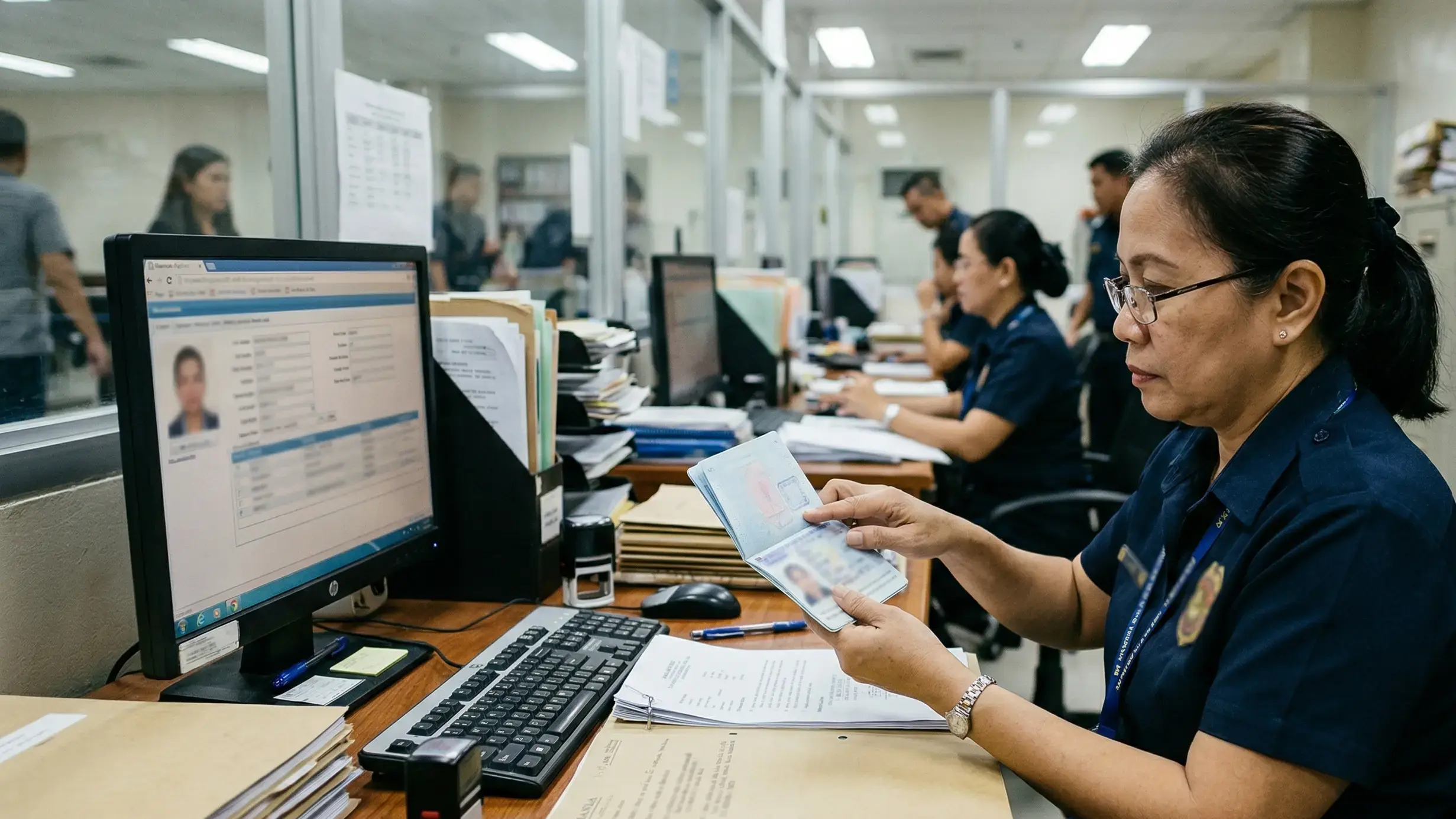
Once your file clears intake, the process becomes less visible and more uneven. This is the stage where two applicants with similar documents can start seeing very different timelines for reasons that are not obvious from the outside.
Eligibility Checks Depend on the Visa Category
Decision makers apply the eligibility rules for the specific visa category. Supporting documents may be considered together, but no universal internal reading order is public.
The application should present truthful, consistent evidence of the required purpose, means, identity and other criteria. A discrepancy may prompt a question, but it does not establish a predictable processing delay.
In practical terms, officers are usually testing questions like these:
Does the travel purpose match the supporting documents?
Do the dates make sense across the form, invitation, leave approval, and reservation details?
Does the funding source look credible for the trip length and destination?
Do your job, family, study, or business ties support a return after the visit?
Do past visas, refusals, overstays, or travel patterns create a risk question that needs a closer look?
This is why a technically complete file can still take time. A review is not just about whether documents exist. It is about whether they support the same conclusion.
If your case includes a sponsor, host, university, or employer letter, the officer may also look for consistency in tone, dates, and purpose. Correct a genuine mismatch through the authority’s permitted process; no source establishes a universal “fast lane” for otherwise similar files.
Why Some Applications Move Fast While Others Suddenly Slow Down
Processing speed is not a reliable decision predictor. Use the current official estimate for your location, category and service level.
Workload, category and an individual request can all affect timing; applicants cannot determine the internal cause from elapsed time alone.
A case may take longer if it falls into one or more of these categories:
Peak travel season near holidays or school breaks
Student, work, family reunion, or long-stay categories with deeper review
First-time travelers with limited prior visa history
Applications involving sponsors, hosts, or third-party financial support
Nationality or residence profiles that trigger additional screening
Recent changes in job, income, passport, marital status, or travel plan
Local backlogs at the mission are handling final decisions
A quiet portal does not reveal whether any particular internal check is underway. Wait for an official request or compare elapsed time with the authority’s current estimate.
The key decision for you is not whether the process feels slow. It is whether anything in your case suggests you should prepare for contact.
The Mid-Process Events That Can Interrupt A Straight Timeline
An authority may request documents, an interview or another action during review. The type and timing depend on the application.
The most important ones are:
A request for an updated document
A prompt to attend an interview
A request to clarify the trip purpose or funding
An instruction to correct a form error
A call for fresh biometrics in limited cases
A verification step involving your employer, host, school, or sponsor
When this happens, speed matters, but accuracy matters more.
If you receive an official request, follow its stated deadline, file format and submission channel. Answer the issue asked, and add other material only if it is relevant or required.
A good response does three things:
Matches the original application details unless you are correcting a real error
Gives the officer what was requested in a clean, readable format
Reaches the correct channel within the deadline given
What hurts applicants here is panic editing. They change dates, wording, and support documents all at once. That can make a case look less stable than it really is.
Report a Material Change Through the Authority’s Own Channel
Travel dates often shift while the case is still pending. Leave approval changes. A conference moves. A family event gets pushed back. Airline pricing changes for your preferred route.
The first question is whether the new dates change the substance of the application or only the timing.
Do not assume a universal rule for changed travel dates. Canada provides a web-form route for certain unsolicited updates and requires reporting changes that affect the application; UK applicants outside the country are directed to their application centre for certain changes. Follow the instructions for your authority and visa type. If revised travel evidence is requested, submit an authentic, consistent version through the authorized channel.
That means checking:
New departure and return dates still fit your leave window
Invitation or event dates still support the trip
Hotel or host arrangements still align
Insurance dates, if already issued, still make sense
Your financial picture still supports the revised stay
If a revised flight reservation is genuinely requested, confirm the issuer’s current status, expiry and amendment terms. Do not replace a pending file’s documents without using the official update channel.
The point is not to change your file casually. It is to update only what the pending case genuinely needs.
Compare Silence With the Published Processing Time
A period without an update is not itself a decision signal. Compare the elapsed time with the authority’s current published estimate and any notice specific to your case.
That is usually normal when:
You are still inside the published processing window
A holiday period has affected consular working days
You recently submitted extra documents
Your visa category is known for a deeper review
Your passport is being held under the standard process for that location
Silence becomes more important when it is paired with something concrete, such as:
The official timeframe has clearly passed
A document request was answered, but the file shows no movement after a reasonable period
A payment, biometrics, or passport handling issue appears unresolved
Your travel date is approaching, and the authority has given no pickup or passport instructions
Where the published time has passed or the authority’s instructions invite an inquiry, use its designated contact route. Include the application reference and necessary identifying details only in that official channel.
Portal Status, Document Requests and Follow-Up: Separate the Signals
This is the stage where most applicants start reading between the lines. That habit causes more confusion than clarity, especially once the portal shows movement that looks important but says very little.
The Problem With Treating Every Portal Update Like A Secret Message
A portal is built to track the visa application process at scale. It is not built to narrate your case in human language.
That is why one status line can cover several internal actions. A status label does not reveal which internal checks are occurring or when they occurred. Treat it as the information the service actually provides, not a window into the decision process.
Schengen, UK and Canadian systems use different interfaces and terminology. Read each message against its own official instructions, not another applicant’s screenshot.
You should also be careful with third-party tracking messages from a visa application centre or VFS Global. Those alerts are often logistical. They tell you a file has moved, not what the visa decision is.
The safest rule is simple. Treat each update as a marker, not a verdict. A status page can support your judgment, but it should not replace it.
Three Practical Classes of Updates
Not every update deserves the same amount of attention. It helps to sort case movement into three practical groups.
The first is an administrative movement. That includes data syncing, passport transfer, file forwarding, or a new note linked to your application id. These actions matter, but they rarely predict visa approval on their own.
The second is substantive movement. This is where the case starts asking real questions. You may see a call for additional documents, a request to verify employment, or a notice that extra proof is needed. This kind of movement deserves a careful response because it touches the merits of the case.
The third is the final movement. This is when the file is clearly moving toward closure. It may involve passport return instructions, a dispatch message, or a notice tied to collection or courier.
You should also separate timing from meaning. Fast movement does not always mean a positive result. Slow movement does not always mean refusal. Different missions handle workload, internal checks, and processing times in very different ways.
A USA visitor case, an Australian student file, and a family visit case from India may all move on different clocks even when the supporting papers look equally strong.
What It Means If The Embassy Contacts Your Employer, Host, School, Or Sponsor
A verification contact can have several purposes and does not disclose the likely decision. The contacted person should answer truthfully using their own records, without a scripted story.
If your employer is contacted, the officer may want to confirm leave dates, role, salary, or whether the company is aware of the trip. If a host or school is contacted, the focus may be on invitation details, course dates, housing, or your planned duration of stay.
If you named an employer, host or sponsor, make sure the contact information is accurate and that they know what they personally agreed to provide. They should not be coached to misstate facts.
Ask them to keep these points straight:
Your full name and passport number
The travel purpose and planned entry date
The organization, address, and contact details have already been used
Any dates tied to leave, study, or sponsorship
Which person is responsible for replying if the embassy calls or emails
This matters even more for indian applicants whose files include sponsor support, family links, or mixed financial evidence. A small mismatch between what you submitted and what another person says can create avoidable friction.
How To Handle A Request For More Documents Without Damaging A Good Case
A document request is an instruction to supply specified evidence, not a reliable sign of approval or refusal.
Your response should be narrow, readable, and consistent. If the embassy asks for updated bank statements, send current statements. Do not suddenly attach property papers, old receipts, and unrelated explanations unless they are clearly applicable.
The same rule applies to identity evidence. If the authority wants a clearer travel document copy, make sure the scan is sharp, the valid passport details are readable, and every page requested is included. If biometrics have already been taken, do not assume the fingerprints step needs to be repeated unless you are specifically advised.
A good response package usually includes:
The exact item requested
A short cover note that names the request
The original reference, if one was given
Any supporting page that helps the officer verify context
One clean file name, not ten scattered uploads
Also, check the practical basics before sending. Make sure the right fees have already been paid, the correct receipt is attached if requested, and the file is uploaded through the right website or official online channel. Many applicants create processing delays by sending the right paper through the wrong route.
When It Makes Sense To Follow Up — And How To Do It Without Sounding Desperate
Follow up under the official service’s rules, particularly after its current processing estimate has passed or when an instructed action is unresolved. UKVI says it cannot provide a status update while an application remains within current processing times.
When you write, keep it factual. Include your name, application id, passport number, submission date, and the current stage as accurately as you can. Mention whether biometrics were completed, whether the file was paid in full, and whether any extra material has already been sent.
A good message does three things:
States the case reference clearly
Asks whether any action is required from you
Keeps the tone calm and professional
Keep routine follow-up factual. If a genuine urgent circumstance exists, use the authority’s stated urgent or escalation route rather than assuming ordinary email can accelerate a decision.
That keeps you credible, keeps the record clean, and puts you in a better position for the final stage, where the file stops hinting and starts producing an actual outcome.
When a Decision Arrives: Verify the Actual Result
The last phase of a visa case feels fast because the file finally starts producing concrete outcomes. This is where calm matters most, because one careless assumption after the decision can create a new problem even after weeks of careful waiting.
A Dispatch Notice Is Not the Decision
Some services send an official decision notice separately from passport return or digital-status updates. The sequence varies; wait for the actual notice and inspect any issued document.
That stage may include:
Recording the result in the system
Matching the decision to your passport or travel record
Printing or preparing the visa label, where applicable
Completing a final quality check
Sending the passport to the pickup point or the courier chain
Updating partner services that handle collection notices
A portal status may lag the official notice. Do not infer the outcome until the authority communicates it through the channel it identifies.
Passport return can be a separate logistical step. Its timing alone does not establish approval or refusal.
You should avoid making a final call on flights, accommodation, or internal connections until you have the actual document or official result in hand. A dispatch notice is helpful, but it is not the same as having the passport back and checking what was issued.
If The Visa Is Approved, What To Verify Before You Celebrate
Approval is a result, but it is also a document check.
As soon as the passport or approval notice reaches you, read every line carefully. Do not assume the sticker or digital record is automatically correct just because the case was granted.
Check these details first:
Full name spelling
Passport number
Visa category
Number of entries
Valid from and valid until dates
Allowed length of stay
Any remarks, annotations, or restrictions
Whether the document is a single entry or a multiple entry
A small error can affect boarding, immigration inspection, or your onward plan. If the category is wrong, the duration is shorter than expected, or the entry window does not match the trip you presented, you need to raise it through the correct channel quickly.
This matters even more if you plan to carry supporting documents on arrival. Some travelers stop checking the case once they see the visa and then discover later that the approved stay is shorter than the trip they organized.
If you used professional visa support services, this is also the point to compare the issued document against the exact application details that were submitted. That gives you a clean way to spot mismatches before travel.
If The Visa Is Refused, How To Read The Outcome Practically Instead Of Emotionally
If refused, read the actual notice for the stated grounds and any available appeal, review or reapplication route; do not infer a reason from processing time.
The first job is to identify what kind of concern the authority is pointing to. Most refusal outcomes fall into a few practical buckets:
The travel purpose was not convincing enough
The financial picture did not support the trip
Home ties or return incentives were not strong enough
The supporting records did not line up clearly
The category chosen did not fit the intended activity
A procedural issue affected the file
You should compare the refusal language against what was actually submitted. Look for the exact point where the file may have fallen short. Did the bank's history support the length of stay? Did the employer's letter match the leave period? Did the invitation and travel dates tell the same story?
Before reapplying, address the actual grounds where possible and check any time limits or legal routes in the notice. A new application without new relevant evidence may repeat the same unresolved issue.
The better move is to build a correction plan. That may mean stronger financial evidence, a clearer travel purpose, a better structured sponsor explanation, or a more suitable visa category. Use the stated decision reasons as the starting point for any next step, recognizing that some outcomes have category-specific review or appeal rules.
What To Do If The Outcome Arrives Too Close To Your Intended Travel Date
Timing problems do not end when the decision arrives. Sometimes the result comes so close to departure that you need a clean next step, not a rushed reaction.
If the visa is approved late, verify whether the issued dates still make the trip workable. A valid visa does not always preserve the exact schedule you originally planned. The entry window, allowed stay, and entry count matter more than your old itinerary at this point.
If the case is refused close to travel, resist the urge to rebuild everything overnight. A rushed refile based on stress usually carries the same weakness into a new application.
If the file is still pending and your departure is approaching, you need to assess what the authority allows. In some systems, withdrawal is possible. In others, it is smarter to let the case finish and use the result to guide your next move. That choice depends on the category, the stage of the file, and how much of the trip can still be salvaged.
This issue affects short trips and long plans alike. Someone heading to Australia for study, family, or temporary entry may face the same timing problem as a short-stay visitor elsewhere. The core question is always the same: does the issued outcome still support the trip you can actually take?
How To Prepare Smarter For Your Next Visit To A Visa Application Centre Based On What Happened This Time
A dated record of the application, official requests, responses and decision helps with any future correction or application.
Keep a clean case file with:
The submitted form
Appointment confirmation
Payment records
Passport copies
Biometrics confirmation, if provided
All supporting documents sent
Any extra requests from the embassy or visa centre
Your replies and upload confirmations
The final decision notice
This helps whether the case was approved or refused. An approval does not reveal which document was decisive. A refusal notice may identify grounds; keep the full record for accuracy if you apply again.
It also helps if you apply again months later and need to answer questions about previous refusals, prior approvals, travel history, or document consistency. A well-kept record protects you from guessing.
A Post-Submission Action Checklist
Once your visa file is submitted, the real job is reading the process correctly. You do not need to panic over every quiet day, vague status update, or passport hold. You need to know when your case is still moving normally, when an embassy request needs a fast response, and when a delay has gone beyond the usual post-submission pattern.
That is the advantage you should have now. You can track the file with better judgment, protect your travel timing, and respond without creating new inconsistencies. Keep your documents close, your contact channels open, and your next move tied to the actual stage of your visa case.
Frequently Asked Questions
Does “processing” mean a visa will be approved?
No. A generic status does not predict the outcome. Read the definition from the specific authority or service and wait for the official decision notice.
When does the UK processing clock begin?
UKVI says it starts after identity verification and submission through the ID Check app, or after the visa-centre biometrics appointment, depending on the application route.
How long does a Schengen short-stay decision normally take?
The European Commission states a normal 15-day period, which may extend to 45 days if more examination or documents are required. Check the current consulate guidance for your case.
Can I update my application after submission?
Possibly. IRCC provides a web-form route for certain updates; UK and Schengen channels differ. Use the destination’s current official instructions and do not assume the original form remains editable.
Does passport dispatch mean approval?
No. Dispatch describes document logistics. Verify the actual notice and any issued visa or digital status before relying on the result.
When should I follow up about a delay?
Compare the case with the current official processing time and any individual notice. UKVI says it generally cannot provide status within current processing times; contact the authority using its stated process when the time passes or it asks you to act.
What if travel dates change while the decision is pending?
Determine whether the change affects information already submitted, then use the relevant authority’s reporting channel. Update flight, hotel and insurance records truthfully only where needed or requested.
Friendly reminder: BookForVisa provides travel-proof documents for planning and visa-application support, not immigration legal advice or a visa-status service. Official processes vary by authority and case. A reservation does not guarantee approval, boarding or entry.