Do You Need a Flight Itinerary for Fiancé Visa USA?
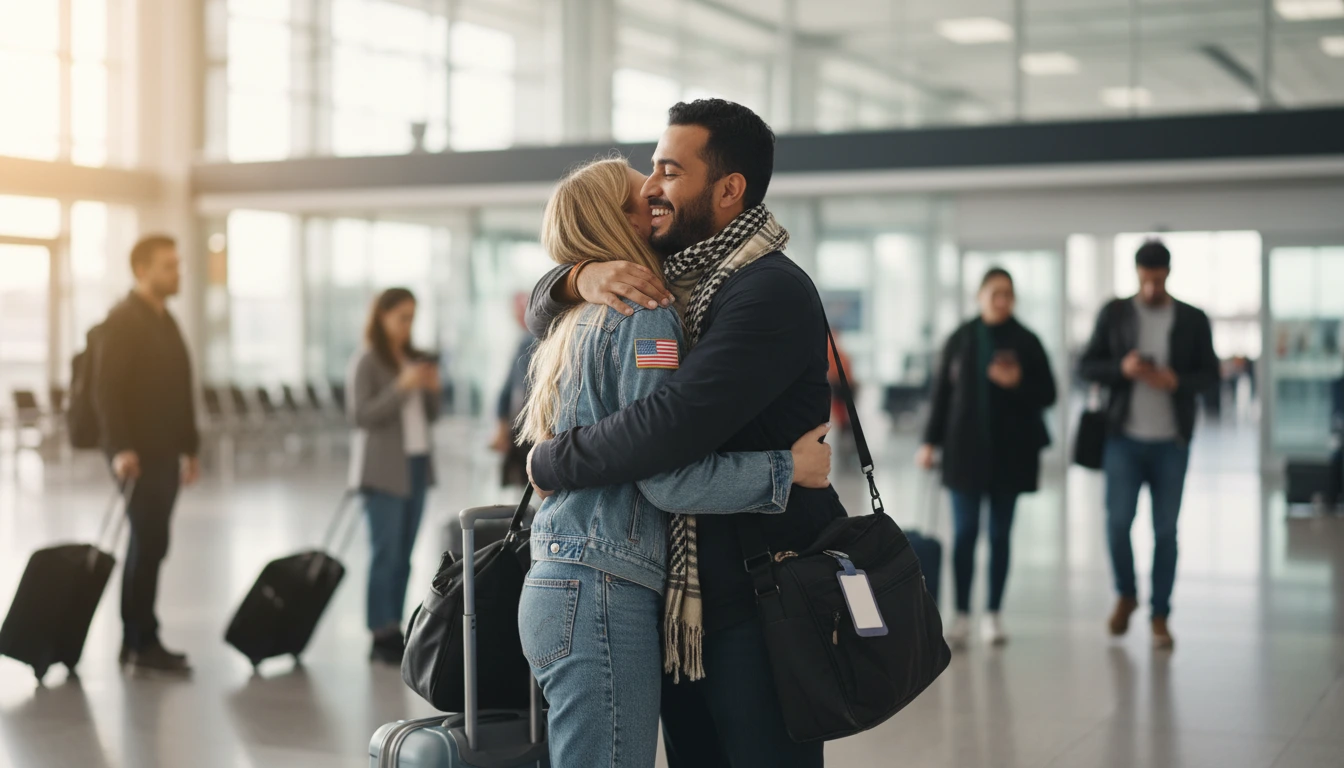
Planning a K-1 journey feels exciting and slightly nerve-wracking. You may be looking at flights from Delhi, Mumbai, Hyderabad, Bengaluru, Chennai or another gateway before the visa has been issued. You want to show that the move is real, but you do not want to lock money into a ticket that may become useless if the interview moves, administrative processing takes longer, or the passport returns later than expected.
The K-1 fiancé(e) visa is for a foreign-citizen fiancé(e) of a U.S. citizen. The Department of State explains that the K-1 visa lets the foreign-citizen fiancé(e) travel to the United States and marry the U.S. citizen sponsor within 90 days after arrival, followed by adjustment of status with USCIS. See the official K-1 visa guidance from Travel.State.Gov for the governing framework.
That official framework does not tell applicants to buy a flight ticket before the visa decision. A flight itinerary works best as a supporting timing document: it can show a practical arrival month, a believable route, and enough room to marry within the 90-day period after admission. If you need the broader planning framework for flight proof, timing, verification and cross-document consistency, use this complete guide to a flight reservation for visa in 2026 before you finalize your K-1 interview packet.
In This Guide
What U.S. K-1 Rules Actually Require
Before comparing fares or generating a reservation, separate the K-1 process into checkpoints. USCIS does not evaluate your flight route when the U.S. citizen files Form I-129F. The National Visa Center does not need a ticket to route the approved petition. The consular interview is the first point where a simple itinerary can be useful, and even there it is normally optional unless a specific embassy instruction says otherwise.
USCIS: Keep the Petition About the Relationship
At the I-129F petition stage, the core issue is whether the U.S. citizen petitioner and foreign-citizen fiancé(e) meet the K-1 eligibility framework. Travel.State.Gov explains that the parties must be legally free to marry and must generally have met in person within the previous two years, unless a recognized exception applies. USCIS later uses the approved petition to move the case toward consular processing.
Focus the petition packet on evidence that actually moves the case forward:
- Proof that the couple met in person within the required timeframe, unless a waiver applies.
- A clean relationship timeline with dated photos, visits, chats and engagement evidence.
- Letters of intent to marry within 90 days after arrival in the United States.
- Divorce decrees, annulment records or death certificates for any previous marriages.
- Identity and citizenship evidence for the U.S. citizen petitioner.
A flight itinerary does not add much value at this stage. If you include one too early, it can become stale before the interview and create a date story you later need to correct. Keep the petition relevant, relationship-centered and easy to review.
NVC Handoff: Case Routing, Not Travel Booking
After USCIS approves the petition, the National Visa Center assigns a case number and sends the case to the appropriate U.S. embassy or consulate. This is an administrative handoff. It is not the moment to buy a non-refundable ticket, and it is usually not the moment to create a travel itinerary either.
Use the NVC window to prepare documents that matter more than flight proof:
- Passport, birth certificate and other civil documents required for the interview location.
- Police certificates from required jurisdictions.
- Ongoing relationship evidence since the petition was filed.
- DS-160 confirmation page for each K visa applicant.
- Medical exam planning with an approved panel physician.
- Fee payment and appointment steps required by the local post.
If the DS-160 asks for an intended travel date or month, choose a realistic estimate. It does not need to be a purchased ticket date. If appointments shift, you can carry a refreshed itinerary to the interview and explain the change briefly.
Consular Interview: Optional, But Sometimes Useful
The Department of State’s K-1 page lists required interview documentation such as the DS-160 confirmation, passport, birth certificate, police certificates, medical exam, financial-support evidence when requested, photographs and relationship evidence. A paid flight ticket is not presented as a universal required document. The officer may ask additional questions, but the core decision remains eligibility, relationship credibility and the plan to marry within 90 days.
A flight itinerary becomes useful when it answers practical timing questions:
- Does the applicant’s intended arrival month match the DS-160 and interview timeline?
- Is there enough cushion for medical results, passport return and any administrative processing?
- Does the arrival date leave enough time for the marriage within 90 days?
- Does the U.S. arrival city match the address and plans shown elsewhere in the file?
- Is the route believable from the applicant’s departure city?
Think of the itinerary as a timing support document. It should clarify the travel plan, not replace relationship evidence, civil documents or financial-support evidence.
DS-160, Wedding Plans and the 90-Day Clock
K-1 applicants complete Form DS-160. Travel.State.Gov’s DS-160 guidance says the form is used for temporary travel to the United States and for K visas, and that applicants submit the DS-160 electronically before taking the next steps for scheduling and interview preparation. The intended travel date should be reasonable, but it can drift if the appointment calendar changes.
The 90-day marriage rule should drive your planning. Build the intended entry window backward from a practical ceremony or courthouse date in the United States. Some counties have marriage-license waiting periods, office schedules or appointment availability issues. Add room for jet lag, local paperwork and family travel. A K-1 itinerary that leaves only a few days between arrival and a claimed ceremony may look fragile unless the supporting plan is extremely clear.
Practical rule: Do not treat the DS-160 date, itinerary date and wedding date as three separate guesses. Treat them as one timeline. The exact day can change, but the story should remain consistent.
When a Flight Itinerary Helps a K-1 Interview
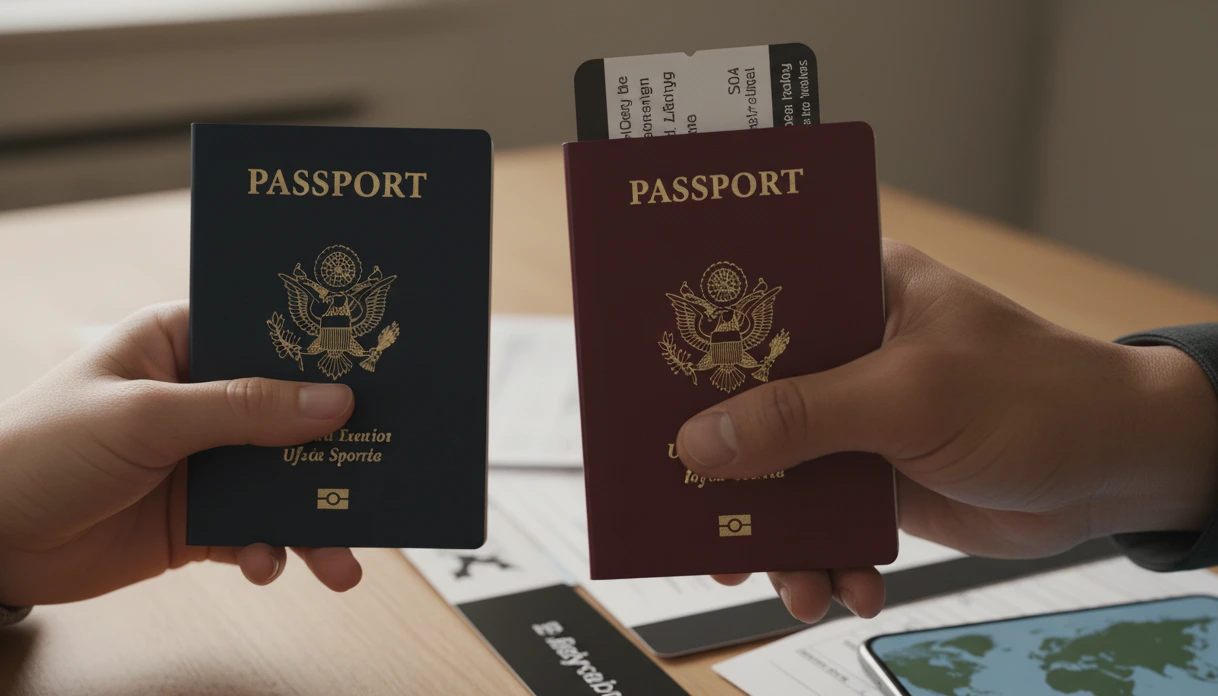
You do not need a ticket to prove a K-1 relationship. Still, a well-made itinerary can tidy up the interview story when timing is part of the conversation. Use it like a supporting exhibit: enough to show readiness, not so much that you lose flexibility before the visa is issued.
Situations Where an Itinerary Adds Real Value
A K-1 itinerary is most useful when it answers a specific question the officer may reasonably have. It can help when the applicant is:
- A student finishing exams or a semester and showing a practical entry month.
- A first-time long-haul traveler showing a simple route from India to the United States.
- A parent or caregiver timing departure around school breaks or family responsibilities.
- A professional finishing a notice period or client project before relocation.
- A K-1 applicant coordinating arrival with courthouse availability or a planned wedding window.
- A K-2 child applicant whose travel should match the principal K-1 applicant’s movement.
If your DS-160 lists an intended travel month, the itinerary can show that the plan still makes sense. If your wedding vendors or courthouse plans are on soft hold, the itinerary shows there is a workable arrival window without suggesting you bought a final ticket too early.
Formats That Work Without Burning Cash
The best format is the one that stays honest, flexible and easy to update. For a fiancé(e) visa, a one-way arrival plan is often more natural than a round trip because the applicant intends to marry and then adjust status after entry. A round-trip hold can still be used when it is simply a reservation format, but it should not contradict the K-1 purpose.
| Option | Best Use | Main Risk |
|---|---|---|
| Refundable ticket | Applicant is comfortable placing funds temporarily and understands refund rules. | Refund delays, cancellation fees or a financial story that looks unnecessarily committed before visa issuance. |
| Airline or OTA hold | Short interview window where a temporary hold remains active at the right time. | Hold may expire quickly and may not survive a rescheduled interview. |
| Temporary flight reservation | Applicant needs a clean, flexible itinerary showing names, route, dates and reference details. | Must be genuine and consistent; a manually edited document is unsafe. |
If you are comparing these options for the first time, the foundational explanation of a flight reservation for visa covers what normally appears on the document, how it differs from a paid ticket, and how applicants use it without misrepresenting the trip.
What the Itinerary Should Show at a Glance
Make the page skimmable. One page is usually enough. The officer should be able to understand the travel plan in seconds.
- Applicant name exactly as shown in the passport.
- Departure city and country.
- Transit points, if any.
- First U.S. port of entry.
- Intended arrival date or realistic arrival window.
- Booking reference or reservation code, when available.
- U.S. destination city or address consistent with the rest of the file.
If you refresh the dates, keep the names and route stable unless there is a real reason to change them. A stable route with updated dates looks more credible than a new route every time the appointment moves.
What the Itinerary Should Not Do
Do not use the itinerary to over-perform. A K-1 case is not strengthened by a flashy route, a premium-looking booking, or an exact ceremony date that the rest of the file cannot support.
- Do not buy a non-refundable ticket just to look prepared.
- Do not submit a fabricated or manually edited PDF.
- Do not show a travel date before your passport could realistically return.
- Do not use a U.S. arrival city that conflicts with the petitioner’s address or wedding plan.
- Do not create separate itineraries for K-2 children unless their travel really differs.
For applicants who also compare U.S. K-1 travel proof with Schengen-style flight proof, keep the requirements separate. Schengen checklists often discuss flight reservations as itinerary evidence, while a K-1 case is primarily a fiancé(e) relationship and marriage-intent case. The Schengen-specific rules are better handled in the dedicated guide to Schengen visa flight reservation requirements.
How to Obtain, Time and Manage the Itinerary

The safest K-1 itinerary is built around real milestones, not wishful dates. Map the immigration process first, then choose a flight plan that fits that process. This protects your money and keeps the interview story clean.
Map the Milestones Before You Pick Dates
Start with the actual K-1 path. The U.S. citizen files Form I-129F. USCIS reviews the petition. The approved case moves through the National Visa Center. The applicant completes the DS-160, schedules or follows local appointment steps, attends the medical exam, prepares police certificates and appears for the interview. The itinerary belongs near the interview stage, after the applicant has enough information to make the travel window realistic.
Build your timeline around these anchors:
- Interview date.
- Medical exam date and report validity or transmission timing.
- Passport return method and expected delivery window.
- Possible administrative processing, if the case needs more review.
- Wedding or courthouse plan inside the 90-day period after arrival.
- Petitioner’s availability to receive the applicant and complete next steps after arrival.
If the DS-160 month passes before the interview, update the itinerary rather than forcing the old date. Carry the fresh version and, if useful, a short note explaining that the appointment moved.
Choose a Sensible Arrival Window
A good arrival window is neither too early nor too vague. It should allow enough time for the visa to be issued and passport to return, while still fitting the 90-day marriage plan after U.S. entry. If the intended wedding date is flexible, keep the itinerary flexible too. If the ceremony is tied to a venue or courthouse booking, make sure the arrival date gives enough cushion.
For many applicants, the cleanest approach is to set the itinerary a few weeks after the interview rather than immediately after it. That avoids the common problem where an applicant shows a flight for next week, then the passport is still with the consulate or the case enters administrative processing.
Keep the Paperwork in Sync Across the File
The officer reads the file as one story. The itinerary should echo the essentials already present in the DS-160 and supporting documents. Names should match passports. The U.S. address should match the petitioner’s address or the address where the couple will stay on arrival. The wedding plan should fit the arrival window. Any prior-marriage documents should sit in the same organized folder as the relationship evidence.
Use one source-of-truth note for your timeline. Include the DS-160 intended travel month, interview date, medical date, planned arrival window, U.S. address and wedding plan. When one item changes, update the note first, then update the itinerary and cover note. This prevents the classic mistake where the itinerary says one month, the DS-160 says another, and the wedding note suggests a third.
Build From Real Departure Cities, Not Wishlist Routes
Pick a route you could actually buy after approval. A simple itinerary from Delhi, Mumbai, Hyderabad, Bengaluru, Chennai or Kolkata through a common long-haul hub is usually easier to understand than a complex route built from the cheapest fare screenshot you found. If the final U.S. destination is not the first U.S. airport, show the international arrival clearly and add the domestic connection only when it makes the plan easier to understand.
Examples of route logic that read cleanly:
- Delhi to New York via Doha, then onward to the petitioner’s city.
- Mumbai to Newark via Dubai when the petitioner lives in New Jersey or nearby.
- Hyderabad to Chicago via Doha when the final destination is in the Midwest.
- Bengaluru to San Francisco via Singapore when the petitioner is on the West Coast.
If you must change dates, keep the route stable. If you must change the route, use the same arrival city and explain the practical reason only if asked.
Use the Itinerary to Reinforce, Not Replace, Core Evidence
Your itinerary complements the file. It does not prove the relationship. Bring strong evidence of the bona fide relationship, the in-person meeting, continued contact, intent to marry and financial support. If Form I-134 is requested by the post, keep the support evidence organized. If either person was previously married, ensure the legal termination evidence is clear.
A neat itinerary shows readiness. The relationship and eligibility evidence carry the case.
Keep Language Clear and Honest
Your cover note should be calm and factual. Avoid language that suggests the ticket is final if it is only a reservation. Avoid language that promises an exact travel date before the visa is issued. A simple note works better than a dramatic explanation.
Simple wording: “This provisional flight itinerary shows our intended entry window after visa issuance. We will finalize tickets after the K-1 visa is approved and the passport is returned. The route and U.S. arrival city match our current marriage and post-arrival plan.”
Interview-Day Proof That Works in Real Life
By interview day, your goal is not to impress the officer with extra paperwork. Your goal is to make the file easy to understand. Put the itinerary where it supports the DS-160 and wedding timeline, then let the required evidence do the heavy lifting.
What to Carry for a Smooth Conversation
Bring a clean, minimal set. Exact requirements vary by post, so always follow the embassy or consulate’s local instructions. The Department of State’s Mumbai page, for example, instructs immigrant visa applicants to complete required preparation steps before the interview and warns that missing required steps can lead to rescheduling; review the current U.S. Consulate General Mumbai instructions if your case is processed there.
- DS-160 confirmation page.
- Passport and required civil documents.
- Medical exam documentation according to local post instructions.
- Police certificates required for the applicant’s history.
- Relationship evidence and updated proof of ongoing contact.
- Financial-support evidence, if requested.
- One-page provisional flight itinerary.
- Short cover note explaining that dates remain provisional until visa issuance.
Place the itinerary behind the DS-160 or the interview-timing documents, not in front of the relationship evidence. That order communicates its role: useful context, not the main proof.
Make the Itinerary Instantly Believable
Run a quick realism test before printing:
- Does the arrival date allow time for passport return?
- Do the names match passports letter for letter?
- Is the route realistic from the applicant’s city to the U.S. arrival airport?
- Does the U.S. arrival city match the petitioner’s address or stated plan?
- If dates were refreshed, did the route and name details stay stable?
- Does the wedding timeline still fit within 90 days after arrival?
If you can answer yes to all six, the itinerary is doing its job. If one answer is no, fix the inconsistency before the interview.
One-Paragraph Note That Sets Expectations
A short note can prevent confusion when the itinerary is provisional. Keep it factual:
“This flight itinerary is provided to show a realistic entry window after K-1 visa issuance. The dates are provisional until the visa is approved and the passport is returned. We plan to marry within 90 days after arrival in the United States and will finalize the ticket after visa issuance.”
Print the note, date it and keep it with the itinerary. If both partners sign it, make sure the signatures and names match the rest of the file.
Avoid Easy Interview-Day Mistakes
Most itinerary problems are avoidable. Do one final review for these issues:
- Travel date before likely passport return.
- Name spelling that differs from the passport.
- Old DS-160 travel month with a new itinerary month and no explanation.
- Arrival city that does not match the petitioner’s address or plan.
- Separate K-2 child itinerary that conflicts with the principal applicant’s itinerary.
- Route through a transit country without checking transit requirements.
- Cover note that says “confirmed ticket” when the document is only a reservation.
You are not trying to prove that travel is already paid. You are showing that your intended entry after visa issuance is practical.
India-Specific K-1 Travel Planning Checks
The source article focused heavily on Indian applicants, and that angle is useful when handled carefully. The key is to avoid treating India-specific logistics as universal K-1 law. Use these points as planning checks for applicants departing from India, then verify the current post instructions before printing.
Mumbai Processing and Local Instructions
Travel.State.Gov’s K-1 page includes an important India notice stating that, effective December 1, 2017, the U.S. Embassy in New Delhi no longer processes K visas and the U.S. Consulate General in Mumbai is the interview location for K visas in India for petitions received by NVC on or after that date. Because post procedures can change, applicants should still verify current instructions through the official post page and appointment system before relying on any checklist.
If Mumbai is your processing post, align the itinerary with the interview, biometrics and medical sequence. Do not choose a travel date that assumes same-day passport return. Keep enough room for delivery and possible post-interview instructions.
Indian Departure Cities and Route Believability
Indian departure cities and seasons can affect route feasibility. Delhi winter fog can affect early departures. Mumbai monsoon weather can disrupt schedules. Festival seasons can raise fares and reduce last-minute flexibility. These are not visa rules, but they are practical reasons to choose a route with sensible layovers and a realistic travel window.
- Delhi: avoid ultra-tight connections during winter-fog periods.
- Mumbai: give more layover space during monsoon-heavy periods.
- Hyderabad and Bengaluru: Gulf and Southeast Asia hubs often create clean long-haul routing.
- Chennai and Kolkata: choose a route you could still purchase later without adding unnecessary domestic hops.
If your first U.S. stop differs from the final city, make that clear. For example, an applicant may enter through JFK and then connect to Boston, or enter through Chicago before a domestic connection to a smaller city. That is normal. The key is that the U.S. address and post-arrival plan remain consistent.
K-2 Children and Family Travel
If eligible children are applying for K-2 visas, keep the travel plan coherent across the family unit. Separate DS-160 forms are required for K visa applicants, and each applicant’s documents must stand on their own, but the itinerary should not create different stories unless the family truly plans different travel dates.
- Use the same arrival window for the K-1 applicant and K-2 children when traveling together.
- Make sure names match each child’s passport.
- Check school calendars only as practical timing evidence, not as a substitute for required documents.
- If a child will travel later, keep a short explanation and make sure the plan fits the visa validity and family situation.
A family itinerary should reduce confusion. If it creates more questions than it answers, simplify it.
Final Checklist Before You Print
Use this final pass to decide whether the itinerary is ready for the K-1 interview. If an item fails, fix the document rather than explaining around the problem.
- Names match passports exactly.
- DS-160 intended travel month and itinerary month are consistent.
- Interview date, medical timing and passport return are considered.
- Arrival window leaves time to marry within 90 days after entry.
- U.S. arrival city matches the petitioner’s address or stated post-arrival plan.
- Route is realistic from the applicant’s departure city.
- Reservation or reference details are clear if included.
- Cover note says the itinerary is provisional until visa issuance.
- No fabricated, edited or misleading ticket document is included.
- K-2 applicants, if any, have consistent travel details.
The best K-1 flight itinerary is boring in the right way: correct names, sensible dates, normal routing and no overclaim. It helps the officer understand when you intend to travel, while your required documents and relationship evidence prove why you qualify.
FAQs
Do I need a flight itinerary for a U.S. fiancé visa?
No. A flight itinerary is not a universal required document for a K-1 fiancé(e) visa. It can help at the interview when it supports a realistic arrival window, DS-160 timing and the plan to marry within 90 days after entry.
Should I buy a real ticket before my K-1 visa is approved?
Usually no. A non-refundable ticket can become expensive if the interview is moved, administrative processing occurs or the passport returns later than expected. A flexible reservation or provisional itinerary is safer before visa issuance.
Is a one-way itinerary okay for a K-1 visa?
Yes, a one-way arrival plan often fits the K-1 purpose because the applicant intends to enter, marry the U.S. citizen petitioner and then apply for adjustment of status. The itinerary should still be realistic and consistent with the file.
When should I create the itinerary for a K-1 interview?
Create it after the interview and medical timeline are clear, not at the I-129F filing stage. The closer it is to the interview, the less likely it is to become stale before review.
What if my DS-160 travel date has passed?
Bring a refreshed itinerary and explain the shift briefly if asked. Appointment delays and schedule changes happen. The important thing is that the current itinerary, DS-160 context and wedding timeline still make sense together.
Do K-2 children need the same itinerary?
If K-2 children will travel with the principal K-1 applicant, the itinerary should normally show the same arrival window and route. If a child will travel later, the difference should be intentional and easy to explain.
Can a temporary flight reservation hurt my K-1 case?
It can hurt if it is fabricated, inconsistent, expired at the wrong moment, or presented as a paid ticket when it is not. It should be a truthful timing document, not a substitute for relationship or eligibility evidence.
What should the K-1 itinerary cover note say?
It should say that the itinerary is provisional until visa issuance, that the applicant will finalize tickets after approval and passport return, and that the intended arrival supports the plan to marry within 90 days after U.S. entry.
Important disclaimer: This guide is general travel-documentation information, not legal advice. U.S. visa rules and post instructions can change. Always follow the latest instructions from USCIS, Travel.State.Gov and the U.S. embassy or consulate handling your case.
Related posts
Flight Date Changed? Visa Insurance Endorsement Checklist
13 Oct, 26
Late-Qualifier Visa Reservation: Draw-to-Departure Plan
13 Oct, 26
Touring Artist Visa Itinerary: Venue-to-Venue Flight Handoffs
13 Oct, 26
Airline Schedule Change After Visa Submission: Evidence Matrix
13 Oct, 26
Freelance Client Payments: Visa Reservation Evidence Ledger
13 Oct, 26
Visa Appointment Flight File: What to Print or Upload
13 Oct, 26
Client-Funded Business Trip: Visa Flight Booking Checklist
13 Oct, 26
Flight Reservation for a Remote Employee Business Trip
13 Oct, 26
Flight Reservation for Visa for a Visiting Researcher
12 Oct, 26