Do Visa Officers Call Airlines to Verify Flight Reservations?

“Will they call the airline?” combines several different processes. A public Manage Booking lookup, an agency/GDS retrieval, a request to the applicant, formal government access to passenger data and a telephone enquiry are not interchangeable. They have different permissions, data fields and failure modes.
This guide keeps the source’s detailed triggers, reservation types, codeshare cases, follow-up responses and rescue scenarios. Claims about universal consular behavior are qualified because verification practices vary by authority, legal framework and case.
What Does the Official Verification Framework Actually Show?
The European Commission’s Schengen application guidance requires evidence concerning purpose, finances, accommodation and return intention, and says consulates may request additional documents. That supports documentary follow-up, but it does not describe a universal airline-calling procedure.
IATA’s current API-PNR Toolkit explains that PNR data are collected by airlines for business purposes and may contain a name, itinerary and ticket indicator. Government access occurs through passenger-data programs and legal arrangements. This formal data exchange is distinct from a caseworker calling a customer-service agent.
IATA’s PNR guidelines add an important limitation: records can be created by an airline, GDS or authorized agent, and each system may hold only the data transmitted to it. This explains why a codeshare or agency booking can be visible in one channel but not another without being fabricated.
| Verification route | What it can establish | Limitation |
|---|---|---|
| Document consistency review | Name, route and dates align with the file | Does not prove live status |
| Airline/agency retrieval | A record is retrievable in that channel | May require the correct airline reference and surname |
| Formal API/PNR program | Passenger data available under applicable law | Not the same as public booking access |
| Applicant follow-up | Fresh itinerary or clarification | Applicant must avoid conflicting versions |
| Telephone contact | Potential confirmation within privacy and access limits | No basis to assume it is routine or that frontline agents disclose all data |
For the broader choice between temporary reservations, ticketed itineraries and refundable fares, use the complete flight-reservation planning guide. This page owns verification channels and failure diagnosis rather than the general booking decision.
Your visa file lands on a desk, and the flight itinerary is the easiest thing to sanity-check. A booking reference that cannot be found, a segment that quietly changed, or a “not ticketed” status can turn a smooth review into a pause. Reviewers rarely need to phone an airline, but they do verify when something feels off, and that verification is fast.
Here, we will help you make choices that hold up on review day, not just submission day. You’ll see what can be confirmed, which reservation types stay stable, and which ones expire at the worst moment. If your PNR must stay checkable, use a dummy ticket that remains verifiable through review day.
Table of Contents:
- The Quiet Reality Of Verification (Calls Are Only One Small Piece)
- The Moments A Reservation Becomes “Worth Checking” To A Visa Reviewer
- If They Do Reach Out, What Can An Airline Actually Confirm?
- Reservation Types Ranked By Survivability (Not By How Pretty The PDF Looks)
- How To Submit A Flight Itinerary That Stays Verifiable When It Matters
- If An Reviewer Questions Your Reservation, Here’s How To Respond Without Making It Worse
- The Panic Scenarios (PNR Not Found, Not Ticketed, Cancelled) And The Fix That Matches The Cause
Do Visa Reviewers Actually Call Airlines?
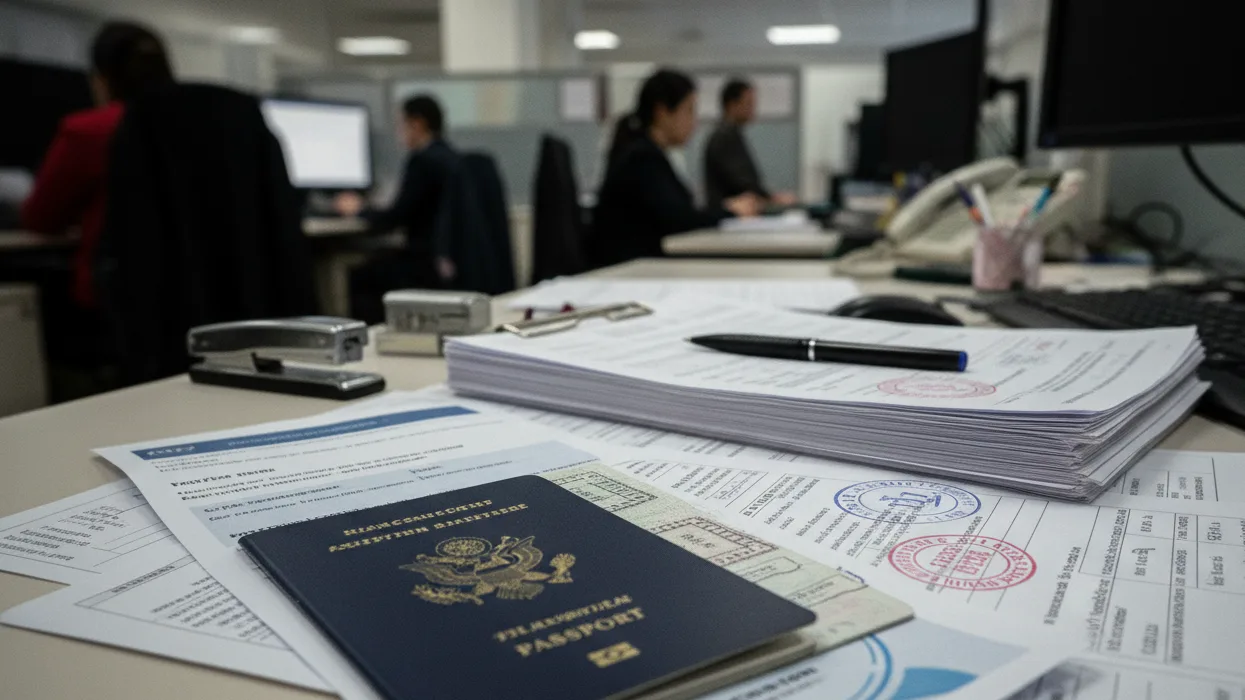
Most visa decisions do not hinge on your flight itinerary alone. But when an reviewer wants to stress-test your file quickly, the reservation is one of the fastest items to check without debate.
What A Visa Reviewer Can Verify Without Touching A Phone
A visa reviewer can spot trouble before any system check. They do it by reading your dates like a timeline, not like a travel wishlist.
They start with internal consistency. Your intended entry date should match what you wrote everywhere else. If your form says you arrive on the 12th but your itinerary lands on the 13th, that is not a “small typo.” It is a split story.
They also look at duration logic. A seven-day itinerary paired with a fourteen-day hotel plan, leave letter, or invitation letter creates a gap. Even in flight-only files, the trip length has to match your stated purpose and your stated return plan.
They check name integrity next. A single missing middle name can be fine. But a booking that swaps name order, truncates a surname oddly, or uses a nickname when your passport does not, can make the record harder to verify later. That matters because the fastest verifications rely on exact matches.
Then comes routing plausibility. Reviewers see patterns all day. Some routes look like normal traveler choices. Others look like a placeholder that was never meant to be flown. The biggest signals are not “cheap vs expensive.” They are friction signals.
Common friction signals include:
- A routing that adds two extra connections without a reason
- A connection time that assumes everything runs perfectly
- An airport swap within the same city is technically possible, but operationally messy
- A return flight that lands after your stated work start date or event date
Reviewers also notice how the reservation behaves on paper. A clean PDF is not the same as a reservation that stays stable. If the itinerary format looks copied from different systems, the dates are misaligned across segments, or the carrier details read like a patchwork, it can trigger a closer look.
This is why “looks real” is a weak goal. The practical goal is behave in reality.
A reservation that behaves realistically does a few things:
- It stays consistent across your documents
- It uses airline and airport details that make operational sense
- It remains findable for a reasonable period if someone checks it later
You do not need perfection. You need coherence that survives scrutiny.
The Common Verification Routes (Airline, GDS, And Application Cross-Checks)
Verification is rarely dramatic. It is usually quiet. It happens in the same way an experienced traveler checks a boarding pass before leaving for the airport.
First is the simplest route: cross-checking your own file.
An reviewer compares:
- Your application form dates
- Your cover letter or trip narrative
- Your flight itinerary segments
- Any invitation or event schedule that you submitted
- Any employment leave or school letter that anchors your timeline
This is where most “verification” ends. If everything matches, there is no need to do more.
The next route is system-based lookup, which can happen without calling an airline. In many settings, reviewers or intake teams can do basic checks using tools and workflows available to them. The purpose is not to reconstruct your entire booking. It is to answer one or two questions quickly.
Those questions are usually:
- Does this reservation reference exist?
- Does the passenger name align?
- Do the segments match what was submitted?
- Has the reservation been cancelled, changed, or expired?
Depending on the environment, the lookup may be done through:
- An airline-facing interface or internal channel
- A reservation system view that can resolve certain records
- A process where the applicant is asked to provide an updated itinerary if a record looks unstable
This is where people often assume “GDS check” is universal. It is not. Access and workflows vary widely by country, mission, and outsourcing setup. But the idea is consistent everywhere: a verifiable reservation leaves a trace that can be checked.
A third route is external confirmation through the applicant. This is more common than people expect because it is efficient and low-risk. Instead of calling an airline, the mission may request:
- A refreshed itinerary
- A revised travel date explanation
- A corrected name spelling across documents
That is still verification. It is just done through your file, not through a phone call.
What matters for you is the same in all three routes. Your reservation should hold up if someone checks it:
- On the day you submit
- A week later
- At the moment, a follow-up email lands in your inbox
If your itinerary is likely to expire quickly, your “verifiable” window may be shorter than the review window. That mismatch creates avoidable stress.
Where Phone Calls Actually Fit (And Why They’re Rare)
Phone calls sound simple. In practice, they are clumsy.
Calling an airline involves time zones, queues, language barriers, and privacy limits. A frontline agent might not even be able to confirm what an reviewer wants to know, especially if the question touches passenger identity or payment details.
Even when an agent can see the record, the answer may be constrained. Many agents will confirm only limited items, or they will ask for verification steps that the caller cannot provide. That is not a sign of suspicion. It is normal data protection behavior.
So why would a call happen at all?
Calls tend to appear in narrow situations where a quick clarification beats a deeper process, such as:
- A segment looks inconsistent with the rest of the file, and the reviewer wants a fast yes or no.
- The booking reference is present but does not resolve cleanly in the expected channel.
- A codeshare or partner segment creates confusion about which carrier “owns” the record.
- The itinerary is central to a specific purpose claim, like attending a dated event or entering for a time-sensitive meeting.
Even then, many missions choose a simpler option: ask you for an updated itinerary rather than call.
There is also a practical point most travelers miss. A phone call does not magically produce certainty. An airline agent can make mistakes, interpret statuses differently, or look in the wrong place. That creates a risk of a false negative, which is the last thing an reviewer wants when there are cleaner ways to verify.
So we treat phone calls as possible, but not primary.
The smarter move is to prepare a reservation that:
- Can be resolved without special access
- Does not rely on fragile timing
- Does not force an reviewer to become a detective
The One Question This Post Answers Better Than Most
The popular question is “Do they call airlines?” It is the wrong question because it does not help you make a better submission.
The useful question is this: If they verify, will your reservation survive the way verification actually happens?
That shifts your thinking from anxiety to design.
We plan for the reality that verification can happen in multiple ways:
- A file cross-check
- A system lookup
- A request for updated proof
- A rare phone confirmation
So we build your itinerary around three pillars: stability, traceability, and consistency.
Stability means your reservation should not collapse before it is reviewed. A record that expires in a short window may still be legitimate, but it is risky if the review timeline is unknown.
Traceability means there is a clean path for a record to be found again. If a booking reference works only in a narrow context, it can fail in a verification moment, even when you did nothing wrong.
Consistency means every date, spelling, and segment aligns with your narrative and forms. Reviewers do not verify because they are bored. They verify when something does not line up.
You do not need to game the system. You need to remove the reasons a system check would become necessary.
That is also why we avoid the false comfort of “pretty documents.” A sharp-looking itinerary that cannot be confirmed is weaker than a plain itinerary that remains stable and resolvable.
If you want a practical mental model, think like a traveler dealing with a missed connection. You do not argue that your plan was good. You show the agent a record that can be pulled up, adjusted, and reissued without drama.
That is what “verification-ready” means in a visa context.
When Might a Flight Reservation Receive More Scrutiny?

A visa reviewer does not verify every flight reservation. Verification usually starts when your itinerary creates an extra question inside the file, not because the reviewer is curious.
Consistency Triggers That Invite Verification of Flight Tickets
Most checks begin with a simple comparison: your itinerary versus what you told the consulate in writing.
On Schengen short-stay applications, a common trigger is a mismatch between the consulate you apply to and your first entry or main destination shown on the flight routing. If you submit through one country’s mission but your itinerary clearly lands first in another country for most of the trip, the reviewer has a reason to test the reservation and the story together.
On a UK Standard Visitor file, the trigger is often date precision. If your form states you will enter on a specific date, but your itinerary shows arrival the day after, an reviewer may treat that as a reliability issue, not a travel detail.
On a US B1/B2 (DS-160), you can submit without fixed tickets, but when you do attach an itinerary, reviewers may compare it to the intended arrival date, length of stay, and city plan you entered. A routing that contradicts the cities you listed can invite follow-up questions at the interview, even if no one calls an airline.
On Japan Temporary Visitor applications, itinerary coherence matters because the trip plan is read as part of the purpose and timing. If the flight dates conflict with your stated schedule, the embassy has a clear reason to question the reservation’s stability.
The most “checkable” inconsistencies are small, specific, and easy to validate:
- Name format conflicts: passport shows two given names, itinerary shows one, or surname is clipped in a way that changes the match.
- Passport number mismatches: a single wrong digit on a reservation document can turn a real record into an unfindable one during verification.
- Arrival city conflicts: your cover letter says Rome, your itinerary lands in Milan, and nothing explains the difference.
- Trip length conflicts: your forms indicate 10 days, your return flight is 6 days later.
- Entry type conflicts: You request a single-entry visa, but the flight pattern implies exiting and re-entering the visa area.
Visa teams also look for consistency inside the itinerary itself. If one segment uses local time correctly and another segment looks shifted, that can read like a stitched document, which makes verification more likely.
A practical rule works across missions: if an reviewer can point to one line and ask, “Which one is true?”, your reservation is now a candidate for checking.
Timing Triggers (When Your Reservation’s Clock Works Against You)
Timing triggers are less about your travel month and more about the gap between submission, review, and decision.
For many consulates, your file is not reviewed the minute you submit it. A flight reservation that is likely to expire quickly can be valid on submission day and unresolvable on review day. That is when verification produces a “not found” outcome, even if you did nothing wrong.
This timing pressure shows up in predictable moments:
- Schengen biometrics first, review later: you submit documents at an appointment, then the case may be assessed days later
- Canada TRV online submissions: the itinerary might be reviewed after other checks, and timelines can vary by workload
- Peak season surges: when appointment calendars are tight, review queues can extend, and short-lived reservations become fragile
Reviewers are also sensitive to itineraries that claim travel too soon after key steps.
Examples that can trigger verification or a request for updated proof:
- Your itinerary departs before your passport can realistically be returned after processing
- Your itinerary departs immediately after an interview date, when the mission’s typical processing window makes that unrealistic.
- Your itinerary shows travel during a period when your supporting documents suggest you must be elsewhere, such as a work obligation date.
Timing triggers also appear when the itinerary looks engineered to avoid scrutiny. A reservation dated extremely close to the appointment can appear to have been created solely to satisfy intake, especially if other parts of the file are weak. That does not mean it will be rejected, but it can prompt an reviewer to proceed to a quick verification step.
We also see timing triggers when travelers submit multiple versions of travel dates across stages. A common example is a Schengen applicant who books an appointment for one travel window, then submits an itinerary for a different window without aligning the cover letter and forms. That creates a solvable problem for you, but a verification-worthy problem for the reviewer.
The practical fix is not “book earlier” or “book later.” It is to ensure your reservation remains verifiable through the period when the case is most likely to be reviewed, and that your dates do not conflict with process realities for the visa type you are applying for.
Routing Triggers That Look Unusual Even If They’re Technically Possible
Routing triggers happen when the itinerary looks like it was built for paper, not for a real airport day.
On Schengen files, a classic trigger is an entry routing that conflicts with the story of the trip. If you claim you are spending most of your time in Spain but your flights land in a different Schengen country and never show movement toward Spain, an reviewer has a concrete reason to question the itinerary’s authenticity.
On a UK Standard Visitor application, routing triggers often involve airports and transit logic. If your itinerary shows a UK “transit style” route but you are applying as a visitor with a hotel and meeting schedule, an reviewer may want clarification because the travel pattern and purpose do not align.
On US visas, routing triggers are often about transit assumptions. If your itinerary relies on a connection through a country that requires a transit visa for your nationality, that can raise feasibility questions. The reviewer does not need to call an airline to see that the routing may not work as written.
Across visa types, reviewers notice patterns that increase the chance of schedule changes or booking issues:
- Ultra-tight international connections that assume a perfect arrival, fast immigration, and immediate boarding
- Self-transfer structures, where separate legs behave like separate trips, which can break verification if a segment is not tied to the same record
- Multiple airport switches within the same city on the same day, which can look unrealistic in a visa file
- Backtracking routes that add unnecessary distance without a reason tied to the purpose of the visit
- Open-jaw returns that are not explained by your trip plan, such as flying into one city but leaving from a distant city without any stated movement.
Codeshares can create routing confusion, too. A booking can be genuine, but the operating carrier versus marketing carrier details can confuse a quick lookup. When a record is checked under the wrong carrier context, the result can come back as “not found,” which then becomes a problem you must explain.
If your itinerary contains partner segments, you want the routing to read clearly as a normal codeshare path, not like a mismatch between airlines. Reviewers see codeshares daily on long-haul routes, but they do not want to decode airline relationships to understand your file.
Routing triggers also show up when the itinerary is too perfect. A zero-risk routing with oddly symmetric times can look generated. A normal traveler's itinerary usually has small compromises, like a slightly longer connection or a less-than-ideal arrival time that still makes sense for the trip’s purpose.
This matters most on visa files where timing is central, like a Schengen short-stay trip anchored to a fixed entry date or a Japan Temporary Visitor plan tied to a specific schedule. A tight connection is not “wrong,” but it increases the chance that the itinerary will be updated or reprotected, which can change flight numbers or timings.
A safer approach is to keep the itinerary aligned with how consulates evaluate feasibility:
- Use connection times that still make sense if the first flight is delayed
- Avoid airport changes during a single trip day unless your purpose and plan clearly justify it
- Keep your first entry routing consistent with the consulate you apply through for Schengen cases
Verification starts with understanding the document. The foundational flight-reservation guide explains PNRs, segments, operating carriers and ticket status. A booking reference may identify a reservation while a separate ticket number indicates ticket issuance; neither field should be invented or edited.
What Can an Airline or Booking System Confirm?

When a visa reviewer tries to validate your flight reservation through an airline channel, the goal is usually narrow. They want a quick confirmation that your itinerary behaves like a real booking on the day they check it.
The PNR Myth: “It Exists” Isn’t The Same As “It’s Ticketed”
Visa checks often collide with a simple misunderstanding: a booking record can exist and still not be “ticketed” in the way people assume.
On Schengen short-stay files, reviewers typically care that your travel plan is credible and traceable, not that you have paid for a non-refundable ticket. But if an airline lookup shows a booking that is already expired or cancelled, the reviewer may treat that as instability in the file.
On UK Standard Visitor applications, a reservation that exists but shows an unusual status can invite a follow-up request, especially when your dates are tight around work leave or event timing.
On Japan Temporary Visitor cases, where your schedule is read closely, an “exists but not stable” record can become a practical problem because the itinerary is tied to the trip plan in a way that feels concrete.
Here is the part that matters in real checks. Airline systems and agents often separate three different realities:
- A Record Exists: A booking reference is present in a system.
- A Seat Is Confirmed: The segment is in a confirmed state, not waitlisted or cancelled.
- A Ticket Number Is Issued: A ticket has been issued and linked, which is a different layer than the reservation.
A visa reviewer who hears “not ticketed” may interpret it in two ways, depending on the rest of your file.
If your documents never claim you bought the ticket, “not ticketed” can be neutral. It simply means the booking is not paid for as a ticket.
If your itinerary document or cover letter implies a purchased ticket, “not ticketed” can look like a contradiction. That is when verification becomes meaningful.
The safest approach in any visa context is consistency. If you submit a reservation, it should read like a reservation. If you submit a ticketed itinerary, it should behave like one when checked.
Reviewers rarely want a debate about airline terminology. They want to see that your travel plan is stable enough to support the dates you wrote on the forms.
What Frontline Airline Agents Usually See (And What They Won’t Say)
If a consulate reaches an airline call center, the person who answers is usually a frontline agent. That matters because the agent’s view is often limited, and the agent’s willingness to confirm details is shaped by privacy policy.
For visa-related checks, a frontline agent can often see basic booking data like segments and status. But what the agent can confirm to a third party may be narrower than what they can see on screen.
Here is what airline agents commonly can confirm in a practical visa check, when the question is framed correctly:
- Whether a booking reference resolves in their system
- Whether the itinerary includes specific flight numbers and dates
- Whether segments show a confirmed or cancelled state
- Whether the passenger name appears to match the record format
Here is what agents often refuse to confirm to a caller who is not the traveler:
- Full passenger details, including full name spelling beyond a limited match
- Passport numbers, date of birth, or contact details
- Payment method details or fare breakdown
- Any statement that sounds like a legal guarantee, such as “this is valid for visa purposes.”
This is where visa context matters.
In Schengen cases processed through busy consulates, staff do not want to be stuck in a privacy argument with an airline agent. If the agent refuses to confirm identity details, the consulate may simply ask you for an updated itinerary instead.
On US B1/B2 interview-based assessments, a call is less likely, but if verification happens indirectly, the reviewer’s questions are usually about the itinerary matching the story you told, not about payment details.
On Canada TRV files, where online documents may be reviewed in different stages, a “cannot confirm” response from an airline does not automatically mean your reservation is bad. It can simply mean the agent will not speak to a third party.
So we prepare you for the practical reality: even when the record is real, the agent may give a limited answer. That is why the reservation’s internal consistency matters so much. You want the reviewer to feel no need for a deep confirmation call in the first place.
If you are ever asked to support your itinerary after a check, you want to be able to provide proof that aligns with what the airline can see, without asking the airline to disclose anything sensitive.
Codeshares, Partner Airlines, And The “Wrong Airline” Problem
Codeshares create a specific kind of visa verification failure: the booking exists, but it does not resolve where the checker expects it to resolve.
This happens often on long-haul routes that are common in Schengen, UK, and Canada applications, where a marketing carrier sells the flight and a partner operates it.
A visa reviewer may try to validate your itinerary by focusing on the operating airline logo on your document. But your booking reference may be tied to the marketing carrier’s record. When the check is done under the wrong carrier context, it can return “not found.”
This can also happen when your itinerary mixes:
- One segment on an airline’s metal
- A second segment on a partner airline under a shared code
- A third segment that is a regional feeder operated by another partner
Even for experienced travelers, these arrangements can be confusing. For a visa reviewer doing a quick check, it can become a reason to pause.
Here is how to make codeshares easier to verify in visa paperwork, especially for Schengen submissions where routing clarity matters:
- Ensure your itinerary clearly shows the marketing carrier and the operating carrier, where applicable.
- Keep the itinerary consistent in how it displays carrier details across segments.
- Avoid odd combinations where one segment is presented in a way that hides the operating carrier, but another segment highlights it.
For UK Standard Visitor files, codeshare confusion can also collide with transit logic. If your itinerary suggests you are transiting through a third country, the reviewer might consider feasibility. A codeshare that makes the routing hard to interpret can invite questions that have nothing to do with the airline’s record itself.
For Japan Temporary Visitor applications, where your day-by-day plan is read against your entry and exit dates, codeshare misunderstandings can create a mismatch between what you think you booked and what the itinerary actually shows.
We want your itinerary to reduce friction during any verification, including a fast scan by a busy mission that does not want to decode airline partnerships.
The Language Trap: How Miscommunication Creates False Negatives
Many “airline said it’s not valid” stories are not about validity. They are about language and framing.
A visa reviewer, intake staff member, or even you might use plain language that does not map cleanly to airline system language. That creates false negatives, especially when the reservation has a limited validity window.
Common miscommunication patterns in visa contexts include:
- Saying “ticket” when the record is a reservation
- Asking “is it confirmed?” without specifying which segment on a multi-leg itinerary
- Providing a booking reference to the wrong carrier in a codeshare situation
- Spelling the passenger's name differently from the record displays, especially with compound surnames
These issues show up most often when an reviewer is validating a detail under time pressure, like during a UK document review window or a Schengen assessment queue.
They also show up in countries where the applicant’s name structure does not match the airline’s input constraints. Some airline systems compress names or drop spaces. That is normal in aviation. In a visa context, it can look like a mismatch if you do not anticipate it.
Here is how we reduce false negatives without turning the process into a technical project:
- Keep your itinerary’s passenger name format consistent with your passport name order.
- Avoid submitting multiple itinerary versions with different name truncations across pages.
- Make sure each segment shows the same passenger name style, not a mixture.
- If your itinerary includes partners, keep the carrier presentation clear so a checker does not verify under the wrong airline.
If a consulate asks you to clarify after a failed check, the right response depends on the visa type.
On Schengen files, consulates often want clean, updated proof that aligns with your stated dates and first entry logic.
On UK Standard Visitor files, they want coherence between your itinerary and the dates you stated in the form, plus a reservation that remains findable if they re-check it.
On Japan Temporary Visitor cases, they want the flight dates to align tightly with the schedule you presented, since the itinerary supports the trip plan structure.
The key is that you should not be forced to argue with an airline agent’s phrasing. Your reservation choice should be stable enough that a verification attempt, even a clumsy one, still resolves cleanly.
How Do Reservation Types Differ During Verification?

A visa reviewer does not grade your itinerary on design. They grade it on whether the booking behaves like a real reservation when checked days later, sometimes through imperfect channels.
Holds vs Confirmed Bookings vs Ticketed Itineraries
Different reservation types fail in different ways during visa review. Here, we focus on how each type behaves across real consular timelines like Schengen, UK Standard Visitor, Japan Temporary Visitor, and Canada TRV.
A hold is the most timing-sensitive option. It can look clean on day one and disappear by day three. That is not “bad.” It is just how the holds work. For visa files, the risk is simple: you do not control when your file is actually reviewed.
Holds tend to create these verification outcomes:
- The booking reference returns no record found because the hold expired.
- One segment drops while another remains, which makes the itinerary look inconsistent.
- A schedule update triggers a revalidation that the hold does not survive.
A confirmed booking (not necessarily ticketed) often survives longer than a hold, but it can still change. This is common when airlines adjust schedules, swap aircraft, or retime connections. In the visa context, the danger is not the change itself. The danger is that the change creates a mismatch with what you submitted.
Confirmed bookings can create these verification outcomes:
- The record exists, but the flight number or time has shifted, so the PDF no longer matches the live record.
- A connection becomes impossible after retiming, and the airline system marks the segment for action.
- A partner segment behaves differently from the main carrier segment, which confuses a quick lookup.
A ticketed itinerary is usually the most stable in terms of existence. The record is less likely to vanish. But “ticketed” does not mean “unchangeable.” Airlines still retime flights, and ticketed bookings can still be reissued. That can produce a different itinerary presentation than the one you printed earlier.
Ticketed itineraries can create these verification outcomes:
- The record exists and is ticketed, but the itinerary has been reissued after a schedule change.
- A codeshare displays differently depending on the system viewing it.
- A fare rule forces a rebooking path that changes the visible details.
For visa files, we choose based on the review reality.
- If your Schengen appointment is followed by an uncertain processing time, a very short-lived hold is fragile.
- If your Japan application relies on tight day-by-day planning, you want a reservation that will not shift in a way that breaks the schedule narrative.
- If your UK dates are tied to work leave, you want the itinerary to remain consistent with those stated dates through review.
The point is not to chase the “strongest” type. The point is to choose the type whose normal behavior fits your timeline.
Agency-Managed Reservations And GDS-Backed Records
Some reservations are easier to verify because they live in systems designed for multi-party travel management. That often matters for visa review because it reduces the chance that a record becomes unresolvable when viewed from a different angle.
An agency-managed reservation can offer practical advantages in visa situations:
- The record can remain stable even if you update dates, because changes can be managed without breaking the underlying structure.
- Multi-segment itineraries can be handled in one place, which reduces segment-level inconsistencies.
- Partner and codeshare segments are often represented in a way that is clearer for cross-checking.
This comes up frequently with Schengen itineraries that involve:
- Entry via one Schengen airport and exit via another
- Multi-country travel where your main destination must align with the mission you apply through
- Routes where a partner airline operates one leg
If a consulate or intake team does any form of system-based check, a record that is consistently stored and consistently retrievable reduces friction. That does not guarantee approval. It simply keeps the itinerary from becoming a distraction.
We also see this matter for Canada TRV files, where documents can be reviewed in stages. A reservation that stays retrievable over time lowers the odds of a “record not found” moment that forces a fresh submission.
There is a common trap here. People assume “GDS-backed” means “anyone can verify it.” That is not how access works. But a reservation that is managed in a robust travel system often has better survivability because it is designed to handle changes without collapsing.
So the practical question is not “Is it GDS?” The practical question is:
If something changes, will the reservation still be retrievable and consistent with what we submitted?
When you evaluate a provider or method, you can use a simple test: ask how the reservation behaves if the airline retimes one leg. If the answer is vague, your itinerary may be fragile.
What Makes A Reservation “Verification-Friendly”
A easier to verify reservation is not a special document format. It is a set of behaviors that makes checks boring.
Here, we focus on behaviors that help in real embassy contexts like Schengen, the UK, and Japan, where a flight itinerary may be reviewed days after submission.
1) It Survives A Normal Review Window
A reservation that disappears quickly creates avoidable risk. A reservation that remains retrievable across likely review timing removes that risk.
2) It Resolves Cleanly With Minimal Interpretation
Checks are often quick. The reservation should not require the checker to guess which airline to use, which name format to search, or which segment belongs to which carrier.
What helps:
- Clear display of marketing vs operating carrier on codeshares
- Consistent passenger name formatting across all pages
- Consistent airport and city pairing across segments
3) It Matches Your File Without Needing Explanations
If your forms say you enter on June 10, your itinerary should not land on June 11. If your cover letter says you start in Paris, your first entry routing should align, or your narrative must clearly explain why it does not.
In Schengen files, this includes mission logic. If you apply to one country, your itinerary should support that country as your first entry or mainstay, depending on your case.
4) It Avoids Fragile Structures
A reservation can be legitimate and still be fragile. Fragility shows up when one small change breaks the whole story.
Patterns that often create fragility during verification:
- Very tight connections that are likely to be retimed or misconnected
- Multiple partner segments that do not display consistently
- Separate-looking legs that behave like separate trips, which can create mismatched status results
5) It Stays Internally Consistent After Updates
Airlines change schedules. A easier to verify reservation can absorb that change without creating contradictions in your file.
If an update happens, you want:
- The new itinerary is to remain consistent with your stated travel dates, or to be easily aligned with a clean update
- The booking is to remain retrievable, not replaced by a completely new-looking record that invites questions
This is also where many applicants misjudge “professional-looking PDFs.” A polished PDF does not prevent an reviewer from seeing a mismatch. A stable record does.
How Long Should Your Reservation Stay Verifiable (Without Guessing)
You cannot control when your file is opened. You can control whether your reservation stays verifiable long enough to cover realistic review timing.
We do this by anchoring your reservation window to three moments, not one.
Moment 1: Submission Day
Your itinerary must align perfectly with the dates in your forms and narrative at the moment you submit.
Moment 2: Likely Review Day
For many visa types, review can happen days later. This is especially common with:
- Schengen submissions after biometrics
- Canada TRV online processing queues
- High-volume seasons for UK and Japan visitor cases
Your reservation should remain retrievable during this window.
Moment 3: Follow-Up Day
Even if the initial review passes, a mission can ask for an updated itinerary or clarification. If your reservation expires immediately after submission, you may be forced into last-minute fixes that create inconsistencies.
A practical way to plan without guessing is to choose a verifiability window that covers:
- The typical range of review delay you might face
- A buffer for an email request or clarification call
- The reality that airlines can retime flights at any point
Instead of gambling on a very short-lived record, aim for a reservation that remains checkable across a realistic administrative timeline for your visa type.
Here are examples of how this thinking applies:
- For Schengen, your reservation should remain verifiable beyond the appointment day because the assessment may not happen immediately.
- For a Japan Temporary Visitor, your reservation should remain stable enough that your schedule narrative does not become outdated mid-review.
- For a UK Standard Visitor, your reservation should support the exact dates you declared and remain consistent if the case is reviewed after a queue delay.
If you plan your reservation to survive the review process, you also reduce the chance that you will need to generate a fresh itinerary under pressure, which is when mistakes and mismatches show up.
Once you pick a reservation type that survives real review timing, the next move is building the itinerary so it matches your story so tightly that verification becomes unnecessary.
Schengen applications add main-destination, accommodation and return-intention tests beyond PNR status. Use the Schengen flight-reservation requirements guide to assess route and date consistency instead of treating retrievability as the only criterion.
How Should You Prepare a Verifiable Flight Itinerary?
A strong flight itinerary is not the fanciest PDF in your folder. It is the one that still makes sense when a visa team checks your file days later, with zero patience for contradictions.
Make The Itinerary Match Your Story (So Verification Isn’t Even Tempting)
Visa reviews are full of quick comparisons. Reviewers do not read your flight reservation in isolation. They read it against the specific statements you made for that visa type.
For a Schengen short-stay application, your itinerary must support two things at the same time: your first entry logic and your main destination logic. If you apply through France, but your flight lands in Italy first, and your trip length is mostly in Italy, you are forcing the file to answer a question it did not need.
Build the itinerary around what your paperwork already claims.
- If your cover letter says you start in Barcelona, your first entry should not be Amsterdam unless you explain the route clearly.
- If your itinerary shows a different first entry city than your forms, you are creating a mismatch that can trigger a check.
For a UK Standard Visitor application, date precision matters because your form captures exact arrival and departure intentions. Your itinerary should align with those dates, including time-zone reality. A landing at 00:30 can push the “arrival date” into the next day. If your form says the 10th but the flight arrives on the 11th, the reviewer sees inconsistency, not aviation nuance.
For a Japan Temporary Visitor application, your flight dates should line up cleanly with your day-by-day plan. If your schedule begins the morning after arrival, but the flight lands late at night and includes a long transfer, your plan reads fragile.
For a US B1/B2 (DS-160), you can often proceed without tickets, but if you submit a flight plan, it should match the cities and timing you entered. A flight into Los Angeles paired with a DS-160 itinerary that lists New York as your first stop can create an avoidable interview question.
For a Canadian TRV, the itinerary is often reviewed as part of the overall travel logic. If your return flight suggests a shorter stay than your stated leave or your stated trip duration, the file can look inconsistent even when the rest is strong.
The fastest way to remove verification pressure is to keep one “source of truth” for your dates, then make every document match it.
Here is what “match” means in real applications:
- Same arrival date across forms, cover letter, itinerary, and any event schedule you submitted
- Same departure date everywhere, including your declared length of stay
- Same first entry city where the visa logic cares (especially Schengen)
- Same name format as your passport, without swapping order between documents
If you change dates after booking an appointment, update your narrative and forms where required. Do not let your flight plan drift away from your written intent.
Avoid The “Reviewer Can Break This In 10 Seconds” Patterns
Some itineraries invite a check because they collapse under basic scrutiny. The fix is not to make the route “more complex.” The fix is to make it behave like something a real traveler would submit for the visa you are applying for.
1) Overly Tight Connections That Make The Trip Look Unrealistic
A short connection can be legitimate, but it can also be the easiest thing for an reviewer to doubt.
This is especially sensitive to:
- Schengen applications where your first entry timing matters
- Japan applications where your day plan is tied to flight timing
- UK applications where your dates are meant to align with leave windows
If your connection is tight enough that a minor delay forces a rebooking, you increase the chance that your itinerary changes between submission and review.
A safer pattern is:
- One connection that is long enough to survive normal delays
- A routing that does not require changing airports mid-trip day
- A first entry segment that looks stable, not precarious
2) “Paper Routes” That Ignore Transit Reality
Some routes look fine on paper but create feasibility questions.
Examples that invite scrutiny:
- A transit through a country that commonly requires a transit visa for your nationality, with no indication that you accounted for it
- A self-transfer style routing that looks like separate trips stitched together
- An airport swap that assumes instant movement across a city
For UK Standard Visitor and Canada TRV files, feasibility matters because the itinerary supports your declared purpose and timeline. If the route looks hard to execute, reviewers may question whether it is a real plan.
3) First Entry And Mission Selection Conflicts In Schengen
Schengen is where itinerary design mistakes are easiest to spot.
Avoid these fast-break patterns:
- Applying to one country’s mission while your itinerary clearly starts and mostly stays elsewhere
- Showing a first entry that contradicts your stated main destination
- Submitting an itinerary that looks like you chose the mission for speed, not for trip logic
You do not need a perfect travel map. You need an itinerary that supports the consulate choice.
4) Internal Inconsistencies Inside The Itinerary Document
Reviewers notice when one page tells a different story from another.
Common break points:
- The passenger's name appears one way on the first page and differently on the segment page
- Airline codes differ across segments in a way that looks like mixed sources
- Times appear in different time zones without clarity, making the dates look off
If your itinerary output includes both local time and another display, make sure the dates you reference in your forms match the local reality of arrival and departure.
5) Unexplained Open-Jaw Or Multi-City Choices
Flying into one city and out of another can be normal, especially for Europe. But for a visa review, it must fit your story.
On Schengen files, open-jaw can be fine if your trip narrative clearly explains your movement and the flight plan matches that movement.
On Japan Temporary Visitor files, open-jaw is less common. If you do it, it should align with your schedule and not look like a placeholder created without a plan.
If you want multi-city, keep it readable:
- One clear entry point
- One clear exit point
- Movement that is plausible for the trip length you declared
An applicant with biometrics in Mumbai sometimes submits a flight itinerary that departs the next day because they want to show urgency. For visas with unpredictable processing times, that timing can make the file feel strained, especially if the mission’s normal turnaround often exceeds a day or two.
This shows up most on Schengen short-stay submissions where the appointment date is fixed, but the review timeline is not. If your itinerary implies near-immediate travel, the reviewer may wonder whether the dates are realistic.
A safer approach is to keep your departure window consistent with your stated leave plan and the typical processing reality, so your flight itinerary supports your intent instead of challenging it.
Your “Submission Day” Checklist (Built For Verification Survival)
Here, we focus on a practical checklist you can run the same day you submit, regardless of whether you are applying for Schengen, UK Standard Visitor, Japan Temporary Visitor, US B1/B2, or Canada TRV. This is not about making the itinerary “look official.” It is about preventing avoidable mismatches and lookup failures.
Document Alignment Checks
- Arrival date matches your form, cover letter, and any schedule you submitted.
- Departure date matches your declared length of stay.
- Trip length matches your stated purpose. A five-day conference plan should not have a twenty-day flight window.
- City order matches your trip narrative. If you said “start in Paris,” your first arrival should not be Zurich unless the route is explained.
Schengen-Specific Checks
- Your flight plan supports the consulate choice. Mainstay and first entry logic should not clash with where you applied.
- If you have multiple Schengen stops, your itinerary should not imply a different “main destination” than what you stated.
Name And Identity Checks
- The passenger's name is spelled and ordered the same way across all pages.
- If your name has multiple parts, the itinerary should not drop a key part on one segment while showing it on another.
- If your passport uses a different character set than the airline system, keep your documents consistent with your passport’s Romanized form.
Segment Integrity Checks
- Every segment you claim is present. No missing leg that creates an unexplained gap.
- Connection timing is plausible. It should not depend on perfect operations.
- Codeshare segments display clearly. Marketing and operating details should not confuse the route.
Version Control Checks
- Use one final itinerary file. Avoid submitting two different versions with small differences.
- If you updated dates, ensure the old version is not still in your upload set or printed stack.
- Name the file in a clear way for online uploads so the reviewer opens the latest one first.
Quick Self-Verification Checks
- If your reservation includes a booking reference, confirm you can retrieve it in the channel intended for it, using the correct carrier context.
- Verify that your itinerary details still match what you wrote, especially if you generated it days before your appointment.
A clean submission does not guarantee approval. But it keeps your flight reservation from becoming the reason an reviewer pauses, escalates, or requests replacement proof.
How Should You Respond to a Reservation Question?
A questioned itinerary is not a crisis. It is a signal that the reviewer wants one missing piece to line up before they move your file forward.
The Three Most Common Follow-Up Styles
Most missions do not ask you to “prove” your flight. They ask you to remove doubt in a way that fits their workflow and the visa type.
1) “Provide An Updated Itinerary.”
This is common on Schengen short-stay cases after biometrics, when review happens later, and short-lived reservations may no longer be resolved. It is also common on Canadian TRV files when the reviewer wants the current intent aligned with your dates.
What it usually means: your prior itinerary may have expired, changed, or looked inconsistent with your dates.
2) “Clarify Your Travel Dates Or Routing.”
This shows up often on UK Standard Visitor files because your form captures exact intended dates, and reviewers compare those dates against your itinerary line by line. It can also show up on Japan Temporary Visitor cases if your day plan and your flight times do not support each other.
What it usually means: the reviewer sees a mismatch and wants a short, factual correction, not a long explanation.
3) “Explain The Change.”
This happens when your itinerary details shift after submission, or when the mission receives two versions that do not match. It is common in any system where applicants upload documents multiple times or where an agent or sponsor submits items separately.
What it usually means: the reviewer wants to confirm that the change is ordinary travel planning, not a different trip story.
If you identify which follow-up style you received, your response becomes straightforward. You give the exact item they asked for, in the simplest format they can file and verify.
What To Provide (And What Not To Over-Explain)
When a mission questions your flight reservation, your goal is not to persuade. Your goal is to make the file coherent in a way that can be checked quickly.
Here is what to provide in most visa contexts, especially for Schengen, UK Standard Visitor, Japan Temporary Visitor, and Canada TRV:
- One refreshed itinerary document that matches the dates in your application.
- One short note that explains only what changed, if anything changed.
- One clear confirmation of your intended entry and exit dates as they appear on your forms.
Keep the note tight. Two to five sentences usually work.
A strong clarification note does three things:
- Name the exact dates the reviewer cares about.
- Explains the reason for the update using normal travel logic.
- Confirms the rest of your application details remain the same.
Examples of reasons that are easy for reviewers to accept because they match real airline behavior:
- Airline schedule update adjusted a flight time or number.
- Connection adjustment was made to keep a feasible buffer.
- The reservation validity window ended, so you generated an updated itinerary for the same dates.
What not to do is just as important.
Avoid these moves because they create new questions:
- Writing a long story about why you chose a route.
- Introducing new cities that are not in your original plan.
- Changing dates “to look safer” without updating the dates you already declared.
- Claiming you purchased tickets if you did not, or implying ticketing when you submitted a reservation.
- Adding unrelated documents that shift attention away from the fix.
Also, avoid technical lectures. Reviewers do not need airline system terms to approve a visa. They need your file to stop contradicting itself.
A practical way to keep the response clean is to treat your itinerary as a controlled document.
Use one file.
Use one version.
Use one set of dates.
If the mission asked for “updated itinerary,” do not attach three options. One coherent itinerary is easier to verify and easier to accept.
How To Handle A “Call To Confirm” Situation Without Panic
Sometimes, an reviewer or intake team will mention confirmation directly. It may be phrased like “we may verify your booking,” or “the airline could not confirm.” The right response depends on what they are actually asking you to do.
Here, we focus on the most common scenarios where “call to confirm” language appears in real visa workflows.
When The Mission Says They Could Not Find The Booking
Your job is to remove ambiguity, not to argue.
Provide:
- The updated itinerary document
- The booking reference is shown
- In the airline context, the booking should be checked, especially if codeshare segments exist
If your itinerary includes a codeshare, this detail helps avoid a second failure:
- Which carrier is the marketing carrier on the segment
- Which carrier is the operating carrier
You do not need to explain alliances. You only need to make it easy for the checker to look in the right place.
When The Mission Asks You To Confirm With The Airline Yourself
This can happen when the mission wants you to resolve the uncertainty and come back with clean proof.
Do not try to get an airline agent to write a custom letter. That usually fails. Instead, focus on what the mission can actually use: a reservation that resolves and aligns with your dates.
Your response should prioritize:
- A fresh itinerary that remains verifiable through a realistic review window
- A short note confirming that the intended dates match the form
If you choose to contact the airline, keep the purpose narrow:
- Verify that the booking reference resolves in the correct carrier context
- Verify that the segments match what you plan to submit
Avoid asking the agent for “visa confirmation” language. Agents often cannot provide it, and the attempt can waste time.
When The Mission Mentions Ticketing Or “Not Ticketed”
Treat this as a consistency issue, not a value judgment.
If your submission never claimed ticketing, your note can say:
- The itinerary provided is a reservation supporting intended travel dates, and the dates remain unchanged.
If your submission implied ticketing, fix the inconsistency fast:
- Provide the correct ticketed document if you have it, or provide a reservation document that accurately reflects what you are submitting.
In all cases, keep your tone steady and factual. A calm, precise reply reads like a traveler who has control of the trip plan, which is exactly what a reviewer wants to see.
The Smart Way To Update Without Raising New Questions
Updates are normal in travel. The way you update is what determines whether an reviewer sees it as routine or suspicious.
A smart update follows one rule: change only what the mission needs to change, and keep everything else stable.
1) Keep The Trip Logic Identical
If your original plan was “enter Paris, exit Paris,” do not switch to “enter Amsterdam, exit Frankfurt” unless the mission specifically asked for a revised route. Route changes create new questions on Schengen files because they can change mission logic.
If you must adjust routing for feasibility, keep the structure consistent:
- Same entry country when applying to a Schengen mission
- Same trip length as declared
- Same city story as your cover letter
2) Keep Dates Anchored To What You Declared
On UK Standard Visitor applications, your declared dates matter. If you change them in the itinerary, you may need to update the application dates or provide an explanation that the mission can file cleanly.
On Japan Temporary Visitor applications, date shifts can break the schedule narrative. If you change the flight date, you may need to update the day plan so the file stays coherent.
If the mission did not ask you to change dates, do not change dates.
3) Fix The Root Cause, Not The Symptom
If the booking could not be found, the root cause is usually one of these:
- The reservation expired
- The carrier context was wrong due to codeshare
- The passenger's name format did not match
So the fix should match the cause:
- Replace the expired reservation with a stable one
- Ensure codeshare details are displayed clearly
- Align the passenger name formatting with the passport name order
Avoid “cosmetic fixes,” like changing fonts or rearranging the PDF. That does not solve what the reviewer is trying to verify.
4) Use Clean Version Control
This matters more than people think, especially for online uploads.
Do this:
- Name the updated file clearly, like “Flight Itinerary Updated” with the date
- Upload only the newest version if the portal allows replacement
- If the portal does not allow replacement, add a short note stating which version is current
Do not do this:
- Upload multiple versions without explanation
- Leave an old itinerary in the file that contradicts the new one
5) Match The Level Of Detail The Mission Uses
Some missions want a simple itinerary. Others accept detailed segment pages. Either way, keep the output consistent with what you already submitted.
If your first submission was a clean itinerary summary, do not suddenly submit an overloaded document with extra fields that invite questions. If your first submission was detailed, keep the updated one detailed in the same way.
A good update feels like maintenance, not a reinvention.
How Do You Fix PNR Not Found, Unticketed or Cancelled Status?
These moments feel urgent because they touch the part of your file that looks easiest to check. When flight tickets become the focus, you win by staying calm and fixing the exact reason the record failed.
“PNR Not Found” — The Real Causes And The Right Next Step
A “not found” result usually means the checker could not retrieve your confirmation number in the way they tried. It does not automatically say anything about your intent or eligibility.
The fastest causes to identify are timing and system context.
Common causes we see across a Schengen visa case, UK Standard Visitor, Japan Temporary Visitor, and Canada TRV:
- The reservation window ended before review, so the record stopped resolving during the visa process.
- The lookup was attempted under the wrong carrier on a codeshare or partner segment.
- The passenger name format did not match how the record stores it.
- A schedule change, split, or refresh of a segment, so the old view no longer matches.
Your next step should match the cause, not the emotion of the moment.
If the issue is a short validity window, replace the itinerary with a record designed to remain checkable through your planned travel dates. Keep your planned departure and return dates identical to what you declared unless the mission tells you otherwise.
If the issue is carrier context, make the airline relationship obvious on paper. A Schengen visa flight itinerary that clearly shows marketing and operating carriers is easier to validate than one that hides the operating airline on one page and highlights it on another.
If the issue is name formatting, fix the name presentation on the document, not the story in your file. Keep the passport order consistent, even if the airline compresses spacing.
If the issue is a schedule update, refresh the travel itinerary so the live record and the PDF match again, then remove older versions from your upload set.
When you send the update, do it like a clean correction, not a debate. Provide one file and one explanation line if needed.
If your case involves a round-trip flight reservation, keep the outbound and inbound aligned with what you already stated. If you switch to a one-way ticket in the paperwork without explaining why, you create a new question that the reviewer did not have.
If you are asked for proof at a visa appointment, bring the latest version only. If you are asked at a visa interview, keep the focus on dates and routing consistency, not technical jargon.
“It’s Not Ticketed” — When That Matters And When It Doesn’t
“Not ticketed” is a status observation, not a moral judgment. The key is whether your file claims something different.
A reservation can exist without being issued as actual tickets. That can be normal for planning, especially when you do not want to pay full price before approval. It can also be normal when a travel agency holds space while you finalize timing.
It matters when your visa application implies you already have a confirmed ticket, or when the mission asked specifically for paid tickets and you provided a reservation instead.
It matters when you present an original air ticket as proof, but the airline's view shows no ticket number. That creates a contradiction that is easy to flag.
It usually does not matter when your file treats the itinerary as an intent document, and your dates and routing stay stable.
A practical way to keep this clean is to keep your language aligned with your document type:
- If you submit a dummy air ticket-style reservation document, do not describe it as a real ticket.
- If you submit a real ticket, ensure the ticketed view matches what you attached.
For Schengen, the reviewer is often focused on whether your routing supports the consulate logic and whether your return intent is coherent with the rest of your file. If your itinerary shows a round trip that matches your leave window and return home plan, that supports the story better than vague dates.
If you are close to travel and your visa expires before your intended entry window, “not ticketed” can become a timing problem because you may need to reissue the itinerary quickly. In that case, the fix is not to argue about status words. The fix is to provide an itinerary that aligns with your stated dates and remains verifiable when checked.
“Cancelled / Changed” — How Schedule Changes Create Accidental Red Flags
Airlines change schedules all the time. A cancellation or retime becomes a visa problem only when the change breaks your consistency.
These changes create avoidable friction in visa documents:
- Arrival shifts past midnight and flips the date.
- A connection retimes, and the second segment changes flight number.
- A partner carrier replaces the operating flight, and the display changes.
- The system reissues the itinerary, and your old PDF becomes outdated.
For Schengen, changes can also alter the “first entry” appearance, even when your trip plan did not change. That is why you should update the itinerary quickly if the change affects entry routing into the Schengen area.
For the UK, changes matter most when they disrupt the exact dates you declared on the form. A one-day slip can create a simple question that slows the review.
For Japan, changes matter when they collide with your day-by-day plan. A late-night arrival can make the first day plan look unrealistic unless you adjust the schedule narrative.
For Canada TRV, changes matter when the file shows multiple versions that disagree. Reviewers want one coherent set of flight details they can rely on.
The best response is minimal and targeted:
- Update the itinerary so it reflects the current segments.
- Keep your dates aligned with what you declared, unless you must change them.
- If you must change them, change them everywhere they appear, not only on the flight page.
- Remove duplicate versions so the reviewer does not open the wrong file.
If the mission asks why a change happened, keep your answer simple: an airline schedule change updated the segment, and you are providing the current itinerary for the same trip purpose.
Reliable dummy flight tickets are often held with major carriers like Lufthansa or Emirates, which can make verification smoother when a record needs to be resolved consistently. If you want a straightforward option, BookForVisa.com offers instantly verifiable reservations, a PNR with PDF, unlimited changes, transparent pricing that avoids paying full price up front, and a simple checkout that accepts credit cards.
Your “72-Hour Rescue Plan” If Your Interview Is Close
When timing is tight, you need a plan that protects your timeline and your credibility without wasting money.
First, lock your intended dates. Confirm your planned travel dates, your planned departure, and your return dates across your forms and itinerary. Make sure your routing supports your stated purpose.
Second, keep the file clean. Upload one current itinerary and keep other documents consistent with it, including any cover letter or schedule you already submitted.
Third, handle common feasibility questions. If your route implies long transits, keep it realistic. If your file includes travel insurance, ensure the coverage window matches your stated trip dates so the timeline reads as one coherent plan.
Fourth, avoid new contradictions. Do not switch from round-trip to one-way in your itinerary unless your narrative explains it clearly. Do not add hotel bookings or hotel reservations unless the mission requested them, since this file is focused on flights.
Fifth, keep your response calm. You are free to correct a record. That signals control, not panic, and it keeps the review focused on eligibility and security checks instead of avoidable document mismatches.
What Is the Final Verification Checklist?
Schengen missions, UK visitor teams, Japan consular desks, and Canada TRV reviewers all read your flight itinerary the same way: does it match your visa documents, and does it still resolve when they check? When a PNR fails or a segment changes, the fix is rarely complicated. You align the travel itinerary to your planned travel dates, keep your round-trip flight reservation consistent, and remove old versions that create confusion.
You should feel confident submitting flight tickets that stay verifiable through your visa process, and responding calmly if an embassy asks for an updated itinerary. If you have a visa appointment soon, do a final cross-check of dates, names, and flight details before you upload or print anything.
Frequently Asked Questions
Do visa officers call airlines to verify every reservation?
There is no published universal practice showing that every reservation receives a phone call. Authorities may use document review, requests for updates, retrieval channels or formal passenger-data systems.
Can an embassy check a PNR online?
A booking may be retrievable through an airline or agency channel when the correct reference and passenger details are used. Access and visibility vary by system and booking owner.
Does a valid PNR mean the ticket is paid?
No. A PNR identifies a booking record. Ticket issuance is a separate status and may be shown by a ticket indicator or ticket number.
Why can a valid booking show PNR not found?
Possible causes include using the wrong carrier reference, a codeshare record, surname formatting, an agency-owned booking, system synchronization or expiry.
Can airline staff disclose booking details to a visa authority?
Disclosure depends on identity checks, privacy rules, legal authority and airline procedures. Frontline customer service is not equivalent to formal government passenger-data access.
What should I do if my reservation expires during processing?
Keep the submitted record and follow the application channel’s instructions. Obtain a new genuine itinerary if requested or if the travel plan materially changes.
Should a visa itinerary include a ticket number?
Only if a ticket was actually issued. Do not add a ticket number to make an unticketed reservation appear paid.
How should I respond if asked for an updated reservation?
Provide one current, genuine version through the authorized channel and briefly explain any necessary date or schedule change. Recheck all related documents first.
Related posts

Flight Ticket for an Offshore Worker Rotation Visa
02 Oct, 26
Flight Booking for a Short Language Course Visa
02 Oct, 26
Visa Flight Itinerary After Passport Replacement
02 Oct, 26
Visa Reservation for an Archaeological Field Trip
02 Oct, 26
Flight Booking After a Visa Case Changes Consulates
02 Oct, 26
Flight Itinerary While a Consulate Holds Your Passport
02 Oct, 26
Flight Itinerary for Visa for Film Production Crews
02 Oct, 26
Flight Reservation for Visa for Trade Fair Exhibitors
02 Oct, 26
Flight Ticket for Visa: Postdoc Relocation Guide
26 Sep, 26