Visa Rejection Risks From Travel Booking Errors 2026
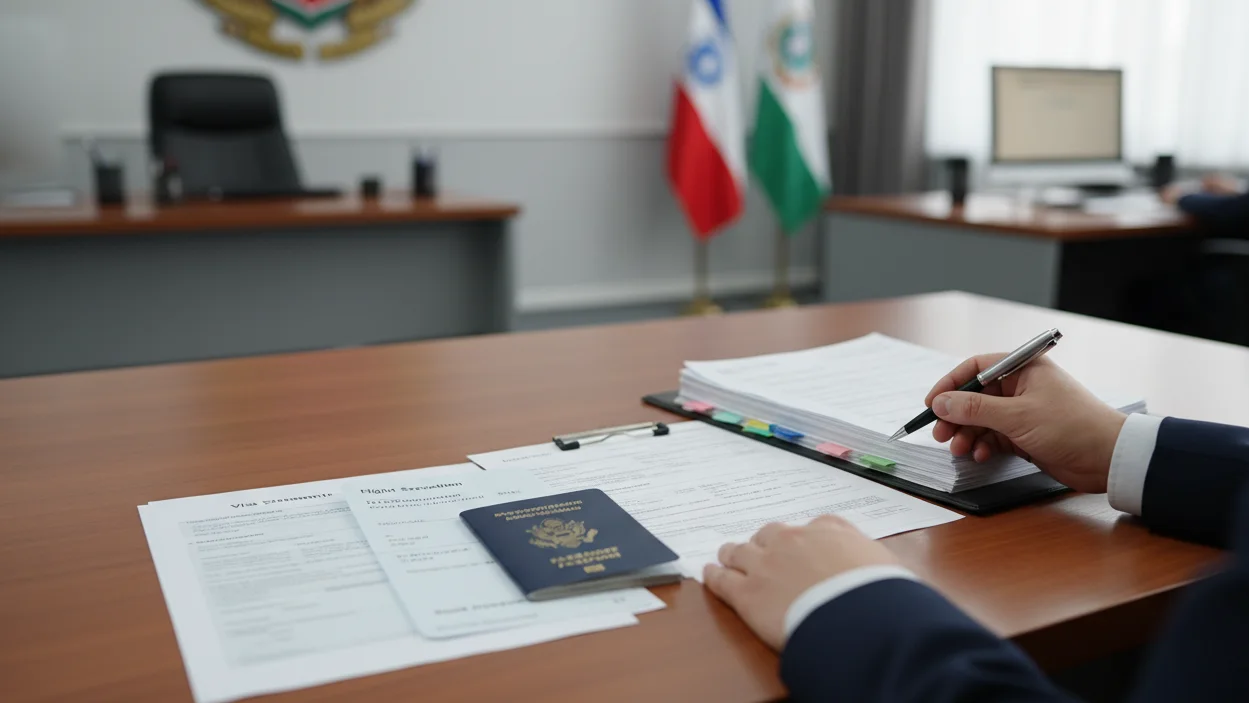
Visa Rejection Risks: Travel Booking Errors That Can Damage Your Application (2026 Guide)
A visa file can look solid until one travel booking detail starts pulling everything out of line. A return date that clashes with your leave letter, a route that makes no sense for your trip, or a name mismatch on the reservation can turn a routine review into a credibility problem fast. Embassies do not treat every booking mistake the same way.
In this guide, we will sort the harmless errors from the ones that can genuinely damage your application. You will see when a booking simply needs a correction, when it needs a full reissue, and how consulates read flight details against the rest of your documents. That helps you submit a cleaner file and avoid preventable doubt before a refusal lands on paper. If your itinerary details changed, replace them with a clean dummy ticket booking before submission.
Table of Contents
- The Booking Errors That Make Your Visa File Look Unreliable At First Glance
- Why A Real Flight Reservation Can Still Contribute To A Visa Refusal
- How Consulates Read Flight Reservations Alongside The Rest Of Your Application
- What To Fix Before Submission So A Flight Booking Mistake Does Not Decide The Outcome
- Make Sure Your Flight Reservation Strengthens Your Visa File
Embarking on your visa application journey requires careful early-stage visa planning to avoid common setbacks that could lead to rejection. One crucial element is securing a temporary flight itinerary that serves as proof without any financial commitment. This is where advanced tools come into play, allowing you to generate a dummy ticket for visa effortlessly. For example, using a flight reservation with PNR for visa provides you with a verifiable PNR dummy ticket that mimics real bookings, complete with all necessary details for embassy review. These resources simplify the process by offering risk-free options that align with your travel plans, whether for tourism, business, or family visits. You no longer need to risk money on cancellable tickets that airlines might charge for; instead, you get instant, professional documents that demonstrate your onward travel proof accurately. This approach not only saves time but also builds confidence in your file, ensuring consistency across your passport, application form, and supporting documents. By incorporating such a flight reservation for visa early on, you prevent mismatches in dates or routes that embassies scrutinize closely. Start optimizing your preparation today with these innovative solutions to enhance your visa application success rate and enjoy a stress-free experience.
do embassies reject visa applications over travel booking mistakes is a concern many applicants face in 2026 as consulates strengthen their document-screening procedures. While minor errors may not always lead to refusal, inconsistencies in dates, names, or routing can raise questions about the accuracy of your application and the credibility of your travel intent.
Embassies increasingly use digital validation tools to compare the details across flight reservations, hotel bookings, itinerary letters, and financial documents. When travel bookings contain mistakes—such as overlapping dates, unrealistic connections, or mismatched personal details—officers may request clarification, delay processing, or in serious cases, issue a refusal. Ensuring accuracy helps prevent unnecessary scrutiny during the 2026 visa review process.
Last updated: June 2026 — Reflecting current embassy documentation standards, automated consistency checks, and global visa evaluation trends.
The Booking Errors That Make Your Visa File Look Unreliable At First Glance
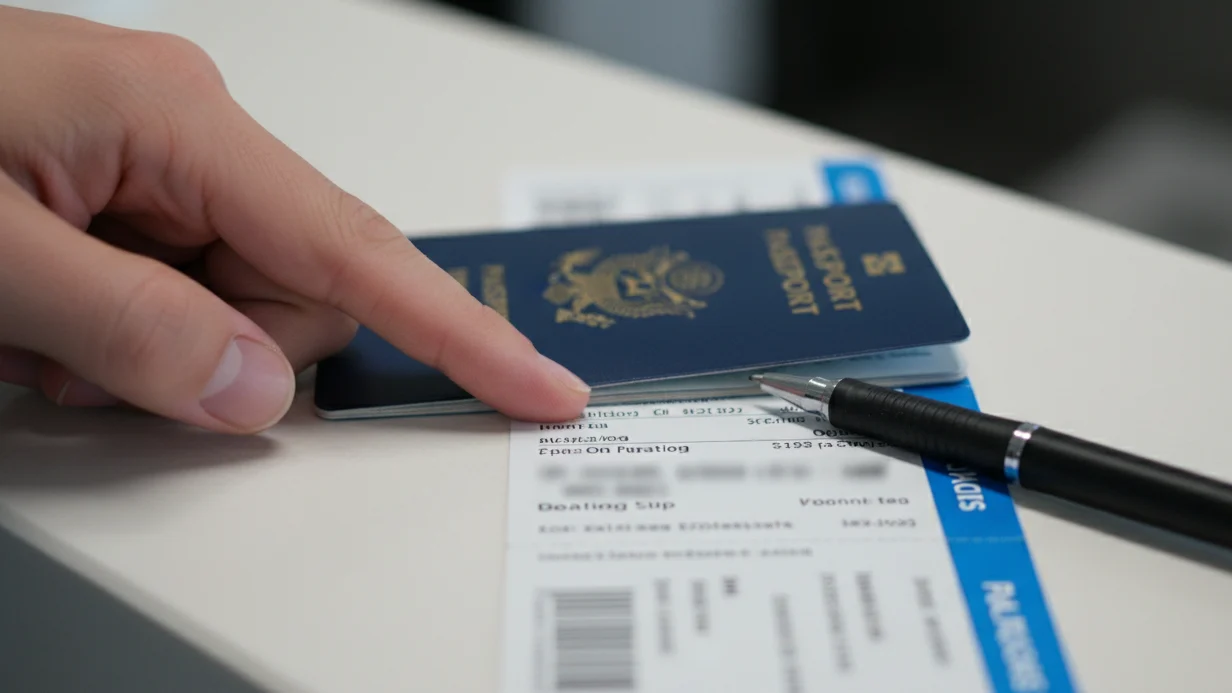
Some booking mistakes are easy to spot, and that is exactly why they matter. Before an officer ever questions your finances or travel intent, a weak flight reservation can make your file look rushed, inconsistent, or poorly checked.
When Your Name, Passport Details, Or Titles Do Not Match The Rest Of The File
Your flight reservation should match your passport and application form exactly. That means the same surname order, the same given names, and the same spelling throughout the file.
A small variation can create unnecessary doubt. If your passport shows two given names but the booking shows one, you may still know the reservation is yours. The problem is that your file now asks the embassy to make that assumption for you.
This gets riskier when the rest of the application is neat. A clean bank statement, clear cover letter, and strong travel history can still lose momentum if your booking looks like it belongs to a slightly different person.
You should also watch for title and document-detail problems when they appear on the reservation. A wrong passport number, expired passport reference, or old travel document detail makes the booking look recycled rather than prepared for this specific application.
Why Date Mistakes Create Bigger Problems For Visa Approval Than Most Applicants Expect
Dates do more than show when you plan to fly. They quietly support your entire story.
If your booking shows a return date after your approved leave ends, that is not a minor travel issue. It is a direct contradiction. The same applies if your itinerary suggests a ten-day trip, but your hotel plan, invitation, or trip schedule only supports four.
Embassies notice timing logic quickly because it is easy to compare across documents. Your departure date should fit your purpose of travel. Your return date should fit your work, studies, family obligations, or other ties back home.
Problems often appear in simple ways:
-
Your appointment is next week, but the booking hold expires long before the likely review window
-
Your return flight is booked before the event you claim to attend
-
Your dates changed in the cover letter, but not in the flight reservation
-
Your visa request asks for one duration, while the itinerary shows another
When these details clash, the issue is not only planning. It becomes credibility.
Route Logic Problems That Quietly Damage Credibility
A flight path should make sense for the trip you are presenting. If it does not, the reservation starts working against you.
A short tourism visit usually needs a straightforward route. An itinerary with extra countries, long self-transfers, airport changes, or odd stopovers can look forced if the trip itself is simple. Officers may wonder whether you chose the route because it reflects genuine travel plans or because you were only trying to produce a document.
This matters even more when your schedule is tight. If you claim a short visit but your outbound and return routes waste two full days in transit, your timeline starts to look unrealistic.
An applicant departing from Delhi for a short Schengen visit, for example, may draw avoidable attention by submitting a needlessly complex multi-stop route when a simpler routing would better match the trip.
Open-jaw bookings need care too. Arriving in one city and leaving from another is fine when the travel plan supports it. It looks weak when the rest of the file never explains how you move between those points.
Reservation Status Issues That Can Make A Genuine File Look Weak
A real reservation still needs to look current and usable.
If the record has expired, if one segment disappeared, or if the PDF reflects an older version of the itinerary, your file can feel unstable. That does not mean the booking was bad. It means the version you submitted no longer supports your case well.
Many applicants only check whether the booking was verifiable when issued. You also need to check whether it is still active, consistent, and aligned with the rest of your documents on the day you submit.
Be careful with repeated edits. A reservation that has been changed again and again can create small mismatches in dates, route, or passenger details. Those patchwork errors often do more damage than the original issue.
Why “Small” Flight Mistakes Rarely Stay Small Inside A Visa Application
A flight booking is rarely judged on its own. Once an officer sees one weak detail, they naturally compare it against your leave dates, supporting letters, travel purpose, and return logic.
That is why harmless-looking errors can grow once they sit inside the full application. And that is also why the next question is not only whether the reservation is correct, but whether it still fits the case you are asking the embassy to believe.
Why A Real Flight Reservation Can Still Contribute To A Visa Refusal

A verifiable reservation can still weaken your case if it tells the wrong story. The risk is not always authenticity. Often, it is fit.
When The Booking Does Not Match The Reason You Gave For Traveling
Your flight reservation should support the purpose of your trip without forcing the embassy to fill in gaps.
If you say you are attending a three-day conference, but your booking shows a long leisure-style stay with extra days before and after, the file starts to feel misaligned. The same happens when you present a short family visit but choose flights that make the journey longer, more expensive, or less practical than the trip itself would justify.
Business travel is a common example. A strong invitation letter can lose force when the return flight suggests you plan to stay far beyond the meeting schedule. Tourism files run into similar trouble when the booking looks too rushed for the itinerary you described, or far too long for the leave period you documented.
A reservation does not need to be perfect. It does need to make sense next to the reason you gave for traveling.
The “Too Polished” Problem: When A Reservation Looks Strategically Built Instead Of Naturally Planned
Some applicants assume a very clean, highly optimized itinerary always looks stronger. That is not always true.
A reservation can feel over-engineered when every detail looks designed for presentation rather than travel. Think of a trip with flawless timing, unusually tidy entry and exit dates, and a route that appears selected only because it sits neatly inside the visa request window. On paper, it looks efficient. In context, it can look manufactured.
This becomes more noticeable when the rest of the file feels ordinary. If your finances are modest, your leave is short, and your purpose is simple tourism, a reservation that looks unusually polished may raise a quiet question: Is this a natural travel plan, or a document shaped to satisfy expectations?
We are not talking about neat paperwork. Neat is good. The concern starts when the booking feels detached from how real people usually plan similar trips.
Common signs include:
-
Entry and exit dates that line up too perfectly with the requested visa period, but not with the actual trip purpose
-
Flight choices that look elegant on paper but are impractical in real travel terms
-
Itineraries with no margin for delays, connections, or event timing
-
A route that seems built around appearance rather than convenience
A believable reservation usually looks simple, sensible, and consistent with your case.
Why Cost, Class, And Travel Style Must Fit The Applicant Profile
Flight details also send signals about budget and travel habits.
If you present a modest financial profile but submit a premium cabin reservation for a short discretionary trip, the booking may feel out of step with the rest of your documents. That does not mean premium travel is a problem by itself. It means the embassy may expect the choice to fit what your file already shows about your means and travel style.
The same applies to unusually expensive routings. A tourism applicant who selects a costly multi-city plan with premium timing and flexible fare conditions may look less convincing if their bank records suggest they are planning a tightly budgeted visit.
This is not about making your itinerary look cheap. It is about making it look plausible.
You want the booking to answer practical questions without creating new ones:
-
Does this fare level make sense for the trip purpose?
-
Does this route fit the traveler’s stated budget?
-
Does the travel style match the applicant’s overall profile?
-
Would this booking still make sense if an officer ignored the visa application and looked at it as a real trip?
When the answer is yes, the reservation supports the file quietly. That is exactly what you want.
How Reusing Travel Logic Across Multiple Applications Can Lead To Visa Rejection
A reservation can also cause issues when it looks like a repeated template rather than a fresh travel plan.
This often shows up after a previous refusal or an abandoned application. You change the travel dates, but keep the same route structure, same length of stay, and same broad trip logic, even though your circumstances have changed. The new booking may be real, but it can still look like an updated version of an older strategy instead of a newly planned journey.
Repeated patterns become even harder to defend when other documents change around them. If your leave dates are new, your destination focus shifted, or your purpose is more specific now, the flight logic should reflect that. Otherwise, the embassy may see a file that has been adjusted at the edges but not genuinely rebuilt.
This does not mean you must reinvent the trip after every setback. It means the reservation should match the current case, not simply recycle the previous one with cosmetic edits.
The Real Issue: Embassies Often Refuse On Credibility, Not On The Booking Alone
A real reservation can contribute to refusal because it shapes how the rest of your application is read. Once a booking feels mismatched, overbuilt, financially out of place, or copied from an earlier attempt, the officer may start viewing your supporting documents through a more skeptical lens.
That is why the safest question is not whether the reservation exists in a system. It is whether the booking helps your overall story feel coherent, proportionate, and believable, which is exactly why it helps to understand how consulates read flight reservations alongside the rest of the file.
How Consulates Read Flight Reservations Alongside The Rest Of Your Application
A flight reservation rarely stands alone in the visa process. Consulates read it next to the rest of your file, and that changes how even a clean-looking booking is judged.
What An Officer Notices First On A Flight Reservation PDF
When visa officers open your reservation, they usually look for speed and logic, not travel-industry detail. They want to see whether the PDF matches the visa application form and whether the trip looks usable inside the wider visa application process.
The first scan is often simple:
-
passenger name and other correct information
-
route, dates, and basic flight itinerary
-
whether the booking aligns with your visa type
-
whether the reservation fits the purpose of travel
-
whether the document looks consistent with your other official documents
That first look matters because officers are not reviewing the reservation in isolation. They are checking whether it feels connected to a real case, not inserted as a loose attachment.
A tourist visa file, for example, should show a route that matches the length and shape of the holiday you described. In a Schengen visa application, a reservation that lands in one city while your stay plan starts somewhere else can force the reader to stop and work out your intent. That pause is rarely helpful.
Why Your Reservation Is Judged Against Timing, Funds, And Personal Circumstances
A booking starts carrying weight when it is compared with financial proof, hotel bookings, travel insurance, and the rest of your submitted documents. Consulates want to know whether the booking fits your circumstances, not just whether it exists.
If your travel itinerary shows ten days abroad, your leave window, accommodation plan, and financial documents should support those same ten days. If they do not, the file can start looking unstable. A reservation may be real and still cause concern if it suggests spending patterns that do not fit your financial stability.
This becomes more noticeable in a Schengen visa file because officers often review a dense bundle of documents at once. They may compare your route with:
-
Your stated budget
-
Your destination country and entry point
-
The trip length shown in your cover letter
-
The balances are used to answer concerns about insufficient financial proof
-
whether your stay in Schengen countries looks proportionate and planned responsibly
If the booking points one way and the rest of the flight points another, the issue is not only the flight itself. It becomes a question of whether the trip to a foreign country has been built with proper preparation.
The Difference Between A Minor Error, A Credibility Issue, And A Misrepresentation Concern
Not every incorrect detail carries the same risk. Consulates usually sort problems by seriousness, even if they never describe it that way.
A minor error is something that does not change the core story. That might be a formatting issue or a small typo that does not affect identity, route, or dates.
A credibility issue is more serious. This is where an itinerary clashes with your visa category, your travel purpose, or your documentation requirements. If your route suggests a short holiday but your file hints at something else, the officer may start questioning the application more broadly.
A misrepresentation concern starts when the reservation appears designed to conceal rather than support. That can include fake documents, a route that cannot be defended alongside your required documents, or a booking attached to the wrong visa category. At that point, the concern is no longer paperwork quality. It is trust.
This is also where common mistakes in incomplete forms or incomplete application forms become more dangerous. A weak booking inside an incomplete or incorrect application can look less like oversight and more like carelessness. The same applies when missing documents or incomplete documentation force the officer to infer too much.
Why Different Missions May React Differently To The Same Booking Weakness
The same reservation problem may draw different reactions across many countries. That is because embassy requirements, local workload, and internal review habits vary.
Some missions appear document-strict. Others focus more on whether the trip story is coherent. A small inconsistency might pass quietly in one place and draw closer scrutiny in another, especially where processing time is longer, or the post regularly handles complex files.
A Schengen visa case is a good example. Different countries apply the same legal framework, but the review style can still feel different in practice. One mission may concentrate on route logic. Another may focus more heavily on funds, previous travel, or whether an earlier rejection was addressed properly in the new file.
An applicant in Mumbai, for instance, may face a tight appointment window and then rush last-minute edits after unexpected delays. The booking may still be usable, but a hurried correction can create a mismatch with the rejection letter from a prior attempt or with the updated purpose of travel.
That is why you should not assume that because countries require a reservation, all missions will treat the same weakness the same way. The file still needs to work on its own terms.
What This Means For Applicants Before They Submit
Before applying for a visa, you should double-check whether your dummy ticket fits all the documents around it. Ask whether the booking still makes sense after any change to dates, finances, route, or purpose.
A useful final check is practical:
-
Does the reservation match your visa application process from start to finish
-
Does it support the visa requirements for that case
-
Does it avoid obvious risk points such as insufficient funds, trip cancellations, or an unclear purpose
-
Does it fit the application process for this visa category without creating new questions
-
Does it help rather than hurt future applications if this file is reviewed again
Visa approval often depends on coherence. If your booking supports proper documentation, matches your home country ties, and sits cleanly among your essential documents, it does its job quietly.
What To Fix Before Submission So A Flight Booking Mistake Does Not Decide The Outcome

The safest time to catch a booking problem is before the file leaves your hands. Once you submit, a fix that looked easy can turn into a credibility issue you cannot explain away cleanly.
Start With A Pre-Submission Consistency Audit, Not A Visual Review
A flight reservation can look polished and still be wrong for your case. That is why your last review should not be about layout, airline logos, or whether the PDF opens properly.
You need to read the booking against the rest of the file line by line. Check the passenger name, route, travel dates, stay length, and return timing against your supporting documents. Then check whether the trip still fits the purpose you stated in your application.
A useful audit asks practical questions:
-
Does the outbound date still make sense for the trip purpose?
-
Does the return date match your leave, event schedule, or family timeline?
-
Does the arrival city still match where the trip begins?
-
Does the overall route look like a realistic itinerary for this visit?
This review matters because visa applicants often fix one booking detail and forget that the same change affects the rest of the file.
Know When An Edit Is Enough And When A Fresh Reservation Is Safer
Not every mistake requires a full replacement. Some changes are narrow and do not disturb the rest of the application.
An edit is usually enough when the issue is limited, and the travel logic remains the same. That can include a corrected spelling, a small date adjustment within the same trip plan, or a minor route cleanup that does not alter the story of the visit.
A fresh reservation is safer when the change affects the structure of the trip. If you changed the destination order, shortened or extended the stay, shifted the reason for travel, or rebuilt the trip after an earlier refusal, the booking should reflect that new reality cleanly.
Reissuing is often the better choice when:
-
The route changed in a meaningful way
-
The original hold is no longer stable
-
Multiple edits created conflicting versions
-
The reservation no longer matches your updated travel plan
-
You need to avoid visa rejection by removing avoidable doubt before submission
Trying to save an outdated booking can create a bigger problem than replacing it.
Do Not Submit A Reservation That You Can No Longer Defend In One Clear Sentence
A strong reservation should be easy to explain. If you have to give a long, awkward answer to justify the route, the dates, or the return plan, the booking is probably doing too much damage.
Your explanation should sound ordinary. You should be able to say why you are flying that route, why those dates fit your trip, and why the return timing makes sense. If the answer sounds forced, the reservation may no longer belong in the file.
This becomes especially important if your case ever reaches a visa interview. You may never be asked about the flight details, but if you are, hesitation can make a weak itinerary look even weaker.
A good rule is simple: if the booking cannot be defended in one calm sentence, fix it before you submit.
Fix Timing Problems Before They Become Document Problems
Timing errors often start small and then spread across the file. A changed appointment date, a delayed document, or a revised travel window can leave the booking behind while everything else moves forward.
That is where avoidable trouble begins. A flight PDF created too early may no longer match your final submission set. A last-minute correction can also produce new conflicts if you do not review the related documents again.
You should pay close attention to:
-
Bookings issued too far ahead of submission
-
departure dates that no longer fit the file
-
return dates that moved after other documents were finalized
-
Route changes made after supporting letters were prepared
If the cleanest solution is to replace the reservation rather than keep editing it, BookForVisa.com can be relevant at that stage. The service offers instantly verifiable reservations, a PNR with PDF, unlimited date changes, transparent pricing of $15, about ₹1,300, credit card payment, and worldwide visa-use support.
As you delve deeper into preparing your visa documents, discovering the ease of booking dummy tickets online can transform how you approach this requirement. Modern platforms enable you to book flight reservation online for visa risk-free PDF PNR in just minutes, delivering secure and compliant documents straight to your inbox. This method emphasizes top-notch security protocols to protect your data while ensuring instant delivery of your PDF reservation, which meets all embassy requirements for a valid visa booking. Unlike traditional methods that tie up your funds in refundable fares, these services provide embassy-approved dummy ticket options that serve as reliable flight itinerary for visa proof. The convenience extends to full customization – adjust dates, routes, and passenger info to perfectly match your application without extra costs or delays. Users appreciate the peace of mind knowing their reservation for visa is verifiable through standard airline systems, boosting credibility with consulates. Whether you're preparing for a Schengen application or any other, this online approach keeps everything streamlined and focused on your success. If you're seeking a dependable way to fulfill the reservation for visa needs, this risk-free solution is designed to support you every step of the way. Give it a try and see how it elevates your overall preparation.
The Best Final Check Before Submission
Your final check should focus on whether the booking helps the file feel settled. The reservation should match the case without needing extra explanation, extra paperwork, or last-minute defense.
Look at it the way a consulate would. Does the route fit the trip? Do the dates support the stated purpose? Does the return timing make sense for your obligations at home? If those answers are clear, the reservation is doing its job.
That final review is often what separates a workable file from one that invites questions, and it sets up the most important closing point of all: whether your booking makes the whole application easier to trust.
Make Sure Your Flight Reservation Strengthens Your Visa File
Embassies rarely focus on a flight booking in isolation. They read it against your dates, route, finances, travel purpose, and the rest of your supporting documents. That is why a small booking mistake can become a bigger visa problem if it makes your file look inconsistent, rushed, or hard to trust.
Your next step is simple. Review the reservation as part of the full application, not as a standalone PDF. If the details still match your case cleanly, keep it. If they do not, correct or reissue it before you submit, so your file feels clear, credible, and easy for a consulate to follow.
Wrapping up your visa preparation, remember that choosing the right documentation is essential for a successful outcome. Final tips on embassy-approved documentation include always verifying that your flight reservation for visa includes accurate details and serves as genuine proof of onward travel. Dummy tickets have proven reliable as they provide the necessary evidence without obligating you to actual travel, helping to satisfy consulate expectations effectively. To deepen your understanding, exploring what a dummy ticket is and why embassies require it highlights its role in demonstrating commitment to return or continue your journey, thereby strengthening your ties to home. These documents, when sourced professionally, come with verifiable PNR and PDF formats accepted globally, minimizing any chance of scrutiny over authenticity. Incorporate this into your ticket for visa strategy by cross-referencing with all other papers to create a cohesive narrative. Taking action now by obtaining such a reservation ensures you avoid last-minute issues and present a polished application. Don't leave your visa success to chance – secure your booking for visa with trusted resources and move forward confidently toward approval.
More Resources
Why Travelers Trust BookForVisa.com
BookForVisa.com has been helping travelers since 2019 with specialized dummy ticket reservations for visa applications. We've supported over 50,000+ visa applicants worldwide, providing verifiable PNRs and instant PDF deliveries. Our 24/7 customer support ensures quick resolutions, while secure online payments and unlimited changes demonstrate our commitment to reliability. As a registered business with a dedicated team, BookForVisa.com focuses exclusively on flight reservations for visa, offering niche expertise you can count on.
About the Author
Visa Expert Team — With over 10 years of combined experience in travel documentation and visa assistance, our editorial team specializes in creating verifiable flight and hotel itineraries for visa applications. We have supported travelers across 50+ countries by aligning documentation with embassy and immigration standards.
Editorial Standards & Experience
Our content is based on real-world visa application cases, airline reservation systems (GDS), and ongoing monitoring of embassy and consular documentation requirements. Articles are reviewed and updated regularly to reflect current practices.
Trusted & Official References
- U.S. Department of State — Visa Information
- International Air Transport Association (IATA)
Important Disclaimer
While our flight and hotel reservations are created to meet common embassy requirements, acceptance is not guaranteed and may vary by country, nationality, or consulate. Applicants should always verify documentation rules with the relevant embassy or official government website prior to submission.
Related posts

Visa Reservation With a Land-Border Exit
11 Oct, 26
Flight Itinerary for Visa With Cross-Border Car Travel
11 Oct, 26
Booking for Visa With an Overnight Train
11 Oct, 26
Flight Itinerary for Visa With a Ferry Departure
11 Oct, 26
Flight Reservation for Visa Before a Cruise
11 Oct, 26
Booking for Visa With a Domestic Positioning Flight
11 Oct, 26
Flight Itinerary for Visa With an Airport Transit Visa
11 Oct, 26
Booking for Visa When an Airside Transit Hotel Is Used
11 Oct, 26
Flight Booking for Visa With a Protected Connection
11 Oct, 26