Short answer: For a long-stay Japan Student application, get the school’s Certificate of Eligibility (COE) first, apply for the visa through the office with jurisdiction, and buy a final fare only after the visa is issued and checked. A flight reservation for visa is relevant only if your current mission checklist asks for an itinerary or reservation; it does not replace a paid ticket when one is expressly required.
This guide uses a fictional Mumbai-based language-school applicant to show how COE, visa, school and flight dates fit together. Mumbai cases belong to the Consulate-General of Japan in Mumbai, which routes ordinary applications through VFS Global—not the embassy in New Delhi.
Key facts
- A COE is not a visa, and a visa does not guarantee permission to land.
- Use the current checklist for the office that has jurisdiction over your residence.
- Flight evidence varies by mission; do not purchase or fabricate a fare to fill an unstated requirement.
- Compare the actual COE, visa and school dates before choosing the final arrival flight.
In This Guide
- Who Does This Timeline Cover, and Which Mission Handles It?
- Which Documents Are Required, Conditional, or Only Supporting?
- How Do the COE, the Visa, and the Flight Differ?
- How Long Does Each Stage Take, and Which Expiry Date Binds?
- When Should You Decide, Apply, Book, and Travel?
- Do Missions Ask for Flight Evidence, and What Should It Show?
- What Does a Document-to-Date Worksheet Look Like for April 2027?
- What Goes Wrong When Dates Slip, and How Do You Fix It?
- What Should You Check Before You Submit and Before You Fly?
- Plan the COE First, the Flight Last
- Quick answers
Official-source check: Japan’s Student visa guidance separates the COE from visa issuance. The Consulate-General of Japan in Mumbai confirms VFS handling, current processing guidance and fee periods. Recheck both pages and the current VFS checklist before filing.
Reviewed for: Mumbai consular jurisdiction, COE-versus-visa distinctions, conditional flight evidence, fictional date arithmetic and reservation-versus-paid-ticket wording.
Who Does This Timeline Cover, and Which Mission Handles It?

Daniel Foster is fictional, but his situation is common. He lives in Mumbai, has been accepted by a Japanese language school for an April 2027 intake, and plans to study for longer than 90 days. That puts him in the Student status of residence, not a short-stay permission. Everything below is built around him, then widened where other missions differ.
The Applicant, the Route, and the Status Involved
Official Japan visa guidance from the Ministry of Foreign Affairs groups the Student category under general visas on its Work or Long-term stay page, last dated January 22, 2026. Its separate Student page, dated March 17, 2023, says the Minister of Justice designates the period of stay case by case, up to 4 years and 3 months.
That figure is a ceiling. Daniel cannot plan around the full 4 years and 3 months, because the term printed on his documents is decided for him individually.
The same Student page lists the documents the visa office wants. It names a passport, one visa application form, one photograph, and the Certificate of Eligibility, either the original or one copy. It also warns that other documents may be needed depending on nationality, and points applicants to the website of the Japanese embassy or consulate in their area.
Daniel lives in Mumbai, so his file falls under the Consulate-General of Japan in Mumbai, not the embassy in New Delhi. The Mumbai consulate's Visa page, updated April 29, 2026, says ordinary applications are submitted through VFS Global. Confirm the centre's current process before filing.
Which Office Handles Which Stage
Three different authorities touch a student file, and none of them does the others' job. Mixing them up produces wrong advice, such as asking an embassy about a COE that it did not issue.
-
The Certificate of Eligibility is issued inside Japan by a regional immigration bureau under the Immigration Services Agency. The agency's own page on applying for it says the filer can be the applicant, a staff member of the receiving organization, or an accredited intermediary such as a registered lawyer. For a student abroad, the school files.
-
The visa is issued by the Japanese embassy or consulate with jurisdiction over where you live, and VFS takes submissions in India.
-
Permission to land comes from an immigration inspector at the Japanese port of entry, after the visa and COE are examined together.
The Embassy of Japan in Sweden says the same thing about its own role on its COE page, dated July 11, 2025: the embassy is not involved in the COE application, and questions go to the Immigration Services Agency. A mission can tell you what it needs at the counter. It cannot tell you why your COE is late.
Why the School Comes First
Students must apply to a school in Japan so that the COE application can be submitted on their behalf. The ministry's FAQ answers the question of how to get a COE with a single instruction: ask your proxy inside Japan to consult the nearest regional immigration services bureau. In practice, that proxy is the school.
This is also why the first real step is acceptance into a recognized institution. Without an admitted student, there is no sponsor, and without a sponsor there is no COE. Japanese language schools often take on the filing and send the COE to the student, so the student's work in this stage is supplying documents promptly and accurately.
The Immigration Services Agency's page states that the application for a COE has no fee and cannot be submitted by post. Filing is done at the bureau with jurisdiction over the planned residence or the receiving organization. That is another reason a student abroad depends on the school: the filing channel is physically in Japan.
Language school staff are often the best source for what their own COE package needs, such as financial documents from a parent or sponsor. This guide treats the school's instructions as the controlling list for the COE stage, and the mission's checklist as the controlling list for the visa stage.
What This Guide Leaves to Other Pages
The boundary is deliberate. Short-stay and tourist applications run on a different logic, and our guide to flight reservation for visa guide covers that route. General visa processing times, airline holds, and border onward-ticket rules each deserve a separate guide, and we only point to them here.
Other pathways also use a COE, including work and family categories, and their document lists differ from a student's. Treat any worksheet below as a student worksheet only, because each visa type carries its own list.
One more limit applies to every claim in this guide. The ministry's Student page states that other documents may be required depending on nationality. A checklist that one mission publishes for one nationality does not become a rule for all missions, so each statement below names its source and, where it comes from a single mission, says so.
Which Documents Are Required, Conditional, or Only Supporting?
Start from the premise that no single list covers every mission. The ministry's Student page names a short core, and each mission adds to it. The table below sorts the required documents, conditional items, and supporting papers we found, and names whose page says so.
|
Document |
Role |
What triggers it |
Source named |
|---|---|---|---|
|
Passport |
Required |
Every applicant; at least two blank visa pages at some missions |
Ministry of Foreign Affairs, Student page; Consulate-General of Japan in Sydney |
|
Visa application form |
Required |
Every applicant; signed by hand |
Ministry of Foreign Affairs, Student page; Embassy of Japan in Sweden |
|
One photograph |
Required |
Every applicant; size differs by mission |
Ministry of Foreign Affairs, Student page; VFS Japan India list |
|
Certificate of Eligibility |
Required |
Every applicant on the standard route |
Ministry of Foreign Affairs, Student page |
|
Financial documents of parent or sponsor |
Conditional |
Language school applicants through VFS in India |
VFS Japan India list for long-term visas with a COE |
|
Language certificate and last-school certificate |
Conditional |
Language school applicants through VFS in India |
VFS Japan India list |
|
School acceptance letter |
Conditional |
Where the mission lists it |
Consulate-General of Japan in Jeddah |
|
Flight evidence |
Conditional |
Where the mission or form asks |
Jeddah; Sweden; not on the India list |
|
Pre-entry tuberculosis screening result |
Conditional |
Nationals of listed countries |
Ministry of Foreign Affairs, Work or Long-term stay page |
|
Power of attorney |
Supporting |
When a representative files for you |
Consulate-General of Japan in Sydney |
What Every Applicant Carries
The ministry's Student page, dated March 17, 2023, lists a passport, one visa application form, one photograph, and the Certificate of Eligibility. It accepts the COE as an original or one copy, and says an electronic COE can be shown at the counter or submitted as a printout.
Passport rules go further at some missions. Sydney's page asks for a passport valid until the trip is complete and at least two blank visa pages. The VFS India list asks for more than two blank pages, old passports if any, and a copy of the bio data page.
How the Photograph and Form Vary
Photographs show how far missions differ on small things. Sweden asks for about 35 by 45 millimetres, taken within six months, facing the camera against a white background. Sydney accepts 4.5 by 3.5 centimetres, 4.5 by 4.5, or 2 by 2 inches. The VFS India list wants a passport-size print on good quality paper, also within six months.
Treat your own mission's numbers as binding. A photo that suits one counter can be refused at another.
The application form follows the same pattern. Sweden asks for a signature in black or blue permanent ink and will not accept a form with page two unanswered. Sydney asks applicants to fill every line and write N/A where nothing applies.
Auckland says the opposite and tells applicants to leave a section blank if unsure. Read the instructions printed on your own mission's form, not a neighbour's.
Where Financial Proof Sits
Proof of financial ability is part of the COE application, which the school assembles, and the mission may ask for it again. The VFS India list for language school students names financial documents of parents or a sponsor, such as the latest income tax return or six months of bank statements.
We could not find a government page that fixes one financial threshold for all schools. Ask the school for its list, then compare it with the VFS list so the two sets of figures do not contradict each other.
Flight Reservation Evidence Is Conditional, and the India List Does Not Name It
The VFS India list for a long-term visa with a COE does not mention a flight booking. Neither does the Consulate-General of Japan in Mumbai's Visa page. Jeddah's COE page, dated April 16, 2024, lists a flight reservation for both student and work visas. Sweden says a travel itinerary can be requested from some applicants, with flight number and dates.
So the classification is mission-specific. For Daniel, flight evidence is conditional and, on the India sources we found, not requested.
Conditional Items That Catch Applicants Off Guard
The ministry's Work or Long-term stay page, updated January 22, 2026, carries a note that pre-entry tuberculosis screening applies to nationals of six listed countries. The Immigration Services Agency's COE page also has a section on it.
If your passport is from a listed country, ask your school and the mission what result they need, and when.
The Consulate-General of Japan in Mumbai's Visa page also lists fees. From July 1, 2026, it shows 500 INR for Indian nationals and, for other nationals, 8,650 INR for a single visa, with the VFS service fee charged on top. The ministry's FAQ says the application fee is due only if the visa is issued.
Embassy fee tables change. Confirm the figure for your nationality on the day you file.
Supporting Documents Versus Substitutes
A representative's power of attorney supports the file but does not replace any core item. Sydney, for example, requires the original authorization letter and the representative's own photo ID.
The same logic holds for flight evidence. It can support a timeline, but it cannot stand in for the COE, and no checklist we found treats it as a substitute.
How Do the COE, the Visa, and the Flight Differ?

Applicants often treat the COE, the visa, and the flight as one event with three receipts. They are three separate decisions made by different offices, and each one answers a different question.
|
Item |
Question it answers |
Decided by |
What it does not prove |
|---|---|---|---|
|
Certificate of Eligibility |
Does the planned activity meet Japan's landing conditions? |
Immigration Services Agency, through a regional bureau |
That a visa will be issued |
|
Visa |
Is this person eligible to travel to a port and apply to land? |
Japanese embassy or consulate |
That entry will be allowed |
|
Flight reservation |
What does the applicant plan to do on which dates? |
Whoever creates it |
That a seat is paid for or a trip is certain |
|
Issued ticket |
Has a fare been bought? |
The airline or seller |
That the visa or COE is valid |
|
Landing permission |
May this person enter and stay in the stated status? |
Immigration inspector at the port |
Any right to stay beyond the period granted |
Why a COE Is Not a Visa
The ministry's FAQ answers a question many students ask after a refusal: why was my visa rejected even though a COE was issued? The reply says the certificate does not guarantee a visa. It records that the Ministry of Justice found the intended activity genuine and within a permitted status.
The visa examination looks at other points, such as the applicant's identity and passport validity. It can also stop if the COE turns out to rest on mistaken or false information.
The ministry's Student page makes the same point from the other side. A COE speeds both the visa application and the landing examination, but it does not guarantee the visa. A student can file without a COE, the page adds, but then faces a large pile of verification documents and a wait of several months.
For anyone planning a flight, the consequence is plain. Holding a COE tells you the first gate is open. It does not tell you the second one will be.
Why a Visa Is Not Permission to Land
The FAQ is equally direct about the next gate. A visa is one requirement for applying to land, and it does not guarantee entry. The warning appears on the application form, and the applicant's signature accepts it.
The FAQ gives two examples of refusal with a valid visa: the person landing differs from the person named on the visa, and the applicant cannot explain to the inspector what they plan to do in Japan. The Auckland student page repeats the point, saying that holding a visa does not entitle the bearer to enter if found inadmissible.
That makes the COE a document you will use twice. Sydney's student page says it is submitted to an immigration inspector together with a valid visa, and it ceases to be valid if the landing application is not made within three months of its issue date.
What You Show at the Airport
On arrival, the inspector wants the passport, the visa, and the COE. Keep all three, and any school documents, in carry-on baggage, not checked luggage. A bag that arrives a day late should never contain the document that grants permission to land.
The Immigration Services Agency's COE page adds a housekeeping duty. If a paper COE is issued and the traveler cancels, or if a copy was submitted at landing, the original should be returned to the issuing regional bureau, with the application number and a short reason in any format.
Electronic COEs now change the picture. The agency's page says they can be received by email from March 17, 2023, and the ministry's FAQ says the email can be presented when applying for a visa and when applying to land. Carry a printout and keep the email, because a dead phone at the counter helps nobody.
Where Flight Itineraries and Issued Tickets Fit
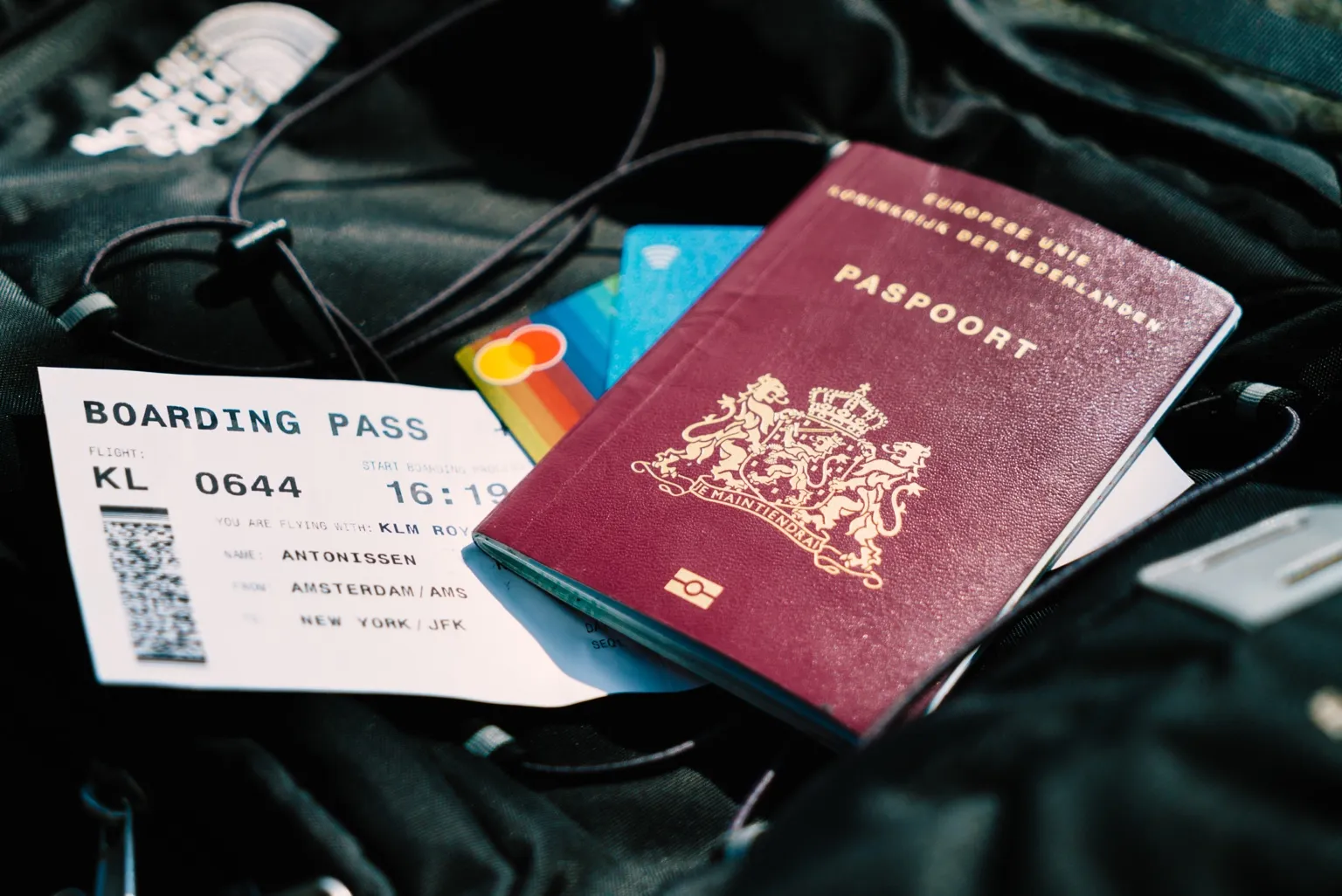
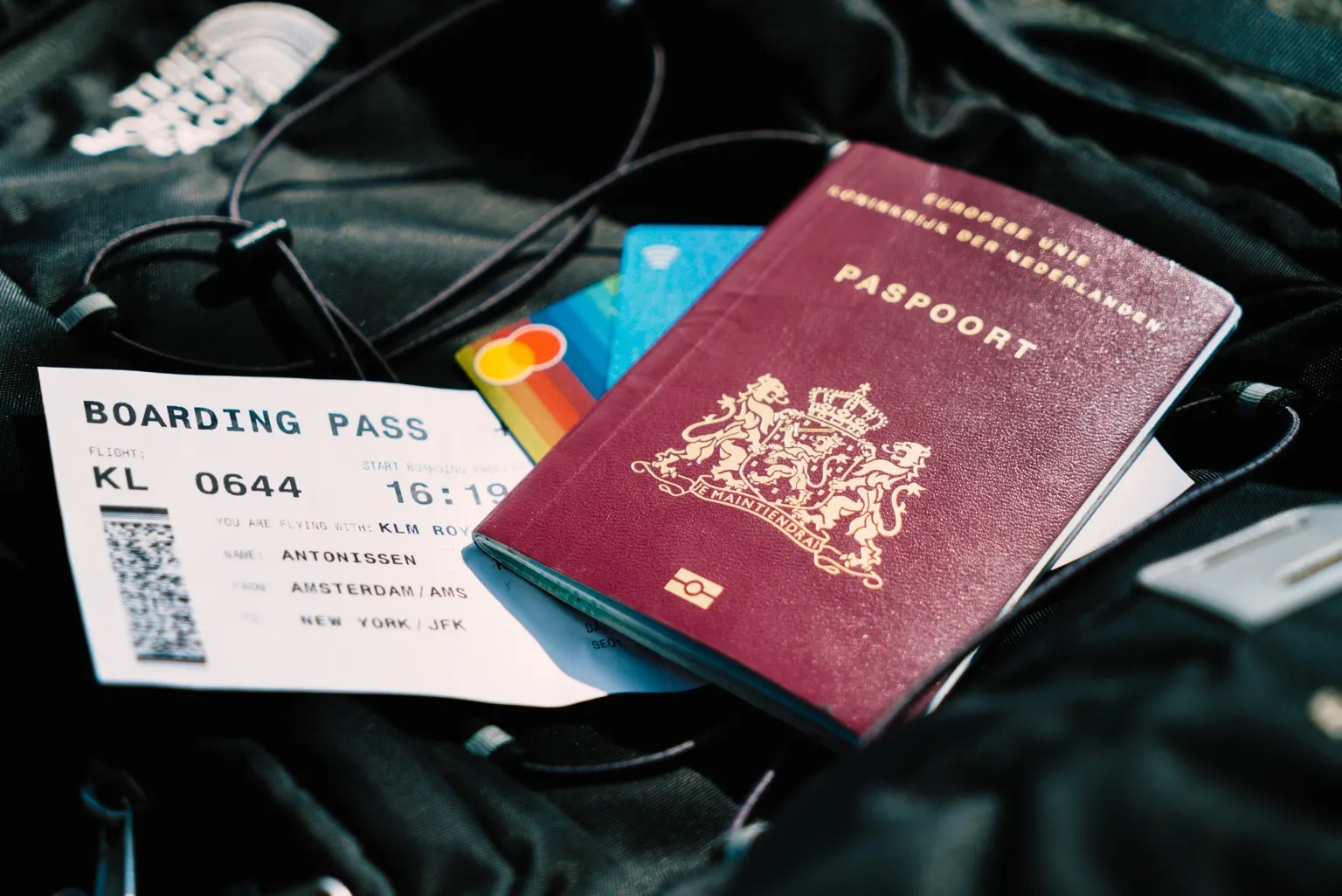
Flight evidence belongs to a different category of document altogether. A reservation shows planned route and dates. An issued ticket shows that a fare has been paid. A boarding pass shows permission to board a specific flight on one day. None of them proves visa approval or that landing will be allowed.
When a mission asks for flight evidence at filing, the request is usually about the plan, not the payment. Jeddah says in plain words that it does not request paid flight tickets and accepts no responsibility if a purchased flight becomes unusable because of delay or denial of the visa.
That statement is specific to one mission, but it shows how a mission thinks about the question. Our own view is that Daniel should buy a fare only after the visa is in his passport, because every earlier date in the chain can still move.
Border rules on onward travel and airline holds are separate topics, and we leave them to their own guides.
How the Three Stages Stack Up on a Calendar
Reading the table left to right gives the order of events. The COE comes first and carries a three-month clock. The visa comes second, after the COE is in hand, and carries its own clock. The flight comes last and must land inside both.
That is the whole reason the sequence matters. A flight booked before the COE or the visa exists can be wrong in ways that cost money, and only the later stages can show whether it is. The next discussion puts numbers on those clocks.
How Long Does Each Stage Take, and Which Expiry Date Binds?
Two clocks run during a student application, and they start on different days. The COE clock starts when the Immigration Services Agency issues the certificate. The visa clock starts when the mission issues the visa. A flight must fit inside whichever clock stops first.
The COE Stage
The Immigration Services Agency's page on applying for a Certificate of Eligibility gives a standard processing period of one to three months. It also tells applicants to file early enough that the certificate arrives before entry. The Embassy of Japan in Sweden's COE page gives the same one-to-three-month range and urges sponsors to apply well ahead.
The range is wide on purpose. A school with a complete, consistent file for one student may be at the short end, and a file that draws questions from the bureau can sit at the long end or beyond. Neither the agency nor the missions promise a date.
A COE then carries a validity period. The Embassy of Japan in Sweden says it is valid for three months. The Consulate-General in Sydney says it ceases to be valid if the landing application is not filed within three months of the issue date.
Count from the issue date printed on the certificate, not from the day it reached your inbox.
The validity can differ in special cases. The Immigration Services Agency posted a notice extending certain work-related COEs for Myanmar nationals from three months to six, because overseas worker identity cards are delayed there. It does not apply to students, but it shows why the validity on your own COE is the number to trust.
The Visa Stage
The ministry's FAQ gives the standard examination period as five working days, counted from the day after the application is accepted, when nothing about the file raises questions. It adds two cautions. Peaks in applications can make it slower, and extra checks can stretch it from a couple of weeks to several months.
The Consulate-General of Japan in Mumbai says on its Visa page, updated April 29, 2026, that processing times can vary significantly because of application volume. It says the process cannot be expedited or prioritized to fit an applicant's schedule, and that the consulate does not take enquiries about application status or documentation.
Other missions publish their own numbers. Jeddah asks for applications four weeks before departure and quotes five to seven working days. Sweden asks for filing at least two weeks before departure and says the passport must be collected in person.
Auckland says student visas take at least three working days and offers no urgent service. These are not conflicting rules. They are each mission's estimate of its own queue.
The Filing Window
Japan visa offices commonly accept applications within a specified pre-travel window, but the filing window and current process must be confirmed with the office that has jurisdiction. For Daniel, the Consulate-General of Japan in Mumbai directs ordinary visa submissions to VFS Global; the school and consulate timetable should be checked before choosing a fare.
For Daniel, that creates a short window at the front of the visa stage. If his plan is to land on April 1, 2027, the earliest the Indian embassy will take his file is around the start of January. That fits easily with a COE issued in mid-January.
The window matters more when a COE comes late. A student whose certificate arrives in March may have little room between filing and departure.
The Visa's Own Clock
The ministry's FAQ says a single-entry visa is basically valid for three months from issuance, and that applicants who postpone longer must apply again. Sydney's page repeats the three months. This is why a long wait between visa and travel is risky: the document can lapse before the plane leaves.
The period of stay granted at landing is a different matter. That is the term of up to 4 years and 3 months that the Minister of Justice sets, and it has nothing to do with how long the visa label stays usable before travel.
Which Expiry Date Binds
For most students, the COE binds first, because it is issued before the visa. Take the earlier of the two end dates and treat it as the last day you may land.
|
Case |
COE issued |
Visa issued |
COE ends |
Visa ends |
Last safe landing |
|---|---|---|---|---|---|
|
Typical |
Jan 15, 2027 |
Feb 12, 2027 |
Apr 15, 2027 |
May 12, 2027 |
Apr 15, 2027 |
|
Late COE |
Feb 26, 2027 |
Mar 12, 2027 |
May 26, 2027 |
Jun 12, 2027 |
May 26, 2027 |
|
Late visa |
Jan 15, 2027 |
Mar 30, 2027 |
Apr 15, 2027 |
Jun 30, 2027 |
Apr 15, 2027 |
The last row is the dangerous one. The visa looks valid until late June, but the COE still ends on April 15. A student who reads only the visa dates could plan to arrive in May and be turned back.
All dates here belong to our fictional applicant, and the three-month arithmetic is our reading of the mission's statements. Confirm the exact end date with the school or the mission before booking.
Working Backward From the Landing Date
A calendar built forward from admission hides risk, because the bureau's range is wide. Work backward from the landing date instead.
Daniel wants to land on April 1. He would like the visa in hand by about March 15, a two-week cushion over the ministry's five-working-day minimum for a clean file. That means filing by early March at the latest, and a COE in his hands by late February.
Now test the school's filing date. A filing on November 30 reaches the far end of the agency's one-to-three-month range on February 28. In the worst case, the COE arrives just as the visa window is closing. The plan still holds, but with almost no slack.
The cushion is our judgment, not a rule from any source. It does give a student two good questions for the school: can the filing go in earlier, and what happens to the intake if the COE is late?
After Landing
Daniel's clocks do not stop at the airport. The Immigration Services Agency's residence card guidance says Narita, Haneda, Chubu, Kansai, New Chitose, Hiroshima, and Fukuoka issue the card at landing. Elsewhere, the card is mailed after the address is registered.
The same guidance says to register an address within 14 days after it is determined, bringing the card or the passport, depending on the port. That is a fixed deadline on the far side of the flight, and it is part of the plan.
When Should You Decide, Apply, Book, and Travel?
The stages below run in the order that the ministry's student page, the missions, and the schools we read all describe: acceptance, COE, visa, flight. What differs is how much each source says about the flight. Our judgment fills that gap, and we label it as ours.
|
Stage |
What you hold afterward |
Paid fare yet? |
|---|---|---|
|
School acceptance |
Admission letter |
No |
|
COE filed by school |
Application number |
No |
|
COE issued |
Electronic or paper COE |
No |
|
Visa filed |
Receipt from the visa center |
No |
|
Visa issued |
Visa in the passport |
Yes, if dates are settled |
|
Departure |
Boarding pass |
Already bought |
|
Landing |
Landing permission and residence card |
Not applicable |
The Decision Stage: Choosing a School and an Intake
The first step is gaining acceptance into a recognized Japanese institution, and Japanese institutions often provide support for the visa process that follows. At this stage, the only dates that matter are the intake date and the school's deadline for COE documents.
Do not fix a flight here, even in your head. The school's COE filing date, not your travel preference, sets the earliest day you can hold a certificate.
Acceptance: Which Written Instructions to Ask For
Ask the school for three things in writing: its COE document list, the date it expects to file, and the arrival window it requires for the intake. Those three answers frame everything downstream. A school that expects students on March 30 for an April 6 course start leaves very different room than one that expects them on April 4.
Also ask about housing. If the school provides a dormitory, the check-in date and time become part of your arrival plan. If you arrange your own accommodation plan, the first night's booking should be consistent with your landing date.
COE Filing: What the School Does and What You Do
The COE application is filed in Japan by the school acting as proxy. You supply documents on the school's schedule and answer questions quickly. The Immigration Services Agency says the standard period is one to three months, so a November filing realistically means a certificate between December and February.
During this stage, nothing you can do speeds up the bureau. What you can control is whether the school's file is complete and consistent, because a gap there can slow everything after.
COE Receipt: What to Check Before You Rely on It
When the COE arrives by email or post, read it line by line against your passport. Check the name spelling, date of birth, school name, and any stated period. Report an error to the school before the visa application, not after, because the mission examines the COE together with your passport.
Write down the issue date and add three months. That date is your first hard deadline, and the sentence "land before it" becomes the planning rule for everything that follows.
Visa Filing at the Mission
Visa submission for Daniel runs through VFS, within the three-month travel window the Consulate-General of Japan in Mumbai describes. Take the original COE or printed e-COE, the passport, the signed form, the photo, and any financial or school documents the VFS list asks for.
If the mission asks for flight evidence, give it a reservation or itinerary that matches the COE window. Do not pay for a fare to make the file look complete.
The ministry's FAQ is blunt that the mission cannot decide until its examination is finished, and that applications are handled in the order received. Applying early is the only lever.
The Waiting Period Between Filing and Issuance
Between filing and issuance, the visa decision is out of your hands, and so is the arrival date. A paid fare bought now would be a non-refundable ticket tied to a date the mission has not yet confirmed is possible.
Sweden's student page goes further and recommends not booking tickets before applying, because the COE can be delayed. Jeddah says it does not request paid tickets and accepts no responsibility for a flight made unusable by delay or denial.
Buying the Fare After Issuance
Once the visa is issued, check the label for your name, the dates, and the status. Then compare the visa's validity with the COE's end date, and pick a landing day inside both with a margin for delay.
Now the final ticket makes sense, and flight timing becomes the last variable to settle. Choose a departure date that places arrival before any school deadline, with an arrival time that leaves daylight and train options for reaching the dormitory or the first night's accommodation.
Fares bought at this point carry far less risk, because the two documents that could invalidate the date are already settled.
Departure and Landing
Carry the passport, visa, COE, and school papers in the cabin. At the Japanese port, the inspector examines them together, and the residence card follows as described earlier.
The 14-day address registration clock then begins. Put the deadline in your calendar before you leave, because the first week in Japan is busy, and a missed notification becomes a problem of its own.
Do Missions Ask for Flight Evidence, and What Should It Show?
Sometimes, and not in the same words. That is the honest summary of the sources we read, and it matters more than any generic rule about itineraries. The relevant embassy's own checklist is the only one that binds Daniel.
|
Source |
What it says about flights |
|---|---|
|
Consulate-General of Japan in Mumbai, Visa page |
No flight document named |
|
VFS Japan India list, long-term visa with a COE |
No flight document named; extra documents or an interview may be requested |
|
Consulate-General of Japan in Jeddah, COE page |
Flight reservation listed for student and work visas; paid tickets not requested |
|
Embassy of Japan in Sweden, student page |
Travel itinerary can be requested for some applicants, with flight number and dates; advises not to book before applying |
|
Consulate-General of Japan in Sydney, student page |
No flight document named |
|
Consulate-General of Japan in Auckland, student page |
No flight document named |
What the India Sources Do and Do Not Say
On the sources we found, a student applying through VFS in India is not asked for flight evidence at filing.
Whether Japan requires a booking in general is the wrong question. The right one is what your mission asks. The Consulate-General of Japan in Mumbai's Visa page is silent on it. The VFS list for long-term visas with a COE, which also names the extra items for language school students, is silent too.
Silence is not a ban. The same VFS list says the embassy may ask for an interview or further information depending on personal circumstances, and the ministry's FAQ says more documents are sometimes requested once a case is under examination.
Our advice is to prepare for the request without buying for it. Know which dates you would put on a reservation, and hold them in a note until someone asks.
If a Mission Asks, What Should the Document Show?
A flight itinerary should show the planned route and dates. That is its whole job at the visa stage. It should carry your passport name exactly as printed, a booking reference where one exists, and the planned flight dates.
Sweden's form guidance shows what a mission can want: where and when you intend to enter Japan, with the flight number and dates. That is a statement of intent about the entry date, not a receipt.
Keep the route logic simple: Mumbai to a Tokyo-area airport, one set of travel dates, no side trips. A clean itinerary gives the mission nothing to query.
The passenger name line deserves a second look. A single dropped middle name creates a mismatch between the itinerary, the COE, and the passport, and the mission examines the COE alongside the passport.
Dates Must Match the Rest of the File
Flight dates should match the travel itinerary and the narrative in the application. For a student, the narrative is simple, and so are the tests.
-
The arrival date falls after the COE issue date and well before the COE end date.
-
The arrival time is realistic for reaching the school or dormitory within the school's check-in hours.
-
The departure date from India sits before the arrival date, with the time zone difference in mind.
-
Accommodation dates begin on the arrival date, whether the school or you arranged the room.
A reservation that lands on April 9 while the school's orientation is April 5 does not fit the file, however clean the PDF looks. The mismatch is the problem, not the document type.
One-Way or Return?
None of the student sources we read ask for a return leg. A return flight itinerary is a habit of short-stay and tourist visa applications, where the officer needs to see that the visitor will leave Japan.
A student's stay is justified by the COE and the school, and the term is set by the Minister of Justice, up to 4 years and 3 months. The exit plan is the end of the course, not a flight.
If your mission's wording does ask for a round trip, follow it. Otherwise, a one-way route into the city nearest your school fits the trip logic of a long stay.
Reservation, Issued Ticket, and Boarding Pass
These three documents are not interchangeable. A reservation records planned travel. An issued ticket records a purchased fare. A boarding pass records permission to board a specific flight on a specific day.
A reservation can show a travel plan to a mission for visa purposes without buying a fare. It is a temporary reservation, not a ticket, and it should never be described as one in a cover letter or on a form.
Ticket purchase is not required for the visa application at the missions that comment on it. Jeddah's page says so directly, and Sweden's advice points the same way. Both are single missions. Neither speaks for all of them.
Paid Versus Reservation-Style Proof for Long-Term Visas
The broader question of when a paid fare helps a long-term file is covered in our guide on flight reservation for visa guide. We keep this guide to the Japan student sequence. The short version for Daniel is that the COE and the visa carry the case, and the fare comes last.
If a mission does ask for flight evidence and you want a reservation rather than a fare, BookForVisa.com offers one, not an issued ticket: a verifiable PNR delivered as an instant PDF download, with unlimited changes, at $15.
Whether a mission accepts a document is the mission's decision, and nothing here promises otherwise. If the mission does not ask for flight evidence, you do not need one.
What Does a Document-to-Date Worksheet Look Like for April 2027?
The worksheet below is original and fictional. Daniel Foster does not exist, and every date is an invented planning assumption, not a prediction of how any office will behave. What is real is the source named beside each field, so you can swap in your own values and still know where each rule comes from.
|
Field |
Fictional entry |
Must agree with |
Primary source named |
|---|---|---|---|
|
Applicant name |
Daniel Foster |
Passport, COE, form, and any reservation |
Ministry of Foreign Affairs, Student page |
|
Visa category |
Student |
COE and form |
Ministry of Foreign Affairs, Work or Long-term stay page |
|
Mission and channel |
Consulate-General of Japan in Mumbai, through VFS |
Country of residence |
Consulate-General of Japan in Mumbai, Visa page; Ministry of Foreign Affairs, FAQ |
|
School admission |
Nov 9, 2026 |
School's COE document list |
Consulate-General of Japan in Jeddah (acceptance letter); VFS Japan India list |
|
COE filed by school |
Nov 30, 2026 |
School's filing schedule |
Immigration Services Agency, COE application page |
|
Expected COE window |
Dec 30, 2026 to Feb 28, 2027 |
Nothing; the bureau decides |
Immigration Services Agency, COE application page |
|
COE issued |
Jan 15, 2027 |
Date printed on the COE |
Embassy of Japan in Sweden, COE page |
|
COE last landing day |
Apr 15, 2027 |
Landing date |
Embassy of Japan in Sweden, COE page; Consulate-General in Sydney |
|
VFS filing |
Feb 1, 2027 |
Not before about Jan 1 |
Consulate-General of Japan in Mumbai, Visa page |
|
Earliest decision |
Feb 8, 2027 |
Five working days, no holidays assumed |
Ministry of Foreign Affairs, FAQ |
|
Visa issued |
Feb 12, 2027 |
Planning assumption only |
Ministry of Foreign Affairs, FAQ |
|
Visa last entry day |
May 12, 2027 |
COE end date |
Ministry of Foreign Affairs, FAQ; Consulate-General in Sydney |
|
Binding date |
Apr 15, 2027 |
Earlier of the two end dates |
Derived from the two rows above |
|
Flight evidence at filing |
None requested on India sources |
Mission wording on filing day |
Consulate-General of Japan in Mumbai, Visa page; VFS Japan India list |
|
Fare purchase |
Feb 15, 2027 |
Visa label checked first |
Embassy of Japan in Sweden, student page; Consulate-General in Jeddah |
|
Departure and arrival |
Mar 31 night to Apr 1 morning, Narita |
Binding date; school's arrival window |
Immigration Services Agency, residence card guidance |
|
Residence card |
Issued at landing |
Port of entry |
Immigration Services Agency, residence card guidance |
|
Address registration |
By Apr 15, 2027 |
Day the address is fixed |
Immigration Services Agency, residence card guidance |
|
Course start |
Apr 6, 2027 |
School's calendar |
School document, not a government source |
How to Read the Binding Date Row
The binding date is the line a flight is judged against. In this worksheet, the COE issued on January 15 runs out on April 15, and the visa issued on February 12 runs out on May 12. The earlier of the two is April 15, so every other row has to sit before it.
Daniel's planned landing on April 1 leaves 14 days of margin. That sounds like plenty, but the margin protects against a late connection, a cancelled flight, or a rebooking, and it should not be spent on convenience.
If the margin were two days, we would move the flight earlier, not later. A COE that lapses cannot be revived, and a fresh certificate takes the bureau's own processing time again.
Why the Fare Row Sits After the Visa Row
The fare purchase on February 15 is three days after the visa is issued. Those three days are for checking the visa label against the passport and the COE, and for pricing flights that actually land before the binding date.
The ordering mirrors what the missions say. Sweden recommends not booking tickets before applying, and Jeddah says it does not request paid tickets. Our worksheet takes the stronger position, because it costs nothing to wait and money to be wrong.
What the Flight Evidence Row Records
For Daniel, the worksheet says the India sources request no flight evidence at filing. That entry is a prediction about one mission's behavior, so it carries a condition: confirm the wording on filing day.
If the counter does ask, Daniel would show a reservation for March 31 to April 1, with his name as printed in the passport. He would not buy the fare to answer the request. The reservation needs only the route and dates, and it must match every other row of the worksheet.
Landing and the Deadlines After It
The last four rows run past the flight. The residence card is issued at landing at Narita, which the Immigration Services Agency lists among seven airports. The address registration deadline of April 15 is 14 days after landing, assuming the address is fixed on arrival.
Daniel's course start of April 6 comes from the school, so it carries no government source. It still belongs on the sheet, because it is the date the whole plan serves.
Using the Sheet With Real Documents
Copy the table into a spreadsheet and replace each fictional entry with the value printed on your own document. Do it in order from the COE downward, because each later row depends on an earlier one.
Then check three things. The binding date should be the earlier of your two real end dates. Your flight dates should sit before it with a margin you can defend. And every name field should read the same, letter for letter, as your passport.
Add a column for the person responsible for each row: you, the school, the mission, or the airline. When a date slips, that column shows who to call. It also shows when the answer is to wait, because the Consulate-General of Japan in Mumbai says it does not take enquiries about application status.
What Goes Wrong When Dates Slip, and How Do You Fix It?
Every failure in this sequence comes from one of two causes: a date moved, or two documents stopped agreeing. The fixes differ, but the first move is the same. Stop spending money on travel until you know which of the two you are facing.
The COE Arrives Later Than Planned
A certificate that reaches Daniel on February 26 instead of January 15 pushes the visa filing to March and the COE end date to May 26. Landing on April 1 now depends on a visa decision in a few weeks, and the embassy cannot be hurried.
The first call goes to the school, not the embassy. Ask whether a later arrival date is acceptable for the intake, and get the answer in writing. Hold the fare until the visa exists.
The ministry's Student page does allow a visa application without a COE, but it warns of a large volume of verification documents and a wait of several months. That is a last resort, not a shortcut.
The COE Lapses Before Landing
The Embassy of Japan in Sweden is explicit about what follows. If the applicant has not applied for the visa and entered Japan before the certificate expires, a new certificate must be obtained. If the certificate is invalid at entry, the visa is invalid too, and entry is refused.
The fix is a fresh application by the school, with the bureau's full processing time again. This is why the binding date row on the worksheet matters more than any other, and why a margin of days is worth more than a cheaper fare.
The Visa Takes Longer Than Five Working Days
The ministry's FAQ describes five working days as the standard period for a clean file, and says additional confirmation can stretch it from a couple of weeks to several months. The Consulate-General of Japan in Mumbai adds that its processing times can vary significantly and cannot be expedited.
There is no appeal to speed here, so the fix is planning. File as early as the three-month window allows, keep the fare unbought, and tell the school if the arrival date is at risk. A visa delay is much cheaper when no ticket depends on it.
If a non-refundable ticket has already been bought, contact the airline before the departure date to ask what a change or credit would cost. Jeddah's page states that the mission is not responsible for a flight made unusable by delay or denial, so the loss stays with the traveler.
The Visa Is Refused Despite a COE
The ministry's FAQ says the mission does not give reasons for refusal, and that a COE does not guarantee a visa. It also says an application for the same purpose within six months of a refusal is generally not accepted, with exceptions where circumstances have changed greatly, and travel is necessary for humanitarian reasons.
Talk to the school about what to do next, and ask the mission whether re-application is possible, since it will not explain the refusal. The visa fee is due only when the visa is issued, so a refusal carries no visa fee, though the VFS service fee is a separate charge.
A refusal after a paid fare is the clearest case for waiting. A reservation costs little to abandon. A purchased ticket may cost a good deal.
Names Differ Between Documents
A middle name present on the passport but missing on the COE, or a surname split differently on a reservation, creates a mismatch the mission has to resolve. The ministry's FAQ gives a related warning at the landing stage: the person landing must be the person named on the visa.
Fix the source document, not the copy. If the COE has an error, tell the school immediately so it can raise the correction with the bureau. If a reservation has an error, create a new one with the correct name. Do not edit a PDF by hand or hope the difference passes unnoticed.
The Passport Changes Mid-Process
A visa label is placed in a specific passport. Renewing the passport after issuance can leave the visa in a document you no longer carry. The ministry's FAQ shows how firmly the two are tied: if a passport containing a visa is lost, a new application is needed for a new visa.
If your passport has less than two blank visa pages, or expires soon after your planned stay begins, renew it before filing. If it must change after issuance, ask the mission what it requires before booking anything.
The Itinerary and the Schedule Disagree
A reservation that shows an arrival date different from the one in the application narrative, or the one on the school's arrival notice, is a quiet failure. Nobody raises it until a mission has a question, and then the question arrives at a bad time.
The fix is a single source of truth. Keep the worksheet as the master, and regenerate every other document from it. When a date changes, change the worksheet first, then the reservation, then the school notice, in that order.
A Relative Traveling With You
The ministry lists Dependent as a separate status of residence for the family of certain visa holders. A spouse or child who plans to join a student follows its own documents and dates, and the same COE-first logic applies to them. This guide does not cover that category.
What Should You Check Before You Submit and Before You Fly?
Three checkpoints catch nearly every avoidable error in this sequence: the day before filing, the day before buying a fare, and the day before departure. Each one is a comparison of one document against another, not a read-through of a single page.
Before Filing at the Counter
Lay the originals on a table and compare them in pairs. The mission examines them the same way, so any mismatch you find first is one it does not have to ask about.
|
Compare |
Look for |
Fix before filing if |
|---|---|---|
|
Passport and COE |
Name spelling, order, and date of birth |
Any letter differs |
|
Passport and visa application form |
Name, signature, and personal details |
Signature does not match the passport |
|
COE and school letter |
School name, course, and intake |
Either looks different |
|
Passport and the mission's list |
Blank visa pages, validity |
Fewer than the stated pages |
|
Photo and the mission's size rule |
Size, date taken, and background |
Older than six months or wrong size |
|
Financial papers and the VFS list |
Document type, period covered |
A period or type is missing |
|
COE and calendar |
Issue date plus three months |
The date is closer than expected |
Then check the pieces that do not fit in a pair. The COE should be the original or a printed electronic copy, with one copy for the file where the mission asks, as Auckland does. The form should be signed in the ink the mission specifies, and every question should be answered.
Avoid Placeholders on the Form
If the school has not given details of a guarantor or reference in Japan, Sweden's guidance says to write the school's name, address, and telephone number. That is a good model for other fields, because vague entries invite follow-up questions. A form that says "to be advised" next to an address invites one that a school's name would have answered.
Keep a full copy of everything. The VFS India list says documents submitted are not returned, except the passport, and Auckland says only the passport and COE come back.
Fee, Day, and Format
Confirm the fee for your nationality on the Consulate-General of Japan in Mumbai's Visa page on the day you file. The listed amounts change as of July 1, 2026, and VFS adds its own service fee. Bring what the counter accepts, since the ministry's FAQ says fees are in principle paid in cash in local currency.
Check the current VFS process for the centre where you will submit. The Consulate-General of Japan in Mumbai now routes ordinary visa applications through VFS Global; do not assume another Japanese mission’s appointment rule applies in Mumbai.
Before Buying the Fare
When the visa is issued, check it against the passport, COE and school calendar before buying a final fare.
-
The name on the visa matches the passport letter for letter.
-
The status reads Student, and any stated dates match your expectations.
-
The visa end date and the COE end date are both written on your worksheet.
-
The earlier of the two end dates is marked as the binding date.
-
The school's arrival window and check-in hours are confirmed in writing.
-
The route lands in Japan before the binding date with a margin you can defend.
Only then choose the final ticket. Read the fare rules for change and cancellation, because a student's date can still move if a school deadline shifts. Pick an arrival time that leaves room for the train or transfer to the first night's accommodation.
Before Departure
Pack the passport, visa, COE, and school papers in the cabin bag. Print the electronic COE as well, so the document does not depend on a charged phone.
Download the school's arrival instructions, the first night's address, and the first week's daily schedule if the school sends one, before you board, so you are not relying on airport wi fi. Keep the school's contact number in an offline note.
Know which airport you land at, because that decides whether the residence card arrives at the counter or by post. The 14-day registration deadline starts once your address is fixed.
A Final Check Against the Mission's Own List
This guide is a map, not a replacement for the official checklist of the mission that takes your file. Before filing, open the mission's current page and compare it with your pile, item by item. Where your mission's list differs from anything above, its list wins.
If something is missing, ask the mission or VFS before filing, not after. The Consulate-General of Japan in Mumbai directs enquiries to the Japan visa information hotline and the VFS call centre on its Visa page, and it says it does not take status enquiries once a case is under way.
Last, check your plan against the reasons a plan fails in this sequence. Is any fare bought before a visa exists? Does any date fall after the binding date? Do any two names differ? Is anything held only on a phone? If all four answers are no, you are ready to file.
Plan the COE First, the Flight Last
For a Japan student visa from Mumbai, the practical sequence is school acceptance and COE, then a visa application through VFS under the Consulate-General of Japan in Mumbai, then the final fare. Compare the actual expiry dates printed on your own documents; the earlier binding date controls the arrival plan.
If your mission asks for a reservation or itinerary, provide a genuine document matching your dates. If it explicitly requires a paid ticket, a temporary reservation is not a substitute.
A temporary document is sometimes called a “dummy ticket,” but its label does not make it a paid ticket. For that terminology distinction, see what a dummy ticket means; describe the document truthfully in your visa file.
Need a flight plan only when your checklist asks for one? After the school, COE and visa dates are settled, prepare a reservation showing the real passenger name, route and planned arrival. Do not use it in place of a paid ticket if the mission explicitly requires payment.
Prepare a visa flight reservationQuick Answers on COE and Fare Timing
Can You Book a Flight Before the COE Arrives?
Nothing we read requires it, and Sweden's student page recommends against booking tickets before applying for the visa because the COE can be delayed. Our rule is stricter: no paid fare until the visa is in your passport. If a mission asks for flight evidence earlier, show a reservation.
Does a Student Filing Need a Flight Booking?
It depends on the mission. The India sources we found name no flight document. Jeddah lists a flight reservation and says it does not request paid tickets. Sweden says some applicants may be asked for a travel itinerary with flight number and dates. Read your own mission's current list.
Who Can File the COE Application for You?
The Immigration Services Agency's page lists the applicant, a staff member of the receiving organization, and certain accredited intermediaries such as registered lawyers. Where the applicant is abroad, filing happens in Japan, so the school acts as a proxy. The filing is free and cannot be sent by post.
What if You Apply for the Visa Without a COE?
The ministry's Student page says it is possible, but expect a large amount of verification documents and a wait of several months. For a student with an intake date, filing without a COE is a last resort. Ask the school about the COE timeline first.
Can a Relative Handle Your Paperwork?
Whether a family member can file for you depends on the route. The ministry's FAQ lists four routes: applying in person, using a representative with a letter of proxy, using an accredited travel agent, and applying online through eVISA where available.
It adds that some places accept only personal or agent filing. Sydney requires an original authorization letter and the representative's photo ID.
Does the COE Have to Be Returned After Landing?
Only in two cases does the Immigration Services Agency describe: a paper COE where the traveler cancels the trip, and a paper COE where only a copy was shown at landing. In those cases, the original goes back to the issuing regional bureau, with the application number and a short reason. Electronic COEs raise no such step on that page.
What Date Should a Reservation Show if You Are Asked?
Show the day you actually plan to land, chosen to sit before the binding date and inside the school's arrival window. For Daniel, that is a March 31 departure and an April 1 arrival. If the plan moves, change the worksheet first, then replace the reservation, so every document tells the same story.
Is a Reservation the Same as a Ticket?
No. A reservation records planned travel. An issued ticket records a purchased fare. Neither is a boarding pass, and neither grants entry. Label each one accurately wherever you submit it.
How Long Can You Stay on a Student Visa?
The ministry's Student page says the Minister of Justice designates the period of stay case by case, up to 4 years and 3 months. Your own period is decided for you, so read it on your landing stamp or card.
When Does the Card From Immigration Arrive, and What Comes Next?
At Narita, Haneda, Chubu, Kansai, New Chitose, Hiroshima, and Fukuoka, the card is issued at landing, according to the Immigration Services Agency's guidance. At other ports, it is mailed after you register an address. Either way, register the address at your municipal office within 14 days after it is fixed.
What if Your Mission's List Differs From This Guide?
Follow the mission's list. The ministry's Student page says documents can vary by nationality and sends applicants to their local embassy or consulate for the specifics. This guide describes the sequence and the dates, and cannot override any counter.
Friendly reminder: BookForVisa provides travel-proof documents for planning and visa-application support. Requirements vary by destination, consulate, visa category and applicant situation. A flight reservation can support a file, but it does not guarantee approval, boarding or entry.