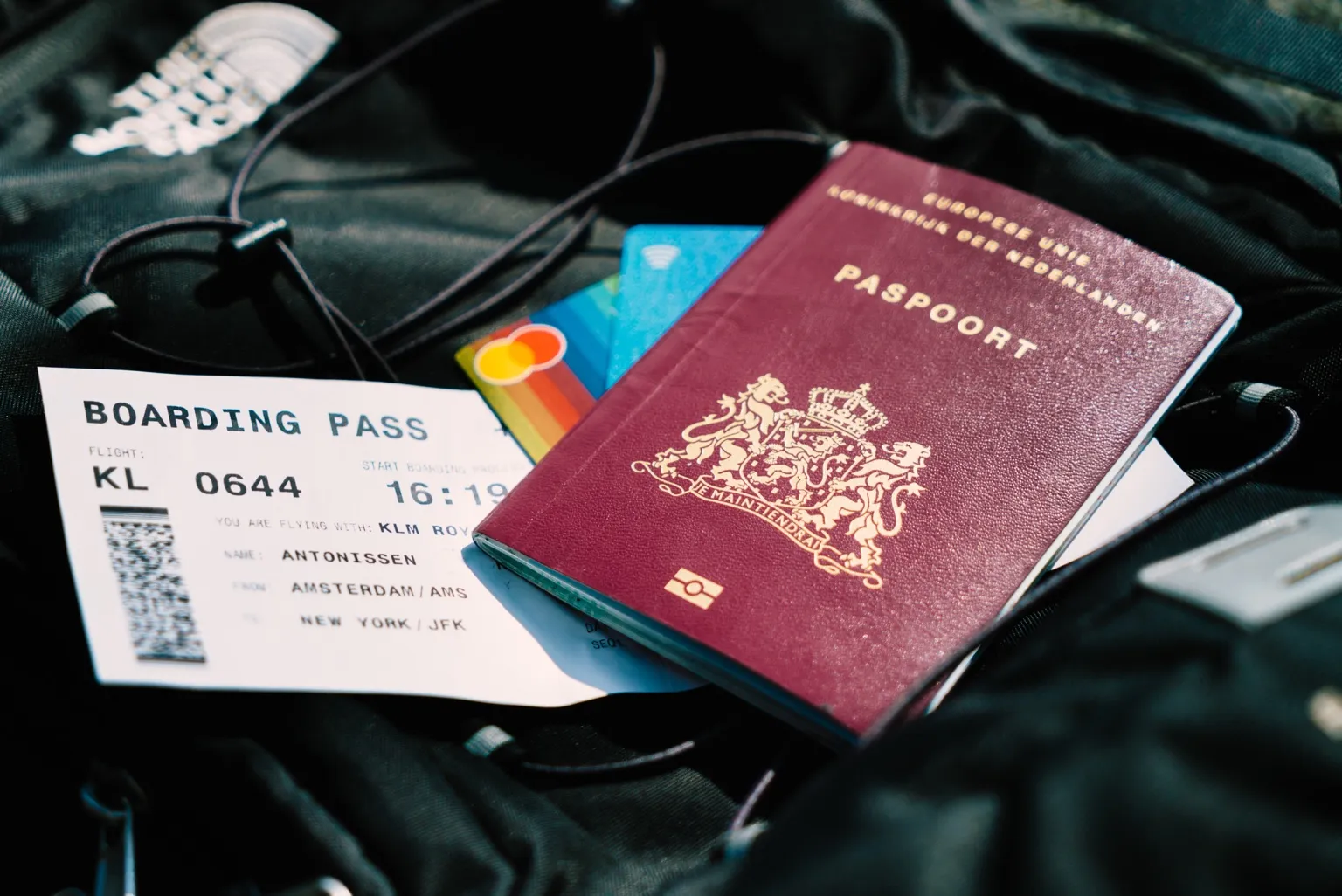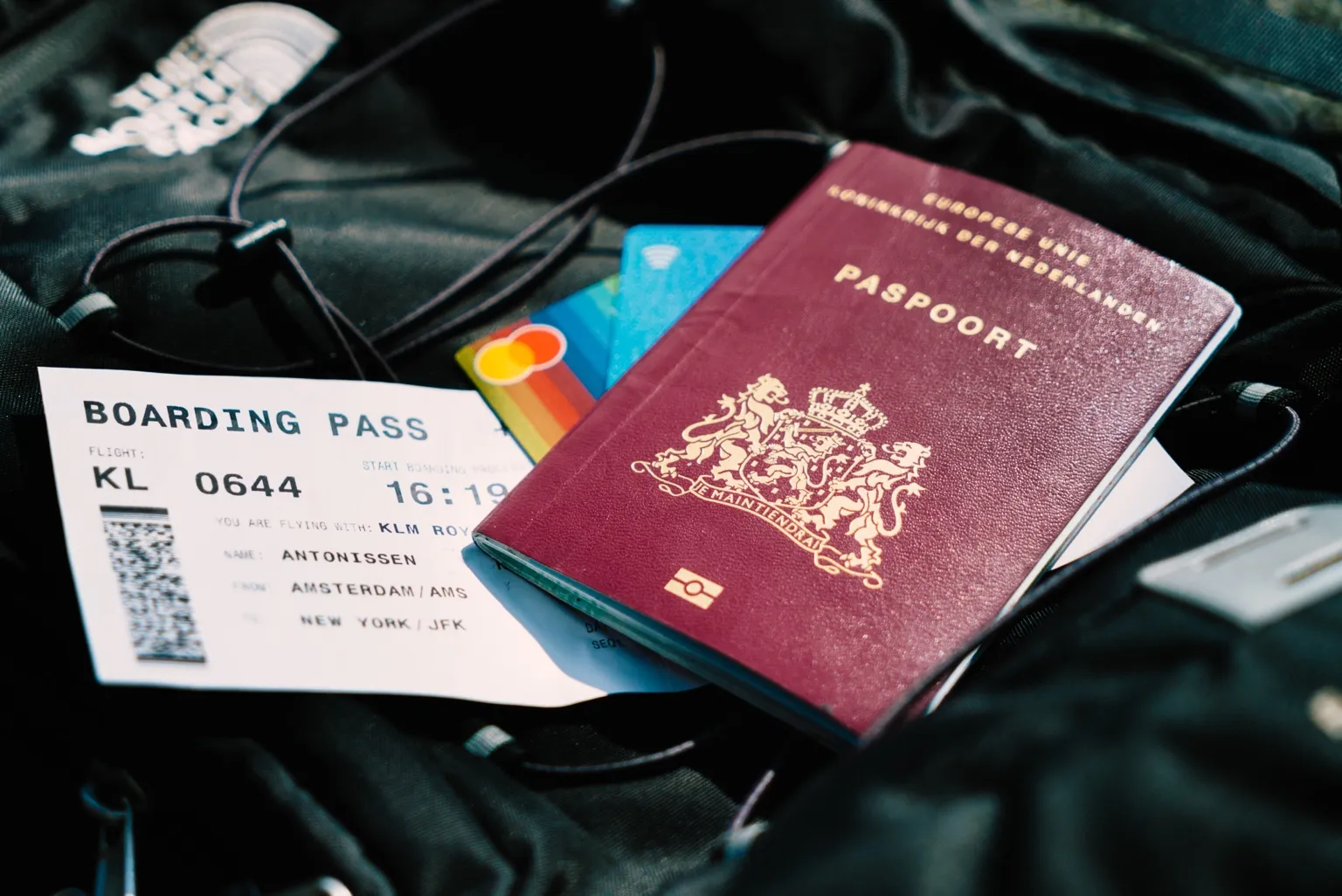
A cruise can make a visa file look more complicated than the actual trip. You may fly into one city, board a ship from a port nearby, spend several days at sea, enter more than one country, then fly home from a different port city. That is normal for cruise travel, but it can look incomplete if the visa officer only sees a flight PDF that does not explain the ship in the middle.
The purpose of this guide is simple: make your cruise route readable as one coherent application story. Your flight itinerary should not pretend the cruise is a flight leg. It should frame the air travel around the cruise, then let the cruise confirmation prove what happens between arrival and return.
- A cruise-inclusive visa file needs entry proof, exit proof and a clear explanation of the sea segment.
- Open-jaw flight reservations can be stronger than generic same-city round trips when the cruise starts and ends in different ports.
- For Schengen cruises, consulate choice depends on main destination logic, duration and first-entry fallback when no main destination is clear.
- Flight dates must match cruise embarkation and disembarkation dates with realistic buffer time.
- The cruise confirmation, flight itinerary, accommodation proof, insurance and cover note should all tell the same route story.
Create Your Flight Itinerary for Visa
- Official-source check
- Why cruise itineraries confuse flight-only review
- Map the three travel segments
- Build open-jaw flight proof
- Choose the right consulate
- Bundle flight, cruise and note
- Protect the itinerary with buffer days
- Family and group cruise files
- Handle cruise changes
- Cruise-specific red flags
- FAQ
Why Cruise Itineraries Confuse Flight-Only Review
A cruise itinerary does not behave like a normal air-only trip. In a regular tourist application, the reviewer often expects a simple pattern: arrive, stay, leave. A cruise adds a middle section that may not appear in the flight proof at all. If that section is not explained, the file can look like it has a long gap between flights.
This is why a cruise file needs more than a neat PDF. It needs a transport story. The flight itinerary should show the air boundaries of the trip, while the cruise confirmation explains the sea journey between those boundaries. When those two documents are not placed together, the officer may see a traveler flying in without a visible plan for the days before flying out.
The one-way appearance problem
The most common cruise problem is accidental one-way appearance. You fly into Barcelona for a Mediterranean cruise and fly home from Rome. To a cruise traveler, this makes perfect sense. To a reviewer looking only at flight proof, it may look like the itinerary is missing the return from Barcelona or has been built from unrelated flight segments.
The fix is not always to force a same-city round trip. The fix is to make the reason for the open-jaw route obvious. If the ship embarks in Barcelona and disembarks near Rome, the flight itinerary should reflect that route and the cruise confirmation should sit next to it.
This matters because a visa file is normally reviewed through documents, not through the traveler’s memory of the trip. The officer may not know that a specific cruise line commonly starts in one country and ends in another. The document bundle has to show that pattern without asking the officer to research the cruise route independently.
A weak file says, in effect: “Here is a flight into Spain and a flight out of Italy; please infer the cruise in between.” A strong file says: “Here is the flight into the embarkation region, here is the cruise confirmation covering the sea segment, and here is the flight out from the disembarkation region.” Same trip, very different review experience.
The gap between inbound and return flights
A cruise also creates a timing gap that a flight-only document cannot explain by itself. If the itinerary shows arrival on April 3 and departure on April 14, but the hotel proof only covers April 3 to April 4, the file looks incomplete unless the cruise confirmation covers April 4 to April 13.
This is not a small cosmetic issue. A visa reviewer may not assume the missing nights are covered by the ship. The applicant needs to show it. The ship’s name, itinerary dates, embarkation port, disembarkation port and passenger names should close the gap between the flights.
For example, a traveler flying from Mumbai to Barcelona on 3 April, boarding a cruise on 4 April, disembarking near Rome on 13 April and flying home on 14 April has a very logical route. But if the officer only sees the two flight dates and one Barcelona hotel night, the middle of the trip appears empty. The cruise confirmation is what turns that empty space into documented travel.
The best way to avoid this weakness is to check the file as if you were seeing it for the first time. If the cruise confirmation were removed, would the flight itinerary look incomplete? If yes, the cruise confirmation must sit close enough to the flight itinerary that the officer does not miss the relationship.
What officers may assume when the ship is not visible
When the cruise segment is not visible, the officer may assume the applicant has not planned accommodation, has not explained movement between cities, or is using a route that does not match the declared purpose. None of those assumptions may be true, but the file invites them when the cruise documents are separated from the flight proof.
A clean cruise file does not ask the officer to reconstruct the journey. It shows the journey in order: flight into the port region, cruise confirmation for the sea segment, flight out of the final port region, plus a short note if the entry and exit cities differ.

Map the Three Travel Segments Before Booking Anything
Before preparing a flight reservation for visa, divide the trip into three parts. Cruise applications become clearer when the flight proof is not treated as the whole itinerary, but as the air portion of a larger route.
| Segment | What it proves | Common mistake |
|---|---|---|
| Positioning flight | You can reach the embarkation region before boarding. | Landing after boarding time or in a city that does not connect naturally to the port. |
| Cruise segment | Your accommodation and movement during sea days are accounted for. | Trying to make the flight itinerary explain the ship route by itself. |
| Return or onward flight | You leave after disembarkation within the planned visa window. | Departing before the ship docks or from a city not explained by the cruise route. |
Segment one: the positioning flight
The first segment is the flight that positions you for the cruise. This flight should land in the correct country or nearby transport hub before the ship boards. If the port city has no major international airport, the airport-city relationship needs to be sensible. Flying into Milan for a Venice cruise can make sense if the travel plan explains the transfer. Flying into a distant airport because the fare looked cheaper can weaken the file if the route is not explained.
The arrival date matters just as much as the airport. A cruise passenger should normally arrive before embarkation day or early enough on the same day that the transfer is believable. If the flight lands after the ship boards, the documents contradict each other. If the flight lands late at night before a morning boarding, the file may still work, but the transfer and hotel plan should be clear.
The safest planning habit is to treat the positioning flight as part of the cruise evidence, not as a separate booking made in isolation. If the cruise departs from Southampton, a London arrival may be logical because the transfer is well-known and practical. If the ship departs from a smaller port, the file should not rely on a distant airport unless the ground plan explains the movement clearly.
When applicants create flight proof before reviewing the port city, they often choose the cheapest or most familiar airport. That can work for actual travel, but it may not read cleanly in a visa file. The officer sees documents, not the fare-search logic that led to the choice.
Segment two: the cruise itself
The cruise segment is not a flight leg, and trying to force it into a flight-style document can make the file less clear. Let the cruise confirmation do its own job. It should show the ship, sailing dates, ports, booking reference, passenger names and cabin or reservation details where available.
For visa review, the cruise confirmation often acts like accommodation proof plus route proof for the nights at sea. It explains why the applicant does not have hotel bookings for every night and why the exit city may differ from the entry city.
Do not try to replace the cruise confirmation with a paragraph inside the cover letter. The cover letter helps, but it is not the evidence. The evidence is the booking confirmation showing the ship, sailing dates and traveler details. The note only helps the officer read that evidence in the correct order.
If the cruise confirmation is long, use the pages that show the essential facts. A file does not need every promotional page, deck map or excursion list. It needs the itinerary, traveler names, dates, ports and booking reference. Too much unrelated cruise paperwork can hide the details that actually matter.
For longer cruises, the confirmation may show shore excursions, onboard packages, dining times and cabin extras. Those details may matter to the traveler, but they rarely help the visa reviewer understand travel intent. Keep the proof lean: the ship, route, dates and passengers. If the file includes extra cruise pages, place the core itinerary page first so the officer does not have to search for it.
Segment three: the flight home
The return segment should depart after the ship has disembarked and should connect naturally to the final port. If the cruise ends in Civitavecchia, a Rome-area departure is logical. If the cruise ends in Athens, an Athens departure is logical. If the flight home leaves from another city, the ground transfer or extra hotel night should be visible elsewhere in the file.
The return date should also respect the visa window. A cruise ending on the last permitted day creates risk if the ship is delayed or if the traveler needs one more night before flying out. A small buffer makes the travel plan look more practical and protects the actual journey.
For some cruise routes, the disembarkation port is not the airport city. Civitavecchia to Rome, Southampton to London, Le Havre to Paris and Port Canaveral to Orlando are common examples of port-to-airport relationships that may need one extra line of explanation. The flight itinerary can still be correct, but the transfer logic should not be left invisible.
This is especially important when the cruise ends outside the country where the application is filed. The final flight may be from another Schengen country, another island, or another regional hub. That can be perfectly valid, but it needs to connect back to the cruise route.
When the return flight leaves from a nearby airport rather than the named port, the file should treat that as a practical connection, not a hidden extra destination. A return from Rome after disembarking at Civitavecchia, from London after Southampton, or from Paris after Le Havre can read cleanly if the documents show the transfer logic. The issue is not the distance alone. The issue is whether the reviewer can see why the airport belongs to the cruise route.
Build Open-Jaw Flight Proof That Matches the Cruise
Many cruise files are stronger with an open-jaw itinerary than with a generic round trip. Open-jaw simply means the traveler enters through one city and leaves from another. For cruises that start and end in different ports, that can be the realistic pattern.
Why a same-city round trip can work against you
A same-city round trip is simple, but it is not automatically better. If the cruise starts in Barcelona and ends in Rome, a Barcelona-to-Barcelona round trip may force the applicant to explain an extra return journey from Rome to Barcelona that is not otherwise part of the trip.
That creates new questions. How will the traveler get back to the first city? Is there a train, flight or hotel booking for that extra movement? Does the trip now include more days than the cruise confirmation suggests? A round trip chosen only because it looks conventional can make the route less believable.
How to specify open-jaw legs without creating doubt
The open-jaw pattern should be deliberate and easy to verify. The first flight should land near the embarkation port. The final flight should depart near the disembarkation port. The cruise confirmation should visibly bridge the two.
A strong open-jaw setup usually has these traits:
- The arrival airport sits in the same practical region as the cruise embarkation port.
- The departure airport sits in the same practical region as the cruise disembarkation port.
- The cruise confirmation explains the movement between the two cities.
- Accommodation covers any nights before boarding or after disembarkation.
- The cover note explains the open-jaw route in one or two lines.
Use a one-line note to pre-answer the route question
The note does not need to sound defensive. It only needs to connect the flight proof to the cruise. For example: “I arrive in Barcelona before boarding the cruise on 4 April and depart from Rome after disembarkation on 13 April.”
That kind of sentence removes the surprise from the open-jaw route. It tells the reviewer that the different cities are not a mistake, a fare hack or an unexplained plan. They are part of the cruise itinerary.
Choose the Right Consulate for a Multi-Country Cruise
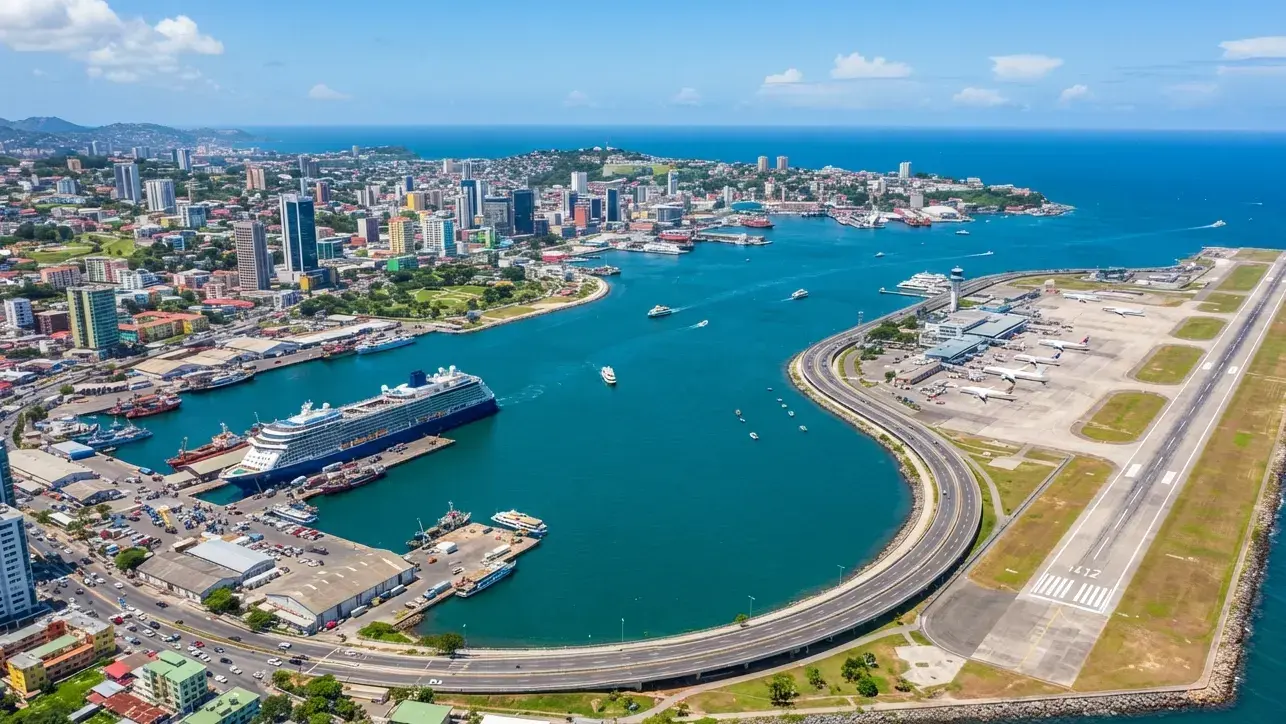
Cruise routes often touch several countries in one trip. That creates a consulate-choice issue, especially for Schengen visas. The question is not only where the ship starts. It is which country is the main destination by duration or purpose, and if that cannot be determined, where the traveler first enters the Schengen area.
Main destination is not always the first port
A cruise may begin in Spain, spend the longest time in Italy, then end in Greece. If Italy is clearly the main destination by duration or purpose, the flight itinerary and cruise documents should support that. If the file is submitted to Spain only because the flight lands there first, but the cruise schedule shows the real stay is mostly Italy, the application can look misdirected.
For Schengen files, read the port schedule before preparing flight proof. Count the nights and the practical stay pattern. A cruise ship may stop in several countries for only a few hours, so the country that looks important on a map is not always the one that controls the visa logic.
Day visits are not always equal to stays. A ship that docks in France for six hours, Italy for two full days and Greece for one day may point to Italy as the practical main destination even if France is the first Schengen port. The file should not pretend all ports carry the same weight when the official route shows otherwise.
The applicant should also separate cruise-line marketing language from visa logic. A cruise brochure may describe the trip as “Greek islands and Italy,” while the actual itinerary shows most nights tied to Italy. For visa purposes, the dates and route matter more than the headline name of the cruise.
When the longest port stop is not the entry or exit country
If the longest stay is not the entry or exit country, the documents should make that visible. The flight itinerary can still show entry through one country and exit through another, but the cover note or trip plan should explain why the chosen consulate matches the main destination.
This is where cruise files often become messy. The applicant chooses a consulate based on airport convenience, while the cruise confirmation points elsewhere. That mismatch is avoidable when the flight itinerary is prepared after the cruise route has been reviewed, not before.
If your flight lands in Spain, your ship spends most of its time in Italy, and your return flight leaves from Greece, the consulate question should be answered before any reservation is generated. Otherwise the flight itinerary may accidentally emphasize the wrong country, and the cover letter may have to work too hard to repair the impression.
Align first entry with the application logic
If no main destination can be determined, first entry can become important. In that case, the flight itinerary should make the first Schengen entry easy to see. The route should not hide the relevant entry city behind confusing connections, unrelated stopovers or unexplained transit choices.
For a deeper route framework, BookForVisa’s flight reservation for visa guide explains how first entry, main destination and return logic should work together instead of fighting each other.
If the cruise crosses countries outside Schengen too, do the same logic for the relevant visa system. The principle is still consistency: the country you apply through, the country you enter, the countries you visit and the country you leave from should not contradict the declared purpose of travel.
For non-Schengen cruises, the same route-discipline still helps. A Dubai cruise, a Southeast Asia cruise or a Caribbean cruise may involve different visa rules, but the officer still needs to understand where the applicant enters, where the ship goes, where the traveler sleeps, and how the traveler leaves. The legal framework changes by country; the clarity standard does not.
Build One Coherent Bundle Instead of Three Disconnected Bookings
A cruise visa file usually has at least three transport-related documents: flight proof, cruise confirmation and some kind of explanatory note or travel plan. The order matters. The reviewer should not have to jump between unrelated PDFs to understand the route.
Put the documents in review order
The cleanest order is usually:
- Flight itinerary showing entry and exit boundaries.
- Cruise confirmation showing the sea segment between those dates.
- Short bridging note explaining the relationship between the two.
- Hotel proof for any pre-cruise or post-cruise nights.
- Insurance and cover-letter dates matching the full period.
This order gives the officer the flight outline first, then immediately answers the question of what happens during the missing middle days. It also keeps the note short because the evidence is right beside it.
Dates must match to the day
The flight and cruise documents should be checked directly against each other before submission. Do not assume they match because they were planned around the same week. One date error can create a contradiction visible in seconds.
- Passenger name should match the passport and appear consistently across documents.
- Arrival date should fall before or on embarkation day with believable transfer time.
- Departure date should fall after or on disembarkation day with realistic airport timing.
- Airport city should connect naturally to the embarkation or disembarkation port.
- Hotel nights should cover every night not covered by the cruise confirmation.
For most cruise files, the goal is not to create a larger bundle. It is to make every document reinforce the same timeline.
Write a short note that closes the sea-day gap
A useful note has two jobs. First, it states the cruise route and dates. Second, it explains why the flight entry and exit cities may differ. It should not repeat the entire cruise schedule or sound like an argument.
Example: “My flight itinerary shows arrival in Barcelona and departure from Rome because the cruise embarks from Barcelona on 4 April and disembarks near Rome on 13 April. Hotel bookings cover the night before boarding and the night after disembarkation.”
That is enough. It closes the gap without over-explaining.
A note becomes weaker when it tries to argue too much. Avoid long explanations about why a cruise is enjoyable, why the traveler chose that route, or why the officer should accept it. The documents already prove the route. The note should simply point to the relationship between the documents.
If the cruise file includes multiple countries, add one sentence about consulate logic only when necessary. For example, if the application goes to the country with the longest stay, say that plainly. If first entry controls the case because no main destination is clear, say that plainly too. Do not bury that explanation in a long itinerary story.
- Line 1: state the cruise name, embarkation port, disembarkation port and cruise dates.
- Line 2: state that the flight itinerary is arranged to enter before embarkation and leave after disembarkation.
Protect the Itinerary with Buffer Days
Buffer days protect both the application and the real trip. Cruise travel has timing risks that normal flight-only trips do not: port clearance, luggage release, transfer time, tender delays, weather changes and cruise-line schedule adjustments.
Same-day disembarkation flights are risky
A return flight on the same afternoon the ship docks can be possible, but it is not always wise. Disembarkation happens in stages. Luggage collection, customs processing and transfer to the airport can take longer than expected. If the airport is far from the port, the route becomes even tighter.
From a visa-document perspective, a same-day return can also make the file feel thin if there is no clear transfer logic. A reviewer may not deeply analyze the port transfer, but the itinerary should still look like something a real traveler can complete.
Same-day return flights are most sensitive when the port is far from the airport, the ship docks late, the airport requires a border process, or the traveler has checked luggage. If the return flight is still same-day, choose a believable departure time and keep the transfer plan simple.
How much buffer looks realistic
A half-day to one full day is usually a practical buffer for cruise disembarkation. It gives space for port delays without turning the trip into a vague extension. If you add extra nights after the cruise, show hotel proof for those nights and make sure insurance covers them.
Too much buffer can create a different problem. If the cruise ends on April 13 and the return flight is April 18, the file now needs to explain four additional nights. That may be perfectly legitimate, but it should not be invisible.
The best buffer is proportional. One night after disembarkation often feels practical. Two or three nights can still work if the traveler has a city stay, hotel booking and insurance to match. What does not work is adding extra days only on the flight itinerary while the rest of the file still reads like the trip ends when the ship docks.
What cruise schedule disclaimers mean for flight dates
Cruise lines often reserve the right to change port calls or timing for weather, operational or port-authority reasons. That does not mean the applicant should worry. It means the flight itinerary should not be prepared so rigidly that a small cruise change breaks the entire file.
A practical approach is to prepare the flight reservation after the cruise schedule is stable and close enough to the visa appointment that the itinerary reflects the current plan. If the cruise line changes dates, update the flight proof and keep a short record of why the change was made.
This is also why buying a final, non-refundable flight too early can be unnecessary. Many embassies and visa centers ask for a reservation or itinerary, not a fully paid ticket. A reservation-style document keeps the application readable without locking the traveler into expensive changes before the visa path is clear.
The buffer should be mirrored in every document. If the traveler adds a night before boarding, the hotel proof should cover that night. If the traveler adds a night after disembarkation, the hotel proof and travel insurance should cover that too. A buffer day that appears only on the flight itinerary but nowhere else can look like an unexplained extension.
Family and Group Cruise Files Need One Reference Timeline
Group cruise applications can look strong because the purpose is clear. They can also become fragile when one traveler’s flight dates, passport name or port city differs from the rest without explanation.
One mismatch can slow the whole group
If five family members apply for the same cruise and one itinerary shows a different return date, the difference stands out. It may be innocent. A parent may return early for work, or a student may travel from another city. But if the documents present the trip as one shared family cruise, unexplained differences create unnecessary questions.
The issue is not that every traveler must have identical flights. The issue is that differences should be intentional and documented.
A group file becomes stronger when the shared facts are identical and the personal differences are obvious. Parents may travel together while an adult child returns later. One traveler may join from another country. A grandparent may need a gentler connection. These are normal differences, but they should appear as planned differences, not accidental errors.
Build every reservation from the same reference sheet
Before individual flight reservations are prepared, create one reference timeline for the group:
- Embarkation city and date.
- Disembarkation city and date.
- Pre-cruise hotel nights.
- Post-cruise hotel nights.
- Expected entry and exit airports.
- Names exactly as shown on passports.
Then prepare each traveler’s document from that reference. If one person has a different route, write the reason beside their file instead of leaving the mismatch to be discovered later.
When the cruise booking lists only one lead passenger
Cruise confirmations often show one lead traveler more prominently than other passengers. That is normal. It can still create confusion if each visa file does not clearly connect the individual applicant to the shared cruise booking.
Each traveler should have a visible link to the shared booking reference, especially when applications are reviewed separately. A short note can confirm that the applicant is traveling under the same cruise reservation as the lead passenger.
If the cruise line document uses initials, shortened names or a lead-passenger format, match every traveler’s passport name elsewhere in the file. The flight itinerary should not repeat a shortened cruise nickname if the passport shows a full legal name. Passport consistency matters more than internal cruise-line display style.
Families should also watch child-name and surname patterns. A child may have a different surname from one parent, or a passport may show a middle name that the cruise system shortened. These details are not fatal, but they should be handled consciously. If the family relationship is already supported by birth certificates or other documents, the flight itinerary should not introduce a new name variation that makes the file harder to compare.
Handle Cruise Changes Without Rebuilding the Whole Application
Cruise plans can change after flight proof has been prepared. The cabin may be reassigned. A port may be swapped. A sailing may shift by a day. These changes are not automatically damaging if the application file is updated consistently.
Why cruise changes happen
Cruise schedules depend on port access, weather, operational limits and local conditions. A ship may skip a port, change order, adjust arrival time or move passengers between cabins. Most changes do not affect the visa logic. Some do, especially when they change embarkation, disembarkation, country duration or return-flight timing.
Cabin changes usually do not affect a visa file unless the passenger list changes. Port changes can affect the file if they alter the country sequence, main destination analysis or return city. Date changes matter most because they can break the relationship between flight proof, hotel proof, insurance and appointment timing.
Update the flight proof when the route changes
If the cruise dates or ports change, update the flight itinerary before submission. Do not submit a flight reservation that still reflects the older cruise schedule while the cruise confirmation shows the new one.
This is why a flexible booking-style document can be more useful than a rigid paid ticket too early in the process. A strong visa file is the one where the current flight proof matches the current cruise proof.
Do not update only one document. If the cruise date changes, check the flight reservation, hotels, insurance, cover letter and appointment forms together. A file can still look inconsistent if the flight PDF is corrected but the cover letter keeps the old dates.
The same applies if only the disembarkation port changes. A flight itinerary that was correct for the old port may become illogical for the new port. If the ship now ends in a different city, the exit flight should be reviewed again, even if the date is unchanged.
Keep a simple change trail
If a change occurs, keep the original cruise notice, the updated cruise confirmation and the updated flight itinerary. A short note explaining the date or port change is enough. The goal is to show consistency, not hide the fact that a normal travel adjustment occurred.
An explained update is usually cleaner than an unexplained mismatch. Officers deal with changed travel plans all the time. What weakens a file is not the change itself, but documents that no longer agree with each other.
A useful change trail can be very short: original cruise confirmation, cruise-line update notice, revised cruise confirmation and updated flight itinerary. Keep them in date order. If the officer asks, the sequence tells the story without needing a long explanation.
Do not submit every version unless the checklist or officer asks for it. The active file should normally contain the current documents. The older versions are useful backup if a question arises, especially when an appointment was booked using the earlier dates or an earlier cover letter draft exists in the file history.
Cruise-Specific Red Flags to Preempt
Most cruise-related visa problems trace back to a few repeat patterns. If you prevent these before submission, the file becomes much easier to review.
“There is an unexplained gap between flights”
This happens when the flight itinerary shows a longer stay than the visible hotel proof explains, and the cruise confirmation is missing, buried or not clearly connected. The fix is to place the cruise confirmation immediately after the flight proof and include a short bridging note.
This gap can also appear when the cruise confirmation is attached but the passenger name is unclear. If the cruise booking only highlights the lead passenger, the other applicant’s file should include the page or note that connects them to the same sailing.
“The entry and exit cities do not match a normal round trip”
This happens when an open-jaw route is submitted without explaining why the cities differ. The fix is to tie the first flight to the embarkation port and the final flight to the disembarkation port.
Open-jaw does not mean weak. Unexplained open-jaw is weak. A cruise-backed open-jaw itinerary can be extremely logical when the ship itself moves the traveler from one region to another.
“The onward travel cannot be verified cleanly”
This happens when names, dates, ports, PNR details or documents contradict each other. The fix is a final side-by-side check before submission. Read the flight PDF, cruise confirmation, hotel proof, insurance and cover letter together, not one at a time.
The most common small errors are easy to miss: an arrival flight one day too late, a return flight one day too early, a hotel night missing after disembarkation, a cruise port written as the city while the airport is listed under a different nearby city, or a passport name shortened differently across documents. None of these requires a complicated fix when caught early.
Applicants sometimes focus only on whether the reservation has a PNR. A PNR helps when the document needs to be checked, but the PNR does not rescue a bad itinerary. If the dates are wrong, the ports do not match, or the route does not support the cruise, the document can still create doubt. Verification and consistency have to work together.
“Your stated purpose does not match the route”
This concern can appear when the cruise itinerary looks like tourism but the rest of the application claims a different purpose, or when the flight route looks too broad for the declared visit. A business traveler adding a short cruise after meetings, a family attending an event before a cruise, or a traveler combining a conference with a sailing can still have a valid plan. The documents just need to separate the purposes clearly.
The flight itinerary should support the full route without making the trip look more complicated than it is. If the cruise is secondary to the main purpose, make that clear. If the cruise is the main tourist purpose, make that clear too. The problem is not mixed travel. The problem is mixed travel that looks accidental.
“Your accommodation proof does not cover the full stay”
For cruise travelers, this line often means the officer did not recognize the ship as accommodation proof or could not connect the ship dates to the flight dates. Put the cruise confirmation in the same travel-proof section as hotels and flights. If the ship covers seven nights, those nights should not also need hotel proof, but the cruise document must show that clearly.
Pre-cruise and post-cruise nights are different. If you arrive one night early or stay one night after disembarkation, those nights should be covered by hotel, host or other accommodation evidence. The cruise cannot prove a hotel night before boarding or after leaving the ship.
- The flight arrival date is before cruise embarkation.
- The return flight is after cruise disembarkation.
- Entry and exit airports match the port logic.
- The cruise confirmation covers the sea segment.
- Hotels cover every night not covered by the cruise.
- Insurance covers the full trip, not only the flight days.
- The consulate choice matches main destination or first-entry logic.
- The cover note explains open-jaw routing in plain language.
BookForVisa Standard for Cruise Itinerary Files
BookForVisa prepares flight itinerary and reservation-style documents for visa application support when the route needs to be clear, dated and readable. A cruise file needs that clarity more than a simple round trip because the flight proof is only one layer of the route.
The strongest setup is prepared after the cruise dates, port cities, accommodation, insurance, appointment timing and consulate logic are already stable. That lets the flight itinerary support the application instead of forcing the application to work around a rushed reservation.
Create Your Flight Itinerary for Visa
Frequently Asked Questions
Do I need a flight itinerary if my cruise confirmation already shows the route?
Usually yes, if the visa checklist asks for flight proof, flight reservation or itinerary details. The cruise confirmation explains the sea segment, but the flight itinerary shows how you enter and leave the destination region.
Can my return flight leave from a different city than my arrival city?
Yes, when the route supports it. For cruises that start and end in different ports, an open-jaw flight itinerary can be more realistic than a same-city round trip, as long as the cruise confirmation explains the movement between cities.
Which consulate should I use for a multi-country Schengen cruise?
Use the consulate for the sole or main destination when one country is clearly dominant by duration or purpose. If no main destination can be determined, first external Schengen entry may matter. Always match the flight route, cruise schedule and application country.
Should I include a short note with my flight and cruise documents?
Yes, when the route includes an open-jaw pattern, port-city transfer, sea-day gap or multi-country cruise. Keep the note short. It should connect the flight itinerary to the cruise confirmation, not repeat the entire cruise schedule.
How much buffer should I leave after disembarkation?
A half-day to one full day is often practical, depending on port distance, airport transfer time and flight availability. If you add a hotel night after disembarkation, make sure accommodation and insurance dates cover it.
What if the cruise line changes the itinerary after I prepare flight proof?
Update the flight itinerary if the change affects travel dates, port city, entry route, exit route or consulate logic. Keep the old and new cruise documents plus a short explanation of the change.
Can a family use one cruise booking reference for multiple visa applications?
Yes, but each applicant’s file should clearly connect that person to the shared cruise booking. Individual flight itineraries should still match each traveler’s passport details and the group route.
Does a flight itinerary for visa guarantee approval?
No. A flight itinerary supports the travel-proof part of the file, but approval depends on the full application: identity, purpose, funds, ties, accommodation, insurance, immigration history and country-specific rules.
Friendly reminder: BookForVisa provides temporary travel-proof documents for planning and visa application support. Requirements vary by country, consulate, route and applicant profile, so always confirm the current official checklist for your case.