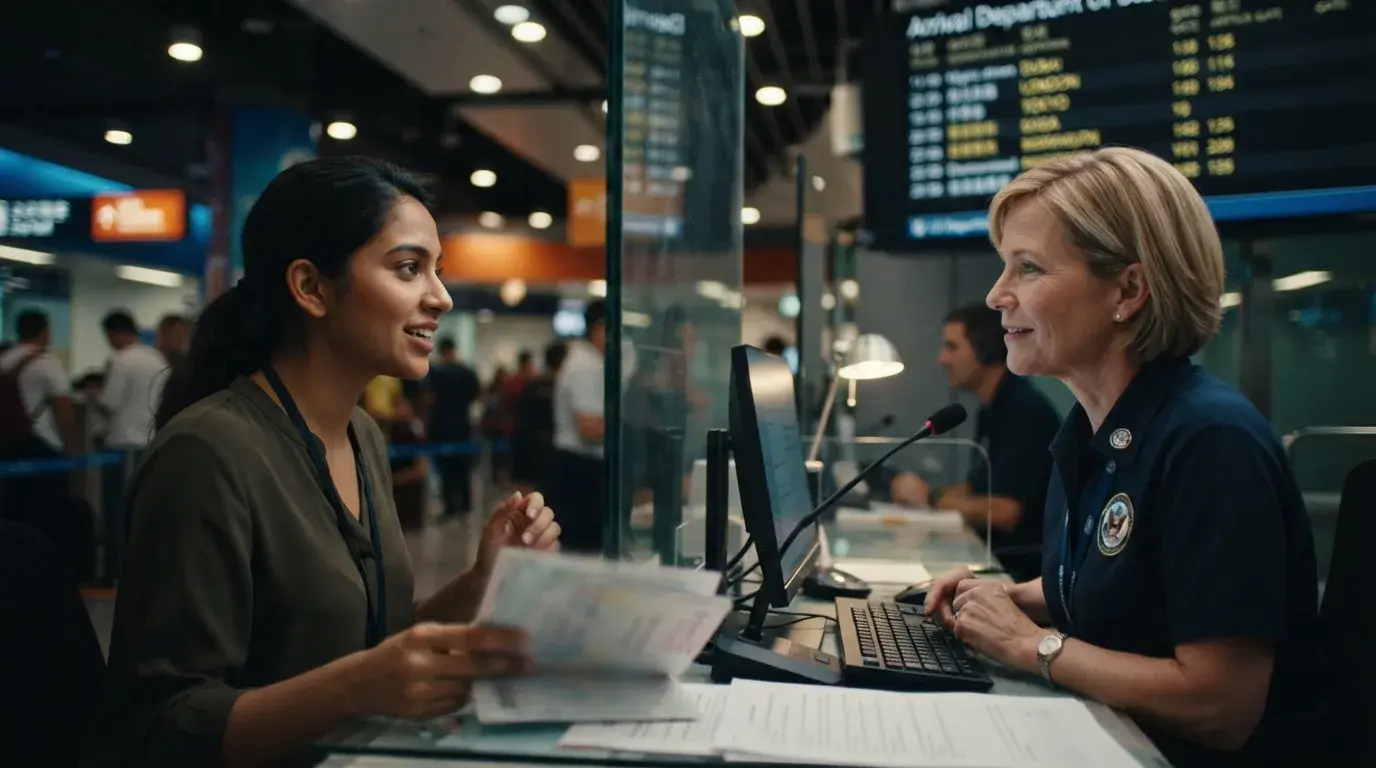
Is a Flight Reservation Mandatory for Visa?

Short answer: A flight reservation is not mandatory for every visa. Follow the current checklist for your destination, visa category and place of application. The UK visitor evidence guide lists flight bookings, except transit, as less useful evidence. For Schengen applications, use the European Commission guidance and the responsible consulate’s detailed instructions. A reservation is not an issued ticket or a guarantee of approval.
Visa officers do not reward applicants for spending more money too early. They reward a file that makes sense. If your form says you will travel for 12 days, your flight reservation, hotel stay, invitation, insurance, and leave letter should all tell the same story. When those details conflict, the problem is not the label on the document; the problem is uncertainty.
This guide explains when a flight reservation for visa is commonly requested, how officers read it, where hotel proof matters, and how to prepare a cleaner application before buying your final ticket. The goal is simple: submit proof that is realistic, verifiable, and aligned with your visa type.

In This Guide
Is a Flight Reservation Mandatory, or Just Strongly Expected?
The honest answer is: it depends on the country, visa type, checklist, and application route. Some embassies explicitly list a flight reservation, round-trip itinerary, proof of onward travel, or travel booking as a required document. Others do not make it compulsory but still expect a proposed itinerary that explains how and when you will enter and leave.
That distinction matters. If the checklist asks for a reservation, submit one. If the checklist asks for travel plans, an itinerary may be enough, but a verifiable reservation often makes the file stronger because it gives officers concrete dates and route logic. If the checklist warns against buying tickets before approval, that does not mean “submit nothing.” It means “do not lock yourself into a costly fare before you know the result.”
Practical rule: if your application needs to prove entry date, exit date, return intent, accommodation coverage, or onward movement, prepare a flight reservation for visa instead of gambling on a fully paid ticket too early.
The applicants who get into trouble usually fall into one of two extremes. One group buys expensive non-refundable tickets too early and then loses money when the visa is delayed. The other group submits vague travel plans with no booking reference, no dates, and no accommodation logic. The better middle ground is a professional reservation that supports the file without creating financial risk.
There is also a third group: applicants who submit a document that looks fine in isolation but does not fit the rest of the file. Their flight dates are clean, but the hotel begins one day late. Their hotel is complete, but the return flight leaves from a country they never mention in the itinerary. Their form says business, but the trip length looks like a long holiday. These are the silent problems that a stronger reservation workflow should catch before the file reaches the counter.
Where Embassies Commonly Ask for Flight and Hotel Proof
Most visa systems want the same core answer: does this trip look real, temporary, and consistent with the applicant’s purpose? Different regions express that requirement in different ways. Some focus heavily on return proof. Some focus on accommodation. Others focus on whether your route is plausible.

Schengen Area
Schengen visa files are usually the strictest on date consistency. France, Germany, Italy, Spain, the Netherlands, Greece, Portugal, and other Schengen states often expect the flight plan, accommodation, travel insurance, leave letter, and form dates to match cleanly.
- Round-trip flight reservation covering the full visit
- Hotel or host proof for every night in the Schengen area
- Main-destination logic if the trip includes more than one country
- Insurance dates that cover the same travel window
For example, a traveler visiting Paris and Rome should not submit a return flight from Madrid unless the itinerary explains why Spain appears in the route. Schengen officers may not need a paid ticket, but they do need a route that looks like an actual trip.
United Kingdom and Ireland
UK and Ireland applications often focus less on a rigid ticket rule and more on whether your stated visit is credible. A flight booking for visa can still help because it anchors your arrival, return, and trip length.
- Arrival and departure dates that match the visit purpose
- Accommodation or invitation proof for the stated stay
- Evidence that the trip length fits your employment, study, or business situation
If you are visiting family in London, your flight and stay documents should not imply a different purpose. If you are attending a conference in Dublin, the return date should not sit far beyond the event without explanation.
United States and Canada
The US and Canada do not always require a purchased ticket before approval, and applicants should be careful about paying for final flights too early. Still, a proposed itinerary can help show that your visit has boundaries.
- Entry and exit date plan
- Accommodation or host details tied to the trip purpose
- Return or onward logic that supports temporary intent
A student going to Canada for orientation may need arrival proof and temporary accommodation until housing begins. A conference visitor to the US should keep flights and hotel dates close to the event schedule.
Middle East, Africa, and Asia-Pacific
Many Middle East, African, and Asia-Pacific visa files ask for practical proof that you will enter, stay, and leave as declared. The document language changes by country, but the file logic is familiar.
- Round-trip or onward reservation for short-stay visits
- Hotel proof or invitation where accommodation is reviewed
- Route logic that avoids unexplained transit problems
- Dates that match event, business, family, or tourism purpose
Japan, South Korea, Australia, and New Zealand often value detailed travel planning. UAE, Qatar, Saudi Arabia, South Africa, Kenya, and Nigeria files may pay close attention to return proof and accommodation coverage. If your route creates questions, fix the route before submission.
Country checklist rule: do not rely on one generic internet answer. Read the actual checklist for the embassy, visa center, or consulate handling your file, then prepare the reservation format that supports that checklist. If the checklist says “flight reservation,” do not submit only a written travel plan. If it says “travel itinerary,” make sure the itinerary still has dates, route logic, and accommodation coverage.
The wording changes from country to country, but the officer’s question is usually the same: can this applicant’s proposed trip be understood quickly? A good flight reservation for visa answers that question immediately. It makes the travel window visible, gives the route shape, and reduces the chance that a reviewer has to infer your plan from scattered documents.
Different Visa Purposes Need Different Reservation Logic
A tourist application, student file, business trip, family visit, medical journey, and conference visit should not all use the same travel-proof pattern. Officers read documents against the purpose you declared.
| Visa purpose | Strongest reservation pattern | Common mistake |
|---|---|---|
| Tourism | Round-trip flight plus accommodation for every night | Too many cities in too few days |
| Family visit | Return flight plus invitation or host details | Missing proof for nights not covered by host letter |
| Business | Short itinerary matching meeting or event dates | Trip length much longer than the business purpose |
| Student | Arrival flight plus initial stay before housing begins | One-way route with no explanation of long-term purpose |
| Medical or conference | Dates aligned tightly with appointment or event schedule | Travel dates that start or end far from the supporting letter |
The more your trip depends on an invitation, event, university date, medical appointment, or hotel plan, the more important date alignment becomes. A clean reservation does not need to be dramatic. It needs to be believable.
Timing matters more than most applicants think
A reservation created too early can become stale before the appointment. A reservation created too late can leave no time to correct spelling, routing, or hotel-date errors. The safest timing is usually close to the visa appointment, after your form dates are stable, but before you upload or print the final document set.
If your appointment moves, refresh the supporting proof instead of hoping the older PDF is still harmless. Visa files are reviewed as a snapshot. The cleaner that snapshot looks on submission day, the less friction you create for yourself.
Itinerary shape matters too
Most short-stay visa files are stronger when the route is simple. A single entry, a logical stay, and a clear exit is easier to understand than a complicated path through five cities. Multi-city routes are not bad, but they need structure. Every extra city should have a reason, accommodation coverage, and a date sequence that can be followed without a map.
What Officers Actually Check Inside a Visa Reservation
Officers do not usually spend unlimited time investigating every booking. They scan for signals. Your job is to make those signals easy to read.
The checklist mindset
A visa file should behave like one calendar. If your application form says June 5 to June 20, the supporting documents should not create three different stories.
- Flight arrival and departure match the declared travel period
- Hotel nights cover the correct stay window
- Insurance begins before arrival and ends after departure where required
- Employer leave, school letter, or invitation supports the same dates
- Route makes sense for the country where you are applying
Verification signals
A proper flight reservation for visa normally includes passenger name, airline, route, dates, flight number, booking reference, and itinerary details. The strongest files make it possible to confirm the booking record while it remains active.
- Passenger name matches passport spelling
- Booking reference or PNR appears on the document
- Flight numbers and route are realistic
- Departure and return dates match the form
- Accommodation and travel insurance do not contradict the route
Details that trigger questions
Small errors can create a big pause. A pause is dangerous because it pushes the officer from “this file is clean” to “something here needs explanation.”
- Mismatched hotel and flight dates
- Missing accommodation for the first or last night
- One-way proof where return intent is expected
- Transit through a country that may require a transit visa
- Different spellings of the traveler’s name across documents
- Unrealistic multi-city routing for a short visit
Aggressive but safe rule: do not submit a file that makes the officer solve your itinerary for you. If they have to guess where you sleep, when you leave, or why the route exists, the document is not doing its job.
Safety and legality
A flight reservation for visa is not the same as editing a fake ticket PDF. The safe route is to use a real reservation-style document with accurate traveler details and realistic travel information. The unsafe route is to fabricate an airline ticket, invent a booking reference, or change dates on a PDF after the booking record no longer supports those details.
That difference is important. Embassies may accept reservations because many applicants should not buy final tickets before approval. They do not accept deception. If your document cannot be explained honestly, do not submit it. If your dates changed, update the reservation. If your name is wrong, correct it. If the routing no longer matches the visa form, rebuild it before the file is reviewed.
Safer Reservation Patterns That Reduce Visa Friction
The strongest applications are not always the longest. They are the easiest to verify and the hardest to misunderstand.
Use round-trip proof when return intent matters
For tourism, family visits, short business trips, and most visitor visas, a round-trip flight reservation is usually the cleanest signal. It shows the planned entry and exit without forcing you to buy the final ticket too early.
Use one-way proof only when the visa type supports it
One-way travel can make sense for study, relocation, work, or long-stay visas, but it should not appear without context. If the purpose is temporary tourism, one-way proof may look incomplete unless you also show onward or return logic.
Make multi-city trips readable
A multi-city itinerary can be strong when it reflects a real route: conference in Paris, family visit in Madrid, departure from Barcelona. It becomes weak when it looks like random country collecting. Keep the main destination, first entry, and departure country easy to explain.
Avoid risky transit routes
Some cheap routes create visa trouble. If your itinerary passes through the UK, US, Canada, Schengen zone, or another country with transit rules, check whether that stop creates an extra requirement. A cheaper flight path is not useful if it damages your visa file.
Refresh documents when appointments move
Visa appointments get delayed. Processing dates change. If your reservation expires or no longer matches your form, update it before submission. A stale PDF may look harmless to you, but it can create unnecessary friction during review.
Special cases that deserve extra care
Transit flights: a cheap transit route can create a second visa problem if the stopover country has strict transit rules. Before choosing the route, check whether the connection requires an airport transit visa, land-side transfer, baggage recheck, or overnight stay.
Family and group travel: every traveler should have matching dates and route logic. If one family member leaves earlier, the reason should be clear. If children travel with parents, names and document details need extra attention.
Hotel changes: changing accommodation after submission is not automatically a problem, but the documents you submit should be consistent at the time of application. If you change the hotel before the appointment, update the proof so the file does not show conflicting addresses or gaps.
How BookForVisa Fits the Safer Visa-Document Workflow
BookForVisa is built for applicants who need professional travel proof before committing to final tickets. The point is not to trick an embassy. The point is to avoid wasting money while giving the officer a clean itinerary to review.
When you prepare your reservation through BookForVisa, you can request flight proof, hotel proof, or both. That helps you keep the whole file aligned: route, dates, guest details, booking reference, hotel nights, and appointment timing.
The advantage is control. You can build a reservation around the visa checklist instead of forcing the visa file around a random cheap ticket. You can avoid risky self-transfers, choose a cleaner return date, and keep hotel coverage consistent with the flight plan. That is the difference between “I found a cheap fare” and “my documents support the application.”
What you should prepare before ordering
- Passport name exactly as written
- Planned departure and return dates
- Destination country and likely city
- Visa type and appointment date
- Whether you need flight, hotel, or both documents
- Any transit countries you want to avoid
What happens after visa approval
Once the visa is granted, buy the final travel ticket that fits your approved dates, budget, and actual plan. Your reservation has done its job at the application stage. Do not treat a temporary reservation as the final travel product unless you specifically convert or purchase the final fare through the appropriate travel channel.
This is the smarter way to apply: prove your travel plan first, avoid non-refundable losses, and finalize the actual ticket after the risk is lower.
Everyday situations this solves
- Your embassy appointment is next week but your visa result may take longer than expected
- Your employer approved leave, but you do not want to buy the final fare before the visa is granted
- Your hotel dates need to match the form and flight plan exactly
- Your itinerary includes a transit city that should not create extra visa risk
- Your family application needs one coordinated set of flight and hotel proof
- Your travel dates changed after the first reservation was prepared
In each case, the goal is not more paperwork. The goal is less uncertainty. A cleaner reservation gives the officer fewer reasons to pause and gives you more flexibility until the visa decision is made.
Frequently Asked Questions
Is a flight reservation mandatory for every visa application?
No. It depends on the embassy, country, visa type, and checklist. Many applications require or strongly expect a flight reservation, itinerary, or travel proof, but a fully paid ticket is often not required before approval.
Should I buy a real flight ticket before my visa is approved?
Usually no, unless the official checklist specifically requires it. A flight reservation for visa is safer because it shows your intended travel dates and route without exposing you to a large non-refundable loss.
What should a visa flight reservation include?
It should include the passenger name, travel dates, route, airline or flight details, booking reference, and itinerary information that matches your visa form, hotel proof, insurance, and stated purpose.
Do hotel dates need to match the flight reservation?
Yes. Hotel or host proof should cover the same stay window shown by your flight plan. Unexplained gaps between arrival, accommodation, insurance, and departure dates can trigger questions.
Is one-way flight proof acceptable for visa?
It can be acceptable for some study, work, relocation, or long-stay cases, but visitor and tourist visas usually look cleaner with round-trip or onward proof unless the checklist says otherwise.
Can officers verify a booking reference?
They may review the booking reference, PNR, route, name, and date consistency. Some officers verify manually; others mainly check whether the itinerary is plausible and consistent with the file.
When should I prepare my flight reservation?
Prepare it close enough to your appointment that the details are current, but early enough to fix route, date, or hotel mismatches before submission. Refresh it if your appointment or travel dates change.
Can BookForVisa provide flight and hotel proof together?
Yes. BookForVisa can help prepare flight reservation and hotel reservation documents so your travel dates, accommodation dates, and visa application details tell one consistent story.
Ready to Submit Cleaner Travel Proof?
Do not risk a vague itinerary or an expensive ticket bought too early. Prepare a flight reservation for visa with dates, route, passenger details, and booking reference ready for your application file.
Important disclaimer: BookForVisa provides temporary travel reservation documents for visa application support. Visa approval is always decided by the relevant embassy, consulate, immigration authority, or visa center. Always follow the latest official checklist for your destination and never submit altered, fabricated, or inconsistent documents.
Related posts
Germany Business Invitation Dates: Match Host, Employer and Flights
21 Oct, 26
Verpflichtungserklärung and Visa Dates: Sponsor vs Flight Evidence
21 Oct, 26
VIDEX Business Visa Travel Dates: A Field-by-Field Guide
21 Oct, 26
Germany Opportunity Card: When to Plan and Book Your Flight
21 Oct, 26
Germany Business Visa Flight Evidence and Meeting Documents
21 Oct, 26
Flight Booking for a Short Language Course Visa
21 Oct, 26
Flight Booking After a Visa Case Changes Consulates
21 Oct, 26
Flight Ticket for Visa: Postdoc Relocation Guide
21 Oct, 26
Family and Group Visa Applications
21 Oct, 26