Flight Reservation for Visa Myths and Facts

Many applicants hear the phrase “dummy ticket” and immediately get the wrong idea. Some think it means a fake document. Others think it guarantees approval. Both ideas can hurt your file. Visa officers are not rewarding the label on the document; they are checking whether your travel proof makes sense inside the whole application.
This guide clears the myths around flight reservations for visa applications. It keeps the practical truth: you usually should not buy an expensive non-refundable ticket before a visa decision, but you also should not submit weak, unverifiable proof that collapses the moment someone checks it.
In This Guide
What a Flight Reservation for Visa Really Is
A flight reservation for visa is a travel-planning document that shows your proposed journey before you purchase the final ticket. It normally includes your name, route, airline, dates, flight numbers and a booking reference or reservation code. In everyday applicant language, some people call this a dummy ticket, but the safer way to understand it is simple: it is travel proof, not a trick.
The reason it exists is practical. Visa decisions can take days or weeks. Appointment dates move. Consulates may ask for updated documents. Buying a non-refundable flight too early can trap you financially if the visa is delayed, refused or issued for different dates. A reservation lets you show intent without locking yourself into a costly final ticket too soon.
Plain-English baseline: A strong visa reservation should answer four questions quickly: who is traveling, where they plan to go, when they intend to enter and leave, and whether the route matches the rest of the file.
Flight Reservation vs Flight Itinerary vs Paid Ticket
| Document | What it proves | Main risk | Best use |
|---|---|---|---|
| Flight reservation for visa | Planned route and dates before ticket purchase | Can expire if prepared too early | Most visa files before approval |
| Flight itinerary | Schedule, sectors and travel plan | May be non-booked if produced as a simple draft | Explaining trip structure |
| Paid ticket | Actual purchased travel | High cost if visa changes | After approval or when explicitly required |
Common Myths That Create Weak Visa Applications
The fastest way to misuse a reservation is to believe the wrong myth. Most refusal risk does not come from using a reservation. It comes from submitting inconsistent, expired, unrealistic or fake-looking proof.
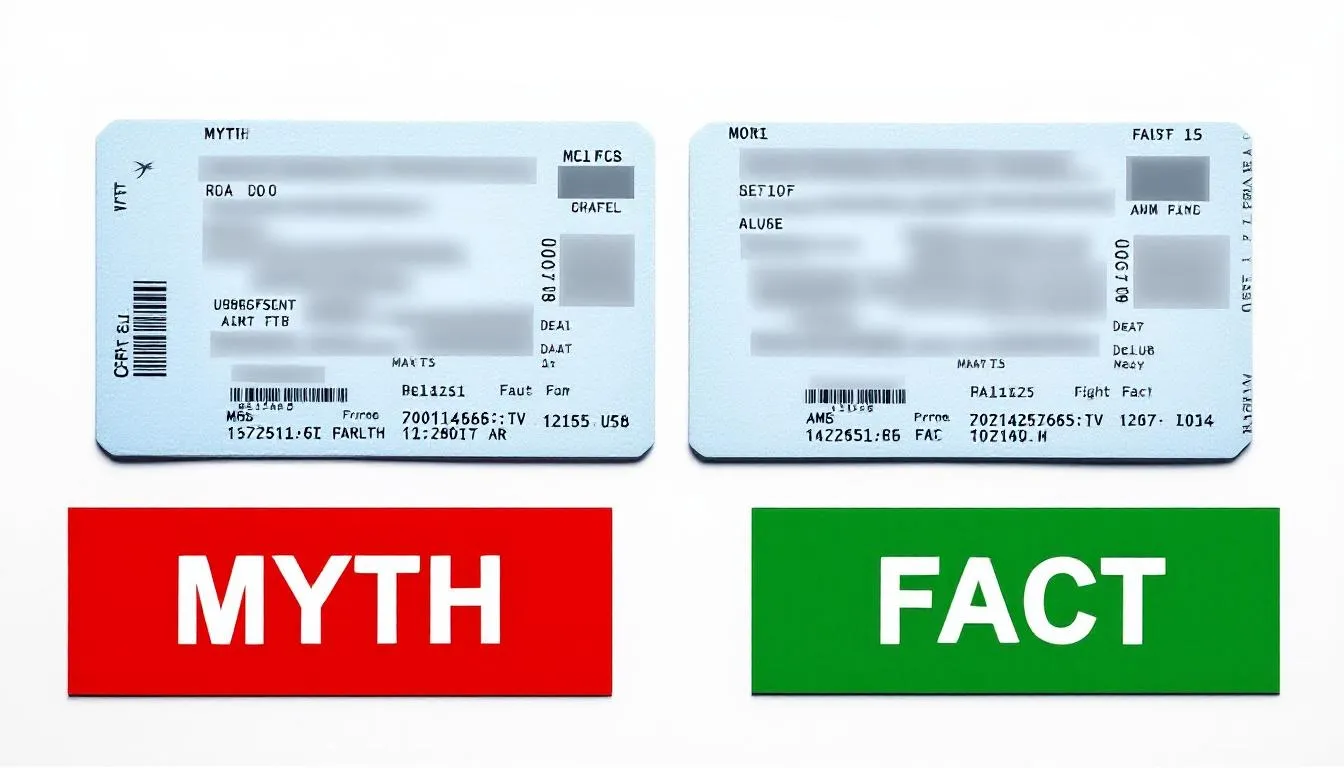
Myth 1: “A reservation is fake or illegal.”
A proper reservation is not a forged ticket. It is a temporary booking or itinerary used for documentation. The legal problem begins when someone edits a PDF, invents flight data, fabricates a booking reference or submits a document that cannot be reasonably supported. That is not smart visa planning; that is a document-integrity risk.
Myth 2: “Embassies reject reservations automatically.”
Many visa checklists ask for a flight booking, itinerary or reservation rather than a fully paid ticket. The important part is not whether the reservation has the perfect commercial name. The important part is whether it matches the application. A reservation that aligns with hotel dates, insurance, leave approval and stated purpose is far stronger than a paid ticket that contradicts the file.
Myth 3: “Only last-minute travelers need this.”
Last-minute applicants use reservations because speed matters. Careful applicants use them because risk control matters. If your appointment is next week, a reservation helps you submit quickly. If your travel date is a month away, it helps you avoid buying a ticket before the visa decision is known.
Myth 4: “Free generators work just as well.”
Free PDF generators often create a nice-looking document without a meaningful reservation behind it. That may look good on your screen, but it can fall apart when a reviewer sees mismatched route logic, odd flight combinations, broken formatting or an invented booking reference. Saving a few dollars is not worth creating doubt in a visa file.
Myth 5: “A reservation guarantees visa approval.”
No travel document guarantees approval. Officers review your purpose, finances, ties, history, itinerary and compliance with the visa rules. A flight reservation supports the travel-plan portion only. It can strengthen a clean file, but it cannot repair weak financial proof, unclear purpose or contradictory documents.
Facts That Make Reservation Proof Stronger
The strongest reservation is boring in the best possible way. It does not try to impress the officer with complicated routing. It makes the file easier to understand.
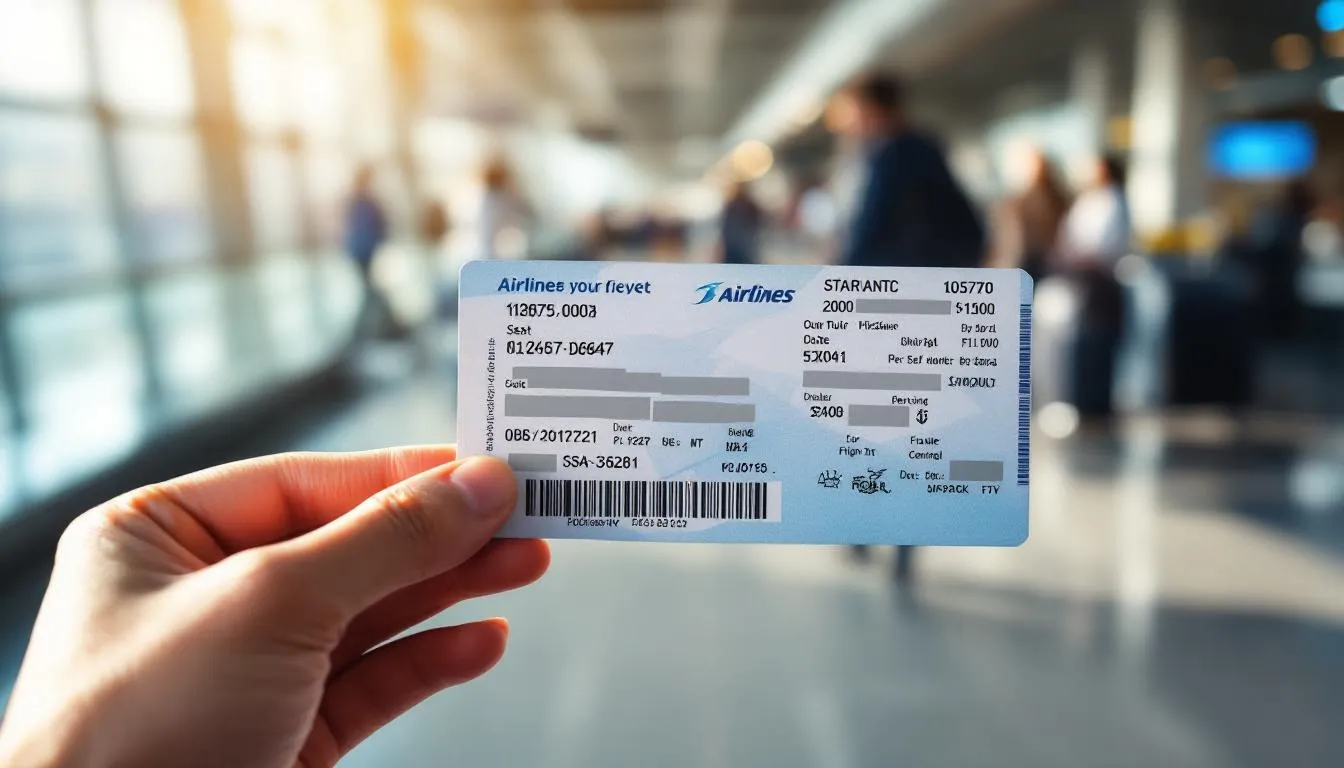
Fact 1: Consistency beats decoration
A polished PDF with wrong dates is weaker than a simple reservation with dates that match your form. If your visa form says May 3 to May 17, your flight proof should not show May 2 to May 19 unless you explain the difference clearly. If your hotel starts one day after arrival, the gap needs logic.
Fact 2: Route logic matters
A tourist trip should look like a tourist trip. A business trip should arrive before the meeting. A Schengen itinerary should respect main-destination logic. A UK visit for a wedding should not land after the ceremony. Reviewers are not only reading the flight; they are reading the story your documents create together.
Fact 3: Timing matters
Reservations can expire. Creating one too early can leave you with stale proof by the time the file is reviewed. Creating one too late can make you rush and miss mismatches. For many applicants, the safest window is close enough to submission that the details are fresh, but early enough to compare everything before uploading or attending the appointment.
Fact 4: The reservation should match the visa type
Tourist files normally need a clear entry and exit plan. Student, work or long-stay files may need different logic, especially when the final travel date depends on approval timing. A one-way route can make sense for relocation, but it can look weak for a short tourist visit unless the rest of the file explains it.
How Officers and Airlines May Evaluate the Reservation
Not every officer calls an airline. Not every reservation is manually verified. But you should prepare as if someone may compare your document against normal travel logic. That mindset prevents careless mistakes.
- Passenger name should match the passport.
- Travel dates should match the visa form, hotels and insurance.
- Route should fit the destination and stated purpose.
- Booking reference should not look invented or unsupported.
- Trip length should fit your leave approval, finances and purpose.
- Transit countries should not create unexplained visa complications.
Do not gamble with edited PDFs. A fake-looking reservation can create more damage than submitting no flight proof at all, because it raises document-integrity questions instead of only travel-planning questions.
Why Free PDFs and Weak Holds Can Backfire
The lowest-quality option is usually the one that looks easiest: a free file, a copied sample, or a reservation that cannot survive basic scrutiny. These documents often fail for ordinary reasons. The name has a typo. The airport pairing is strange. The booking date is stale. The hotel dates do not match. The route forces a transit visa the applicant never mentioned.
Unverifiable or expired proof creates doubt
If the reservation cannot be retrieved, has expired before review or shows different details from your form, it stops helping. Even if the officer does not formally verify it, the inconsistency can still weaken your credibility.
Fake documents are a separate risk category
There is a clear difference between using a temporary reservation and submitting fabricated travel proof. A temporary reservation is a planning document. A fabricated PDF is a misrepresentation risk. Do not blur that line.
Paid refundable tickets are not always smarter
Refundable tickets can work, but they can be expensive, slow to refund and restricted by fare conditions. Some applicants buy them assuming they are risk-free, then discover cancellation fees, delayed refunds or route changes. A reservation-first approach is often cleaner when the visa result is not yet known.
How BookForVisa Helps With the Safer Reservation Workflow
BookForVisa focuses on the travel-proof problem: preparing a flight reservation or itinerary that helps the visa file look organized without pushing you into unnecessary ticket purchase. The goal is not to make wild promises. The goal is to reduce avoidable risk before submission.
A strong reservation workflow should give you enough time to compare the document with the rest of your file, correct details before submission and keep the itinerary realistic for the visa type. That is where a professional reservation service is useful: it turns a messy last-minute task into a cleaner document step.
- Use the same passport name across all documents.
- Choose dates that match your form, hotel proof and insurance.
- Avoid routes that create unexplained transit issues.
- Refresh the reservation if the appointment or review timeline shifts.
- Do not submit competing versions of the same trip.
Flight Reservation for Visa: Frequently Asked Questions
Is a flight reservation for visa the same as a paid ticket?
No. A flight reservation shows intended travel details before final ticket purchase. A paid ticket is an actual purchased airfare. Many applicants use reservations first to avoid buying expensive tickets before the visa decision.
Is it legal to submit a reservation for visa?
Yes, when it is a genuine reservation or itinerary used as travel-plan proof. The risk comes from fake or edited PDFs that invent booking details or misrepresent the travel plan.
Can an embassy verify a flight reservation?
Some officers may check booking details, while others compare the itinerary for consistency. Your reservation should be prepared as if the route, dates and passenger details may be reviewed.
How long does a visa flight reservation stay valid?
Validity depends on the booking channel, airline and reservation type. Some holds expire quickly, so applicants should prepare or refresh the reservation close enough to submission that it remains useful.
Can I use one reservation for multiple visa applications?
Only if the route, dates, passenger details and purpose still match each application. Reusing an old reservation with stale dates can create contradictions.
Why not just buy a refundable ticket?
Refundable tickets can be valid proof, but they may involve higher upfront cost, fare restrictions, cancellation rules or refund delays. A reservation can be a safer first step when dates are not final.
What makes a reservation look risky?
Name errors, date mismatches, unrealistic routes, expired booking references, unexplained transit countries and documents that look manually edited can all make a reservation look risky.
When should I create my flight reservation for visa?
Create it close enough to your appointment or upload date that the details are current, but early enough to compare it against hotels, insurance, leave approval and the visa form before submission.
Ready to Submit Cleaner Travel Proof?
Do not risk an expensive paid ticket or a weak edited PDF. Get a verifiable flight reservation for visa and keep your travel dates flexible before approval.
Book Your Flight Reservation NowImportant disclaimer: BookForVisa provides travel reservation and itinerary support for visa documentation. We are not an embassy, consulate, immigration authority or airline, and we cannot guarantee visa approval. Always follow the latest checklist from the relevant authority and make sure every document you submit is accurate, consistent and truthful.
Related posts
Germany Business Invitation Dates: Match Host, Employer and Flights
21 Oct, 26
Verpflichtungserklärung and Visa Dates: Sponsor vs Flight Evidence
21 Oct, 26
VIDEX Business Visa Travel Dates: A Field-by-Field Guide
21 Oct, 26
Germany Opportunity Card: When to Plan and Book Your Flight
21 Oct, 26
Germany Business Visa Flight Evidence and Meeting Documents
21 Oct, 26
Flight Booking for a Short Language Course Visa
21 Oct, 26
Flight Booking After a Visa Case Changes Consulates
21 Oct, 26
Flight Ticket for Visa: Postdoc Relocation Guide
21 Oct, 26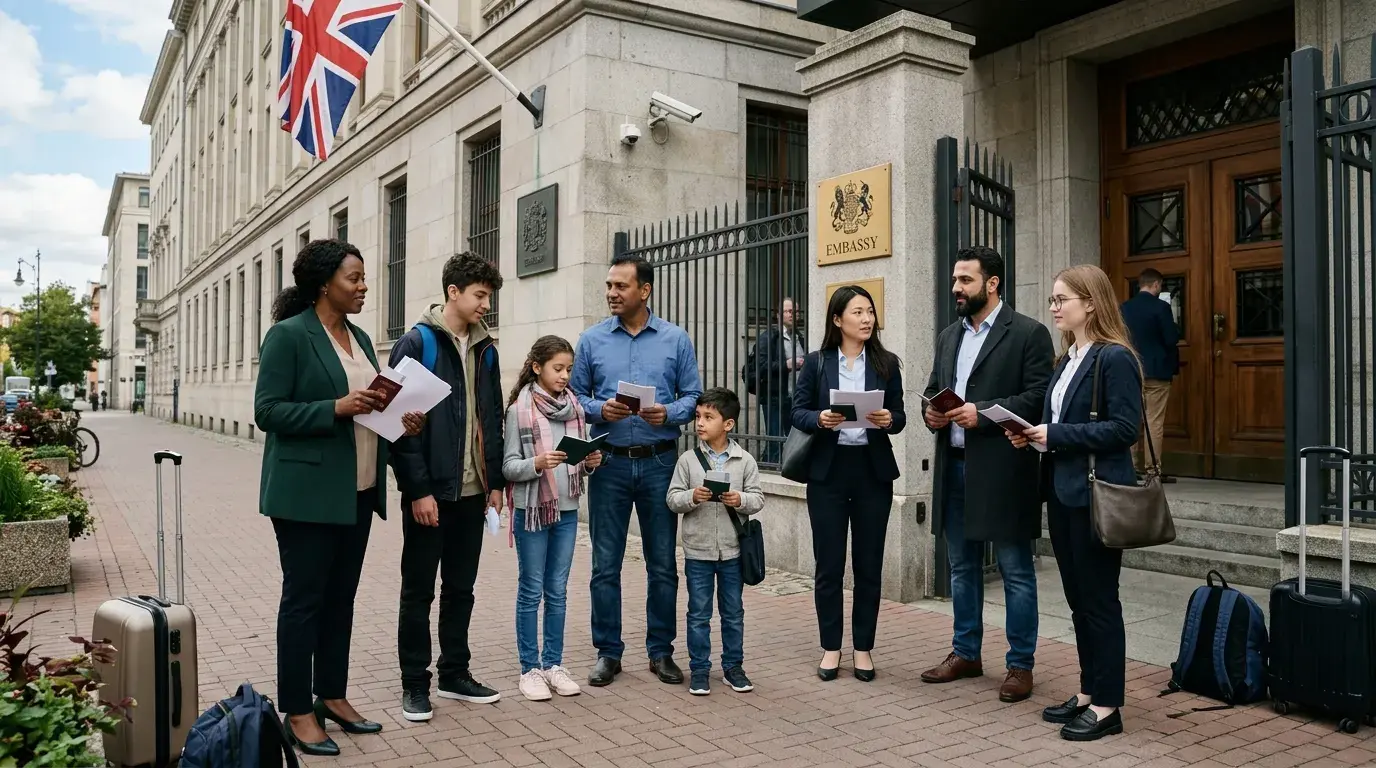
Family and Group Visa Applications
21 Oct, 26