Visa Reservation PDF: Flight and Hotel Proof Before Approval
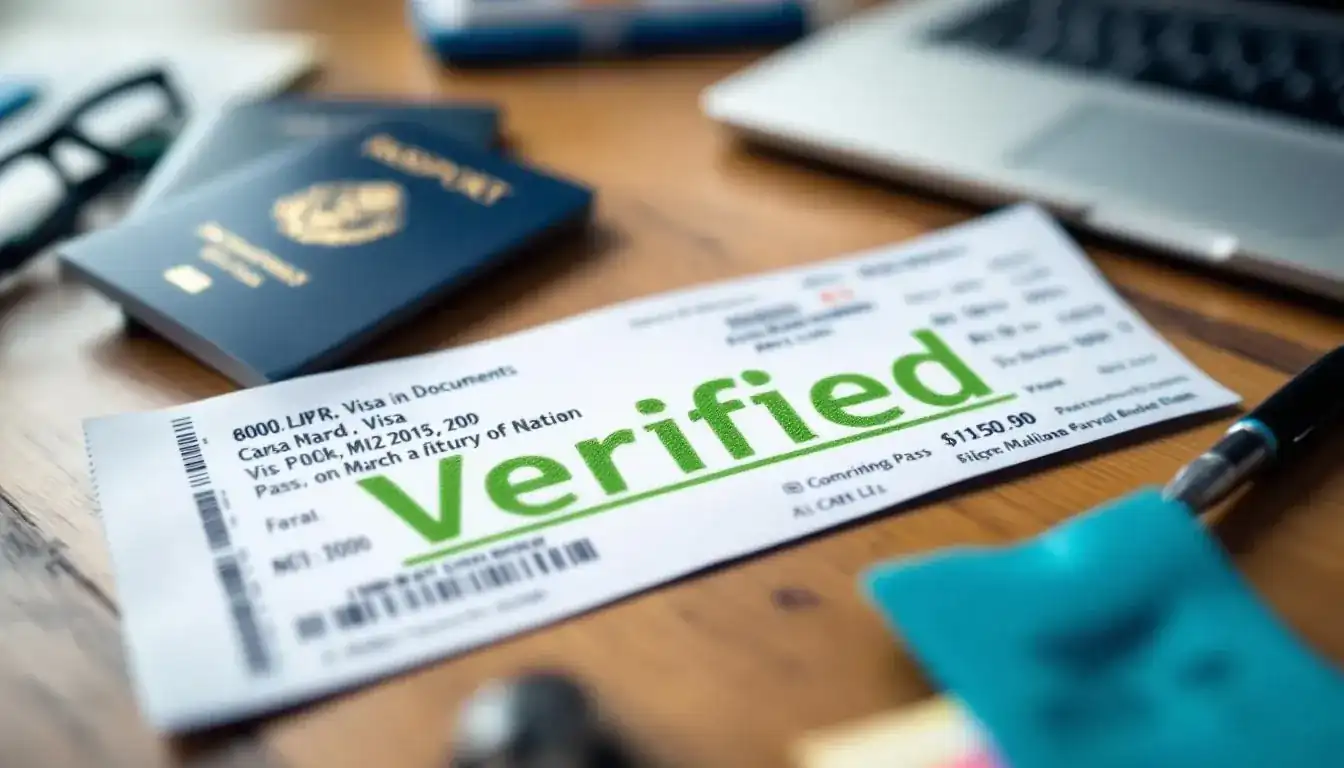
That is the real job of this document. It is not meant to decorate the file or inflate the application. A strong flight reservation for visa and matching hotel reservation help the officer answer simple questions fast: who is travelling, where will the person enter, where will they stay, when will they leave, and does the rest of the file tell the same story?
This guide is written for applicants who need a practical reservation for visa file: tourist visas, Schengen short-stay applications, UK visitor documents, Canada visitor files, Japan applications, business travel, family visits and appointment-based submissions where dates may still move. Some travelers casually call this a “dummy ticket,” but for BookForVisa the safer and cleaner framing is a visa reservation PDF: a temporary itinerary document used before final ticket purchase.
In This Guide
- What a visa reservation PDF actually proves
- What official guidance says about buying final tickets
- How flight and hotel reservations work together
- What your PDF must show
- When to use flight-only, hotel-only or both
- The clean booking workflow
- Mistakes that weaken a visa file
- When to update or refresh the reservation
- FAQs about visa reservation PDFs

What a Visa Reservation PDF Actually Proves
A visa reservation PDF proves intended travel movement. It is normally a temporary booking document, not a final promise that you will fly on that exact fare no matter what happens. That distinction matters because visa timelines change. Appointments move, processing takes longer, consulates request extra documents, and applicants often need to adjust dates after approval.
The best reservation documents make your file easier to read. A reviewer should not need to guess whether your arrival date matches your hotel stay or whether your return date matches your insurance period. The PDF should create a clean calendar around your application.
For flight proof, the document should normally show airline, route, dates, passenger name, flight numbers where available, booking reference or PNR, and a readable itinerary layout. For accommodation proof, it should show guest name, hotel or lodging details, city, check-in and check-out dates, and enough information to connect the stay with the trip purpose.
The point is not to look expensive. The point is to look coherent. A simple itinerary from Mumbai to Paris with a Paris hotel and a return date aligned with travel insurance is stronger than a flashy PDF with inconsistent dates, unclear transit logic or a passenger name that does not match the passport.
What Official Guidance Says About Buying Final Tickets
Many applicants panic because they read “flight booking,” “ticket,” “travel itinerary” or “proof of accommodation” on a checklist and assume they must purchase the most expensive final ticket immediately. In many visa contexts, that is not the safest interpretation. Official guidance often focuses on proving intended travel while avoiding irreversible financial risk before a decision.
This is why a well-prepared flight reservation for visa can be useful. It answers the itinerary requirement without trapping the applicant in a final fare before the visa decision. The document still needs to be accurate, realistic and consistent. It is not a permission slip to invent a trip that does not match your application.
How Flight and Hotel Reservations Work Together
Flight and hotel proof are two halves of the same travel story. The flight reservation explains how you enter and leave. The hotel reservation explains where you sleep during the declared stay. If those two documents contradict each other, the file immediately looks weaker.
For example, if your flight arrives in Rome on 10 September but your hotel begins on 13 September, the gap must be explained. Maybe you are staying with family for two nights, taking a train to another city or landing late after a connection. Without that explanation, the gap can look like careless planning.
The same applies in reverse. If your hotel ends on 20 September but your flight leaves on 24 September, the reviewer may wonder where you plan to stay for the last four nights. The solution is not to add random bookings. The solution is to make the itinerary complete.
| Document | What it proves | What can go wrong |
|---|---|---|
| Flight reservation | Entry, exit, route, passenger identity and trip dates | Wrong name, expired reference, unrealistic transit or dates that do not match the form |
| Hotel reservation | Accommodation plan, city logic and stay duration | Missing nights, wrong city, guest-name mismatch or checkout after declared departure |
| Travel insurance | Medical coverage window for the declared trip | Coverage starts late, ends early or covers fewer days than the itinerary |
| Application form | The official version of your travel dates and destination | Different dates from the PDF, wrong first-entry country or inconsistent trip purpose |
What Your Reservation PDF Must Show
A strong PDF should be boring in the best possible way: readable, complete and easy to cross-check. It should not require the officer to decode a complicated route or guess whether a booking belongs to the applicant.
Flight reservation details
- Passenger name matching the passport spelling.
- Departure and arrival cities that match the visa route.
- Outbound and return dates that match the application form.
- Airline, flight number or route details where available.
- Booking reference, PNR or reservation code when supplied.
- Clear PDF formatting that can be read on phone and desktop screens.
Hotel reservation details
- Applicant or guest name.
- Hotel name, city and address where available.
- Check-in and check-out dates aligned with the stay.
- Room or reservation reference if provided.
- Coverage for every night that is not otherwise explained.
If one of these pieces is missing, the file may still be acceptable depending on the visa type and checklist, but the risk rises. The stronger move is to remove ambiguity before submission.
When to Use Flight-Only, Hotel-Only or Both
Not every applicant needs the same document bundle. A tourist visiting one country usually benefits from flight and hotel proof together. A business traveler with an invitation letter may still need flight proof, while accommodation may be covered by the host or employer. A family visitor staying with relatives may need a flight reservation and a host letter instead of hotel proof.
| Situation | Best reservation choice | Why |
|---|---|---|
| Tourist visa with hotel stay | Flight + hotel reservation | Shows complete movement and accommodation logic. |
| Visitor staying with family | Flight reservation + invitation or host proof | Hotel proof may not fit the real travel plan. |
| Business meeting | Flight reservation + meeting/invitation evidence | Dates should match meeting schedule and leave approval. |
| Multi-country Schengen trip | Flight reservation + city-by-city accommodation plan | Supports main destination, first entry and trip-length logic. |
| Unstable travel dates | Temporary reservation before final ticket purchase | Reduces financial risk while keeping the application complete. |
If you only need flight proof, start with a focused flight reservation for visa rather than mixing hotel language into every page. If the application is Schengen-specific, check the stricter route and accommodation logic in the Schengen visa flight reservation requirements guide before you submit.
The Clean Booking Workflow
A rushed reservation is where many files get messy. The safer workflow is to plan the application like one calendar, then produce the PDF from that calendar.
- Confirm your visa category, destination and appointment date.
- Write the exact travel dates you will declare on the form.
- Choose a realistic route with normal layovers and no strange detours.
- Match accommodation dates to the arrival and departure plan.
- Check passport spelling before generating the reservation PDF.
- Download the PDF and compare it against the form, insurance and invitation letter.
- If the appointment moves, update the reservation instead of submitting stale proof.
The most important step is the final comparison. Put the flight reservation, hotel reservation, insurance document, invitation letter and visa form next to each other. If the dates look like one trip, you are in a much stronger position. If they look like five separate guesses, fix them before submission.
Mistakes That Weaken a Visa File
Most reservation problems are not dramatic. They are small inconsistencies that make the reviewer slow down. The goal is to prevent those small issues from becoming document requests, delays or doubts about travel intent.
Name and passport mistakes
The passenger name should match the passport as closely as the booking format allows. Do not use a nickname, shortened surname or different name order if it creates confusion. If your passport has multiple names, keep the reservation consistent with the application form.
Date gaps
Date gaps are one of the easiest problems to spot. Arrival before hotel check-in, insurance ending before departure or a return flight outside the declared travel period can all weaken the file. Some gaps are legitimate, but they need explanation.
Wrong destination logic
For Schengen-style trips, the first entry country and main destination can matter. If the application says France but the itinerary spends most nights in Italy, the consulate choice may look wrong. The reservation should support the visa office you selected.
Over-optimized wording
Do not make the document sound more powerful than it is. A reservation proves travel intent; it does not guarantee approval. Strong wording belongs in the service page and guide, but the PDF itself should stay professional and factual.
When to Update or Refresh the Reservation
The best time to generate or update a reservation depends on your appointment and processing window. If you generate it too early, the record may become stale before review. If you wait until the last minute, you may miss a mismatch that needs correction.
A practical rule is to keep the reservation current around the appointment and submission date. If the embassy asks for updated documents later, refresh the reservation to match the new timeline rather than reusing an old file that no longer reflects your plan.
- Refresh if your appointment date moves.
- Refresh if your travel dates change.
- Refresh if your hotel dates no longer cover every night.
- Refresh if the airline route changes significantly.
- Refresh if a second review or document request asks for updated proof.
Good updates do not rewrite the whole travel story. They keep the same logic while correcting dates, routing or accommodation coverage. That is why it helps to use one consistent source for the reservation PDF instead of stitching together disconnected documents.
FAQs About Visa Reservation PDFs
What is a visa reservation PDF?
A visa reservation PDF is a temporary flight, hotel or combined itinerary document used to show intended travel plans before buying final tickets or finalizing every booking.
Is a flight reservation for visa the same as a ticket?
No. A flight reservation shows planned route and dates. A final ticket is usually paid and issued for actual travel. Many applicants use reservations before approval to avoid risky early ticket purchase.
Do embassies accept flight and hotel reservations?
Many visa checklists accept itinerary-style proof, but requirements vary by country, visa type and consulate. The safest document is accurate, realistic and consistent with the rest of the file.
Should my hotel reservation match my flight dates?
Yes. Hotel dates should cover the nights between arrival and departure unless you have a clear host letter, transit plan or another explanation for the gap.
Can I use only a flight reservation for visa?
You can use flight-only proof when the checklist asks mainly for transport or when accommodation is proven separately. Tourist files are usually stronger when accommodation logic is also clear.
When should I update my reservation PDF?
Update it when your appointment, travel dates, route, hotel stay or document request changes. Do not submit an outdated reservation if it no longer matches your application.
Does a reservation guarantee visa approval?
No. It supports travel intent, but approval depends on the full application: finances, purpose, ties, documents, travel history and the rules of the visa category.
Can BookForVisa prepare flight and hotel reservation proof?
Yes. BookForVisa prepares visa-focused flight and hotel reservation PDFs that help applicants keep route, dates and accommodation details consistent before final ticket purchase.
Ready to Prepare Your Visa Reservation PDF?
Do not risk buying a final ticket before your visa decision. Prepare clean flight and hotel reservation proof that matches your application dates.
Book Your Visa Reservation PDF NowRelated posts

Password-Protected Visa Reservation PDF: Access Fixes
22 Oct, 26
Do You Need a Flight Ticket for F1 Visa
22 Oct, 26
Germany Business Invitation Dates: Match Host, Employer and Flights
21 Oct, 26
Verpflichtungserklärung and Visa Dates: Sponsor vs Flight Evidence
21 Oct, 26
VIDEX Business Visa Travel Dates: A Field-by-Field Guide
21 Oct, 26
Germany Opportunity Card: When to Plan and Book Your Flight
21 Oct, 26
Germany Business Visa Flight Evidence and Meeting Documents
21 Oct, 26
Flight Booking for a Short Language Course Visa
21 Oct, 26
Flight Booking After a Visa Case Changes Consulates
21 Oct, 26