Many Indian applicants ask this question with the informal phrase “dummy ticket.” In BookForVisa language, the safer and clearer term is flight reservation for visa. That wording avoids confusion because the useful document is a real proposed itinerary or reservation record, not a fabricated PDF and not necessarily an issued e-ticket.
This distinction matters for Schengen because the flight document is only one part of the application story. It helps show intended travel, return planning and route coherence. It does not replace the visa form, passport rules, accommodation proof, funds, insurance or the main-destination rule.
For the full reservation entity, use the complete flight reservation for visa guide. If you need the direct document workflow, see flight reservation for visa. For a deeper Schengen-specific checklist, compare this page with Schengen visa flight reservation requirements.
In This Guide
- Why Schengen applications ask for flight proof
- Reservation, ticket and fake-document boundaries
- How Indian applicants should read the requirement
- How to prepare a Schengen flight reservation
- What must match across the Schengen file
- Common mistakes that weaken the file
- Schengen country examples for Indian applicants
- Timing, expiry and refresh workflow
- FAQs about Schengen visa flight reservations
Why Schengen Applications Ask for Flight Proof
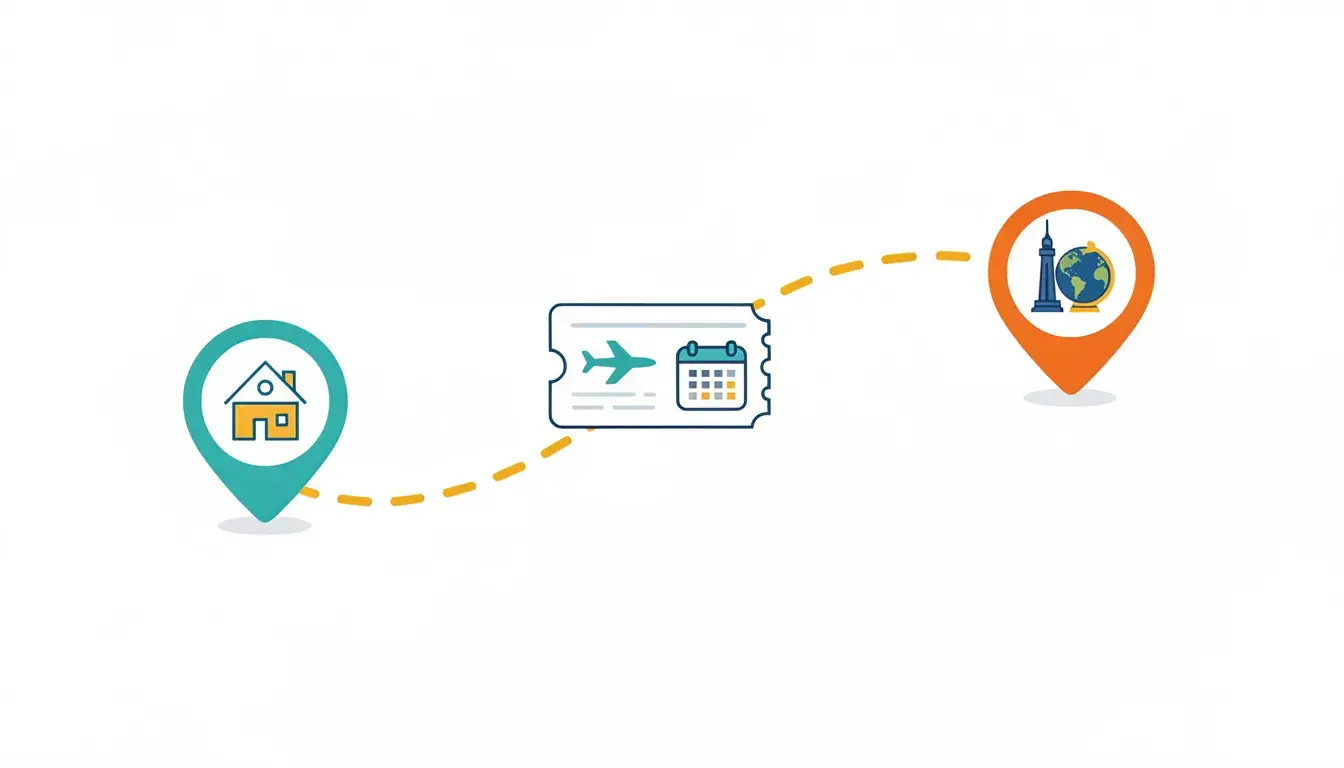
Schengen officers are not asking for flight details because they want Indian applicants to gamble on expensive tickets before a decision. They are trying to evaluate whether the proposed trip is coherent. A flight reservation gives the travel story a beginning, an ending and a route that can be compared with the rest of the documents.
For a short-stay tourist or family visit application, the travel proof helps answer practical questions:
- Which Schengen country is the first entry point?
- Which country is the main destination?
- How long does the applicant plan to stay?
- Does the return or onward date fit the visa period requested?
- Do hotel bookings and insurance cover the same travel window?
- Does the proposed route look realistic for the stated purpose and budget?
The flight reservation is therefore not a magic approval document. It is a consistency document. If it supports the same story as the form, cover letter, hotel booking, insurance and funds, it helps the file read cleanly. If it contradicts those documents, it creates more doubt than support.
The Main-Destination Rule Matters
Indian applicants often focus only on whether the ticket shows Europe. Schengen files need more precision than that. If France is the main destination, the route and accommodation should make France look like the main destination. If Italy has the longest stay, the itinerary should not make Germany look like the real destination. If no country clearly has the longest stay, the first-entry country becomes more important.
This is why a random cheap routing can be risky. A flight into one Schengen country, hotels in another and a cover letter naming a third can make the file look poorly planned. The better approach is to choose a route that fits the actual itinerary and the consulate you are applying through.
Reservation Proof Is Different from Border Proof
At the visa application stage, a reservation can show intended travel. At the travel stage, the airline and border officers may ask for the actual ticket, valid visa, insurance, funds and purpose evidence. Do not confuse the document used for visa preparation with the document you will use for boarding after approval.
Reservation, Ticket and Fake-Document Boundaries
The phrase “dummy ticket” creates anxiety because it sounds like something invented. The lawful distinction is simpler: a temporary flight reservation can be a legitimate planning document, while a manually edited or fabricated airline PDF is not.
| Document type | What it means | Schengen risk level |
|---|---|---|
| Flight reservation for visa | A proposed itinerary or reservation showing passenger, route and dates, often before final ticketing. | Low when truthful and consistent with the checklist. |
| Issued e-ticket | A paid or ticketed booking with an e-ticket number. | Useful when the trip is fixed, but financially risky before approval if non-refundable. |
| Travel itinerary | A schedule of planned travel, cities, dates and transport. | Useful as supporting context, especially for multi-country trips. |
| Fake PDF | A made-up or edited document that does not reflect a real reservation or truthful itinerary. | High risk because it can be treated as misleading documentation. |
The safest wording in a BookForVisa article is not “buy a dummy ticket.” It is: prepare a flight reservation or itinerary that accurately reflects the travel plan you are presenting. This keeps the file honest and also keeps the page away from DummyFlights’ keyword territory.
PNR Is Not the Same as an E-Ticket Number
A PNR or booking reference can identify a reservation record. An e-ticket number normally indicates ticket issuance. Some applicants confuse the two and assume a PNR means a fully paid ticket exists. That is not always true. For visa preparation, the document should not pretend to be more than it is.
Why Fabricated PDFs Are the Real Problem
The issue is not that the document is temporary. The issue is whether it is truthful. If a PDF uses an airline logo, invented flight details and a fake reference, it can damage the file. If dates are manually altered after issue, the document may no longer match the reservation record. If the passenger name differs from the passport, the file looks careless even if the route is reasonable.
How Indian Applicants Should Read the Requirement
Indian applicants often apply through VFS, BLS or a consulate-specific process. The wording may vary by country, city and visa category. One checklist may say flight reservation. Another may say proof of intended means of transport. Another may ask for travel plans. The underlying task is similar: show a believable journey without creating contradictions.
For most Schengen short-stay files from India, the flight proof should show travel to and from the Schengen area. The Netherlands checklist for tourism applications in India is especially clear: it asks for a travel reservation in the applicant’s name and says a paid ticket is not needed. The Germany checklist separately lists flight reservation and detailed itinerary. These are useful official examples because they show that a reservation can be a recognized application-stage document when the checklist asks for it.
Tourist and Family Visit Applications
Tourist and family visit files usually look strongest with a round-trip reservation or a clear Schengen entry and exit plan. The return route helps demonstrate that the trip has a defined end. Accommodation should cover the nights between arrival and departure. Insurance should cover the full intended stay.
Student, Work or Long-Stay Context
If the application is not a short-stay tourist file, the logic may change. A student or work route may not need the same round-trip structure if the intended stay is long or dependent on program dates. In those cases, follow the specific visa category checklist rather than copying tourist-visa advice.
Multi-Country Schengen Trips
A multi-country trip is fine when the itinerary explains itself. If the applicant plans France, Switzerland and Italy, the file should show the sequence, hotels for each country and transport between the cities where relevant. The reservation should not suggest one main destination while the hotel plan points elsewhere.
How to Prepare a Schengen Flight Reservation
The practical workflow is simple, but the details matter. Treat the reservation as part of one document set, not as a standalone PDF.
Step 1: Decide the Correct Route Type
For a tourist or family visit application, start with a round-trip route unless the checklist or real travel plan supports another structure. Choose airports and dates that fit the main destination. If the trip includes multiple Schengen countries, keep the route logical rather than chasing the cheapest unusual connection.
Step 2: Match the Reservation to the Application Form
The application form, cover letter and reservation should use the same travel window. If the form says 10 May to 20 May, the flight reservation should not show 8 May to 25 May without explanation. The same principle applies to hotel bookings, insurance and invitation dates.
Step 3: Check Passenger Details
The passenger name should match the passport. Do not shorten names casually, drop middle names if the passport format requires them or use nicknames. If the source document includes passport number or date of birth, those fields should also match the application materials.
Step 4: Keep the Reservation Current
Temporary reservations can expire. That does not make them fake, but it does mean timing matters. Prepare or refresh the document close enough to the appointment that it reflects your current plan. If processing delays force a date change, update the whole document set rather than mixing old and new versions.
Step 5: Save the Final Submitted Version
Keep the PDF you submitted, the order confirmation and any updated reservation in one folder. If the consulate, VFS or BLS asks for clarification, you should know which version was used and why the dates matched the rest of the file at the time.

What Must Match Across the Schengen File
The strongest Schengen files read like one calendar. Every major document should support the same route, dates and purpose. This does not mean every document must contain the same words. It means the story should not split into competing versions.
| Field | What to compare | Why it matters |
|---|---|---|
| Name | Passport, application form, reservation, hotel and insurance. | Name mismatch can make even a real document look unreliable. |
| Travel dates | Flight reservation, hotel, insurance, leave letter and cover letter. | Date gaps make the intended stay harder to understand. |
| Main destination | Consulate, hotel nights, itinerary and entry/exit route. | The application should be filed with the correct Schengen authority. |
| Trip purpose | Invitation, cover letter, event date, hotel plan and route. | The transport plan should fit the reason for travel. |
| Budget | Bank statements, trip length, city choices and route complexity. | An unrealistic itinerary can conflict with funds evidence. |
Most problems come from small inconsistencies. A hotel booking starts one day after arrival. Insurance ends before the return flight. The cover letter says Paris and Rome, but the flight reservation enters Zurich. One issue can often be explained. Several issues together make the file feel less controlled.
Simple Consistency Test
Before submission, ask one person who has not seen your file to answer five questions from the documents alone:
- When does the applicant enter the Schengen area?
- When does the applicant leave?
- Which country is the main destination?
- Where does the applicant sleep each night?
- Does the trip length fit the stated purpose and funds?
If that person cannot answer quickly, improve the itinerary before the appointment.
Common Mistakes That Weaken the File
Submitting a Fake or Unverifiable-Looking Document
The fastest way to damage trust is to submit a document that looks fabricated. Avoid PDFs with inconsistent fonts, cropped logos, impossible flight times, missing passenger details or random booking references. A clean reservation does not need dramatic design. It needs accurate information.
Using an Expired Reservation Without a Plan
A reservation can expire before a decision. If the checklist asks for current proof, refresh it. If a review is delayed and updated evidence is requested, provide one consistent updated set. Do not submit several old versions with different dates.
Overcomplicating the Route
Some applicants think more countries make the itinerary look stronger. Often the opposite is true. A first-time Schengen tourist with ten days of leave does not need five countries and three airport changes. A simpler route is easier to support with hotel bookings, insurance and funds.
Choosing the Wrong Consulate Logic
If Italy has the longest stay, the Italy file should not be built around a France-focused route. If Germany is only a two-day entry point but Spain has the longest stay, the applicant should not treat Germany as the main destination without a reason. Flight proof should support the jurisdiction choice.
Confusing Reservation with Final Travel Ticket
A reservation used for visa preparation is not always the final ticket used for travel. After approval, buy the real ticket that fits the issued visa dates and the final itinerary. If the visa validity differs from the original plan, do not blindly use the old flight proof.
Schengen Country Examples for Indian Applicants
Schengen rules are shared, but application habits differ by country and local processing channel. Use the exact checklist for the country handling your file.
Germany
The German Missions tourism checklist for India lists proof of intended means of transport, a detailed itinerary and flight reservation as separate travel-planning items. For Germany, accuracy and purpose alignment matter. A short course, family visit or tourism route should show dates that fit the purpose evidence.
Netherlands
The Netherlands checklist for tourism applications in India asks for a reservation in the applicant’s name for travel to and from the Schengen area and states that a paid travel ticket is not needed. It also requires accommodation proof and insurance. This makes it a strong example of why a reservation can be enough at application stage when the checklist allows it.
France, Italy, Spain and Switzerland
For these files, do not rely on general advice alone. Check the current local checklist, because wording can differ by jurisdiction and appointment channel. The practical rule stays stable: the route should support the main destination, the travel dates should match all documents and the applicant should avoid unverified or edited documents.

Timing, Expiry and Refresh Workflow
Timing is where many applicants lose control of an otherwise good file. A reservation created too early may expire before the appointment. A reservation created too late may leave no time to correct mistakes. The safe middle is to prepare the file early, then issue or refresh the reservation close to submission.
Before the Appointment
Confirm the travel window, main destination, hotel plan and insurance dates first. Then create the reservation around that final draft. Review every date before upload or printing. If you are applying as a family, confirm that all passengers appear correctly and that children’s details match their passports.
During Processing
If processing takes longer than expected, do not panic. Keep your travel story stable. If the consulate asks for an updated reservation, provide a refreshed version that keeps the same route logic or clearly explains the revised travel window. Avoid changing the trip shape unless there is a real reason.
After Approval
Once the visa is issued, check the visa validity, number of entries and permitted duration before buying final tickets. The final ticket should fit the issued visa, not just the original reservation. If the visa dates are narrower than requested, adjust the real itinerary accordingly.
Create a clear flight reservation through BookForVisa.com and align your route, hotel dates, insurance and application window before submission.
FAQs About Schengen Visa Flight Reservations
Can I use a flight reservation for a Schengen visa from India?
Yes, when the specific checklist allows a reservation or travel itinerary. The document should be accurate, current and consistent with your form, hotel booking, insurance and cover letter.
Do I need a paid ticket for a Schengen visa application?
Not always. For example, the Netherlands checklist for tourism applications in India says you need a reservation in your name for travel to and from the Schengen area and that a paid ticket is not needed.
Is a temporary reservation the same as a fake ticket?
No. A temporary reservation can be a legitimate planning document. A fake ticket is a fabricated or edited document that does not truthfully reflect a reservation or travel plan.
Should the reservation be round trip?
For most short-stay tourist or family visit files, a round-trip or clear entry-and-exit plan is usually easier to understand. Other visa categories may follow different checklist logic.
What details should appear on the reservation?
It should show the passenger name, route, dates, airline or flight details where available, and a booking reference or reservation information that does not pretend to be an issued e-ticket unless ticketed.
When should I create the reservation?
Prepare the travel plan early, but issue or refresh the reservation close enough to your appointment that it reflects the current file. Timing depends on the provider, airline rules and submission date.
What if the reservation expires during processing?
If updated proof is requested, provide a refreshed reservation that keeps the route and dates consistent with the revised application story. Do not submit multiple conflicting versions.
Can I change my dates after getting the visa?
You can adjust travel after approval only within the visa validity, number of entries and permitted duration. The final paid ticket should fit the issued visa, not only the earlier reservation.
Should my hotel and insurance dates match the flight reservation?
Yes. Hotel proof and travel medical insurance should cover the intended Schengen stay shown by the reservation, unless a timing gap is clearly explained.
What is the biggest mistake Indian applicants make?
The biggest mistake is submitting a reservation that contradicts the rest of the file or using a fabricated-looking document. Consistency and truthful document status matter more than fancy formatting.