Do Embassies Check Booking References for Visa?
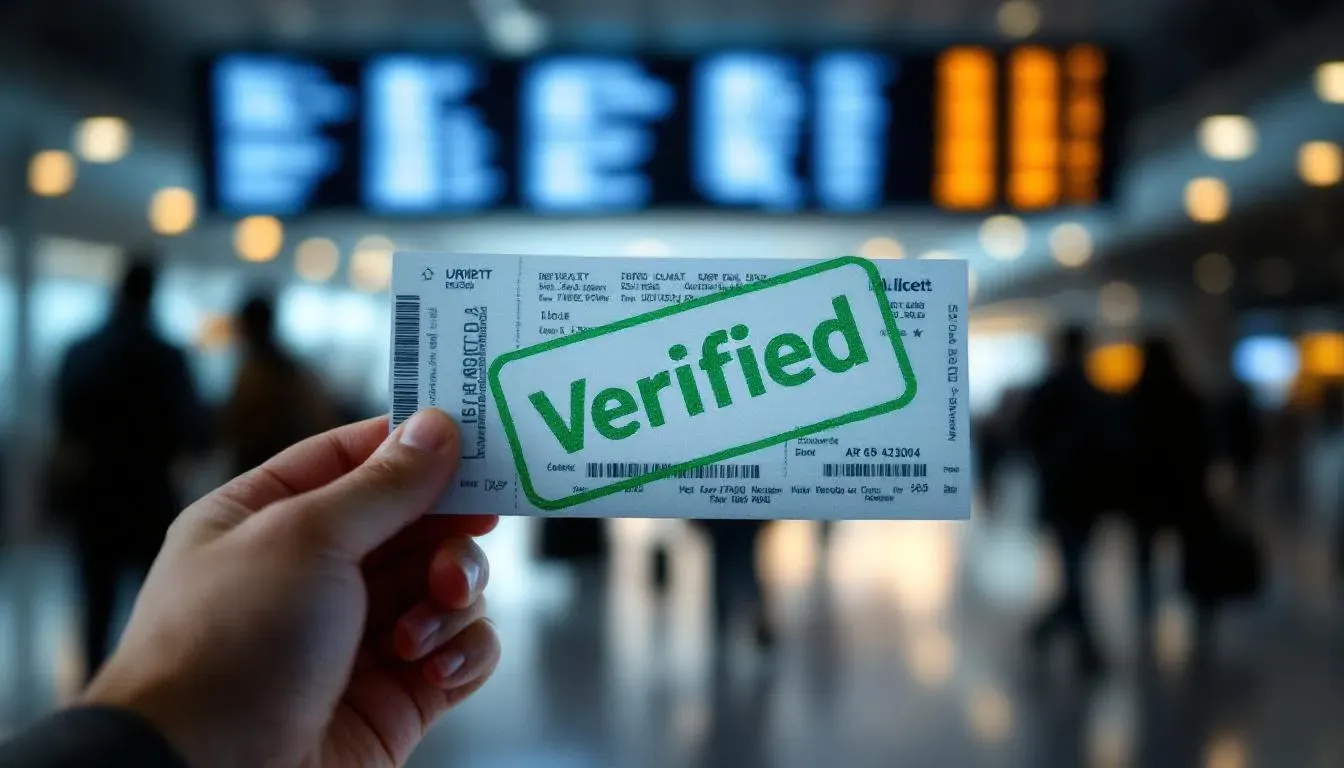
A booking reference looks small, but in a visa file it carries weight. It tells the officer whether your travel proof is a structured reservation or just a decorative PDF. That is why applicants who search for a dummy ticket, flight itinerary or flight reservation for visa are really trying to solve the same problem: they need travel proof that looks believable, matches the rest of the file and does not force them to buy a non-refundable ticket too early.
This guide is written for that verification moment. It does not pretend every officer opens every airline system. It focuses on what can realistically be checked, what usually creates suspicion, and how to submit a cleaner reservation when your visa dates are still uncertain.
In This Guide
- What a booking reference actually proves
- What embassies can check without calling anyone
- When officers may go deeper
- PNR, ticket number and reservation code differences
- Fake PDFs, expired records and fast red flags
- How to make your reservation harder to question
- What to do when your appointment date changes
- Booking reference verification FAQs
What a Booking Reference Actually Proves
A booking reference is not magic approval. It is a locator for a reservation record. In airline language, applicants often call it a PNR, record locator, reservation code or booking code. In a visa application, the useful part is not the code by itself. The useful part is that the code points to a coherent itinerary with the same passenger, same dates and same routing shown in your submitted documents.
A strong flight reservation for visa should make three things clear immediately:
- Who is travelling, using the same name order and spelling as the passport.
- Where the applicant plans to enter and leave, with a sensible route.
- When the applicant intends to travel, matching the visa form and supporting documents.
The booking reference is therefore a consistency anchor. If the reservation shows Paris entry on 12 September, but the form says Berlin entry on 14 September and the hotel starts on 15 September, the booking reference does not protect the file. It highlights the contradiction.
What Embassies Can Check Without Calling Anyone
The fastest verification is often not a live airline call. It is a document comparison. Caseworkers can compare the reservation against the application form, itinerary, hotel proof, insurance period, employer leave letter, invitation letter and financial documents. This is where many weak files lose trust before anyone tries to retrieve a PNR.
These checks are simple but powerful:
- Name check: Does the reservation use the passport name, not a nickname or shortened version?
- Date check: Do arrival and departure dates match the declared travel period?
- Route check: Does the city of entry match the country or consulate logic?
- Duration check: Does the trip length fit the applicant’s leave approval and budget?
- Purpose check: Does the flight timing support the stated purpose, such as tourism, study, family visit or business?
This is why a clean flight itinerary for visa can outperform a messy paid ticket. A fully paid ticket with contradictory dates still creates doubt. A well-structured reservation that matches the file can support the travel story without locking the applicant into a costly fare.
When Officers May Go Deeper
Most applicants worry that every embassy immediately calls the airline. In practice, deeper checks usually happen when something feels off: the PDF looks edited, the route is strange, the travel dates conflict, the booking reference cannot be explained, or the applicant has submitted inconsistent evidence before.
When a deeper check happens, an officer may look for whether the booking reference is retrievable, whether the airline or agency details look normal, whether the passenger name matches, and whether the reservation still appears active at the time of review. Some embassies may contact an airline, external service provider or applicant for clarification, but the first trigger is usually inconsistency.
| Check type | What it reveals | What to avoid |
|---|---|---|
| Document comparison | Whether the travel story is consistent across forms and proof | Different dates on flight, hotel, insurance and leave documents |
| Booking-reference review | Whether the itinerary appears to come from a real reservation workflow | Random codes, edited PDFs or missing passenger details |
| Route plausibility | Whether the trip makes sense for the destination and purpose | Unnecessary zigzags, impossible connections or unexplained one-way travel |
| Applicant clarification | Whether the applicant can explain changes or gaps honestly | Submitting multiple competing itineraries without explanation |
PNR, Ticket Number and Reservation Code: Do Not Mix Them Up
A common mistake is treating every number on a travel document as the same thing. A PNR or booking reference usually identifies a reservation. A ticket number usually appears after a ticket is issued. A provider order number may only identify the service provider’s internal order. A visa officer does not need all of them in every case, but the document should not confuse them.
For visa travel proof, the safest presentation is straightforward:
- Passenger name as shown in the passport.
- Flight number, airline, route, date and time.
- Booking reference or reservation code when available.
- Provider or issuing channel details that do not look fabricated.
- No edited fare screenshots pretending to be issued tickets.
If an applicant submits a document that claims to be a confirmed paid ticket but has no ticket number, or claims to be a reservation but uses language suggesting final purchase, it can create unnecessary questions. Clear labels matter. A reservation should read like a reservation. A paid ticket should read like a paid ticket.

Fake PDFs, Expired Records and Fast Red Flags
The aggressive truth is simple: a fake-looking travel document can do more damage than no flight reservation at all. It can make the officer question the applicant’s honesty, not just the flight plan. That risk is bigger than the cost of using a proper reservation workflow.
High-risk signs include:
- A booking reference that cannot be retrieved anywhere when it should be active.
- Passenger names that do not match the passport.
- Flight dates that conflict with hotel reservations or insurance coverage.
- Airlines or flight numbers that do not match the stated route.
- Watermarks, fonts or layout inconsistencies that look manually edited.
- A one-way booking for a tourist visa with no return or onward explanation.
- A reservation created too early and expired before the officer reviews the file.
How to Make Your Flight Reservation Harder to Question
The goal is not to make the document loud. The goal is to make it difficult to misunderstand. A strong reservation should line up so cleanly with the rest of the visa file that the officer has no reason to chase it.
Use this file-strength checklist before submission:
- Match the name: Use the same spelling, order and passport details across the reservation and application.
- Match the travel window: Keep flight dates, accommodation dates, insurance dates and leave approval aligned.
- Choose a believable route: Avoid routes that create unnecessary transit, long detours or impossible arrival times.
- Keep the purpose obvious: Tourism, study, work, family visit or business should each have a route and duration that makes sense.
- Use one clear itinerary: Do not submit several conflicting reservations unless the embassy specifically asks for options.
- Keep evidence current: Refresh the reservation if the appointment or review window moves.
BookForVisa’s role is to make that travel-proof layer easier to manage. The reservation should support the application without forcing you to buy the final ticket before the visa result. That is the practical advantage: flexibility without making the file look improvised.
What a Clean Verification Trail Looks Like
A clean verification trail is boring in the best way. The reservation code points to one travel plan. The passenger name is stable. The entry date, exit date and hotel dates tell the same story. The cover letter does not introduce a second version of the trip. If the officer reads the file quickly, there is no puzzle to solve.
This matters because visa review is not only about whether a flight exists. It is about whether the applicant appears prepared, honest and financially sensible. A reservation that is easy to understand can support that impression. A reservation that needs five explanations can weaken it, even if the applicant’s real intention is innocent.
For families and group applications, consistency becomes even more important. Every traveller should appear on the correct route and date pattern, and the accommodation plan should make sense for the whole group. If one applicant has a different return date, explain it clearly instead of hoping the officer ignores the difference.
What to Do When Your Appointment Date Changes
Many applicants create a reservation too early, then panic when the appointment shifts. That is exactly when expired travel proof starts causing avoidable problems. If your appointment changes, check whether your travel dates still make sense and whether the reservation is still current enough for submission.
If the visa appointment moves but your planned trip remains the same, you may only need a refreshed reservation. If the actual travel dates change, update the flight reservation, hotel proof, insurance and cover letter together. Do not update only the flight and leave the rest of the file behind.
A clean change note can be useful when the shift is material. Keep it short: state that the appointment or travel plan changed, give the new travel window, and confirm that the updated reservation, accommodation and insurance now match. Officers prefer a boring, consistent explanation over a perfect-looking but contradictory document.
Why BookForVisa Keeps the File Cleaner
Applicants do not lose trust because they used a reservation service. They lose trust when the document looks fake, expired or inconsistent. BookForVisa should be used as a travel-proof support layer: a way to prepare a flight reservation for visa with route, dates and passenger details before committing to a final fare.
The strongest use case is simple. You know your intended travel period, you need a PDF itinerary for your visa file, but you do not want to risk a non-refundable ticket while the decision is pending. In that situation, a properly prepared reservation gives the officer the travel plan they need to review without putting your budget at unnecessary risk.
Booking Reference Verification FAQs
Do embassies check booking references for visa applications?
They can. Not every file receives a live check, but embassies may review the booking reference, passenger details, route and dates when the travel proof looks inconsistent, unclear or suspicious.
Is a booking reference the same as a PNR?
In many travel documents, the booking reference is the PNR or record locator. Some providers may also show an internal order number, so applicants should make sure the actual reservation reference is clearly labelled.
Will an embassy call the airline to verify my reservation?
It is possible, but not automatic. Many checks begin with document consistency. A call or deeper check is more likely when the reservation looks edited, expired or inconsistent with the rest of the visa file.
Can an expired flight reservation hurt a visa application?
Yes, especially if the officer tries to verify it after expiry or if the dates no longer match the application. If your appointment changes, refresh the reservation and keep the rest of the file aligned.
Should I buy a full ticket instead of using a reservation?
Usually not before the visa decision unless the embassy specifically requires it. A flight reservation for visa can show intended travel without risking a non-refundable fare while the application is still pending.
What makes a reservation look fake?
Common signs include random reference codes, mismatched dates, wrong passenger names, impossible routing, inconsistent formatting and airline details that do not match the itinerary.
Can I change my flight reservation after submission?
If your travel plan or appointment changes, follow the embassy or visa centre’s update process. Do not edit the PDF manually. Update the reservation and supporting documents consistently.
What should I submit with my flight reservation?
Submit matching accommodation proof, travel insurance where required, leave approval or invitation documents when relevant, and a cover letter that uses the same travel dates and route.
Ready to Submit Cleaner Travel Proof?
Do not let a weak booking reference or mismatched itinerary create doubt in your visa file. Prepare a clear flight reservation for visa with dates, route and passenger details aligned before submission.
Book Your Flight Reservation NowRelated posts

Flight Booking for a Short Language Course Visa
21 Oct, 26
Flight Booking After a Visa Case Changes Consulates
21 Oct, 26
Flight Ticket for Visa: Postdoc Relocation Guide
21 Oct, 26
Family and Group Visa Applications
21 Oct, 26
Embassy Interview Questions on Flight Changes
21 Oct, 26
Visa Reservation for Conference and Tourism Trips
21 Oct, 26
Visa Reservation for Multiple Appointments
21 Oct, 26
Flight Booking for Visa After Airline Merger
21 Oct, 26
Is a Flight Ticket Required for a UK Visitor Visa?
21 Oct, 26