One Way Flight Reservation for Visa: When It Works and When It Doesn’t (2026)
Short answer: A one-way reservation may fit a genuine long-stay or onward journey, but it does not satisfy every visa checklist. Check whether your category calls for return travel, onward travel or another form of evidence, then explain the actual route. For Schengen cases, use the responsible consulate’s requirements rather than assuming one-way proof is enough.
We need to decide whether one-way supports your story or creates doubt. You will learn how officers interpret one-way routes, which visa situations usually tolerate them, and when a simple onward or placeholder return is safer. We will also cover the small details that often get checked fast: timing, routing logic, name consistency, and whether your exit plan is obvious in seconds. If your one-way needs a clear dated exit plan, a verifiable reservation can help strengthen your file without locking you into a full ticket.
- When A One-Way Looks Normal vs When It Looks Like A Red Flag
- How Visa Officers “Read” A One-Way Flight Reservation (And What Makes Them Doubt It)
- Safer Alternatives To A One-Way: Building An Exit Plan Without Locking In A Final Return Date
- If You Submit One-Way Anyway: How To Make It Stand Up Under Scrutiny
- Make Your One-Way Work Like A Complete Trip Plan
By leveraging these tools early, you can focus your energy on gathering financial proofs, invitation letters, and other essential documents with greater confidence. Whether you're applying for a tourist visa, business visa, or study permit, having verifiable PNR dummy ticket documentation helps present a polished and complete application from the start. If you're just beginning your visa preparations, exploring a flight reservation with PNR for visa can save both time and money while helping you avoid common pitfalls in the process. Start building your application on a solid foundation today.
Many travelers wonder if a one way flight reservation for visa is acceptable in 2026. Visa-issuing authorities often expect proof of onward or return travel to demonstrate an applicant’s intention to leave the destination country within the permitted stay, making the one-way option acceptable only in specific scenarios.
While certain visa types allow one-way reservations—such as long-stay, work, relocation, or student visas—most short-term tourist applications require a round-trip or onward itinerary. Ensuring that your travel plan aligns with the purpose of your visa and clearly shows your exit intention helps avoid delays, additional document requests, or unnecessary scrutiny from consular officers.
Last updated: June 2026 — Based on updated embassy requirements, global visitor-visa guidelines, and current consular documentation standards.
When A One-Way Looks Normal vs When It Looks Like A Red Flag
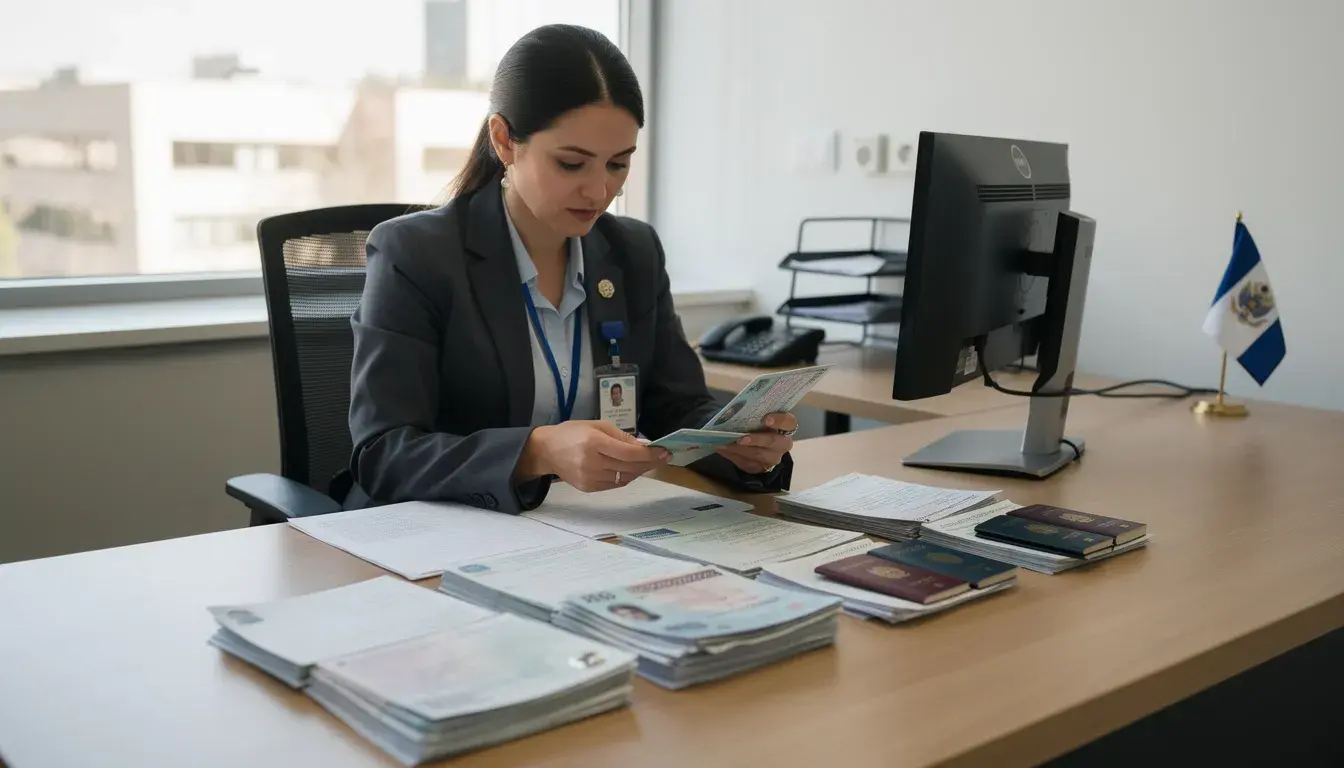
A one-way flight reservation is not automatically wrong. It becomes a problem only when it clashes with the permission you are asking for and leaves the officer guessing about your exit plan. Here, we focus on how to tell the difference before you upload anything.
The One Question Your Reservation Must Answer: “What Happens After You Arrive?”
A visa officer does not need you to predict the future. They need you to show control. A one-way reservation can still show control, but only if it answers a simple question in a way that feels complete: what happens after you land?
If your file shows an arrival date and nothing else, the officer must fill in the blanks. Blanks create doubt. Doubt creates follow-up requests or refusals.
Your flight proof works best when it does three things at once:
-
Pin down your entry timing so it matches your purpose and your supporting documents
-
Signals an exit plan with a clear date or a clear next step
-
Looks stable and consistent with the rest of your application
One-way becomes easier to accept when the rest of your file already explains the “after” part, without forcing the officer to dig.
Situations Where A One-Way Often Fits The Story
One-way can look completely normal when your return date is genuinely uncertain for a reason that is easy to understand on paper. That usually happens in longer-stay cases where the end date is not driven by tourism preference, but by a structured timeline.
Examples where one-way often matches the story:
-
Study or training with a fixed start but an end date that depends on academic scheduling or program milestones
-
Work relocation where you have a start date and onboarding location, but the return depends on contract terms
-
Family join scenarios where your travel is a move, not a visit, and the “return ticket” idea does not fit the purpose
-
Multi-country travel that begins with one entry, where you can show an onward leg soon after arrival
In these cases, one-way does not scream “no return.” It reads as “entry is certain, exit is structured differently.” The key is that your documents must support that structure.
Situations Where A One-Way Commonly Conflict With The Visa You’re Requesting
One-way gets risky fast when you are requesting a short stay, and your paperwork does not lock down a clear exit. For many visitor and tourist applications, officers are trained to look for signals that you will leave on time. A one-way can look like you are reserving the option to stay longer than you claim.
The highest-friction patterns usually look like this:
-
You claim a short trip, but no onward or return plan is visible
-
Your itinerary is vague, but your flight proof is one-way and final-looking
-
Your finances are tight, yet the trip plan implies open-ended flexibility
-
Your travel purpose is casual, but the flight proof feels like a move
Even if you fully intend to return, the officer only sees documents. If those documents suggest an open timeline, the application can feel misaligned.
A common mistake is assuming that honesty alone carries the point. Honesty matters, but a visa decision is also a risk assessment. Your one-way must reduce risk, not increase it.
The Gray Zone: When One-Way Can Work But Only If You Pair It With A Strong Exit Plan
There are cases where you can submit one-way for a short stay and still keep the file clean. But you need an exit plan that is dated, believable, and easy to check.
Here, we focus on making your exit plan obvious through flight strategy, not long explanations.
Two practical ways to do that:
-
Add an onward leg that shows you leave the country within your requested stay
-
Use a placeholder return that matches your stated trip length and supporting timeline
The goal is not to look “perfect.” The goal is to remove uncertainty. When your flight proof shows both entry and exit logic, the one-way stop looks like a loose end.
Keep your logic tight. If your stated stay is 12 days, an onward flight 45 days later does not solve the problem. It creates a new one.
Choose Your Path In 60 Seconds
Use this quick path check before you decide what to upload. It prevents the most common mismatch: a one-way that belongs to a long-stay story attached to a short-stay application.
If your purpose is short-stay tourism or a visit, start here:
-
If you can name your return window within a week or two, a round-trip or placeholder return is usually safer
-
If you truly do not know the return date, an onward leg within your requested stay can keep the story clean
-
If your file has any weak spots, like unclear funding or thin itinerary detail, avoid one-way as the only flight evidence
If your purpose is long-stay, start here:
-
If your start date is fixed and documented, one way can be consistent
-
If your end date depends on a milestone, support that milestone clearly so the missing return does not feel random
-
If you will travel onward soon after arrival, show that onward plan so “after arrival” is not a mystery
And do a fast coherence check across the whole file:
-
Do your dates match your leave approvals or program timeline?
-
Does the route look like something a real person would take for this purpose?
-
Are your entry and exit intentions visible without extra interpretation?
How Visa Officers “Read” A One-Way Flight Reservation (And What Makes Them Doubt It)
A one-way flight reservation gets judged in seconds, right alongside your purpose, dates, and funds. Here, we focus on the quiet checks consulates use to decide whether your plan looks bound or open-ended.
The Plausibility Checklist They Apply In Their Heads
In a Schengen short-stay file, officers expect an obvious travel arc within the requested window. If they only see an arrival segment, they look for a clear substitute that shows you will depart on time.
Across most visitor categories, the scan is simple:
-
Dates: entry timing matches the stated purpose and supporting letters.
-
Duration: the stay length matches your forms and leave window.
-
Routing: the route looks normal for your departure point and budget.
-
Exit: what happens after arrival is visible without extra hunting.
If one of these fails, the one-way becomes the center of attention.
Red Flags That Aren’t About One-Way Alone
Many refusals blamed on “one-way” are really about inconsistency. A Canada TRV or Japan tourist visa file can collapse when dates or names do not match cleanly across documents.
Watch for competing timelines. If the form says 10 days, the cover note hints at two weeks, and the flight proof shows only outbound travel, the officer sees uncertainty, not flexibility.
Also, avoid anything that looks altered. In high-volume visa processing, a reservation that appears edited or unusually “clean” can be treated as unreliable evidence, even when the trip is real.
The Timing Trap: When Booking Too Early Or Too Late Creates Suspicion
Timing sends signals. A one-way created far ahead of a finalized leave letter or event confirmation can look speculative in a short-stay tourist application, especially at posts that see many tentative itineraries.
A one-way produced right before biometrics can look reactive. Some Schengen consulates and Japan submission centers are strict about completeness at filing, so last-minute changes can invite extra scrutiny.
Align your flight proof with the moment your dates and purpose documents become stable. If the consulate later asks for an update, keep changes inside the same date window and route logic.
Carrier And Route Choices That Quietly Affect Credibility
Officers rarely care about the airline brand, but they do notice strange routing. A simple city-to-city visit paired with a multi-hub route can look improvised if your budget evidence suggests you would choose a standard connection.
Keep routing easy to understand. If you land far from the city you claim you will visit, add a short, concrete explanation of how you connect, or choose an arrival airport that matches the stated plan.
The goal is to make your route support your purpose at a glance.
“Verified” Doesn’t Mean “Convincing”: What Verification Actually Signals
A verifiable PNR reduces one kind of doubt: whether the reservation exists. It does not answer the intended question that one-way creates in many visitor files, which is whether your stay is clearly bounded.
A verified one-way still needs an exit plan that fits the requested stay window, whether that is an onward segment or a return structure that matches your dates.
Treat verification as a quality check. Credibility comes from alignment across your timeline, routing, and stated purpose.
Your Supporting Documents Should Explain The One-Way Without Sounding Defensive
You do not need a long explanation. You need one calm line that removes ambiguity and matches the visa type.
For long-stay entries, tie the missing return date to a documented milestone. For short-stay visits, point to the dated onward or return plan that keeps you inside the stated window.
Useful formats that officers read fast:
-
“Entry date matches [purpose]; onward travel is reserved for [date] within the requested stay.”
-
“Return timing depends on [milestone]; the departure window is stated in [document].”
As you progress with your visa preparations, the convenience of modern online services makes securing proper flight documentation simpler than ever. When you book flight reservation online for visa risk-free PDF PNR through reputable platforms, you benefit from secure transactions, instant delivery, and documents specifically designed to meet embassy requirements. These services provide immediate access to high-quality PDF reservations with authentic PNR codes, eliminating the need for physical visits or lengthy waiting periods.
The process is user-friendly and prioritizes both security and compliance. Your personal information stays protected through encrypted systems, and the resulting dummy ticket for visa arrives ready to print or upload. This instant availability is particularly valuable when application deadlines are approaching or when you need to submit updated documents quickly. The reservations are crafted to look legitimate and include all necessary details that visa officers expect to see for onward travel proof.
This approach not only saves time but also offers flexibility if your plans need minor adjustments. You can confidently proceed with the rest of your application knowing your flight evidence is compliant and professional. For travelers who value efficiency and reliability during the stressful visa application period, being able to book dummy ticket online for visa risk-free PDF PNR represents one of the smartest ways to handle this crucial requirement. Consider using these services to maintain momentum in your preparations and present the strongest possible case.
Safer Alternatives To A One-Way: Building An Exit Plan Without Locking In A Final Return Date

When one-way feels risky for your visa application, you do not need to gamble on a full-priced plane ticket. You need an exit plan that reads clean, stays consistent, and survives a quick check.
Option A: Short Placeholder Return That Matches Your Claimed Stay
This works best when your destination country visit has a clear length on paper, even if your real-life travel plans might shift later. For a Schengen visa file, officers often expect a simple start and end window that matches your forms.
Pick a placeholder return with a departure date that fits your stated trip length and leave approval. Keep the departure and arrival airports logical for the cities you list, and use iata codes correctly so the route is easy to scan.
Before you upload anything, check that the flight itinerary shows the same passenger details and personal details you used everywhere else. If your reservation includes a pnr code, reservation number, or booking id, make sure those identifiers stay stable across versions.
A strong placeholder return usually includes:
-
An e-ticket or email confirmation that reads like a real airline ticket record
-
A clear flight code and flight name, not a vague line item
-
Travel dates that match your submitted stay, not a “maximum stay” guess
-
A path that does not depend on odd connecting flights unless your route truly requires them
If you are comparing options, avoid the trap of paying full price or full payment for an original air ticket just to prove intent. A placeholder return can communicate the same bounded timeline without locking you into a full-priced ticket.
Option B: Onward Ticket To A Third Destination (When It Fits Naturally)
An onward ticket is useful when you are visiting more than one country, and your plan already continues soon after arrival. It can also work when your return to your home country is not the next step, but your exit from the first country is.
Keep the onward route believable for someone moving through different countries on a normal budget. If the onward leg is too far out, it starts looking like an open stay, which does not help with visa approval.
Make the onward logic clean:
-
Your onward date sits inside the stay you requested
-
The route supports your travel itinerary instead of fighting it
-
The onward destination is consistent with your documents and timing
This approach helps frequent travelers because it matches real movement patterns, but it still needs tight alignment. If your ticket depends on a future decision, do not hide that with a far-off onward segment. Use a nearer, onward leg that reflects what you can support today.
Also, keep an eye on visa validity. If you are applying for a short stay, an onward segment that lands after your allowed window creates confusion, even if you plan a legal extension elsewhere.
Option C: Open-Jaw Or Multi-City Return That Matches Real Travel Plans
Open-jaw and multi-city structures can look more natural than a straight return when you are moving between cities for a purpose. The key is that the route must reduce questions, not add them.
Use this when your entry city and exit city are genuinely different, such as arriving for meetings in one hub and departing after visiting family in another. It can also help when standard air ticket booking patterns in that region make multi-city routes common.
A clean multi-city setup usually has:
-
A booked flight itinerary that shows each leg clearly
-
A confirmed flight itinerary that aligns with the dates you list in your schedule
-
A sensible sequence of departure and arrival airports that matches geography
This is not the moment to chase clever routing. Choose straightforward segments that make sense even to an officer skimming fast. If you need to book a flight that includes a connection, pick connecting flights that are common for that corridor and keep layovers reasonable.
Option D: Staged Proof (When The Consulate Allows It)
Some visa applicants can submit basic documents first and provide flight proof later, but only when the right embassy or center explicitly allows it. Here, we focus on process compliance, not guesswork.
If staged proof is permitted, keep a draft flight reservation booking ready that you can finalize when requested. That reduces last-minute scrambling and avoids mismatched versions during the visa interview stage.
This approach works best when:
-
The visa requirements list flight proof as “requested later” or “after preliminary review.”
-
The appointment system sends an email confirmation that clarifies the timing.
-
You can produce a consistent itinerary quickly without changing your core dates.
If you rely on a local travel agent or travel agency for this, confirm turnaround times and what details will be included. Many embassies notice when last-minute documents arrive with inconsistencies, especially when the following details change between uploads.
The “Don’t Make Me Guess” Rule: Your Exit Plan Must Be Obvious In 10 Seconds
No matter which alternative you choose, the officer should see your exit plan immediately. Keep your flight proof separate from a hotel reservation or hotel bookings, so the timeline does not get buried.
Use a simple one-page arrangement that shows all the details without clutter:
-
Entry segment with travel details
-
Exit segment as a return or onward ticket
-
Matching names and identifiers, including e ticket number if present
-
Dates that align with your stated purpose, not minute trips, improvisation
If your schedule needs more flexible schedules or more flexible schedules, your structure must still look bounded. That is strongly suggested for any ticket for visa review.
For an official, embassy-ready flight reservation service with instant PDF + valid PNR, visit DummyFlights.com.
Once you have the right alternative in place, the next step is making sure a one-way submission, if you still choose it, holds up when officers check identifiers, routing logic, and consistency.
If You Submit One-Way Anyway: How To Make It Stand Up Under Scrutiny
Sometimes, one-way is the most truthful option for your file. If you submit it, the goal is simple: remove every reason an officer might doubt your timeline, your identity match, or your exit intent.
Write The Missing Sentence: Why Your Return Isn’t Booked Yet
A one-way flight ticket becomes risky when your documents stay silent about the missing return. Fix that with one clean sentence that matches the visa category you are asking for.
For a UK Standard Visitor or a Schengen short-stay visit, your sentence should point to a dated exit plan you can show elsewhere. For a long-stay entry, your sentence should connect the missing return to a milestone that is already documented.
Keep it calm. Keep it specific. Avoid emotional language.
Good explanations usually fall into one of these patterns:
-
Your return date depends on a confirmed timeline, like a course end window or a contract milestone
-
Your onward departure is already planned within your requested stay
-
Your travel dates are controlled by an approval letter, not preference
This keeps your one-way from looking like an unfinished plan in the visa application process.
Build A Two-Part Exit Plan That Feels Real
If you submit one-way, treat it as Part 1, not the whole story. Part 2 is what convinces an officer you will not float beyond your stated window.
Part 1 is your entry segment. Part 2 is your exit evidence, shown as either a dated onward segment or a return plan that fits your stated duration.
A common way to keep the file tidy is to pair the entry reservation with a separate onward reservation. If you use a dummy air ticket for that onward leg, make sure it supports a real timeline and does not contradict your stated stay.
Here is the key test: can a reviewer see your exit plan without guessing where it is buried?
If not, restructure the file order. Place the exit evidence right after the one-way itinerary so your travel ticket logic reads as one continuous arc.
Consistency Audit: The 8 Details That Must Match Everywhere
Here, we focus on what officers actually compare across pages. Most doubts come from small mismatches, not big stories.
Run a tight consistency audit before you upload:
-
Full name spelling and order, including middle names if used
-
Passport number, if it appears anywhere in the reservation
-
Entry date and city, matching your forms and cover note
-
Stated trip length, matching leave approval or itinerary schedule
-
Departure and arrival airports, matching the route you describe
-
City names and airport codes, matching each other across documents
-
Contact details, if listed on the reservation, match your application profile
-
One stable reference, like a booking reference, that does not change between versions
Also, check formatting. Some systems auto-trim spaces or reorder names. That can create a mismatch when your flight booking is generated in a different format than your application form.
Avoid These “Fixes” That Often Backfire
When people panic about one-way, they often create a worse problem by “patching” documents.
Do not visually edit a PDF to change dates or routing. If an officer suspects manual edits, the file can lose trust fast.
Do not upload multiple conflicting itineraries “to cover all outcomes.” One clear story beats three competing versions.
Do not rely on screenshots as your primary proof if your reservation can be checked in a cleaner way. If a reservation is verified online through an official channel, it is easier to trust than a cropped image.
If you want to sanity-check authenticity, use the airline's website only when the reservation method supports it, and keep the output consistent with what you submit.
Handling Changes After Submission Without Undermining Credibility
Changes happen. Visa timelines shift. Consulates request updates. The risk is not the change itself. The risk is changing the logic of your trip.
If a consulate asks for an updated itinerary, keep the same route concept and adjust within the same travel window when possible. A small date shift is easier to accept than a full routing flip.
If you need to refresh a reservation shortly before an appointment, keep an eye on timing. Some reservations remain active for up to three days, while others update faster. Plan your update so the version you submit is the version that can still be checked.
Also, keep your document trail clean. Upload one updated file, not a chain of edits. Name it clearly and keep it aligned with your stated dates.
If your provider offers secure booking with stable references, use that stability to avoid repeated reissues that create confusion.
Final Pre-Submission Checklist: The One-Way Risk Score
Before you hit upload, score your one-way package based on how a cautious officer will read it.
Low-risk one-way often looks like this:
-
Your visa category supports a longer timeline or documented milestone
-
Your exit plan is visible and dated
-
Your route matches your purpose and budget
-
Your file has one consistent story across all pages
Higher-risk one-way often looks like this:
-
Short-stay visitor intent with no dated exit proof
-
Multiple versions of the reservation are floating in the portal
-
Sudden route changes that do not match your stated plan
-
Unnecessary add-ons that raise questions, like irrelevant travel insurance details that do not match your stay
If your trip involves extended periods, officers look harder at how you maintain lawful status and how you will exit. Your documents should answer that without creating new questions. If you use dummy ticket solutions or such services for flight proof, keep them consistent, verifiable, and aligned with your stated timeline. Paying a small fee for a clean reservation is not the issue. Conflicting dates and shifting routes are.
As you finalize your documents, focus on making your flight proof clear, consistent, and easy for the embassy to verify. For an official reservation service with instant PDF + PNR, visit DummyFlights.com.
To boost your chances of approval, always cross-check that your chosen document matches your stated purpose, dates, and itinerary details. Consistency across all materials builds credibility and authority in the eyes of the reviewing officer. For more detailed guidance on this important topic, learning about what is a dummy ticket and why do embassies require it can equip you with the knowledge needed for a successful outcome.
Make Your One-Way Work Like A Complete Trip Plan
If you are filing a Schengen short-stay application, your flight proof must read as a closed loop. A one-way can still fit, but only when your exit plan is dated, visible, and consistent with your stated stay. When anything feels open-ended, a simple onward or placeholder return often keeps the embassy review smooth.
Now, you can choose the flight booking format that matches your purpose and avoids extra questions at the counter. Do one final consistency check on names, dates, and routing before you upload your travel ticket, then submit the version you can stand behind.
More Resources
Why Travelers Trust BookForVisa.com
BookForVisa.com has been helping travelers since 2019 with specialized dummy ticket reservations for visa applications. We've supported over 50,000+ visa applicants worldwide, providing verifiable PNRs and instant PDF deliveries. Our 24/7 customer support ensures quick resolutions, while secure online payments and unlimited changes demonstrate our commitment to reliability. As a registered business with a dedicated team, BookForVisa.com focuses exclusively on flight reservations for visa, offering niche expertise you can count on.
About the Author
Visa Expert Team — With over 10 years of combined experience in travel documentation and visa assistance, our editorial team specializes in creating verifiable flight and hotel itineraries for visa applications. We have supported travelers across 50+ countries by aligning documentation with embassy and immigration standards.
Editorial Standards & Experience
Our content is based on real-world visa application cases, airline reservation systems (GDS), and ongoing monitoring of embassy and consular documentation requirements. Articles are reviewed and updated regularly to reflect current practices.
Trusted & Official References
- U.S. Department of State — Visa Information
- International Air Transport Association (IATA)
Important Disclaimer
While our flight and hotel reservations are created to meet common embassy requirements, acceptance is not guaranteed and may vary by country, nationality, or consulate. Applicants should always verify documentation rules with the relevant embassy or official government website prior to submission.
Friendly reminder: BookForVisa provides travel-proof documents for planning and visa-application support. Requirements vary by destination, consulate, visa category and applicant situation. A flight reservation can support a file, but it does not guarantee approval, boarding or entry.